Why Write an Unsolicited Cover Letter
In a job market saturated with applicants, sending an unsolicited cover letter might seem like a shot in the dark. However, this proactive approach can be surprisingly effective. An unsolicited cover letter allows you to introduce yourself to companies you admire, even when they aren’t actively hiring. It demonstrates initiative, a valuable trait that can set you apart from other candidates who are only applying for advertised positions. By showcasing your skills and enthusiasm, you can potentially create a job opportunity where none existed before. This strategy can be particularly useful if you’re targeting a specific company or industry, as it allows you to tailor your message and demonstrate your genuine interest.
Benefits of an Unsolicited Cover Letter
The benefits of sending an unsolicited cover letter extend beyond simply getting your name out there. It allows you to target specific companies and positions that align with your career goals, increasing your chances of finding a role that truly excites you. Moreover, it provides a way to bypass the competition associated with advertised jobs. Since you’re not competing with numerous applicants, your cover letter and resume are more likely to receive careful consideration. An unsolicited letter can also signal your adaptability and willingness to go the extra mile, qualities that are highly valued by employers. It demonstrates your proactive nature and your commitment to your career, which can leave a lasting impression.
How to Research Companies

Thorough research is the cornerstone of a successful unsolicited cover letter. Begin by identifying companies that align with your skills, experience, and career aspirations. Explore their websites, social media channels, and industry publications to gain insights into their culture, values, and recent projects. LinkedIn can be a goldmine for researching companies, allowing you to see who works there, what they do, and any recent company news or announcements. Look for companies that are expanding, launching new products, or experiencing significant growth, as these are often indicators of potential opportunities. Understanding their current needs and challenges allows you to tailor your letter to address them specifically, increasing your chances of grabbing their attention.
Identifying Potential Opportunities
Even when a company isn’t advertising open positions, opportunities might still exist. Consider the roles you could fill based on your skills and the company’s needs. Think about areas where you can contribute, such as project management, data analysis, marketing, or customer service. Identify departments or teams that resonate with your expertise and where you believe your skills could be a valuable asset. For instance, a company may not be advertising for a content writer, but they always need someone to manage social media. The goal is to envision how you can add value. Presenting a clear value proposition and connecting your skills to the company’s goals can greatly increase the chances of an interview.
How to Customize Your Cover Letter
Generic cover letters are a quick way to end up in the digital trash. To make your unsolicited cover letter stand out, customize it to each company you contact. Address the hiring manager by name if possible, and reference the company’s recent projects or initiatives. Show that you’ve done your research. Highlight the specific skills and experiences that are relevant to the company’s needs. Explain why you’re interested in working for them, what you admire about their work, and how you can contribute to their success. Demonstrating your understanding of the company and tailoring your message to their specific requirements demonstrates your genuine interest and attention to detail, making you a more appealing candidate.
Address the Hiring Manager Directly

Whenever possible, address your cover letter to a specific person, usually the hiring manager or the head of the department you’re interested in. This shows that you’ve taken the time to research the company and are not just sending out a generic application. Find out the hiring manager’s name through LinkedIn, the company website, or by calling the company directly. If you cannot find a specific name, use a professional greeting, such as “Dear Hiring Manager.” Addressing a person directly can increase your chances of having your cover letter read by the right person, ensuring that your message is delivered to the appropriate audience and increases the letter’s impact.
Highlight Relevant Skills
Your unsolicited cover letter is a chance to showcase the skills most relevant to the company’s potential needs. Review your skills, and then carefully consider which of them best align with the company’s mission or operations. Don’t just list your skills; provide specific examples of how you’ve used those skills to achieve results. Use quantifiable achievements whenever possible. For instance, instead of saying “Managed social media,” you could write “Increased social media engagement by 40% in six months.” Quantifiable results are extremely compelling to hiring managers. Showing how your skills have delivered value in the past demonstrates your potential to contribute meaningfully to the company you’re contacting. Use action verbs to describe your accomplishments, bringing your skills to life.
Showcase Your Achievements
Don’t just list your responsibilities; highlight your accomplishments. Use the STAR method (Situation, Task, Action, Result) to describe your achievements in detail. This method helps you present a compelling narrative. The Situation is the context of your achievement, and Task is the responsibility you were assigned. The Action describes the steps you took to complete the task. The Result is the outcome of your actions, using quantifiable results whenever possible. For example, instead of stating “Managed projects,” you might write “Successfully managed three simultaneous projects, delivering them on time and under budget, resulting in a 20% increase in team efficiency.” Presenting your achievements in this manner highlights your ability to deliver results and contribute positively to the company’s goals.
Formatting Your Cover Letter

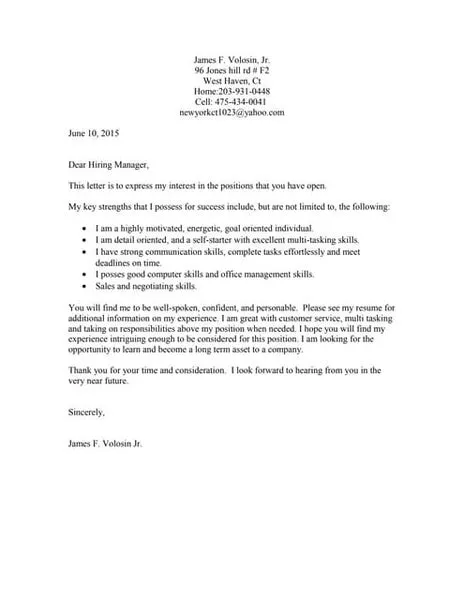
The formatting of your unsolicited cover letter is crucial, as it impacts readability and professionalism. Use a clean and easy-to-read font, such as Arial, Calibri, or Times New Roman, with a font size between 10 and 12 points. Use one-inch margins on all sides, and ensure your text is left-aligned, with a justified text on the right. Keep the tone of the document professional and concise. Ensure the letter is well-organized, with clear paragraphs and headings. A well-formatted cover letter is easy on the eyes and conveys your attention to detail. Avoid typos and grammatical errors at all costs, as they can give the impression of carelessness or a lack of professionalism.
Header and Contact Information
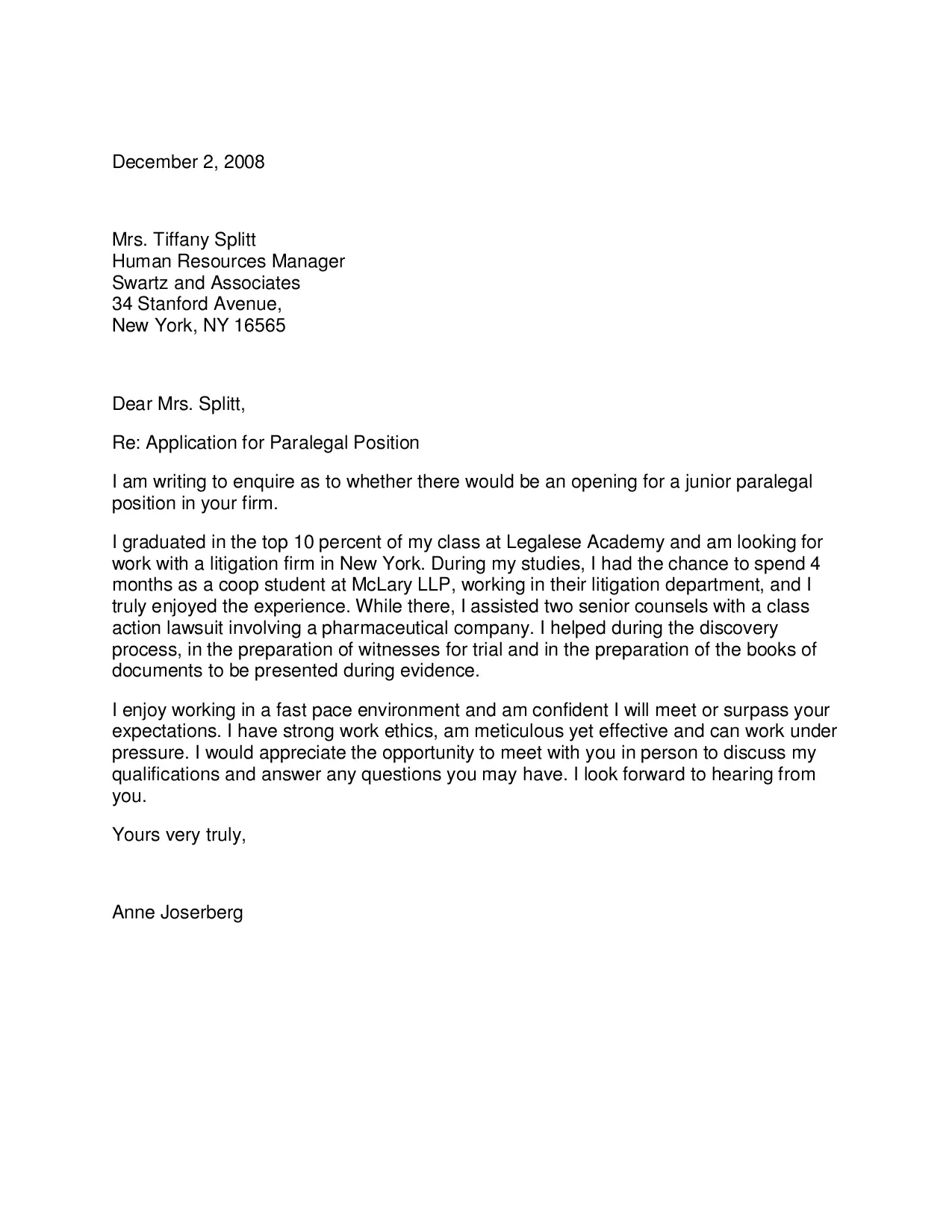
Your cover letter’s header should include your name, address, phone number, and email address. This information should be clearly visible and easily accessible. Place your contact information at the top of the letter, either aligned to the left or centered. Include the date, and the hiring manager’s name, title, and company address. Make sure your email address sounds professional; if necessary, create a new email address just for your job search. Verify all the contact information to avoid errors. Also, consider including a link to your professional online profile, such as LinkedIn, to provide the hiring manager with additional information about your experience and skills. This makes it easy for the recruiter to learn more.
Body Paragraphs
The body of your cover letter should be concise and persuasive. It typically consists of three paragraphs: an introduction, a middle paragraph, and a conclusion. The introduction should immediately capture the reader’s attention and state the purpose of your letter. The middle paragraph should highlight your relevant skills, experiences, and achievements, and explain how you can contribute to the company’s success. The conclusion should reiterate your interest, summarize your key qualifications, and include a call to action. It might request an interview or offer to provide further information. Keep your paragraphs brief and focused, using clear and concise language to avoid overwhelming the reader. Each paragraph should convey a distinct point.
Proofreading and Editing
Proofreading and editing are crucial steps in ensuring the quality of your unsolicited cover letter. Thoroughly review your letter for any grammatical errors, typos, or formatting inconsistencies. Read the letter aloud to catch any awkward phrasing or unclear sentences. Consider having a friend, family member, or career counselor review your letter for feedback. They may be able to identify errors or offer suggestions for improvement. Use grammar checking software to help you catch mistakes you might have missed. A well-written and error-free cover letter shows professionalism and attention to detail, making a positive impression on the hiring manager. A polished cover letter can significantly increase your chances of getting noticed.
Writing a Strong Opening
The opening paragraph is your first and often only chance to make a positive impression. Start with a strong opening that grabs the reader’s attention. You can mention how you learned about the company, a recent achievement of theirs that impressed you, or your specific interest in their work. Clearly state the purpose of your letter and the position you’re seeking, even if it’s an unspecified role. Show your enthusiasm and passion for the company and the industry. Avoid generic openings that start with phrases like “I am writing to express my interest…” Instead, aim for a more engaging introduction that immediately demonstrates your understanding of the company’s needs and your ability to contribute to their success. The first few sentences should set the tone for your entire letter.
Crafting a Compelling Middle
The middle paragraph is the heart of your cover letter, where you highlight your skills, experience, and accomplishments. Tailor this section to the specific company and any potential roles you’re targeting. Explain how your skills and experiences align with the company’s needs and goals. Provide specific examples of your achievements, using quantifiable results whenever possible. Clearly articulate the value you can bring to the company. Support your claims with evidence from your past experiences. Instead of saying “I am a good communicator,” you may say “Successfully delivered several presentations to stakeholders, resulting in positive feedback and increased buy-in.” Remember to show; don’t just tell. Showcasing your abilities will provide convincing evidence to demonstrate the value you can bring.
Creating a Powerful Closing

Your closing paragraph should leave a lasting impression. Reiterate your interest in the company and the potential opportunity. Summarize your key qualifications and emphasize the value you can bring. Include a clear call to action, such as requesting an interview or offering to provide further information. Express your gratitude for the reader’s time and consideration. Maintain a professional tone throughout. Avoid clichés or overly familiar language. A well-crafted closing reinforces your enthusiasm, summarizes your strengths, and motivates the hiring manager to take the next step. A strong closing is crucial for leaving a lasting positive impression.
Submitting Your Unsolicited Cover Letter
When submitting your unsolicited cover letter and resume, always follow the company’s preferred application process. If there’s a specific email address or online portal to apply through, use it. If there’s no guidance, send your cover letter and resume as PDF attachments to a professional email address. This ensures that your documents are properly formatted and preserves the formatting. Avoid sending Word documents unless explicitly requested. Use a clear, concise subject line. For example, “Cover Letter and Resume – [Your Name] – [Potential Role or Area of Interest]”. Always proofread the email before sending it to avoid any embarrassing mistakes. Ensure that your documents are correctly attached and easily accessible, making it easy for the hiring manager to review your application.
Best Practices for Sending
Several best practices can help you make a positive impression when sending your unsolicited cover letter. Customize your cover letter and resume for each company, showing you’ve put in the effort. Maintain a professional tone, and ensure that the letter is free of errors. Use a professional email address, and a concise subject line. Attach your cover letter and resume as PDF files. Don’t be afraid to follow up if you haven’t heard back within a reasonable timeframe. Be respectful of the hiring manager’s time, and make it easy for them to contact you. By following these best practices, you increase the likelihood of your unsolicited cover letter getting noticed and generating opportunities.
Follow-up Strategies

Following up after sending your unsolicited cover letter shows persistence and interest. Give the hiring manager at least a week or two before following up. A polite email or a brief phone call can be appropriate. In your follow-up, politely reiterate your interest in the company and the potential opportunity, reminding the hiring manager of your qualifications. You can also reiterate the value that you can bring. Keep your follow-up concise, and be respectful of the hiring manager’s time. If you still don’t hear back after a reasonable time, consider it a missed opportunity. If you have been contacted for an interview, ensure that you send a thank-you note to the interviewer. Follow-up shows your continued interest in the company and the potential opportunity.