Understanding the TA Cover Letter: The Foundation
A Teaching Assistant (TA) cover letter is your initial introduction to a potential employer. It’s more than just a formality; it’s your opportunity to make a strong first impression, showcase your qualifications, and express your enthusiasm for the role. This document serves as a crucial bridge, connecting your skills and experience to the specific requirements of the teaching assistant position. By mastering the art of crafting a compelling cover letter, you significantly increase your chances of securing an interview and ultimately landing your desired TA position. It’s not merely a recitation of your resume; it’s a narrative demonstrating your passion, competence, and suitability for the educational environment, and it will set the stage for your application.
Remember that the cover letter is read before your resume. The goal is to capture the hiring manager’s attention and entice them to delve deeper into your qualifications, thus highlighting the significance of a well-crafted cover letter. It should be tailored, concise, and targeted to each specific application. You want to convey your understanding of the role and the institution, and why you are a good fit for them. It is the first impression, and a good first impression is the key to making sure your application is moved from the “no” pile to the “yes” pile.
Essential Elements to Include in Your Cover Letter
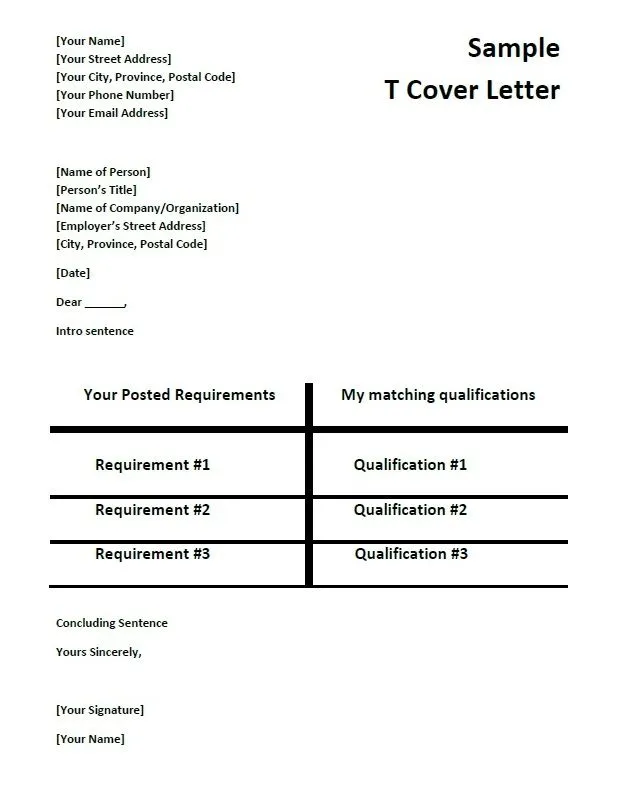
A strong TA cover letter should contain several key components. Begin with a professional header, including your contact information and the date. Address the letter to the hiring manager, whenever possible, personalizing your approach shows initiative and attention to detail. Next, start with a compelling opening paragraph that grabs the reader’s attention. This could include a statement about your passion for education or a brief mention of a relevant experience. Follow this up with a body that highlights your relevant skills, experiences, and qualifications; quantify achievements whenever possible. Provide specific examples to demonstrate your capabilities and align your skills with the job description requirements. Finish with a clear and concise closing paragraph, reiterating your interest in the position and expressing gratitude for their consideration. Remember to proofread the letter and check for grammatical errors or typos.
One of the essential elements to include is a clear indication of the specific position you are applying for, and how you found it. Also, make sure your letter includes a description of why you are interested in the role and the institution. Avoid generic language and tailor your letter to the specific needs of the institution. Emphasize the skills that align with the job description and avoid talking about generic skills that all applicants have. If the job advertisement asks for a specific set of skills, mention them. You want to show your interest and match the employer’s needs. You must include what you can bring to the team in your cover letter.
Highlighting Your Skills and Experience

Your cover letter is the perfect place to showcase your skills and experience in a way that goes beyond your resume. Think beyond simply listing your qualifications; instead, provide specific examples that demonstrate your abilities. Did you lead a successful study group? Describe the strategies you used and the outcomes achieved. Have you worked with diverse learners? Explain how you adapted your teaching methods to meet their needs. Use action verbs to highlight your accomplishments and responsibilities. For example, instead of saying “Assisted students”, use phrases like “Guided students” or “Facilitated learning sessions”. By using impactful language and providing concrete examples, you paint a vivid picture of your capabilities and leave a lasting impression on the hiring manager.
It is crucial to align the skills and experiences you highlight with the requirements outlined in the job description. Carefully review the advertisement, identifying the key skills and qualifications that the employer seeks. Then, use your cover letter to demonstrate how your background aligns with those needs. If the job posting emphasizes classroom management, provide examples of your ability to maintain a positive and productive learning environment. If it highlights communication skills, share instances where you effectively communicated with students, parents, or colleagues. The more you tailor your cover letter to reflect the specific needs of the role, the more compelling your application becomes.
Tailoring Your Cover Letter to the Specific Position
Generic cover letters are easily spotted, and often end up in the rejection pile. To stand out, you must tailor your cover letter to each specific position you apply for. Begin by researching the institution and the specific requirements of the role. Review the job description carefully, paying close attention to the skills, experience, and qualifications they are seeking. Then, customize your cover letter to reflect these specific needs. Highlight the relevant experiences and skills that directly align with the job requirements. Avoid using a one-size-fits-all approach; instead, demonstrate your understanding of the institution and the role.
Furthermore, whenever possible, personalize your cover letter by addressing it to the hiring manager by name. This shows initiative and attention to detail. Reference the institution’s mission or values and explain how your skills and experience align with their goals. Show that you understand the unique aspects of the institution and why you are excited about contributing to their community. This level of personalization makes a significant difference and shows your genuine interest in the opportunity. If you can connect your personal experiences with the needs of the school it is a great way to stand out.
Showcasing Your Passion for Education
A successful TA cover letter should convey your passion for education and your commitment to student success. This passion is what drives you to excel in a support role and what will motivate students to seek your assistance. Express your genuine enthusiasm for teaching and learning. Share stories or anecdotes that demonstrate your love for education and your desire to make a difference in students’ lives. Highlight any experiences where you mentored students, helped them overcome challenges, or witnessed their academic growth. The hiring manager wants to know that you are passionate about education.
Additionally, explain why you are drawn to the role of a TA. Highlight your understanding of the challenges and rewards of supporting students and educators. Showcase your ability to create a positive and supportive learning environment. Share your teaching philosophy and how it aligns with the institution’s values. Convey your commitment to continuous learning and professional development. By showcasing your passion and dedication, you demonstrate that you are not just looking for a job but are truly invested in the educational journey.
Formatting and Structure Best Practices

The format and structure of your cover letter are essential to its readability and impact. Choose a professional font, such as Times New Roman or Arial, and use a font size between 10 and 12 points. Keep your letter concise and focused, typically between one and two pages. Use clear and concise language, and avoid jargon. The cover letter should be easy to read, and easy to navigate. Use headings and subheadings to break up the text and guide the reader. Use bullet points to highlight key skills, experiences, or accomplishments. Ensure proper spacing between paragraphs and sections. Use a professional and consistent layout throughout the document. This will make the letter more appealing to the reader.
Pay attention to the tone of your cover letter. The tone should be professional and enthusiastic. Maintain a positive and optimistic tone throughout the letter. Proofread your cover letter carefully, and check for errors in grammar and spelling. Ensure that your contact information is accurate and up to date. Make sure your letter is formatted correctly. Consider using a cover letter template as a starting point, but always customize it to fit the specific requirements of the job. By following these formatting and structural best practices, you will present a polished and professional cover letter.
Proofreading and Editing Your Cover Letter
Proofreading and editing are critical steps in the cover letter writing process. After writing your cover letter, take the time to carefully review it for any errors in grammar, spelling, or punctuation. Mistakes can undermine your credibility and detract from your message. Read your cover letter aloud to catch any awkward phrasing or sentences that don’t flow smoothly. It is a good idea to take a break from writing and review your cover letter later with fresh eyes. It is easy to miss errors while you are writing the cover letter.
Additionally, ask someone else to proofread your cover letter. A second pair of eyes can often catch mistakes you might have missed. Ask a friend, family member, or career advisor to review your letter. Request feedback on the clarity, conciseness, and overall impact of your letter. Incorporate any suggestions they may have. By proofreading and editing your cover letter thoroughly, you will ensure that it presents a polished and professional image. It shows that you pay attention to detail and care about the quality of your work, which is important.