7 Cover Letter Tips for Admin Assistants
Crafting a compelling cover letter is crucial for administrative assistants seeking to land their dream job. A well-written cover letter serves as your first impression, providing an opportunity to showcase your skills, experience, and personality to potential employers. It complements your resume by expanding on your qualifications and demonstrating your genuine interest in the position. This guide provides seven essential tips to help administrative assistants create impactful cover letters that capture the attention of hiring managers and increase their chances of securing an interview. Following these guidelines will help you stand out from the competition and make a lasting positive impression, ultimately leading to job offers and career advancement. By focusing on these key areas, you can significantly improve the effectiveness of your cover letters and achieve your career goals.
Highlighting Your Skills in Your Cover Letter
Administrative assistants must highlight relevant skills to demonstrate their capabilities and suitability for the role. Begin by identifying the key skills listed in the job description, such as proficiency in Microsoft Office Suite (Word, Excel, PowerPoint, Outlook), communication skills (written and verbal), organizational abilities, time management, and attention to detail. When describing your skills, provide specific examples of how you’ve utilized them in previous roles. Instead of simply stating that you’re organized, mention how you’ve successfully managed complex calendars, coordinated meetings, or maintained filing systems. Quantify your achievements whenever possible; for instance, you could state that you’ve improved office efficiency by a certain percentage or reduced errors by implementing new processes. Use action verbs to describe your skills, such as ‘managed,’ ‘coordinated,’ ‘organized,’ ‘implemented,’ and ‘streamlined.’ Tailoring your skills section to match the specific requirements of each job application will significantly increase your chances of making a positive impression on the hiring manager. Showcase your skills effectively and make a strong case for your qualifications.
Showcasing Relevant Experience

In your cover letter, thoroughly outline your previous administrative experience. This involves detailing your job responsibilities, the tasks you performed, and the results you achieved. Focus on experiences that are most relevant to the position you are applying for. Highlight any accomplishments, projects, or initiatives you led or contributed to. If you’ve managed office budgets, mention the size of the budgets and any cost-saving measures you implemented. If you’ve streamlined processes, describe the improvements you made and their impact on the company’s efficiency. Be sure to use quantifiable metrics to measure your achievements. Instead of just stating that you handled customer inquiries, specify how many inquiries you addressed per day or the percentage of customer satisfaction you maintained. Emphasize any experience in specific industries or with particular software or systems that are relevant to the job. By showcasing your experience in a clear, concise, and results-oriented manner, you demonstrate your value as a candidate and increase your chances of securing an interview and ultimately the job.
Tailoring Your Cover Letter
Customizing your cover letter for each job application is critical to demonstrating your genuine interest in the role and the company. Generic cover letters often fail to impress, as they do not show that you’ve taken the time to understand the specific requirements of the position. Before you begin writing, carefully review the job description to identify the key skills, qualifications, and responsibilities the employer is seeking. Research the company and its values to show that you understand their mission and how you can contribute. Use the job description as a guide to tailor your cover letter, emphasizing the skills and experiences that align with the position. Mention the company by name and address the hiring manager directly, if possible. Provide specific examples of how your experience and skills align with the job requirements. Explain why you are interested in working for that particular company and what attracts you to the role. By tailoring your cover letter, you show your attention to detail, your interest in the specific opportunity, and a clear understanding of what the employer needs.
Formatting Your Cover Letter for Success
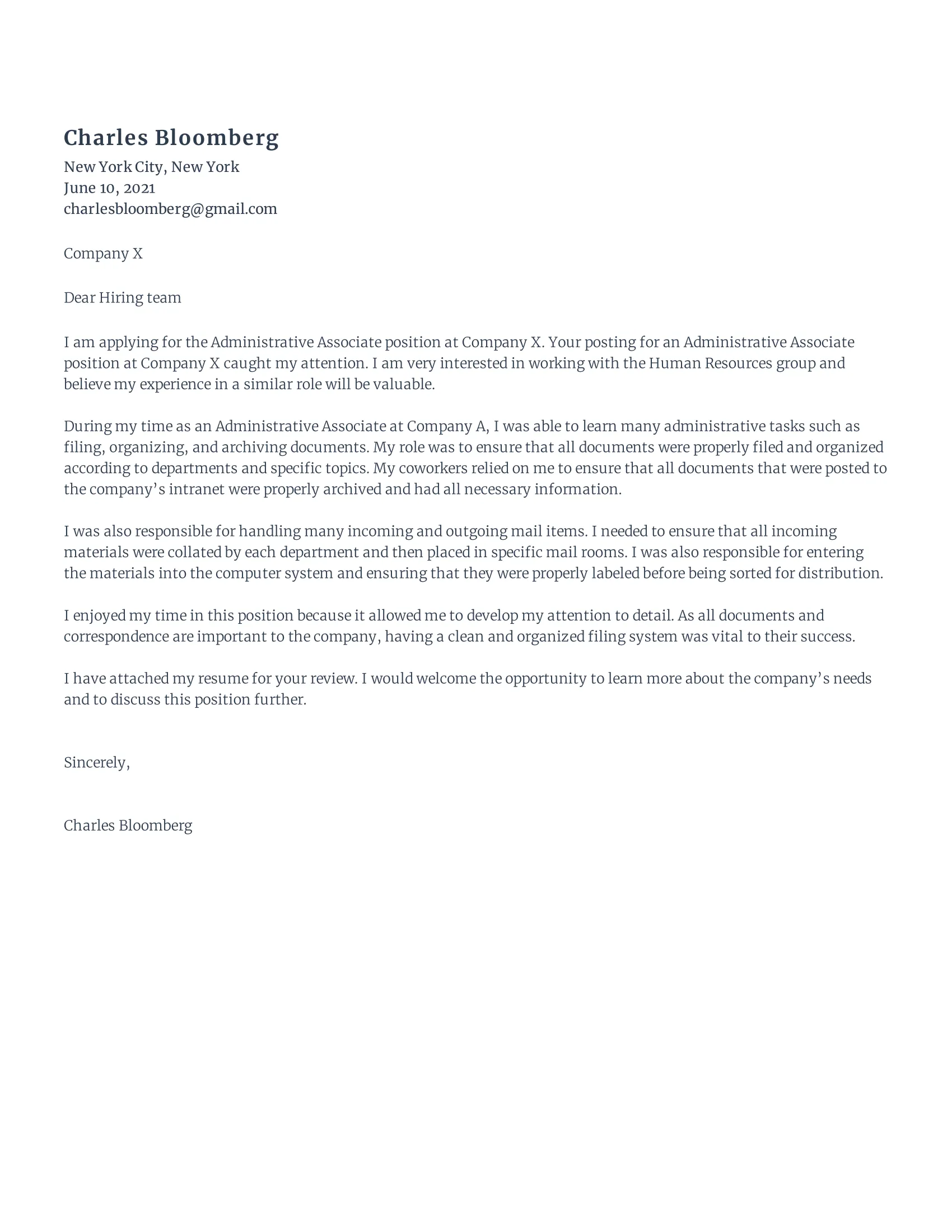
A well-formatted cover letter is essential for making a positive first impression. Choose a professional font, such as Times New Roman, Arial, or Calibri, and use a font size of 11 or 12 points for easy readability. Use standard margins (1 inch on all sides) and ensure your letter is single-spaced with a blank line between paragraphs to make it easy to read. Keep your cover letter concise; aim for one page, typically no more than four paragraphs. Start with a clear and professional heading that includes your contact information, the date, and the employer’s contact information. Use clear and concise language, avoiding jargon or overly complex sentences. Proofread carefully for any grammatical errors or typos, as these can reflect poorly on your attention to detail. Use bullet points to highlight key skills or accomplishments, making the information easier to scan. Structure your letter logically, with a clear introduction, body paragraphs that highlight your skills and experience, and a strong conclusion. By paying close attention to the formatting, you show that you are organized and professional, which increases your chances of making a positive impression on the hiring manager.
Proofreading and Editing Your Cover Letter

Proofreading and editing your cover letter meticulously is an essential step in the job application process. Errors in grammar, spelling, and punctuation can undermine your professionalism and credibility, potentially leading to your application being rejected. After completing the first draft, take a break to refresh your perspective before returning to review the document. Read through your cover letter multiple times, checking for any mistakes. Use spell-check and grammar-check tools, but remember that these are not foolproof; always read through the document manually. Consider having a friend, family member, or career advisor review your cover letter to provide a fresh perspective and catch any errors you might have missed. Pay close attention to the flow and clarity of your writing. Ensure that your sentences are well-structured and that your ideas are presented logically. Confirm that your contact information is accurate and up-to-date. Thorough proofreading demonstrates your attention to detail, a critical trait for administrative assistants. A polished, error-free cover letter significantly increases your chances of securing an interview.
Demonstrating Enthusiasm and Professionalism
Your cover letter should convey your enthusiasm for the position and your professionalism. Begin by expressing your genuine interest in the role and the company, explaining why you are excited about the opportunity. Show that you have researched the company and understand its mission and values. Use a professional tone throughout the letter, avoiding slang, informal language, or overly casual expressions. Demonstrate your professionalism by showcasing your skills, experience, and qualifications clearly and concisely. Highlight your ability to work independently and as part of a team. Include examples of your problem-solving skills, organizational abilities, and time management capabilities. Show a positive attitude and a willingness to learn and grow. When describing your accomplishments, focus on the positive impact you have made in previous roles. Maintain a positive and confident tone throughout the letter, but avoid being arrogant or overconfident. By conveying your enthusiasm and professionalism, you make a strong impression on the hiring manager, showing that you are a serious and capable candidate who is eager to contribute to the company’s success.
Including a Strong Call to Action
Concluding your cover letter with a strong call to action is crucial to prompting the hiring manager to take the next step. Clearly state your desire for an interview and express your availability. Reiterate your interest in the position and the company, reinforcing the key points from your letter. Make it easy for the hiring manager to contact you by including your phone number and email address. Thank the hiring manager for their time and consideration. Express your eagerness to discuss how your skills and experience align with the company’s needs. You might write something like, “I am eager to learn more about this opportunity and discuss how my skills and experience can benefit your team. Thank you for your time and consideration. I look forward to hearing from you soon.” Avoid being overly aggressive or demanding, but be confident in your abilities. By ending with a strong call to action, you make it clear that you are serious about the position and ready to move forward in the hiring process. This increases your chances of receiving a response and securing an interview.