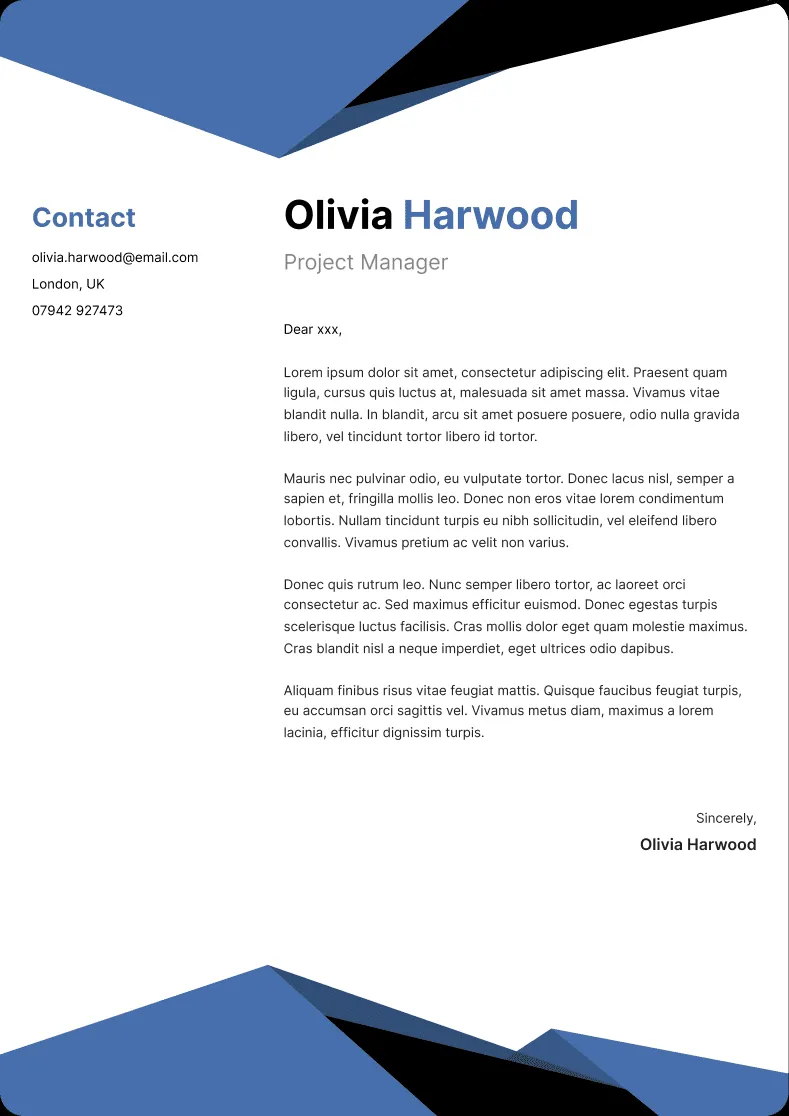
Cover Letter Secrets Unveiled
In the competitive job market, a well-crafted cover letter can be the key to unlocking your dream job. It’s your first impression, the chance to showcase your personality and convince the hiring manager to read your resume. Many job seekers overlook the importance of a compelling cover letter, but mastering these secrets can significantly improve your chances of landing an interview. This guide will delve into the top 5 cover letter secrets that can transform your application from ordinary to extraordinary, helping you stand out from the crowd and make a lasting impression. Use these tips to get a job.
The Power of Personalization
Generic cover letters are easily spotted and often discarded. Personalization is essential. A generic letter screams that you haven’t done your research or that you’re simply sending out mass applications. Instead, each cover letter should be tailored to the specific job and company. This demonstrates that you’ve taken the time to understand their needs and are genuinely interested in the opportunity. You can show the recruiter you know the company.
Tailoring Your Letter to the Job Description

Carefully review the job description and identify the key skills, experiences, and qualifications the employer is seeking. Then, align your cover letter to match these requirements. This demonstrates that you understand what the employer is looking for and that you possess the necessary attributes to succeed. Highlight your key accomplishments, using the same language as the job description. This makes it easy for the hiring manager to see that you’re a good fit for the role.
Highlighting Relevant Skills and Experiences
Don’t just list your skills; illustrate them. Use specific examples from your past experiences to showcase how you’ve used your skills to achieve positive results. Quantify your achievements whenever possible (e.g., “Increased sales by 15%”). This helps the hiring manager see the value you bring to the table. This is an important part of writing a cover letter. Focus on things relevant to the job.
Showcasing Your Personality
Your cover letter is an opportunity to let your personality shine. While professionalism is key, don’t be afraid to inject your unique voice and enthusiasm into the letter. This helps the hiring manager get a sense of who you are and whether you would be a good fit for the company culture. Use a tone that reflects your personality and the company’s culture. Be authentic and let your genuine enthusiasm for the role come through.
The Importance of a Strong Opening

The opening of your cover letter is critical. It’s your first chance to grab the reader’s attention and make them want to learn more. A weak opening can lead to your letter being discarded before the hiring manager even gets to the body. A strong opening sets the tone for the rest of your letter and makes a positive first impression. Write an opening paragraph that gets the hiring manager’s attention.
Grabbing the Reader’s Attention Immediately
Instead of starting with a generic greeting, try something more engaging. You could mention a mutual connection, refer to something specific about the company that interests you, or express your enthusiasm for the role. For example, “I was thrilled to see the opening for a Marketing Manager at [Company Name]” or “Having followed [Company Name]’s innovative work in [Industry] for years, I am eager to contribute to your team.” These examples are more effective than a generic greeting. This sets you apart from other job seekers.
Stating Your Purpose Clearly
Immediately state the position you’re applying for and how you learned about it. This helps the hiring manager understand why you’re writing and what you’re hoping to achieve. Make it clear that you’re applying for a specific role and that you are an excellent candidate.
How to Quantify Your Achievements

Numbers speak louder than words. Instead of simply stating that you’re a good communicator, provide concrete examples that demonstrate your communication skills. The more you can quantify your achievements, the more compelling your cover letter becomes. Quantifiable achievements also help the employer see your accomplishments.
Using Numbers to Impress
Whenever possible, use numbers to illustrate your achievements. For example, instead of saying, “I improved customer satisfaction,” say, “I increased customer satisfaction scores by 20%.” Numbers make your achievements more tangible and credible. They provide concrete evidence of your impact and help the hiring manager understand the value you brought to your previous roles.
Providing Specific Examples
Back up your claims with specific examples. Instead of saying, “I am a team player,” describe a specific situation where you collaborated effectively with a team to achieve a goal. This demonstrates your abilities in action and makes your claims more believable. Specific examples add credibility to your claims.
The Art of a Compelling Closing

The closing of your cover letter should leave a lasting impression and motivate the hiring manager to contact you. It’s your final chance to make a positive impact and encourage the hiring manager to take the next step. A well-crafted closing leaves the reader feeling impressed.
Expressing Enthusiasm and Gratitude
Reiterate your interest in the position and the company, and express your gratitude for the hiring manager’s time and consideration. This shows that you’re genuinely interested and appreciative of the opportunity. A sincere thank you and expression of excitement are very helpful.
Call to Action
End your cover letter with a call to action, such as “I am eager to discuss how my skills and experience can benefit your team” or “I look forward to hearing from you soon.” This encourages the hiring manager to take the next step and invite you for an interview. Make it easy for the hiring manager to know what the next step is.