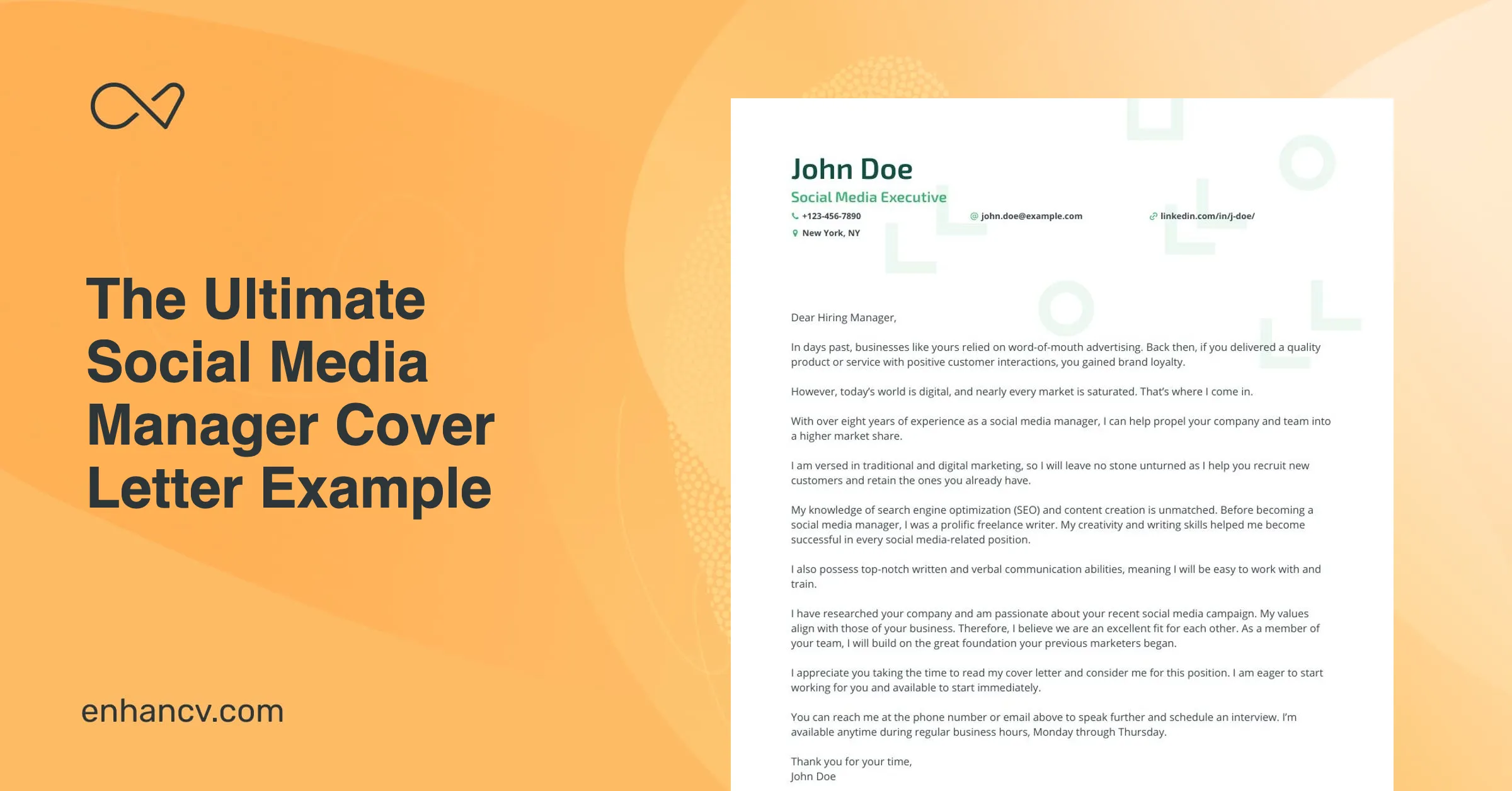
Crafting a Compelling Social Media Manager Cover Letter
A well-crafted cover letter is your first impression on a potential employer. It’s your opportunity to showcase your skills, experience, and passion for social media management. Think of it as a mini-campaign designed to grab their attention and secure an interview. To stand out from the crowd, your cover letter must be more than just a summary of your resume; it needs to tell a story and demonstrate why you’re the perfect fit for the role. A compelling cover letter is customized, specific, and highlights your key achievements, making the reader eager to learn more.
Highlighting Your Social Media Expertise
Your cover letter is the perfect platform to spotlight your social media expertise. Clearly articulate your proficiency in various social media platforms like Facebook, Instagram, Twitter, LinkedIn, TikTok, and others relevant to the role. Mention your knowledge of social media marketing strategies, including content creation, audience engagement, and community management. Detail your experience with social media analytics tools, and how you use data to improve performance. Providing specific examples of how you’ve used your skills to achieve positive outcomes is essential to demonstrate your capabilities.
Showcasing Your Experience

Your experience speaks volumes. Provide specific examples of your previous roles and responsibilities, including the companies you’ve worked with and the scope of your social media management. Quantify your achievements whenever possible, for example, by mentioning the percentage increase in followers, engagement rates, or website traffic you’ve driven. Describe the campaigns you’ve managed, the strategies you’ve implemented, and the challenges you’ve overcome. Highlighting your experience establishes your credibility and assures the employer you can deliver results.
Emphasizing Your Skills and Achievements
In addition to showcasing your experience, your cover letter should highlight your most relevant skills. Go beyond listing generic abilities and offer concrete examples of how you’ve applied them. Highlight your strengths in areas such as content creation, community management, social media advertising, analytics, and project management. Quantify your achievements by showcasing how you’ve increased brand awareness, driven lead generation, improved customer engagement, or boosted sales. Demonstrating your skills and quantifying your accomplishments are what truly set you apart.
Customizing Your Cover Letter
One size does not fit all. It is essential to customize each cover letter for the specific job and company you’re applying to. This shows that you’ve taken the time to understand the role and the organization, and that you’re genuinely interested in the opportunity.
Researching the Company

Before you start writing, thoroughly research the company. Understand its mission, values, target audience, and current social media presence. Visit their website, review their social media profiles, and identify any specific challenges or goals they have. This research will help you tailor your cover letter to their needs and demonstrate your genuine interest in the company.
Tailoring to the Job Description
Carefully review the job description and identify the key requirements, skills, and responsibilities. Use the job description as a guide to structure your cover letter, ensuring you address each point and highlight your relevant experience. Incorporate keywords from the job description to optimize your chances of passing applicant tracking systems (ATS) and catching the hiring manager’s attention.
Using Keywords Effectively
Keywords are your friends in the world of cover letters. Integrate relevant keywords from the job description throughout your letter. This helps demonstrate that you possess the skills and experience the employer seeks. Focus on using keywords naturally within the text, rather than stuffing them in haphazardly. Keywords should be integrated into your description of skills, experience, and accomplishments.
Formatting and Structure

The way your cover letter looks is just as important as what it says. A well-formatted cover letter is easy to read and makes a positive first impression. Ensure your letter follows a professional format and adheres to established best practices.
Clear and Concise Language
Use clear, concise language and avoid jargon or overly complex sentences. Write in an active voice to engage the reader and make your letter more impactful. Keep your paragraphs short and focused, and use bullet points or numbered lists to highlight key achievements or skills. Be direct in your communication to keep the reader engaged and to ensure that your message is clear.
Professional Tone and Style
Maintain a professional tone throughout your cover letter. Use formal language, avoid slang or colloquialisms, and address the hiring manager by name if possible. Show enthusiasm for the role but refrain from excessive flattery. Keep your writing style confident, but not arrogant. Your cover letter is a business document, and it should present you in the best possible light.
Proofreading and Editing

Before sending your cover letter, proofread it carefully for any typos, grammatical errors, or formatting issues. Errors can damage your credibility and make you seem unprofessional. Use spell-check and grammar-check tools, but also read the letter aloud to catch any mistakes you might have missed. Have someone else review your cover letter for a fresh perspective. A polished and error-free cover letter shows that you pay attention to detail and take pride in your work.
Essential Components of a Social Media Manager Cover Letter
A well-structured cover letter has several essential components, each serving a specific purpose in making your case for the job. Understanding the essential parts will ensure your cover letter is complete and effective.
Contact Information and Salutation
Start your cover letter with your contact information, including your name, phone number, email address, and LinkedIn profile URL. Address the hiring manager by name if possible; if not, use a professional salutation like “Dear Hiring Manager.” Make sure you’re using a professional-sounding email address.
Opening Paragraph

The opening paragraph should capture the reader’s attention and state the purpose of your letter. Mention the specific position you are applying for and briefly highlight why you’re interested in the role and the company. Express your enthusiasm, but keep it concise. You want to grab their attention without being overly verbose.
Body Paragraphs
The body of your cover letter is where you provide details about your skills, experience, and accomplishments. Use these paragraphs to elaborate on your qualifications and explain how they align with the job requirements. Provide specific examples of how you’ve used your skills to achieve positive results in the past. Focus on your biggest accomplishments and showcase how you can bring value to the company.
Closing and Call to Action
In the closing paragraph, summarize your key qualifications and reiterate your interest in the position. Include a call to action, such as requesting an interview or expressing your willingness to discuss your qualifications further. Thank the hiring manager for their time and consideration and use a professional closing, like “Sincerely” or “Best regards.”
Common Mistakes to Avoid

While writing a cover letter, avoid common mistakes that can undermine your chances of getting hired.
Generic Cover Letters
Sending a generic cover letter to multiple companies is a major mistake. Tailor each letter to the specific job and company. Demonstrating you’ve done your research and that you’re excited about the specific opportunity is key. Customization shows you care about the role and the company.
Typos and Grammatical Errors
Typos and grammatical errors can immediately disqualify you from consideration. Always proofread your cover letter carefully and have someone else review it. Attention to detail is crucial for a social media manager, so ensuring a polished cover letter is critical.
Lack of Enthusiasm

Showcase your passion and enthusiasm for the role and the company. Employers are looking for someone who is genuinely excited about the opportunity. Describe why you’re interested in the company and what you hope to achieve in the role. Demonstrate that you have the drive and eagerness to excel.