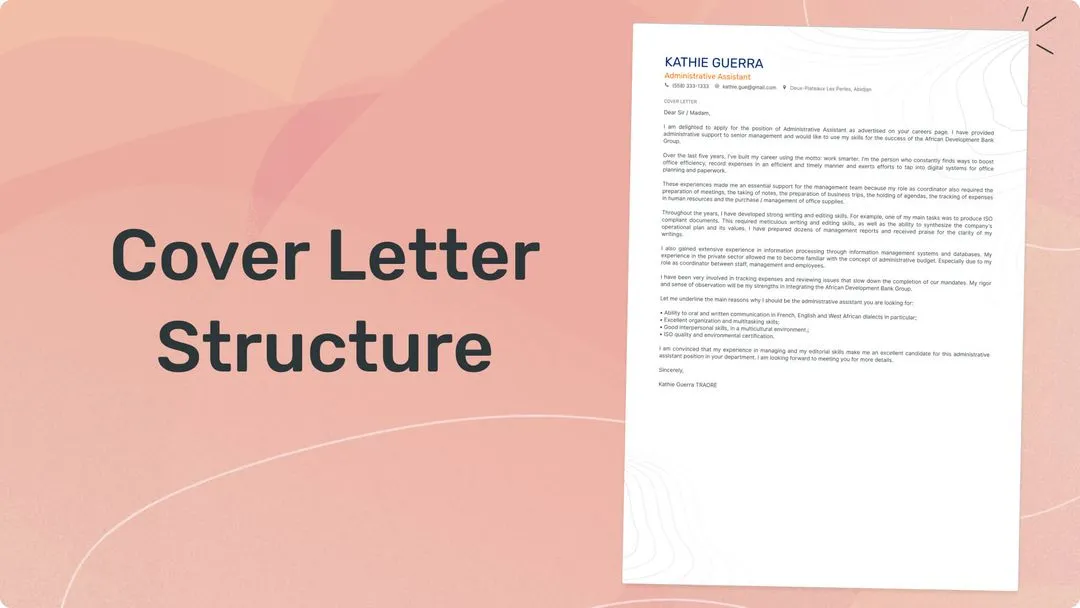
Should You Include a Cover Letter?
The question of whether to include a cover letter with your resume is a common one among job seekers. While a resume provides a snapshot of your skills and experience, a cover letter offers a valuable opportunity to provide context, demonstrate your personality, and showcase your genuine interest in a specific role and company. In today’s competitive job market, a well-crafted cover letter can significantly boost your chances of landing an interview. This article will explore the benefits of including a cover letter, situations where it’s not necessary, and provide actionable tips for writing an effective one. Understanding the nuances of when and how to use a cover letter can make a significant difference in your job search success and help you stand out from other applicants.
The Benefits of Including a Cover Letter
A cover letter is far more than just a formality; it is a powerful tool that can transform your job application. It’s your chance to make a strong first impression and demonstrate the value you bring to a potential employer. Including a cover letter allows you to personalize your application and make a more direct appeal to the hiring manager. It offers a space where you can connect your skills and experience to the specific requirements of the job. It lets you expand on points in your resume and provide a narrative that demonstrates your professional development. A cover letter allows you to differentiate yourself from other applicants and make a memorable impact. By using it effectively, you can convince employers of your suitability for the role.
Showcasing Your Personality and Enthusiasm

A cover letter provides the perfect platform to inject your personality and enthusiasm into your application. A resume can sometimes feel impersonal and factual, but a cover letter allows you to express your passion for the role and the company. Use this opportunity to convey your genuine excitement about the opportunity. Share what interests you most about the position. Show your interest in the organization’s mission or values. Demonstrating this level of engagement can set you apart from other applicants who may appear more generic. Let your personality shine through, and let the employer get a sense of who you are as a professional. This personal touch can make your application more memorable.
Highlighting Relevant Skills and Experience
While your resume lists your skills and experience, your cover letter lets you highlight the most relevant aspects for the specific job. Use the cover letter to connect your past experiences to the requirements of the role. Provide concrete examples of how you have used your skills. Explain how your experience has prepared you to succeed in the position. This targeted approach shows the hiring manager that you understand the role and can quickly add value. By focusing on the most important skills and experiences, you create a compelling narrative that immediately connects your qualifications to the job’s needs. This direct approach improves your chances of getting noticed.
Addressing Specific Job Requirements
A cover letter provides an ideal opportunity to address the specific requirements outlined in the job description. Go through the job posting, understand the most important skills, and demonstrate how you meet these needs. Tailor your cover letter to the specific job, and include the keywords and phrases used in the job posting. Showing that you have carefully read the job description and can deliver what the employer wants greatly increases your chances. By directly addressing the job requirements, you demonstrate your understanding of the position. This strategic approach signals to the hiring manager that you are a serious candidate who has taken the time to research and understand the opportunity.
When a Cover Letter Isn’t Necessary

While cover letters can be incredibly beneficial, there are a few situations where they might not be strictly necessary. Understanding these scenarios can save you time and help you tailor your application strategy more effectively. Always consider the context of the job application and the culture of the company to decide if a cover letter is needed. Knowing when a cover letter is not necessary allows you to adjust your approach and focus your energy on other aspects of your application. This awareness can ensure you present yourself in the best possible light.
The Application Doesn’t Request One
Sometimes, the job application instructions might explicitly state that a cover letter is not required. In these cases, it’s best to follow the instructions. Submitting a cover letter when it’s not requested could be seen as a disregard for instructions, or it might suggest you haven’t paid attention to the details. Always read the application requirements carefully and submit only what’s asked for. If a cover letter is optional, it can be a good idea to include one. Make sure it adds significant value to your application and is not just a generic letter.
Your Resume is Already Comprehensive
In some cases, your resume may already provide a comprehensive overview of your skills and experience. This is particularly true if you are applying for an entry-level position. In these situations, writing a cover letter might feel repetitive. If your resume clearly demonstrates your qualifications and matches the job requirements, a cover letter might not add much value. If this is the case, consider focusing on customizing your resume to align with the specific job or role. Ensure the resume emphasizes the key points needed to make a good impression. A tailored resume can be as effective as a resume and cover letter combination.
Focusing on the Most Relevant Information

When deciding whether to include a cover letter, think about the most important information you want to convey. If your resume provides a complete picture of your qualifications and the job description doesn’t highlight unique skill requirements, you may choose to focus only on your resume. Evaluate the job posting and your resume together. Determine whether a cover letter would provide any additional value. In cases where the resume is sufficient, you can avoid spending extra time and energy. Instead, concentrate on making your resume as strong and relevant as possible.
5 Top Tips for Writing an Effective Cover Letter
Writing a strong cover letter requires careful attention to detail and a strategic approach. To ensure your cover letter stands out, follow these top tips. From tailoring your content to presenting a professional tone, these guidelines will help you create an effective cover letter that enhances your job application and increases your chances of success. Focusing on these key areas will assist you in delivering a compelling application. With these tips, you can ensure your cover letter makes a strong impression on any potential employer.
Tailor to Each Job Application
One of the most important tips for writing an effective cover letter is to tailor it to each job application. Never use the same generic cover letter for all applications. Customize your cover letter to match the specific requirements of each job you apply for. Highlight how your skills and experience align with the role’s needs. Mention specific details from the job description to show you’ve paid attention. Customization shows that you’ve taken the time to understand the job and that you’re genuinely interested in the opportunity. This personal touch demonstrates your serious interest, making it much more impactful than a general letter.
Research the Company and the Role

Before writing your cover letter, take the time to research the company and the specific role you’re applying for. Visit the company’s website, read about their mission, values, and recent news. Understand the responsibilities and expectations of the job. Use this information to personalize your cover letter. Show that you understand the company’s goals and how you can contribute. Tailor your cover letter to the company culture and the specific needs of the position. This extra effort demonstrates your level of interest and commitment. It also helps your cover letter stand out from others.
Keep It Concise and Focused
Keep your cover letter concise and focused. Recruiters and hiring managers are busy, so they appreciate a cover letter that gets to the point quickly. Aim for one page or less, and focus on the most important information. Highlight your key skills and experiences, and explain why you are a good fit for the role. Avoid rambling or including unnecessary details. A well-written, concise cover letter is more likely to be read and appreciated. Keep your language clear and avoid using excessive jargon. Be direct, and get straight to the point. This helps to make a positive impression.
Proofread for Errors
Always proofread your cover letter carefully for any errors in grammar, spelling, and punctuation. Even minor mistakes can create a negative impression and undermine your credibility. Ensure your writing is polished and professional. Read your cover letter aloud to catch any awkward phrasing. Ask a friend or family member to review it as well. Proofreading demonstrates your attention to detail and commitment to quality. A flawless cover letter shows that you care about your application. So, check every detail before sending it.
Use a Professional Tone

Maintain a professional tone throughout your cover letter. While you can express your personality and enthusiasm, it’s important to keep your writing professional and respectful. Use formal language and avoid slang or casual phrases. Address the hiring manager by name, if possible. If you don’t know the name, use a professional greeting such as ‘Dear Hiring Manager.’ Present yourself in a way that reflects your professionalism and seriousness about the role. A professional tone conveys that you take your career seriously and are ready for this job.
In conclusion, the decision to include a cover letter with your resume depends on several factors, including the job requirements and the specific role you are seeking. While a cover letter is not always mandatory, it presents a valuable chance to make a great first impression. By showcasing your personality, highlighting relevant skills, and directly addressing job requirements, you can significantly enhance your job application. Always carefully consider the job requirements and the company culture when deciding whether to include a cover letter. Using the right tips and techniques, you can ensure your cover letter sets you apart and improves your prospects of securing an interview.