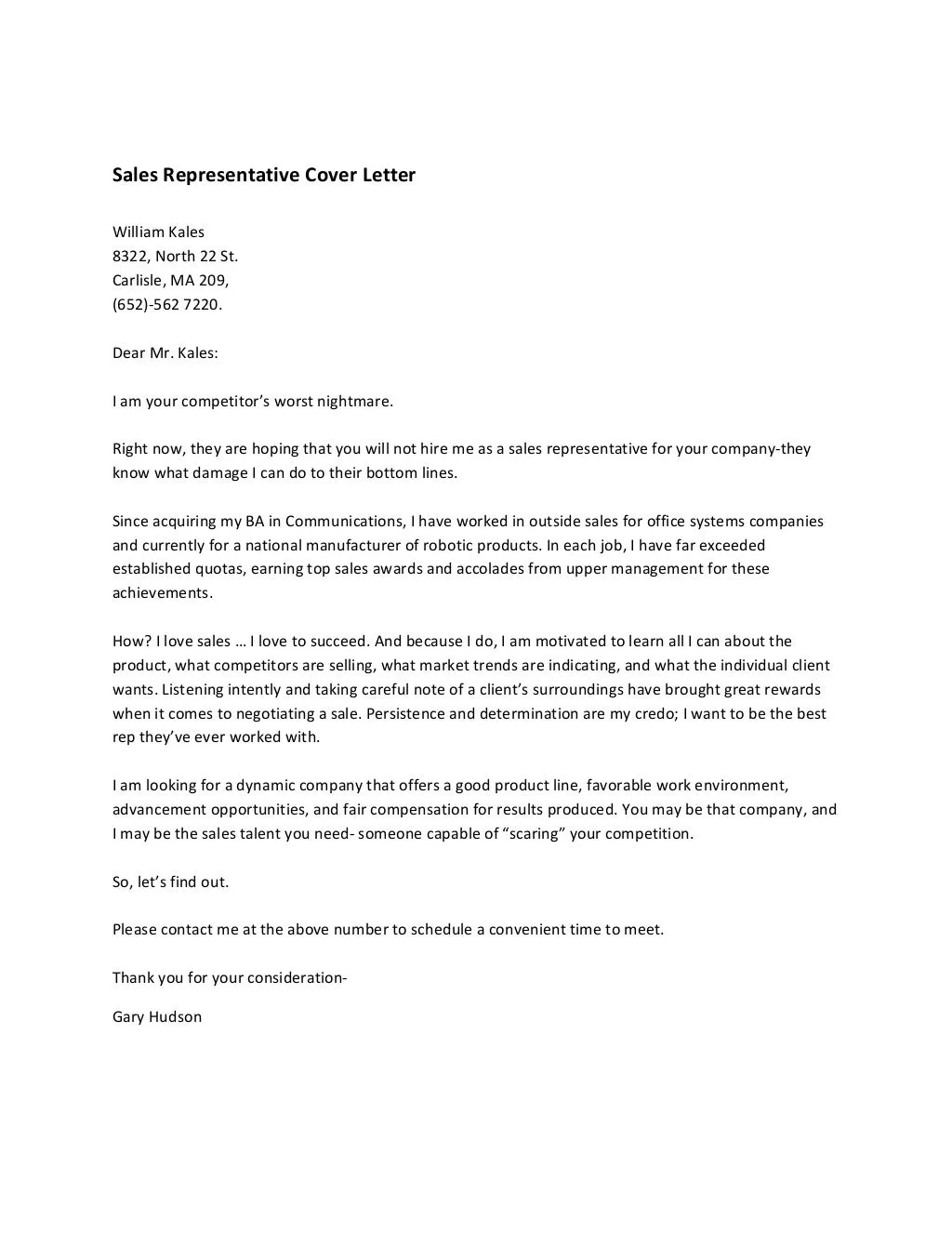
Landing your dream sales representative role starts with a stellar cover letter. Your cover letter is your first impression, a chance to showcase your skills, experience, and personality to potential employers. It’s your opportunity to stand out from the crowd and convince the hiring manager that you’re the perfect fit for the job. But what makes a winning sales cover letter? This guide dives into the top 7 tips to craft a cover letter that grabs attention and gets you an interview, ensuring you present yourself as the best candidate possible. By implementing these strategies, you can significantly increase your chances of success in the competitive world of sales.
Crafting a Compelling Sales Cover Letter
A compelling cover letter should immediately grab the reader’s attention. It must convey your enthusiasm, showcase your relevant skills, and demonstrate your understanding of the sales role and the company. Begin with a strong opening statement that highlights your interest in the position and quickly summarizes your most impressive qualifications. The body of the letter should elaborate on these qualifications, providing specific examples and quantifiable results. Remember, a well-crafted cover letter is not just a summary of your resume; it’s a narrative that tells the story of your sales career and highlights your unique value proposition. Focus on how you can contribute to the company’s goals and why you are the ideal candidate.
Highlighting Your Sales Achievements
Your sales cover letter should be a testament to your past successes. Avoid simply listing your responsibilities; instead, focus on your accomplishments and how you exceeded expectations in previous roles. Use specific examples to illustrate your ability to generate leads, close deals, and exceed sales targets. Highlight any awards, recognition, or special achievements you’ve received. This section is crucial because it provides concrete evidence of your capabilities and demonstrates your track record of success. Potential employers want to see that you’ve not only met but surpassed goals in the past.
Quantifying Your Success with Numbers

Numbers speak louder than words in the sales world. Whenever possible, quantify your achievements with specific metrics. Instead of saying “Increased sales,” say “Increased sales by 25% in one quarter.” Instead of “Managed a large client base,” state “Managed a portfolio of 100+ clients.” Including numbers adds credibility to your claims and provides concrete evidence of your impact. Metrics such as revenue generated, deals closed, conversion rates, and customer acquisition costs are all excellent examples of quantifiable achievements. Using these metrics makes your cover letter more persuasive and helps potential employers quickly assess your value.
Using Action Verbs Effectively
Action verbs make your cover letter dynamic and engaging. Start each bullet point or sentence describing your achievements with a strong action verb, such as “achieved,” “exceeded,” “managed,” “developed,” or “implemented.” These verbs bring your accomplishments to life and demonstrate your proactive approach to sales. For example, instead of “Responsible for managing client relationships,” use “Cultivated and maintained relationships with key clients, resulting in a 15% increase in customer retention.” Choose verbs that accurately reflect your actions and skills, showing how you have driven results in previous roles. This makes your cover letter much more impactful.
Showcasing Your Skills and Experience
Your cover letter should clearly demonstrate your relevant skills and experience. The best cover letters match the job description’s requirements, highlighting the skills and experiences that align with the role. The goal is to prove that you have the skills and experience necessary to excel in the position. If the job description emphasizes lead generation, showcase your experience in that area. If it mentions CRM software proficiency, mention your experience with specific CRM systems. By demonstrating your capabilities in the specific areas required, you will immediately appeal to the hiring manager and significantly increase your chances of getting an interview.
Matching Your Skills to the Job Description

Carefully review the job description and identify the key skills and requirements the employer is seeking. Then, tailor your cover letter to directly address these requirements. Use the same keywords and phrases from the job description to demonstrate that you possess the necessary skills and experience. This targeted approach shows that you’ve read the job description carefully and understand the specific needs of the role. Customize your cover letter to fit each job application. A generic cover letter won’t resonate with hiring managers. Tailoring shows attention to detail and genuine interest in the position.
Tailoring Your Cover Letter for Each Application
Never use a one-size-fits-all cover letter. Every company and job is unique. Customize your cover letter for each application, and show that you have done your homework. This includes mentioning the company’s name, the specific role you’re applying for, and how your skills align with their needs. This level of personalization tells the hiring manager that you are genuinely interested in the position and have taken the time to understand the company. Even small tweaks, such as changing a sentence or two to reflect the specific requirements of the job, can significantly improve your chances of getting noticed.
Demonstrating Your Knowledge of the Company
Showing that you understand the company’s mission, values, and recent achievements demonstrates your genuine interest in the role. Research the company thoroughly before writing your cover letter. Visit their website, read their press releases, and check their social media profiles to gain insight into their culture, products, and recent news. Mention specific aspects of the company that appeal to you, and explain how your skills and experience can contribute to their goals. This shows that you’ve gone the extra mile and are not just applying for any job but specifically the job with that particular company.
Researching the Company’s Mission and Values

Before writing your cover letter, delve deep into the company’s mission statement and core values. Understand what the company stands for and what it aims to achieve. This knowledge will allow you to align your cover letter with the company’s culture and demonstrate that you are a good fit. Mention specific company values in your cover letter, showing how your skills and experience align with those values. For example, if the company values innovation, highlight your ability to generate new ideas and implement creative solutions. This will make your application more compelling and show you’re a great fit.
Personalizing Your Letter to the Hiring Manager
If possible, address your cover letter to the hiring manager by name. This personal touch makes your application stand out. You can often find the hiring manager’s name on the company’s website or LinkedIn. If you can’t find the hiring manager’s name, you can use a general greeting such as “Dear Hiring Manager.” It adds a level of personalization that shows you have taken the time to do your research and are serious about the opportunity. A personalized cover letter shows you’re not just another applicant; you’re a person interested in a specific role and company.
Formatting Your Cover Letter Professionally
The format of your cover letter is just as important as its content. A well-formatted cover letter is easy to read, visually appealing, and reflects your professionalism. Use a professional font, such as Arial or Times New Roman, and ensure your text is well-organized. Use clear headings and bullet points to break up large blocks of text and make your key points easy to find. Proper formatting shows attention to detail and indicates that you take pride in your work. A clean, well-organized cover letter tells the hiring manager that you are organized and prepared.
Choosing a Clear and Concise Format
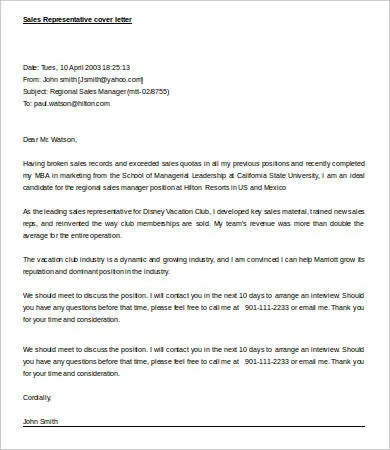
Keep your cover letter concise and to the point. Aim for one page, and make every word count. Use clear, simple language and avoid jargon or overly complex sentences. The key is to provide relevant information efficiently, making it easy for the hiring manager to quickly understand your qualifications. Use strong opening and closing statements to make a lasting impression. Make sure your contact information is clear and easy to find. The goal is to make it easy for the hiring manager to quickly see why you are the best fit for the job.
Proofreading for Errors and Typos
Proofreading is one of the most crucial steps in writing a winning cover letter. Errors and typos can immediately damage your credibility and give the impression that you are not detail-oriented. Before submitting your cover letter, proofread it carefully, and consider having a friend or colleague review it as well. Ensure that your grammar, spelling, and punctuation are perfect. A cover letter free of errors demonstrates your professionalism. Proofreading is essential, as a single error can be the difference between getting an interview and getting your application rejected.
Including a Strong Call to Action
End your cover letter with a strong call to action that encourages the hiring manager to take the next step. Express your enthusiasm for the role and reiterate your interest in the company. Invite the hiring manager to contact you to schedule an interview. Make it clear that you are eager to discuss the opportunity further. This shows confidence and initiative and leaves the hiring manager with a clear path to follow. Be specific about your availability and make it easy for them to contact you.
Expressing Your Enthusiasm for the Role

Convey your enthusiasm for the sales representative role in your closing paragraph. Show that you are excited about the opportunity to contribute to the company’s success. Mention specific aspects of the job or the company that excite you and reiterate your belief that you are a good fit. The goal is to leave a lasting positive impression and make the hiring manager want to learn more about you. Expressing enthusiasm can be a powerful way to distinguish yourself from other candidates.
Providing Contact Information and Availability
Ensure your contact information is easy to find and correct. Include your phone number, email address, and LinkedIn profile URL. Also, mention your availability for an interview. Make it easy for the hiring manager to reach you, and show that you are proactive about the hiring process. A clear and easy-to-find contact makes it convenient for the employer to move forward with your application. Make sure your contact information is up-to-date.
In conclusion, crafting a winning sales cover letter requires careful planning, attention to detail, and a strong understanding of what employers are looking for. By following these 7 tips, you can create a cover letter that showcases your skills, highlights your achievements, and gets you noticed. Remember to tailor your cover letter for each application, proofread carefully, and include a strong call to action. By putting in the effort, you’ll increase your chances of securing an interview and landing your dream sales representative role. Good luck with your job search!