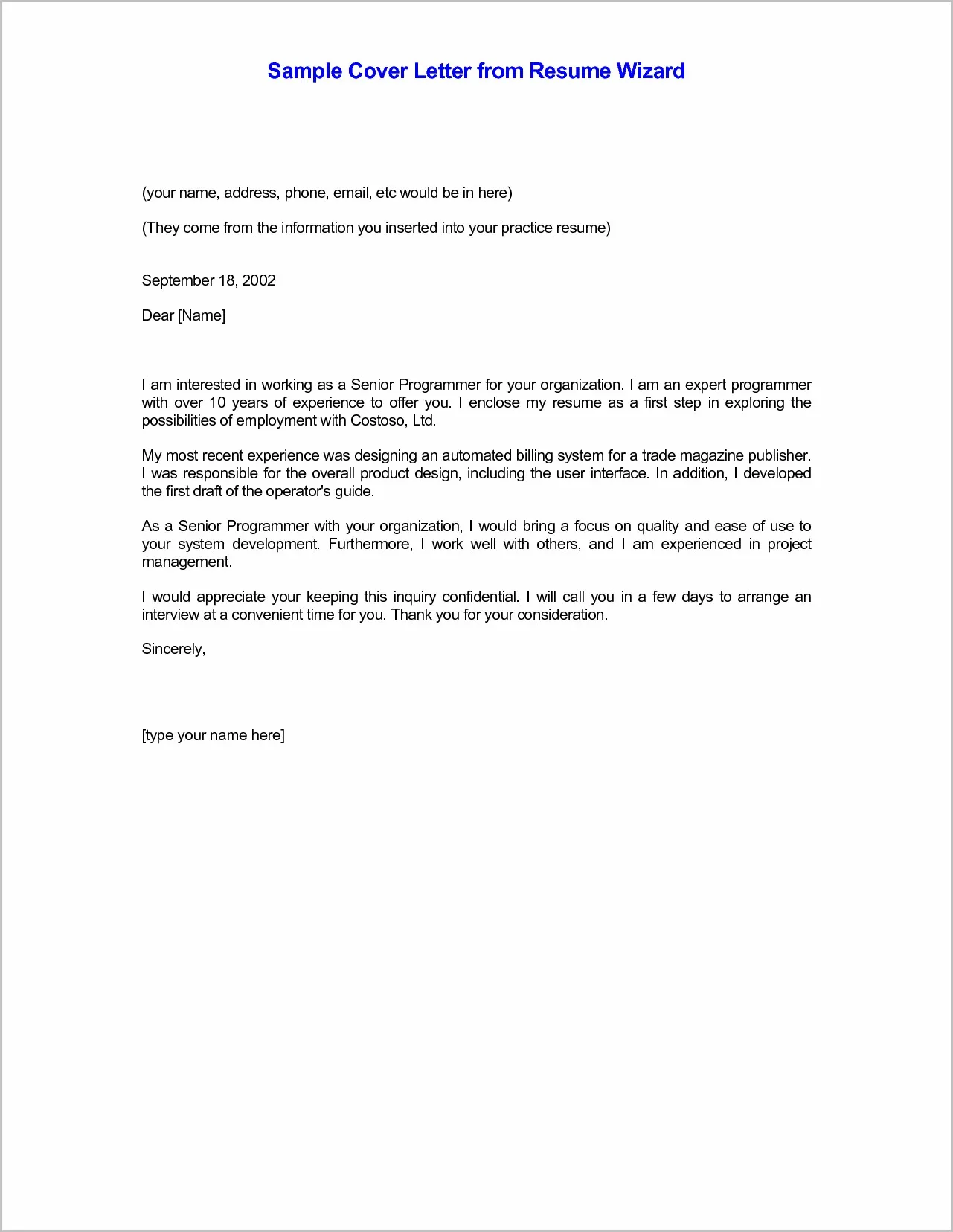
Why a Resume Email Cover Letter Matters
In today’s competitive job market, a well-crafted resume email cover letter is essential for making a positive first impression. It serves as your introduction, allowing you to highlight your key skills, experiences, and enthusiasm for the position. Unlike a standard resume, a cover letter allows you to showcase your personality, writing style, and ability to communicate effectively. It’s your chance to demonstrate why you’re the perfect fit for the specific role and company. A strong cover letter can significantly increase your chances of getting noticed and securing an interview, making it a critical component of any job application strategy. This document provides context to your resume and helps the hiring manager quickly understand your value proposition.
Highlighting Key Skills and Experiences
Your resume email cover letter should immediately grab the reader’s attention by highlighting your most relevant skills and experiences. Identify the key requirements listed in the job description and tailor your letter to address them directly. Provide specific examples of how you’ve utilized these skills to achieve results in previous roles. Use action verbs to describe your accomplishments, quantifying them whenever possible to demonstrate the impact you’ve made. For instance, instead of saying ‘Managed social media accounts,’ you could write ‘Increased social media engagement by 30% in six months by implementing a new content strategy.’ This targeted approach shows the hiring manager that you’ve read the job description and understand their needs.
Customizing Your Email for Each Application

One of the biggest mistakes job seekers make is sending generic cover letters. To stand out, personalize each cover letter for the specific job and company. Research the company’s values, culture, and recent projects. Mention something specific that resonates with you, demonstrating your genuine interest. Reference the hiring manager’s name if you can find it (always double-check the spelling). Explain why you’re particularly interested in this role and how your skills align with their needs. Tailoring your letter shows you’ve invested time and effort, making you a more attractive candidate. Avoid using templates; instead, start with a fresh document for each application to ensure it’s unique and relevant.
Crafting a Compelling Subject Line
The subject line is the first thing a hiring manager sees, so make it count. It should be clear, concise, and grab their attention. Include the job title and your name. For example, ‘Application for Marketing Manager - Jane Doe.’ Avoid generic subject lines like ‘Resume’ or ‘Job Application.’ Some companies may use applicant tracking systems (ATS) that scan subject lines for specific keywords, so referencing the job title can help your application get noticed. A well-crafted subject line ensures your email doesn’t get lost in the inbox and increases the likelihood of the hiring manager opening it. Test different subject lines to see which ones get the best response.
Formatting Your Email for Readability
Your resume email cover letter should be easy to read on any device. Use a professional and clean font like Arial or Times New Roman, with a font size between 10 and 12 points. Break up the text into short paragraphs, making it easier for the reader to digest the information. Use bullet points to highlight key skills or accomplishments. Ensure there is adequate white space between lines and sections. Proofread your email carefully for any grammatical errors or typos. A well-formatted email demonstrates attention to detail and professionalism, which are crucial in a job application. Consider previewing your email on different devices (desktop, mobile) to ensure the formatting is consistent and the layout remains clean.
Top 5 Tips for a Resume Email Cover Letter

Tip 1 Customize and Personalize
As mentioned earlier, personalization is key. Don’t send the same cover letter to every job application. Tailor your letter to each specific role and company. Research the company’s mission, values, and recent projects. Mention something that excites you about the specific opportunity and explain why you’re a good fit based on the job requirements. This shows the hiring manager that you’ve taken the time to understand their needs and are genuinely interested in the position. It helps you stand out from the many generic applications they receive.
Tip 2 Keep it Concise
Hiring managers are busy, so keep your cover letter concise and to the point. Aim for a letter that’s no more than one page in length, typically around 250-400 words. Focus on the most relevant information and avoid unnecessary details. Get straight to the point in your opening paragraph by stating the position you’re applying for and where you saw the advertisement. Use bullet points and short paragraphs to make the letter easy to read and scan. Ensure every sentence is clear, and eliminate any jargon or buzzwords that don’t add value.
Tip 3 Highlight Relevant Skills

Your cover letter should emphasize the skills and experiences that directly match the job requirements. Carefully review the job description and identify the key qualifications the employer is seeking. Then, showcase your relevant skills with specific examples of how you’ve used them to achieve success in previous roles. Quantify your accomplishments whenever possible using numbers and data to demonstrate your impact. This helps the hiring manager quickly assess your qualifications and see how you can add value to their team. Use action verbs to make your descriptions more dynamic and engaging.
Tip 4 Proofread Meticulously
Typos and grammatical errors can immediately disqualify you from consideration. Before sending your resume email cover letter, proofread it carefully for any mistakes. Use a grammar checker tool and ask a friend or family member to review it as well. Pay close attention to spelling, punctuation, and sentence structure. Ensure the tone is professional and the writing is clear and concise. A polished and error-free cover letter demonstrates attention to detail and respect for the hiring manager’s time. This is an essential step to make a positive first impression.
Tip 5 Include a Strong Call to Action
End your cover letter with a strong call to action that encourages the hiring manager to take the next step. Clearly state that you’re eager to discuss your qualifications further and that you’re available for an interview. Include your phone number and email address so they can easily contact you. Thank the hiring manager for their time and consideration. A strong call to action shows that you’re proactive and enthusiastic, increasing the chances of getting a positive response. Make it easy for them to contact you, and express your eagerness to learn more about the opportunity.
Key Components of an Effective Cover Letter Email

Contact Information and Salutation
Start your email with your contact information, including your name, phone number, email address, and LinkedIn profile URL (if you have one). Then, address the hiring manager by name if possible. Research their name on the company website or LinkedIn. If you’re unable to find a name, use a professional salutation like ‘Dear Hiring Manager.’ Avoid generic greetings such as ‘To Whom It May Concern,’ as they are impersonal. Addressing the specific person makes the email feel more personal and demonstrates that you’ve taken the time to do some research.
Opening Paragraph Grab Attention
The opening paragraph should immediately grab the reader’s attention. State the position you’re applying for and where you saw the advertisement. Then, briefly highlight your key skills and experience. Express your enthusiasm for the role and the company. This is your chance to make a strong first impression and encourage the hiring manager to continue reading. Make sure your opening is concise and engaging, setting the tone for the rest of the letter. This is the first impression so should be concise, and attention-grabbing, setting the tone for the rest of your application.
Body Paragraphs Showcase Your Value

Use the body paragraphs to elaborate on your skills, experiences, and accomplishments. Provide specific examples of how you’ve used your skills to achieve results. Quantify your achievements whenever possible, using numbers and data to demonstrate your impact. Tailor your content to the specific requirements of the job description, aligning your skills and experiences with the employer’s needs. Use action verbs to describe your accomplishments, and keep the language professional. This is where you convince the hiring manager that you’re the ideal candidate. Focus on showcasing your value proposition and explaining why you’re the best fit for the job.
Closing Paragraph and Call to Action
In your closing paragraph, summarize your interest in the position and reiterate your enthusiasm. Thank the hiring manager for their time and consideration. Include a strong call to action, such as stating your availability for an interview and providing your contact information. Reiterate your interest in discussing your qualifications further, and make it easy for them to contact you. End with a professional closing, such as ‘Sincerely’ or ‘Best regards.’ A strong closing reinforces your interest and makes it easy for the hiring manager to take the next step.
Dos and Don’ts of Resume Email Cover Letters
What to Include

- Your contact information
- A personalized greeting
- A clear statement of the position you’re applying for
- A brief overview of your relevant skills and experience
- Specific examples of your accomplishments
- A strong call to action
- A professional closing
What to Avoid
- Generic cover letters
- Typos and grammatical errors
- Irrelevant information
- A lack of personalization
- A long or rambling letter
- Negative language or complaining
- Sending your cover letter as an attachment unless specifically requested