Why You Need a Relocation Cover Letter
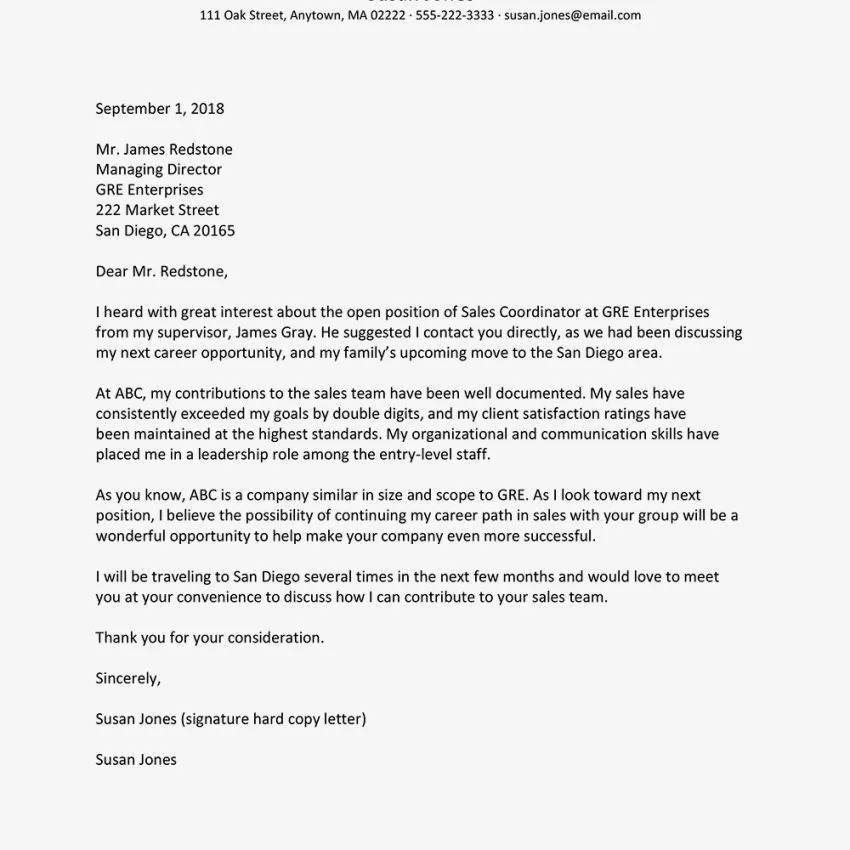
A relocation cover letter is more than just a formality; it’s your opportunity to proactively address the elephant in the room: your willingness and ability to move for the job. When applying for positions in a new city or state, a standard cover letter might not suffice. This is where a well-crafted relocation cover letter steps in, providing essential details that convince the hiring manager you are a serious candidate and have a concrete plan. Without this specific letter, your application might be overlooked, as the employer may assume you haven’t fully considered the logistics of relocating. It showcases your proactive approach and shows your commitment.
Highlighting Your Interest in the Role
Start by expressing your genuine enthusiasm for the specific role and the company. Show the hiring manager that you’ve done your research and are genuinely interested in the opportunity. Mention specific aspects of the job description that resonate with your skills and career goals. This demonstrates your understanding of the role and shows that you are not just sending out generic applications. Personalize your cover letter to the company by mentioning something specific you admire about their work, culture, or values. This can go a long way in making your application stand out and proving your interest is more than superficial.
Showcasing Relevant Skills and Experience

This is where you connect your skills and experiences to the requirements of the job. Carefully review the job description and identify the key skills and qualifications the employer is seeking. Then, in your cover letter, provide concise examples that showcase how your past experiences and abilities align with those needs. Use action verbs to describe your accomplishments and quantify your achievements whenever possible. For instance, instead of saying “Managed projects,” say “Managed and successfully delivered 10 projects on time and within budget, resulting in a 15% increase in efficiency.” This not only demonstrates your capabilities but also makes your qualifications more tangible and convincing to the hiring manager.
Demonstrating a Clear Understanding of the Company
Before writing your cover letter, spend time researching the company. Visit their website, read their mission statement, explore their social media profiles, and, if possible, read news articles or reviews about them. This research helps you tailor your letter to show that you understand the company’s goals, values, and culture. In your cover letter, you can mention specific projects or initiatives the company is involved in that interest you or align with your own professional values. This shows that you’re not just applying for a job, but that you have a genuine interest in the company. It shows you are serious about this opportunity.
Addressing Relocation Logistically
The most crucial part of a relocation cover letter is addressing the logistics of moving. Be upfront and clear about your relocation plans to ease the employer’s concerns. This demonstrates your commitment and makes the hiring manager more confident in your candidacy. By planning ahead, and sharing that plan, you remove doubts from the process.
Specifying Your Timeline and Availability

One of the first things a hiring manager will want to know is when you’ll be available to start. In your relocation cover letter, clearly state your expected timeline for relocating and your availability to start work. If you already have a date in mind, provide it. If you are flexible, mention your willingness to move on a mutually agreeable schedule. If possible, provide a range, such as “I am available to relocate and begin work within four to six weeks of receiving a job offer.” This shows that you have thought through the practical aspects of moving and are ready to act on them. Include a statement that demonstrates that you are eager to take on the role as soon as you are able, or soon after.
Mentioning Your Financial Plan
Address how you plan to manage the financial aspects of relocation. While you don’t need to go into extreme detail, mentioning your plan to cover moving expenses shows you’ve considered the financial implications. You might state that you have savings to cover initial moving costs or that you are familiar with relocation assistance programs. If the company offers relocation assistance, briefly mention your interest in learning more about it. If you’re bearing the costs yourself, make that clear. This demonstrates your resourcefulness and financial responsibility, which are attractive qualities to any employer.
Outlining Your Research on the Location
Show that you’ve taken the initiative to research the new location. Mention that you’ve researched housing options, neighborhoods, and local amenities. Demonstrate that you’re not just moving blindly, but that you’re making an informed decision. This can include mentioning schools for your children, local community organizations, or any other factors that are relevant to your personal situation. Such details show the employer that you have seriously considered the move and are prepared to integrate into the community. Be enthusiastic, not only about the role but also the location itself.
Tailoring Your Letter for Different Roles

The approach to your relocation cover letter should be tailored to the seniority of the role. Entry-level, mid-career, and executive positions each warrant a slightly different focus. The important thing is to adapt the letter to suit each specific role and the company’s expectations.
Cover Letter for Entry-Level Positions
For entry-level roles, emphasize your willingness to learn and your enthusiasm for the opportunity. Because you may not have much experience, highlight any relevant internships, volunteer work, or academic projects. Make sure to emphasize your transferable skills, such as communication, problem-solving, and teamwork. If you are a recent graduate, mention your academic achievements and any extracurricular activities. Show the employer that you are eager to start your career and are prepared to dedicate yourself to the role.
Cover Letter for Mid-Career Professionals
Mid-career professionals should focus on showcasing their accomplishments and how their experience can benefit the company. Quantify your achievements whenever possible, such as by including metrics to showcase the impact of your previous work. Highlight your leadership skills, experience with managing teams, and any other relevant skills that align with the job description. Address any career transitions or gaps in employment transparently. If you are making a shift in your career, be sure to show how your experience is relevant. Demonstrate your ability to add value to the company from day one.
Cover Letter for Executive Roles

For executive-level positions, the cover letter should highlight your strategic thinking, leadership abilities, and your understanding of business. Emphasize your experience with strategic planning, budget management, and any prior experience in similar roles. Showcase your ability to drive results and your vision for the company. Demonstrate how your experience and network will bring benefits to the organization. The letter should be concise and professional, focusing on high-level achievements and your understanding of the industry. Demonstrate your ability to lead and inspire. The company will be looking at your ability to provide strategic vision for the organization.
Best Practices for Writing a Relocation Cover Letter
Like any cover letter, a relocation cover letter should adhere to specific best practices. These steps will ensure your letter reflects the professional quality and attention to detail that employers seek. Following these guidelines will not only make your letter more effective but also increase your chances of getting an interview.
Formatting and Tone Tips
Maintain a professional tone throughout the letter. Use clear, concise language, avoiding jargon or overly casual phrasing. The formatting should be clean and easy to read, with appropriate use of white space. Use a standard business letter format, including your contact information, the date, and the employer’s contact information. Keep your letter to one page and use the appropriate font, such as Times New Roman or Arial. Ensure that you avoid any grammatical errors, as a mistake can detract from the professionalism of your application. Proofread your letter multiple times and get feedback from a trusted friend or colleague.
Proofreading and Editing Your Letter
Thoroughly proofread and edit your cover letter before submitting it. Errors in grammar, spelling, or punctuation can make a negative impression on the hiring manager. Take your time, and review your letter carefully. Read your letter aloud to catch any awkward phrasing or unclear sentences. Consider using grammar and spell-check tools to ensure that your letter is error-free. If possible, have a friend, family member, or career counselor review your letter for clarity and accuracy. Getting a second opinion can often help you catch mistakes that you might have missed. Your cover letter represents you and your attention to detail.
Including a Strong Call to Action
Finish your cover letter with a strong call to action. Clearly state your interest in the position and your eagerness to discuss your qualifications further. Provide your contact information, and express your availability for an interview. You might say something like, “I am eager to discuss this opportunity in more detail and am available for an interview at your earliest convenience. Thank you for your time and consideration.” The call to action should encourage the hiring manager to take the next step and reach out to you. End the letter professionally and leave a lasting positive impression.