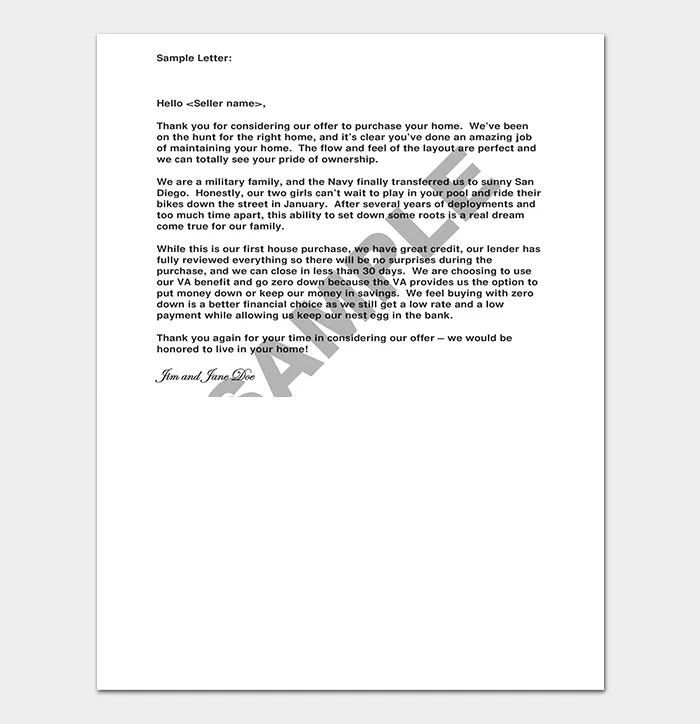
What is a Real Estate Offer Cover Letter
A real estate offer cover letter is a personalized introduction to your offer on a property. It accompanies your formal offer document and aims to persuade the seller to choose your bid over others. Unlike the standard offer, this letter allows you to connect with the seller on a more personal level, highlighting your unique qualifications and motivations. In a competitive market, a well-crafted cover letter can make a significant difference, potentially tipping the scales in your favor. It provides an opportunity to express your genuine interest in the property and differentiate yourself from other potential buyers. By sharing your story and intentions, you humanize the transaction and build rapport, increasing your chances of acceptance.
Why You Need a Cover Letter
In today’s real estate landscape, a cover letter is no longer optional; it’s a strategic advantage. It’s your chance to stand out in a crowd of offers, especially in areas where competition is fierce. Sellers often receive multiple offers, making it crucial to present yourself as the most appealing buyer. A well-written cover letter conveys your serious interest, reinforces your financial stability, and often appeals to the seller’s emotions. Moreover, it can provide context to your offer, explaining any unique circumstances that might influence the seller’s decision. A cover letter demonstrates your professionalism and attention to detail, both qualities that sellers appreciate. It’s a proactive step that can significantly boost your chances of success.
Highlighting Your Strengths

Use the cover letter to showcase why you’re a reliable buyer. This includes highlighting your pre-approval from a lender, any previous experience with homeownership, or any other factors that demonstrate your ability to follow through with the purchase. If you’re a first-time homebuyer, emphasize your commitment and enthusiasm for the property. If you have a strong track record, mention your previous successful real estate transactions. Transparency is key. The goal is to assure the seller that you’re a serious and capable candidate. Avoid making promises you can’t keep and focus on what makes you a trustworthy and dependable buyer, as this builds confidence and can sway the seller.
Showcasing Your Financial Readiness
Include information that proves you are financially capable of purchasing the property. Mention your pre-approval or pre-qualification from a lender, including the amount you’re approved for. If you’re paying cash, provide a proof of funds statement. This reassures the seller that your offer is legitimate and that you have the financial resources available to close the deal. This immediately puts the seller at ease, knowing that financing issues are less likely to derail the sale. Transparency about your financial situation fosters trust and demonstrates your seriousness about the offer. Be straightforward and provide clear, verifiable information to build credibility.
Emphasizing Your Interest in the Property
Express your genuine interest and appreciation for the property. Share what specifically attracts you to this home – perhaps it’s the neighborhood, the architectural style, or a specific feature. Mention any personal connection you might have to the property or its location, which can resonate with the seller on an emotional level. If you plan to make renovations, mention them but be mindful not to offend the current owner. This personalization can make a significant difference, especially if the seller has an emotional attachment to the property. Show that you understand and value what makes the property special and that you’re not just another potential buyer.
How to Make Your Cover Letter Stand Out

Crafting a cover letter that captures the seller’s attention requires careful thought and execution. The goal is to stand out positively from other offers. It’s a delicate balance between professionalism and personalization. Remember that the seller will be reading through multiple offers and cover letters, so your letter must immediately grab their attention. A well-written cover letter is not just about what you say, but also how you say it – the tone, the format, and the overall presentation matter. It must be concise, clear, and free of errors. A memorable cover letter can increase the likelihood of your offer being chosen.
Personalize the Letter
Avoid generic templates and tailor your letter to the specific property and seller. Research the property and the surrounding area. Mention specific features you admire, such as the garden, the view, or a unique architectural detail. If possible, find out something about the sellers – perhaps through the listing agent or public records – and mention it in your letter. Showing that you’ve taken the time to learn about the property and the sellers demonstrates your genuine interest. This personalized approach is crucial for making a lasting impression. By personalizing the letter, you build a more meaningful connection and increase your chances of success.
Keep it Concise
Keep your cover letter brief and to the point. Sellers are busy people, and they don’t have time to read lengthy, rambling letters. Aim for one page, and focus on the most important information. Highlight your key strengths, financial readiness, and personal connection to the property. Use clear, concise language to convey your message effectively. Get straight to the point and avoid unnecessary details. The goal is to present the most compelling information in a concise and easily digestible format. Keep in mind that the letter is a supplement to the offer, not a replacement. It’s meant to provide context, not overwhelm the reader.
Proofread Thoroughly

Before sending your cover letter, carefully proofread it for any grammatical errors, spelling mistakes, or typos. These errors can undermine your credibility and create a negative impression. Ask a friend or family member to read the letter as well, as a fresh pair of eyes can often catch mistakes you might miss. Ensure the letter is well-formatted and easy to read. Poor grammar and spelling errors demonstrate a lack of attention to detail, which can make the seller question your seriousness. A polished, error-free letter conveys professionalism and respect. Proofreading is a critical step in making a positive impression.
Components of a Winning Real Estate Cover Letter
A winning real estate cover letter is more than just a polite introduction. It is a carefully structured document that conveys key information in a clear and compelling way. Each component plays a critical role in presenting you as a serious, financially secure, and enthusiastic buyer. The following sections will help you compose a winning letter that increases your chances of having your offer accepted by the seller. Attention to these details will help you create a cover letter that highlights the strengths of your offer and makes a lasting impression on the seller.
Introduce Yourself and Express Interest
Start your letter by introducing yourself and your family (if applicable). Express your enthusiasm for the property and state why you are interested in it. Mention how you learned about the property and what initially attracted you to it. Use positive and engaging language to convey your excitement. This opening paragraph sets the tone for the rest of the letter and makes a strong first impression. Be genuine and show that you have a genuine interest in the property and the seller. This sets a positive foundation for your offer.
Detail Your Financial Situation
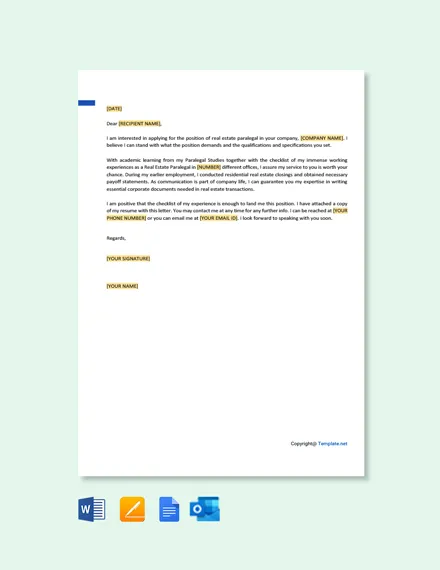
Clearly state your financial preparedness to purchase the property. Mention if you are pre-approved or paying cash. Include the amount you are pre-approved for or provide proof of funds. This section should instill confidence in the seller that you can follow through with the purchase. Including this financial information ensures the seller knows you can afford the property. Provide the seller with peace of mind by presenting clear evidence that your financial position supports your offer. Being transparent here is crucial; it reassures the seller that the deal is likely to close without any financial surprises.
Share Your Personal Connection to the Property
If you have any personal connection to the property or the neighborhood, share it. Talk about why the area appeals to you, how the house fits your lifestyle, or any special memories you have of the area. If you are planning renovations, explain them briefly. This can build an emotional connection with the seller and demonstrate that you genuinely care about the property. Personal anecdotes can make your offer more memorable and make you stand out from the competition. Sharing your intentions with the property can further strengthen the connection between you and the seller.
Close with a Strong Call to Action
End your letter by reiterating your interest and thanking the seller for considering your offer. Include your contact information and your real estate agent’s contact details. Express your availability to answer any questions or provide additional information. A confident and professional closing can leave a positive final impression. Your strong close should reiterate your keen interest, appreciation for the property, and willingness to cooperate. Reiterate the benefits of choosing your offer and express your availability for follow-up conversations, making the seller feel at ease to contact you.
Cover Letter Examples

Reviewing various cover letter examples can give you a solid starting point and inspiration for crafting your own. Different situations call for different approaches, and understanding these variations can help you tailor your letter to your specific circumstances. Adapting examples to fit your individual needs is recommended for creating a truly impactful letter. By analyzing different formats and writing styles, you can gain a better understanding of how to effectively convey your message and increase the likelihood of your offer being accepted. The following examples offer different scenarios to help you create the best cover letter for your individual circumstances.
Cover Letter for First-Time Homebuyers
For first-time homebuyers, your cover letter should highlight your enthusiasm and commitment. Express your excitement about starting your homeownership journey and explain why this particular property is perfect for you. Share your dreams and future plans for the home. Emphasize your pre-approval status and your eagerness to settle in. Demonstrate your financial readiness and reliability. Highlight any connections to the neighborhood or community. Show the seller that you’re not just buying a house, but building a home. A sincere and heartfelt letter can often resonate with sellers, who may remember their own first home purchase.
Cover Letter for Investors
Investors should present a professional and straightforward cover letter. Clearly state your intention for the property, whether it’s for rental income or future resale. Mention any planned renovations or improvements that will enhance the property’s value. Highlight your experience in real estate and your track record. Provide financial details, showing your capacity to manage the investment. Assure the seller that the transaction will be handled professionally and efficiently. Be transparent about your investment strategy. Investors should focus on financial stability and reliability, providing the seller with assurance that the deal will close smoothly and without issues.
Common Mistakes to Avoid

Avoid these common mistakes to ensure your cover letter effectively supports your offer. Paying attention to these pitfalls will increase the chances of success, helping you to avoid any negative impressions and make your offer more appealing. A well-crafted cover letter is a crucial tool that can make the difference between your offer being accepted and being rejected.
Being overly aggressive
Avoid an aggressive or demanding tone. Your cover letter should be friendly and respectful, even if you are eager to get the property. Instead of making demands, express your interest and appreciation. A positive, cooperative tone is much more appealing to sellers. Avoid any language that could be interpreted as disrespectful or presumptuous. Always be polite and show respect for the seller’s decision-making process, as aggressiveness can easily turn off a seller.
Writing too much
Keep your cover letter concise and focused. Avoid writing too much, as sellers do not have the time to read lengthy letters. Highlight only the most important details, and avoid rambling. The goal is to grab the seller’s attention quickly and leave a lasting impression. Be precise and get straight to the point. Short, well-written letters are more likely to be read in their entirety, which helps to emphasize the strengths of your offer without losing the seller’s attention.
Failing to Proofread
Always proofread your cover letter carefully. Typos, grammatical errors, and spelling mistakes can create a negative impression and undermine your credibility. Review the letter several times, and consider having someone else review it as well. Attention to detail reflects your professionalism and commitment. Present a polished, error-free letter to the seller. A mistake-free letter shows that you are serious about the offer and can improve the impression. Proofreading is a vital part of ensuring that your letter is taken seriously.