What Is a Real Estate Cover Letter?
A real estate cover letter is a concise document that accompanies your resume when applying for a job in the real estate industry. It serves as your introduction to a potential employer, allowing you to showcase your personality, skills, and experience in a way that your resume alone cannot. Think of it as your opportunity to make a compelling first impression and persuade the hiring manager to read your resume and consider you for the position. A well-crafted cover letter can significantly increase your chances of getting an interview and ultimately landing your dream real estate job, from entry-level positions to experienced agent roles, and beyond. It demonstrates your genuine interest and provides a space to connect your unique abilities with the specific needs of the role.
Why is a Cover Letter Important in Real Estate?
In the competitive world of real estate, a cover letter is more than just a formality; it’s a crucial tool for standing out. It gives you a platform to explain why you’re the ideal candidate and how your skills align with the company’s values and the specific job requirements. A cover letter lets you elaborate on your accomplishments, providing context and depth to your resume. It’s your chance to personalize your application and demonstrate your genuine interest in the role and the company. A cover letter lets you demonstrate your communication skills, professionalism, and attention to detail, all of which are essential qualities for a successful career in real estate. It helps you to address any potential gaps in your resume, such as career changes or lack of direct experience, and demonstrate your potential to learn and grow within the company.
Key Components of a Winning Real Estate Cover Letter

A successful real estate cover letter comprises several key components that, when combined, create a compelling narrative. Each element plays a pivotal role in capturing the hiring manager’s attention and highlighting your qualifications. The structure of a cover letter isn’t rigid, but following a proven framework ensures you cover all the necessary bases. This section breaks down these essential components, providing insights into how to effectively utilize each element to make your cover letter stand out. We’ll cover the essential elements such as contact information, addressing the hiring manager, and a strong opening statement to highlight your enthusiasm.
Header Your Contact Information
Start with your full name, phone number, email address, and professional LinkedIn profile URL (if you have one). This information should be clearly displayed at the top of your cover letter, making it easy for the hiring manager to contact you. Ensure that your email address is professional and that your voicemail greeting is also polished. This immediate display of your contact details is not just a formality; it’s a crucial part of professionalism, setting the tone for a clear and efficient communication process that will impress potential employers. Double-check all information for accuracy before submitting.
Address the Hiring Manager
Whenever possible, address your cover letter to a specific person. Research the company to find the name of the hiring manager or the person responsible for reviewing applications. Addressing the letter directly demonstrates that you’ve done your homework and are genuinely interested in the role. If you can’t find a name, a general greeting like “Dear Hiring Manager” is acceptable, but personalized salutations show a proactive approach. Proper etiquette, such as using the correct title (Mr., Ms., Dr.) and spelling the name accurately, demonstrates attention to detail and respect.
Crafting the Perfect Opening Paragraph
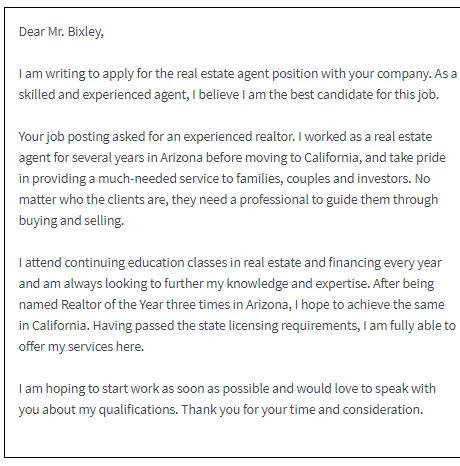
Your opening paragraph is your first chance to grab the hiring manager’s attention. Start with a strong, compelling statement that immediately conveys your interest in the position and the company. Briefly mention where you found the job posting. Clearly state the position you’re applying for and immediately highlight one or two key skills or experiences that make you a good fit. Focus on showcasing your enthusiasm and your understanding of the company’s mission or values. Avoid generic openings; aim for something that shows your personality and your genuine interest in the role. Remember, the opening paragraph is about creating a hook to make the hiring manager want to continue reading.
Highlighting Your Relevant Skills and Experience
The body of your cover letter should focus on your most relevant skills and experiences. Review the job description carefully and identify the key requirements. Provide concrete examples of how you have demonstrated those skills in the past. Quantify your achievements whenever possible. Use action verbs to describe your accomplishments. This section is where you demonstrate how your skills align with the specific needs of the role and how you can contribute to the company’s success. Make it clear that your skills are directly applicable to the responsibilities outlined in the job description. Show, don’t just tell; back up your claims with evidence.
Showcasing Your Achievements and Results
Go beyond listing your job duties and highlight your achievements. Provide specific examples of how you’ve contributed to previous employers’ success. Quantify your results with numbers, percentages, or dollar amounts whenever possible. For example, instead of saying “Increased sales,” say “Increased sales by 15% in six months.” Focus on results-oriented language and demonstrate the value you brought to your previous roles. This could include successful deals, exceeding sales targets, client satisfaction, and positive outcomes from any role. Show how your achievements will benefit the company. Use the STAR method (Situation, Task, Action, Result) to structure your examples and provide a clear and compelling narrative.
Expressing Your Enthusiasm for the Role and Company

Your cover letter should convey your genuine interest in the position and the company. Research the company’s mission, values, and recent news. Mention what specifically attracts you to the role and why you want to work for this company. Show that you understand the company’s industry and its place in the market. Demonstrating your enthusiasm will leave a lasting impression and set you apart from other applicants. Personalize your letter and demonstrate that you are passionate about real estate and eager to contribute to the company’s success. This will leave a positive impression and will make you stand out from the rest.
How to Tailor Your Cover Letter
A generic cover letter is unlikely to impress a hiring manager. Tailoring your cover letter to each job application is crucial for demonstrating your genuine interest and suitability. Read the job description carefully and identify the key requirements and keywords. Adjust your cover letter to highlight the skills and experiences that match those requirements. Don’t just recycle the same letter for every application; personalize it. Research the company and customize your letter to reflect their values and mission. This will show the hiring manager that you’ve taken the time to understand their needs and are genuinely interested in the opportunity. Tailoring your letter makes your application relevant.
Using Keywords in Your Cover Letter
Use keywords from the job description throughout your cover letter. Applicant Tracking Systems (ATS) often scan cover letters and resumes for specific keywords. Integrate relevant terms naturally, but don’t stuff your letter with keywords to the point that it sounds unnatural. Use a variety of related terms and synonyms to demonstrate a broad understanding of the field. Ensure that the keywords you use accurately reflect your skills and experience. By strategically including keywords, you can increase the chances of your cover letter passing through the initial screening process and being reviewed by a human. This will showcase your relevant understanding of the real estate industry.
Formatting Your Cover Letter for Readability

Formatting plays a critical role in the overall readability of your cover letter. Use a professional font like Arial, Times New Roman, or Calibri, in a readable size (11 or 12 points). Use clear and concise language, avoiding jargon and overly complex sentences. Employ ample white space, including margins and paragraph spacing. Break up long blocks of text with bullet points, subheadings, and short paragraphs. Proofread your cover letter carefully for grammatical errors and typos. Ensure consistent formatting throughout the document to create a professional and polished appearance. Properly formatted cover letters are easy to read, making your application stand out.
Proofreading and Editing Your Cover Letter
Thorough proofreading and editing are essential steps in finalizing your cover letter. Carefully review your cover letter for grammatical errors, typos, and punctuation mistakes. Read your cover letter aloud to catch any awkward phrasing or sentence structure issues. Ask a friend or family member to proofread your cover letter as a second set of eyes. Ensure that your cover letter flows logically and that your points are clear and concise. A polished, error-free cover letter demonstrates professionalism and attention to detail. A cover letter with errors can make you look less professional and can hurt your chances of landing an interview, regardless of your qualifications.
What to Avoid in Your Real Estate Cover Letter
Certain elements can significantly diminish the effectiveness of your cover letter. Being aware of common mistakes and pitfalls will help you avoid them and create a more impactful application. This section outlines key areas to be mindful of, helping you present yourself in the most positive light. It’s about understanding what to exclude to increase your chances of success. Avoid common pitfalls and demonstrate professionalism. By knowing what to exclude, you’ll strengthen the impact of your cover letter.
Common Mistakes to Sidestep

Avoid generic cover letters that are not tailored to the specific job or company. Do not include irrelevant information or details that do not support your qualifications. Steer clear of overly long cover letters; aim for one page or less. Do not include negative comments about previous employers or colleagues. Avoid typos, grammatical errors, and formatting inconsistencies. Do not use slang or informal language. Refrain from exaggerating or lying about your qualifications or experience. These mistakes can make you seem unprofessional. Making sure you avoid these common mistakes is critical.
Examples of Weak Cover Letter Phrases
Some phrases can weaken your cover letter and should be avoided. Avoid using generic openings. Instead, personalize your introduction. Steer clear of phrases such as “I am writing to apply for the position.” Avoid self-centered language. Do not use passive voice. Phrases that express a lack of confidence, such as “I think” or “I believe,” should be omitted. Do not include clichés or overused phrases. Phrases that lack specificity or do not provide concrete examples should also be avoided. Ensure the tone is confident and professional. Using strong, specific language improves your chances of success.
Finalizing and Submitting Your Cover Letter
Before submitting your cover letter, carefully review all the details to ensure accuracy and professionalism. Save your cover letter in a professional format, such as PDF, to preserve the formatting. If the job posting specifies a particular format for submission, follow those instructions precisely. Proofread your cover letter one last time for errors. Double-check the contact information for the hiring manager and company. Attach your cover letter and resume to your email or submit them through the online application portal. Follow up with the hiring manager if appropriate, but avoid being overly persistent. Submitting a polished cover letter is the final step to a good application.
Next Steps After Submission
After submitting your cover letter, it’s important to follow up and manage the next steps effectively. Be patient. Wait a reasonable amount of time before contacting the hiring manager. Send a thank-you note if you were interviewed. Continue your job search. Be ready to answer any questions. Review your performance after each application. Learning from each step of your job search process can help you improve. Staying proactive and informed will increase your chances of landing your dream real estate job. Consider this as a process of continuous development.