Understanding the Public Health Officer Role
A Public Health Officer plays a critical role in safeguarding the well-being of communities. Their responsibilities span a wide range, from disease prevention and health promotion to emergency preparedness and environmental health. Understanding the scope of this role is the first step in crafting a cover letter that effectively showcases your qualifications and passion. These professionals work at the forefront of public health, implementing strategies, conducting investigations, and educating the public to improve health outcomes. They are often the bridge between science and community, working to translate complex health information into actionable insights. The ability to navigate this multifaceted role is key to success.
Key Responsibilities of a Public Health Officer
Public Health Officers are tasked with various duties that contribute to the overall health of the populace. Some core responsibilities include: conducting health assessments and epidemiological studies; developing and implementing public health programs and interventions; responding to public health emergencies and outbreaks; educating the community on health-related issues; and collaborating with various stakeholders, such as healthcare providers, government agencies, and community organizations. Their work often involves data analysis, policy development, and program evaluation to ensure that public health initiatives are effective and impactful. A cover letter should highlight experiences that align with these key responsibilities.
Essential Skills for Success as a Public Health Officer

To excel in the field, Public Health Officers need a diverse skill set. These include strong analytical and critical thinking abilities for data interpretation and problem-solving; excellent communication and interpersonal skills for interacting with diverse populations and conveying complex information effectively; leadership and management skills for program development and team coordination; proficiency in research methods and data analysis; and a thorough understanding of public health principles and practices. Demonstrating these skills in your cover letter is essential. Moreover, adaptability, cultural sensitivity, and a commitment to continuous learning are crucial for navigating the evolving challenges in public health.
Crafting a Compelling Cover Letter
A well-crafted cover letter is your chance to make a strong first impression and highlight why you are the perfect candidate for the Public Health Officer position. It should be tailored to the specific job and showcase your relevant skills, experience, and passion for public health. The key is to go beyond simply listing your qualifications; you need to tell a story that demonstrates how your past experiences and abilities align with the job’s requirements. By personalizing your cover letter, you show that you have invested time and effort in understanding the role and are genuinely interested in the opportunity. It should reflect your understanding of the organization’s mission and values and your enthusiasm for contributing to their goals.
Header and Contact Information
Begin your cover letter with a professional header that includes your name, address, phone number, and email address. Also, include the date and the recipient’s information (name, title, and the organization’s address). Ensure that your contact information is accurate and up-to-date. This section sets the tone for your letter and makes it easy for the hiring manager to contact you. Formatting should be clear and concise.
The Opening Paragraph Grab Attention

Start with a strong opening paragraph that grabs the reader’s attention. This should be a concise and engaging statement that expresses your interest in the position and highlights why you are a great fit. You might mention a specific achievement, a relevant experience, or your passion for public health. Avoid generic openings; instead, tailor your introduction to the specific job and organization. Your opening should make the hiring manager want to read more.
Highlighting Your Relevant Experience
The body of your cover letter should focus on your relevant experience. Select the experiences that best align with the job requirements outlined in the job description. Use the STAR method (Situation, Task, Action, Result) to provide specific examples of your accomplishments. This helps to illustrate your skills and abilities in action. Focus on quality over quantity, choosing experiences that demonstrate the impact of your work. Whenever possible, use data and metrics to quantify your achievements.
Quantifying Achievements and Results
Use numbers and data to quantify your achievements. Instead of saying ‘Improved program efficiency,’ state ‘Improved program efficiency by 15% through process optimization.’ Quantifiable results demonstrate the tangible impact of your work. Consider the metrics most relevant to the role, such as the number of people served, the reduction in disease rates, or the efficiency gains achieved. This approach gives the hiring manager a clear understanding of your capabilities and potential contributions.
Showcasing Your Skills and Qualifications

Clearly showcase the skills and qualifications that align with the job requirements. Refer back to the job description and identify the key skills and abilities the employer is seeking. Use specific examples from your past experiences to demonstrate these skills. Highlight your analytical skills, communication abilities, problem-solving skills, and any technical expertise that is relevant to the position. Make sure your skills are clearly stated and supported by evidence.
Tailoring the Cover Letter to the Job Description
Each cover letter should be customized to the specific job you are applying for. Review the job description carefully and identify the key requirements and keywords. Use these keywords throughout your cover letter to demonstrate that you possess the necessary qualifications. This demonstrates that you have researched the role and are genuinely interested in the opportunity. Generic cover letters are easy to spot; tailoring shows that you are serious about the position.
Demonstrating Your Passion for Public Health
Express your passion for public health throughout your cover letter. Briefly describe why you are drawn to the field and what motivates you to pursue a career in public health. Discuss any personal experiences or values that connect you to the organization’s mission. Show that you are not just seeking a job, but that you are committed to making a positive impact on community health. Your enthusiasm will set you apart from other candidates.
Adding a Call to Action

Conclude your cover letter with a clear call to action. Express your interest in an interview and provide your contact information again. State that you are available to discuss your qualifications further and are eager to learn more about the position. This is the final opportunity to reinforce your enthusiasm and encourage the hiring manager to take the next step.
Formatting and Proofreading Your Cover Letter
The presentation of your cover letter is as important as its content. A well-formatted and error-free letter demonstrates professionalism and attention to detail. Poor formatting and errors can undermine your credibility, regardless of your qualifications. Paying attention to the details shows that you are serious about the opportunity.
The Importance of Proper Formatting
Use a professional font, such as Times New Roman, Arial, or Calibri, and maintain a consistent font size throughout the letter (typically 11 or 12 points). Use clear and concise language, and break up long paragraphs to make the letter easier to read. Use proper spacing and margins to enhance readability. Ensure the letter is well-structured with appropriate headings and subheadings. A well-formatted cover letter demonstrates professionalism.
Proofreading and Editing for Errors

Thoroughly proofread your cover letter for any errors in grammar, spelling, and punctuation. Use spell check and grammar check tools, but also read the letter carefully yourself. Consider having a friend or mentor review your letter to catch any errors you may have missed. Typos and grammatical errors can give the impression that you lack attention to detail.
Cover Letter Examples and Templates
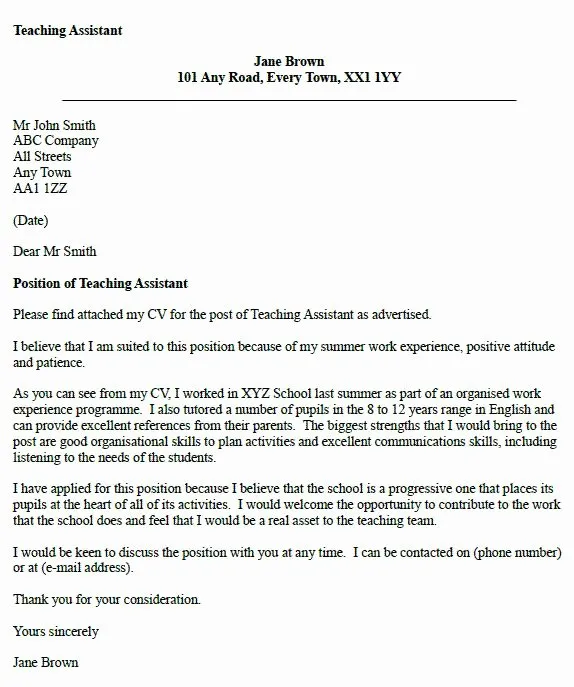
Reviewing successful cover letter examples and using templates can be very helpful when crafting your own letter. These resources can provide guidance on structure, content, and tone. However, it’s crucial to adapt the examples and templates to reflect your own experiences and the specific requirements of the job.
Analyzing Successful Cover Letter Examples
Analyze examples of successful cover letters for Public Health Officer positions to understand how others have presented their qualifications and experiences. Pay attention to how they structure the letter, how they highlight their skills, and how they express their passion for public health. Take note of the language used, the tone of the letter, and how they address specific job requirements. Adapt these examples to fit your own unique background and the job you are applying for.
Using Cover Letter Templates Effectively

Cover letter templates can provide a solid starting point. However, do not simply copy and paste a template. Customize the template to reflect your experiences, skills, and the specific job requirements. Make sure the content is relevant to the position. Tailor the template to showcase your personality and your unique qualifications. Avoid sounding generic by personalizing the content.
Common Mistakes to Avoid
Avoiding common mistakes can significantly improve your chances of getting an interview. Be aware of the pitfalls to ensure your cover letter is as effective as possible.
Generic Cover Letters
Avoid sending a generic cover letter that could be sent to any employer. Such letters lack personality and do not demonstrate genuine interest in the specific job or organization. Tailor your cover letter to the specific job description and the organization’s mission. Generic letters often fail to address the employer’s needs and therefore do not stand out.
Typos and Grammatical Errors
Typos and grammatical errors can damage your credibility and create a negative impression. Proofread your letter carefully and use spell check and grammar check tools. Consider having someone else review your letter to catch any errors you may have missed. Errors demonstrate a lack of attention to detail and may suggest a lack of professionalism.
Neglecting to Tailor the Letter
Failure to tailor your cover letter to the job description is a common mistake. Each cover letter should specifically address the requirements of the position you are applying for. Highlight relevant skills and experiences, using keywords from the job description. Demonstrate your understanding of the role and your enthusiasm for the specific opportunity.
Finalizing and Submitting Your Cover Letter
Before submitting your cover letter, take a final look to ensure everything is perfect. Make sure you have followed all the guidelines, and that your letter represents you in the best possible light. A well-crafted cover letter is a valuable asset in your job search.
Finalizing and Submitting Your Cover Letter
Before submitting your cover letter, review it one last time to catch any lingering errors or inconsistencies. Ensure that your contact information is correct and that the letter is addressed to the correct person. Follow the application instructions carefully. Double-check the formatting to make sure it is consistent and easy to read. Once you’re confident, submit your cover letter and await the next step in the process.