Why a Cover Letter is Crucial for Part-Time Jobs
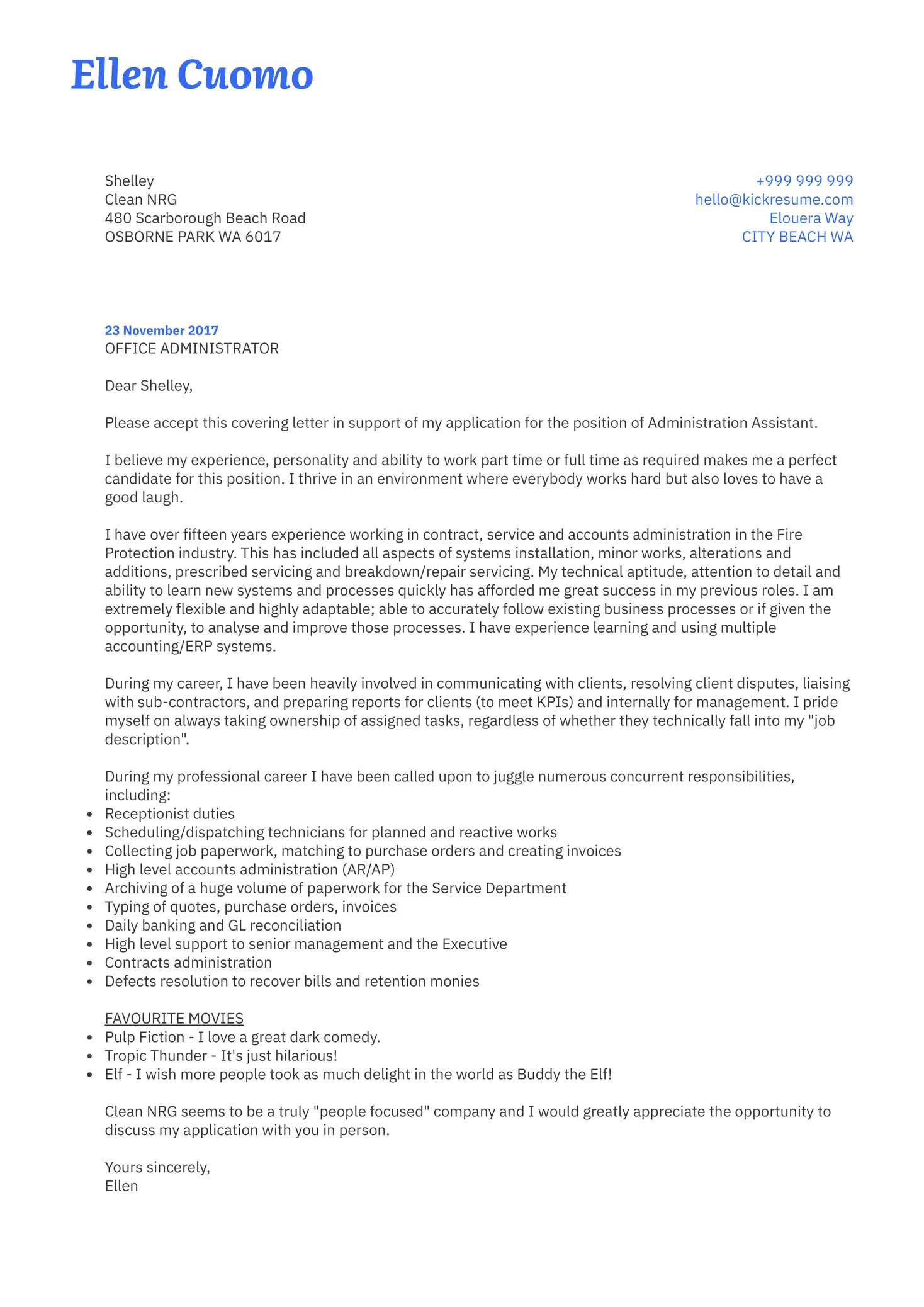
In today’s competitive job market, a well-crafted cover letter is not just an optional addition; it’s a vital tool that can significantly increase your chances of landing a part-time job to supplement your income. Many applicants underestimate the impact a cover letter can have, especially for part-time positions, assuming that a resume alone is sufficient. However, a cover letter offers a unique opportunity to introduce yourself, highlight relevant skills, and articulate your genuine interest in the specific role and company. It moves beyond a mere list of qualifications to showcase your personality, enthusiasm, and communication skills. A well-written cover letter allows you to tailor your application, demonstrating how your skills and experiences align with the employer’s specific needs and objectives. Moreover, it gives you the chance to expand on your qualifications, providing context and depth that a resume often cannot. By investing time and effort into crafting a compelling cover letter, you distinguish yourself from other applicants, increasing your chances of getting noticed and ultimately securing the part-time job that will help you achieve your financial goals. The cover letter is a reflection of your professionalism, attention to detail, and ability to communicate effectively – all of which are highly valued by employers.
Understanding Your Needs & Skills
Before you start writing your cover letter, take the time to understand your own needs and the skills you bring to the table. Consider why you are seeking a part-time job to supplement your income. Are you aiming to pay off debts, save for a specific goal (like a vacation or a new purchase), or simply increase your disposable income? Knowing your financial objectives will help you tailor your job search and cover letter to roles that align with your income needs, availability, and desired pay rate. Equally important is a thorough self-assessment of your skills and experience. What skills do you possess that are relevant to the types of part-time jobs you are considering? Think about both hard skills, such as proficiency in specific software, data analysis, or technical abilities, and soft skills, like communication, teamwork, and problem-solving. Even if your past experiences aren’t directly related to the specific part-time job, it is possible to highlight transferable skills. Identifying your strengths and how they match the job’s requirements is essential for creating a cover letter that resonates with the employer. This process will not only make your cover letter more effective but also improve your confidence during the application process.
Identifying Your Financial Goals

Define your financial objectives clearly. Are you aiming to pay off debt, save for a major purchase, or simply increase your disposable income? Understanding your goals will help you prioritize job opportunities that match your income needs.
Highlighting Relevant Skills
Identify both hard and soft skills applicable to the desired part-time role. Consider how your past experiences, even if unrelated, can be leveraged to demonstrate your abilities and value to potential employers. Skills that are transferable are important to note for a part-time job.
Researching the Company
Thorough company research is a crucial step before you even begin drafting your cover letter. This research is key to demonstrating genuine interest and tailoring your letter to the company’s specific needs and values. Start by visiting the company’s website to learn about their mission, values, recent activities, and any awards or recognition they have received. Understand the company’s products or services, their target market, and their position within their industry. Explore their social media presence, including platforms like LinkedIn, Facebook, and Twitter, to gain insights into their company culture, recent news, and any initiatives they are currently promoting. Analyze the job description carefully, paying close attention to the required skills, responsibilities, and any desired qualities. This in-depth analysis will provide you with the necessary keywords, phrases, and insights to personalize your cover letter effectively. When you show the hiring manager that you have invested time in researching their company, you signal that you are genuinely interested in the opportunity and have taken the initiative to understand their business and objectives. This level of preparation will distinguish you from applicants who submit generic cover letters and show a clear lack of personalization.
Tailoring Your Cover Letter

Generic, one-size-fits-all cover letters are easily recognized and often lead to rejection. To increase your chances of success, tailor your cover letter to each specific job you apply for. Use the research you’ve conducted on the company and the job description to customize your letter. This personalization will clearly demonstrate how your skills and experiences align with the employer’s unique needs and values. Begin by addressing the hiring manager by name if possible, which shows that you have taken the initiative to learn more about the company and the role. Then, state the specific position you are applying for and how you learned about the job opportunity. Use the job description to identify the key requirements and responsibilities, and then tailor your examples to directly match those requirements. For instance, if the job description emphasizes strong customer service skills, provide specific examples of how you have excelled in customer service roles in the past. Integrate relevant keywords and phrases from the job description throughout your letter, but avoid keyword stuffing. Instead, ensure that the language flows naturally and is easy to read. Explain concisely why you are interested in the company and the specific role, highlighting what draws you to this particular opportunity. This will show the hiring manager that you have a genuine interest in the role and are motivated to join their team.
Formatting Your Cover Letter for Impact
The formatting of your cover letter is just as significant as its content, as it makes the initial impression on the reader. To make a positive impact, choose a professional and easy-to-read font, such as Arial, Times New Roman, or Calibri, with a font size between 11 and 12 points. Ensure your letter has a clean and simple layout with standard margins (typically 1 inch on all sides) to create visual appeal. Use proper spacing; double-space between paragraphs to enhance readability and prevent your letter from appearing cluttered or dense. Always include your contact information at the top of your letter, including your name, phone number, email address, and optionally, your LinkedIn profile URL. The use of clear, concise language is essential throughout your letter. Avoid long, complex sentences, and break up lengthy paragraphs to make the text easy to scan and digest. Consistency in formatting, such as using bullet points for lists and consistent indentation, adds to the polished appearance. Before submitting your cover letter, ensure it is free of grammatical errors and typos by carefully proofreading or using a grammar checker. These formatting elements combine to create a well-presented cover letter that is easy to read and reflects your professionalism and attention to detail.
Creating a Compelling Opening
The opening paragraph of your cover letter is critical as it’s the first impression you make, and it can determine whether the reader continues to engage with your application. Your opening needs to quickly grab the hiring manager’s attention and motivate them to keep reading. Start with a compelling hook – a brief statement that captures the hiring manager’s interest and conveys your enthusiasm for the role. Try to address the hiring manager by name, if possible, as this demonstrates you’ve done your research. Clearly state the specific position you are applying for and how you discovered the job posting. Briefly summarize your most relevant qualifications and experiences, emphasizing how they align with the job’s specific requirements. Highlight the most impactful skills or achievements that make you a strong candidate. Show your personality and enthusiasm by using a confident and engaging tone. Give a brief explanation of why you are interested in the company and the specific role, showing that you have a genuine interest and understanding of the opportunity. A strong opening immediately sets the stage for the rest of your cover letter, increasing the likelihood of gaining the reader’s attention and creating a positive first impression.
Showcasing Your Relevant Experience

The body of your cover letter is the place to elaborate on your relevant experiences. It is here that you can demonstrate how your background aligns with the job requirements. Focus on the experiences that are most relevant to the part-time job you’re applying for. If you have prior work experience, provide specific examples of how you successfully performed tasks or took on responsibilities that directly match the job description. Even if your experience isn’t directly related, highlight the transferable skills that are applicable to the role. For example, if you’ve worked in customer service, highlight your communication, problem-solving, and conflict-resolution skills. Use the STAR method (Situation, Task, Action, Result) to structure your descriptions. Briefly describe the situation, outline the task you were assigned, explain the actions you took to complete the task, and highlight the results or outcomes you achieved. This structure makes it easy for employers to understand your contributions. Tailor your examples to the company’s specific needs and values, demonstrating that you understand their business and how your skills can benefit their success. By providing specific examples and quantifying your accomplishments, you showcase the value you would bring to the part-time position, thereby increasing your chances of getting hired.
Quantifying Your Achievements
Use numbers and data to support your claims. Instead of stating that you “Improved customer satisfaction,” say that you “Increased customer satisfaction scores by 15%.” Quantifying your achievements provides concrete evidence of your accomplishments, making your claims more credible.
Emphasizing Your Enthusiasm
Convey your genuine interest in the company and the role. Explain why you’re excited about the opportunity, what attracts you to their mission, or what you admire about their work.
Writing a Strong Closing

The closing paragraph of your cover letter is your final opportunity to make a lasting impression. It should reiterate your interest in the position and encourage the hiring manager to take the next step. Express your gratitude for their time and consideration. Restate your enthusiasm for the opportunity, and briefly summarize your key qualifications. Clearly state your availability for an interview and express your willingness to further discuss your qualifications. Include your contact information once again, including your phone number and email address. Make a strong call to action, such as: “I am eager to discuss how my skills can contribute to your team,” or “I look forward to the opportunity to speak with you soon.” End with a professional closing, such as “Sincerely,” or “Best regards,” followed by your name. A well-written closing leaves a positive impression, reinforces your interest, and makes it simple for the hiring manager to take the next step. Ensure that your closing is concise, professional, and communicates your enthusiasm and availability.
Proofreading and Editing
Before submitting your cover letter, meticulous proofreading and editing are crucial to eliminate any errors and ensure it is polished and professional. Mistakes can undermine your credibility and portray you as careless, making it vital to catch errors before they are seen by the hiring manager. Start by reading your letter aloud; this helps you identify awkward phrasing, run-on sentences, and grammatical errors. Use a grammar and spell-checker tool, but do not rely on them entirely. They may not catch all errors, or they can make suggestions that are incorrect. Have a friend, family member, or career counselor review your cover letter. A fresh pair of eyes can often spot mistakes you might have missed. Double-check for consistency in formatting, such as font, margins, spacing, and bullet points. Verify that your contact information is accurate and up to date. Ensure that your tone is professional and your language is clear and concise. A well-proofread and edited cover letter proves your attention to detail and your professionalism, greatly increasing your chances of making a positive first impression.
Common Mistakes to Avoid
To increase your chances of a positive response, avoid common mistakes that can negatively impact your cover letter. Do not make generic or vague statements that could apply to any job; tailor your letter to the specific position you’re applying for. Avoid typos and grammatical errors by proofreading your letter carefully. Do not use overly casual language or slang, and maintain a professional tone throughout. Avoid simply restating your resume; your cover letter should provide additional context and highlight relevant skills. Do not be negative or critical of past employers or experiences; instead, focus on the positive aspects of your skills and achievements. Avoid being overly long; aim for a concise letter that highlights your key qualifications and shows you understand the job’s requirements. Ensure that you include a clear call to action, encouraging the hiring manager to contact you for an interview. By avoiding these common mistakes, you can present a more compelling and professional cover letter that increases your chances of success.
Using Action Verbs Effectively

Using powerful action verbs in your cover letter can make it more dynamic and engaging, demonstrating your initiative and ability to achieve results. Strong action verbs help you showcase your accomplishments and demonstrate your potential to take on responsibilities and excel in the role. Instead of using passive language, use active verbs to describe your experiences and responsibilities. Start each bullet point or sentence with a compelling action verb to clearly convey your actions and achievements. Examples of effective action verbs include: “Managed,” “Developed,” “Implemented,” “Increased,” “Achieved,” “Created,” “Collaborated,” “Organized,” and “Improved.” Be specific when selecting your verbs, choosing those that accurately reflect the actions you took and the impact you made. For instance, you might write, “Managed a team of five employees” instead of “Had management responsibilities.” When describing your achievements, choose verbs that emphasize the positive outcomes you produced, such as “Increased sales by 15%” or “Improved customer satisfaction scores.” By effectively using action verbs, you will make your cover letter more persuasive, clearly demonstrating your capabilities and the value you bring to potential employers. This enables you to communicate your achievements concisely and make a memorable impact.
Targeting Your Cover Letter to the Job Description
The key to a highly effective cover letter is tailoring it directly to the job description. The job description serves as a detailed outline of what the employer is looking for in a candidate. Carefully study the job description, identify the required skills, qualifications, and responsibilities, and then use these insights to guide your cover letter’s content. Align your experiences, skills, and achievements with the specific requirements outlined in the job description. Provide precise examples to illustrate how you’ve demonstrated the desired skills and qualifications. For instance, if the job description emphasizes strong communication skills, provide examples of your experience and your success in communicating clearly and effectively. Integrate keywords and phrases from the job description throughout your cover letter, but avoid keyword stuffing. Weave the keywords naturally into your sentences and paragraphs to maintain a clear and easy-to-follow narrative. Focus on the value you can bring to the company, explaining how your skills and experience will contribute to their success. By targeting your cover letter to the job description, you prove to the employer that you thoroughly understand the role’s requirements and are an ideal fit. This will increase the likelihood of your application being favorably reviewed, leading to an interview. This strategic approach demonstrates your genuine interest in the job and confirms your capacity to meet the employer’s needs.
Following Up After Submission
After submitting your cover letter and resume, it is essential to follow up on your application to demonstrate your continued interest in the position and increase your chances of being considered. Following up shows that you are proactive and committed. Send a follow-up email, ideally within one week to 10 days after submitting your application. When you send the email, address the hiring manager by name, if possible, and make reference to the specific role you applied for. In the email, briefly reiterate your interest in the position and express your enthusiasm for the opportunity. If you have not heard back within the specified time, politely inquire about the status of your application. Reiterate your key qualifications and how your skills and experience align with the job requirements. Keep your email concise and professional, and thank the hiring manager for their time and consideration. If the hiring manager has a preferred method of communication (e.g., phone call), use that method. Even if you are ultimately not offered the job, a follow-up allows you to leave a positive impression on the hiring manager. This proactive approach will demonstrate your professionalism and commitment, which can significantly increase your chances of moving forward in the hiring process.