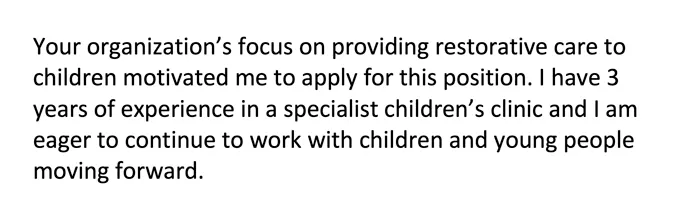
The Power of an Occupational Therapist Cover Letter
A well-crafted cover letter is your first introduction to a potential employer. For occupational therapists, it’s an opportunity to showcase your skills, experience, and passion for helping others. A strong cover letter does more than just reiterate your resume; it tells a story. It explains why you are the ideal candidate for the specific position and demonstrates your understanding of the company’s mission and values. Think of it as a marketing tool that highlights your unique selling points and encourages the hiring manager to learn more about you. The cover letter provides context, personality, and a glimpse into how you approach your work as an occupational therapist, setting you apart from other applicants.
Highlight Your Occupational Therapy Skills
Occupational therapy encompasses a wide range of skills, and your cover letter is the perfect place to highlight those most relevant to the job you are applying for. Start by identifying the key skills mentioned in the job description. These might include patient assessment, treatment planning, therapeutic interventions, adaptive equipment recommendations, and documentation. Be specific. Instead of simply stating that you possess ’excellent communication skills,’ provide an example of how you’ve used these skills to successfully collaborate with patients, families, and other healthcare professionals. Highlight your experience with specific patient populations, such as pediatrics, geriatrics, or individuals with neurological conditions. Remember to tailor your skills section to the specific requirements of each job, emphasizing those that align with the employer’s needs and priorities.
Showcase Relevant Experience

Your cover letter is the ideal space to elaborate on your professional experience, providing context that your resume might lack. Don’t just list your previous job titles and responsibilities; instead, focus on the accomplishments and impact you achieved in each role. When describing your experience, be sure to choose examples that directly relate to the position you seek. For instance, if you’re applying for a position in a pediatric clinic, highlight your experience working with children and adolescents. Conversely, when you are applying for a position that has a strong focus on patient rehabilitation, provide information about your achievements in this specific area. Emphasize the projects you’ve led, the challenges you’ve overcome, and the positive outcomes you’ve generated for your patients. Mentioning specific settings, such as hospitals, schools, or home health environments, can also help demonstrate the breadth of your experience.
Quantify Achievements and Impact
One of the most effective ways to make your cover letter stand out is to quantify your achievements. Whenever possible, use numbers, percentages, and specific data to demonstrate the impact of your work. For example, instead of saying you ‘improved patient outcomes,’ state that you ‘increased patient functional independence by 15% within three months through implementing a new therapeutic program.’ Likewise, highlight any instances where you have exceeded expectations, such as ‘reduced patient hospital readmissions by 10% by developing a comprehensive home exercise program.’ Quantifiable results not only make your claims more credible but also offer tangible evidence of your abilities and the value you can bring to the organization. This approach provides concrete proof of your skills and the results you’ve achieved in previous positions, demonstrating your ability to make a positive impact on patient care and the overall success of the team.
Tailor Your Letter to Each Job
Avoid the mistake of sending a generic cover letter to multiple employers. Instead, take the time to customize each letter to fit the specific requirements of the job and the values of the company. Tailoring your letter demonstrates to the hiring manager that you are genuinely interested in the position and that you have carefully considered how your skills and experience align with their needs. Research the job description thoroughly and identify the key skills, qualifications, and responsibilities outlined by the employer. Then, highlight the experiences and abilities that are most relevant to these requirements. Mentioning the company by name and specifically referencing programs, initiatives, or values that resonate with you shows a sincere interest. This personalized approach will make your application much more likely to resonate with the hiring manager and increase your chances of securing an interview.
Research the Company and Position

Before you even begin writing your cover letter, conduct thorough research on the company and the specific position you are applying for. Visit the company’s website, read articles about their work, and explore their social media profiles. Understanding the company’s mission, values, and recent accomplishments will help you to tailor your cover letter to their specific needs. Pay close attention to the language used in the job description. Identify the key skills and qualifications the employer is seeking. Reflecting on what you’ve learned, demonstrate how your skills and experience align with their requirements. This targeted approach makes your cover letter more relevant and helps you stand out as someone who has taken the time to understand the organization and the role. Research also helps you determine if the company culture and values align with your career aspirations.
Use Keywords from the Job Description
To ensure your cover letter captures the attention of the hiring manager and gets past any applicant tracking systems (ATS), strategically incorporate keywords from the job description. Carefully review the job posting and identify the specific skills, qualifications, and requirements the employer has listed. Then, weave these keywords naturally throughout your cover letter. This could include terms related to specific therapeutic techniques, patient populations, or software applications. However, avoid keyword stuffing; instead, use the keywords appropriately and in the context of your experience and accomplishments. By incorporating relevant keywords, you demonstrate that you meet the employer’s requirements, which can significantly increase your chances of getting your cover letter noticed and securing an interview. Using keywords in your cover letter is a way of showing that you have the experience and skills they seek.
Format and Presentation are Key
The formatting and presentation of your cover letter are crucial for making a positive first impression. Ensure your letter is well-organized, easy to read, and free of errors. Use a professional font, such as Times New Roman, Arial, or Calibri, and maintain a consistent font size. Use a clear and concise structure, with a header, a formal salutation, an opening paragraph, body paragraphs highlighting your skills and experience, and a closing paragraph that expresses your interest and gratitude. Be sure to maintain appropriate margins and spacing. Proofread your letter carefully to eliminate any typos, grammatical errors, or formatting inconsistencies. A clean, professional format demonstrates attention to detail and a commitment to quality, reflecting well on your professionalism as an occupational therapist. A well-presented cover letter shows your commitment to excellence.
Keep it Concise and Professional

Hiring managers are busy, so it’s important to keep your cover letter concise and to the point. Aim for a one-page letter that is easy to scan and digest. Focus on your most relevant skills, experiences, and accomplishments. Avoid unnecessary jargon or overly lengthy descriptions. Use clear and concise language, making it easy for the reader to understand your key qualifications. Be professional in your tone and avoid using slang or overly casual language. A concise, professional cover letter demonstrates that you respect the hiring manager’s time and that you can communicate effectively. Concise and professional communication skills are essential for an occupational therapist.
Proofread Meticulously
Before submitting your cover letter, proofread it meticulously to catch any errors in grammar, spelling, and punctuation. Mistakes can create a negative impression and undermine your credibility. Read your letter aloud to ensure that the language flows smoothly and that there are no awkward phrasings. It can be helpful to have a friend or colleague review your letter as well. Fresh eyes can often spot errors that you may have overlooked. Ensure that all names, titles, and dates are accurate. Proofreading is a critical step to demonstrate your attention to detail and professionalism. A flawless cover letter indicates that you care about the details and are committed to quality. A polished, error-free cover letter is a clear sign of your professionalism.
Call to Action and Follow-up
Conclude your cover letter with a strong call to action, expressing your enthusiasm for the position and your desire for an interview. Clearly state your availability for an interview and provide your contact information. Thank the hiring manager for their time and consideration. After submitting your application, follow up with the employer within a week or two to reiterate your interest and inquire about the status of your application. This proactive approach demonstrates your initiative and commitment to the opportunity. A well-crafted closing with a clear call to action and a proactive follow-up can significantly increase your chances of getting an interview. Demonstrate your enthusiasm by reaching out to the employer.