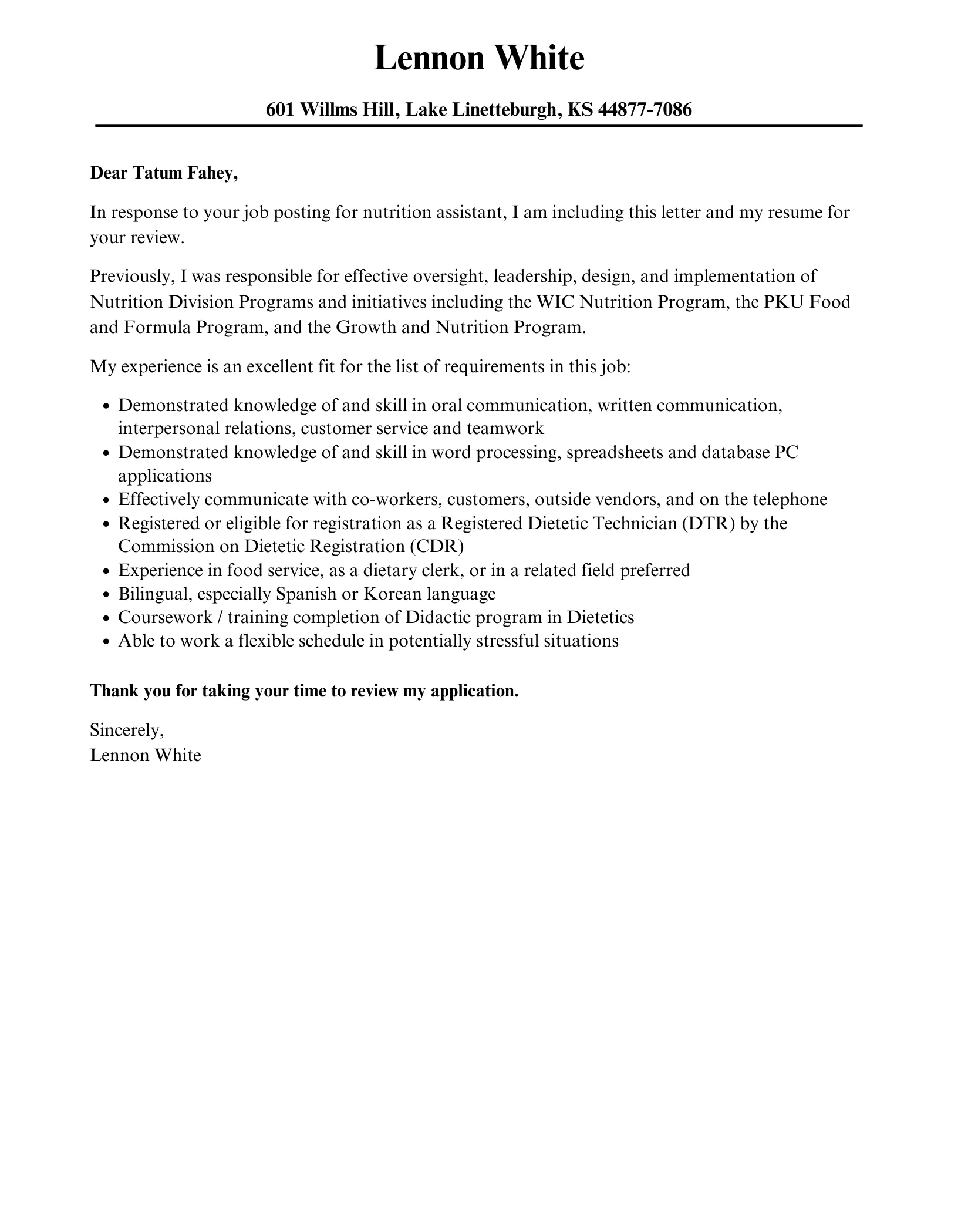
Highlighting Your Nutrition Expertise
A compelling cover letter for a nutrition job is your first chance to make a positive impression. It’s not just a formality; it’s a vital tool to showcase your expertise and passion for nutrition. Your cover letter must instantly communicate your understanding of the role, the organization, and the specific requirements. Think of it as a tailored advertisement of your skills, experience, and enthusiasm, designed to grab the hiring manager’s attention and motivate them to read your resume. The goal is to quickly establish why you’re the ideal candidate and how your background aligns with the job’s needs.
Key Skills to Showcase
Identify the key skills that employers in the nutrition field value most. These can include clinical nutrition, dietary assessment, meal planning, nutrition education, and counseling. Highlight any specializations you have, such as sports nutrition, pediatric nutrition, or public health nutrition. If the job description mentions specific software or techniques, like electronic health records or food analysis programs, make sure to mention your proficiency. Moreover, emphasize your communication and interpersonal skills – the ability to explain complex nutritional concepts simply and effectively, plus the ability to motivate and connect with patients or clients, are paramount. Your cover letter is the space to show you know how to bring these attributes to the job.
Relevant Experience

Clearly describe your relevant experience, focusing on your accomplishments and how they align with the job requirements. Instead of simply listing your past roles, provide specific examples of how you’ve made a difference. Mention projects where you successfully implemented nutrition programs, counseled clients, or contributed to improved patient outcomes. If you’ve worked in a similar setting, emphasize that familiarity. For example, if the job requires experience in a hospital setting, highlight your experience with patient care, medical charting, and interdisciplinary collaboration in similar settings. If applicable, showcase any experience you have with community outreach, program development, or grant writing.
Quantifying Achievements
Whenever possible, quantify your achievements to demonstrate your impact. Instead of saying, “Improved patient outcomes,” say “Improved patient outcomes by 15% through personalized dietary plans.” Did you increase client satisfaction scores? Did you save a clinic money through efficient resource management? Use numbers, percentages, and specific data to make your accomplishments more compelling. Quantifiable results offer concrete evidence of your abilities and provide hiring managers with a clear understanding of what you can bring to the role. This level of detail demonstrates that you’re not only experienced but also results-oriented.
Formatting Your Cover Letter
Proper formatting is critical for a professional cover letter. A well-formatted letter is easy to read and demonstrates your attention to detail. Pay close attention to fonts, margins, and spacing, ensuring a clean, organized appearance. Choose a professional font such as Times New Roman, Arial, or Calibri, using a size between 11 and 12 points. Maintain consistent 1-inch margins on all sides, and use single or 1.15 line spacing. These details ensure your letter is visually appealing and easy to scan, which is particularly important for hiring managers reviewing numerous applications.
Contact Information and Header

Your contact information should be at the top of the letter, including your name, address, phone number, and professional email address. Make sure your email address is professional. Consider using a formal header with your name and the date. If you know the hiring manager’s name, address the letter to them directly. This shows that you have taken the initiative to personalize your application, adding a valuable touch that can show your interest in the opportunity. This demonstrates your attention to detail and shows respect for the hiring process.
Opening Paragraph Structure
The opening paragraph is your first chance to grab the hiring manager’s attention. State the position you are applying for, where you found the job posting, and a brief statement expressing your enthusiasm for the role. You can also include a brief mention of a key skill or experience that makes you a great fit for the job. Avoid generic opening lines and aim for something specific that showcases your knowledge of the organization. Use a concise and engaging tone. This makes your intent clear from the beginning and creates interest for the rest of the letter.
Body Paragraphs Selling Yourself
The body paragraphs are where you delve into your qualifications and experience in more detail. Use this space to highlight your skills and achievements, providing specific examples to support your claims. Focus on matching your skills to the job requirements, providing clear evidence that you possess the required skills. Address the employer’s needs in your responses to show that you’ve read and understood the job description. Keep the language clear, concise, and easy to understand. Break up long paragraphs to improve readability and maintain a professional tone. This focused approach shows how you can bring value to the employer.
Closing and Call to Action

In the closing paragraph, reiterate your interest in the position and express your gratitude for the opportunity. Include a clear call to action, such as stating that you are available for an interview or that you look forward to hearing from them soon. Reiterate how your skills will benefit the organization. Maintain a professional tone and end with a positive, confident statement. Provide your contact information again if not already present and include your signature.
Tailoring Your Letter to the Job
A generic cover letter is a red flag. To increase your chances of success, customize your cover letter for each job application. This shows the hiring manager that you’ve invested time and effort in learning about the specific opportunity. Make sure you’ve carefully read the job description and identify the key requirements, skills, and qualifications the employer seeks.
Researching the Company
Before you write your cover letter, research the company thoroughly. Visit their website, read their mission statement, and learn about their values and culture. Understand their services or products and their target market. This understanding will help you tailor your letter to demonstrate your alignment with their goals. Demonstrating that you have done your research shows your genuine interest in the position and the organization. Your research helps you to personalize your letter, and make it more persuasive.
Matching Skills to Requirements

Carefully review the job description and list the key skills and qualifications the employer is seeking. Then, in your cover letter, explicitly match your skills and experiences to those requirements. For example, if the job description mentions the need for experience in patient education, highlight your relevant experience and provide specific examples of successful patient education programs you have developed or implemented. Be specific, using examples from previous roles to demonstrate your capabilities. This approach ensures that the hiring manager clearly understands how your skills directly meet their needs.
Using Keywords
Use keywords from the job description throughout your cover letter. This can improve your application’s chances of passing through applicant tracking systems (ATS) and will also demonstrate that you understand the role’s requirements. Identify key skills, qualifications, and responsibilities mentioned in the job posting and incorporate these terms naturally within your letter. Do not overstuff your letter with keywords; instead, weave them in organically and in context to make it sound natural. Make sure your letter reflects the specific language and terminology used in the job description.
Avoiding Common Mistakes
Avoiding common mistakes can significantly improve the quality of your cover letter. Errors and oversights can detract from your professionalism and undermine your credibility. Proofread your letter carefully to eliminate any errors. Additionally, tailoring your letter to avoid generic language and expressing genuine enthusiasm will set you apart from other applicants.
Typos and Grammatical Errors

Typos and grammatical errors are a significant turn-off for hiring managers, as they can make you appear careless or unprofessional. Proofread your cover letter multiple times. Run a spell-checker and use grammar-checking software. Consider asking a friend or family member to review your letter to catch any mistakes you may have missed. A polished, error-free cover letter showcases your attention to detail and commitment to quality.
Generic Language
Avoid using generic phrases and clichés that can make your cover letter sound impersonal. Instead, use specific examples to demonstrate your skills and achievements. Tailor your cover letter to the specific job and company, avoiding a one-size-fits-all approach. The goal is to stand out from the crowd and demonstrate a genuine interest in the role.
Lack of Enthusiasm
A cover letter lacking enthusiasm can make you sound uninterested in the position. Show genuine interest in the role and the company. Express your passion for nutrition, your excitement about the opportunity, and your eagerness to contribute to the organization’s success. Let your personality shine through. Your enthusiasm will make your cover letter more engaging and memorable, making the hiring manager more likely to consider your application.
Finalizing and Submitting Your Letter

Before submitting your cover letter, make sure you’ve done everything you can to make it perfect. Make sure all formatting requirements are met. Proper preparation will increase your chances of success. Then, ensure you know how to submit the cover letter through the appropriate channels. The final steps in preparing your letter and application will help you succeed in your job search.
Proofreading and Editing
Before submitting your cover letter, carefully proofread and edit it to eliminate any errors. Check for typos, grammatical errors, and inconsistencies. Ensure that your writing is clear, concise, and well-organized. Consider asking a friend or career counselor to review your letter for feedback. A well-edited cover letter demonstrates your attention to detail and increases the likelihood of making a positive impression on the hiring manager.
Choosing the Right Format
Ensure your cover letter is in a professional, easy-to-read format. Use a standard font and font size (e.g., Times New Roman, 12-point font). Use clear formatting, including consistent margins and line spacing. Choose a format (e.g., PDF or Word document) that is compatible with the company’s application process. If the job posting specifies a particular format, be sure to follow those instructions carefully.
Submitting Your Cover Letter
Always follow the application instructions provided in the job posting. Carefully review the directions regarding how to submit your cover letter and resume. Make sure to submit your application materials before the deadline. If the instructions indicate to send your cover letter via email or through an online portal, make sure that you do so promptly and follow any specified file-naming conventions. Ensure that your attachments are properly formatted and easily accessible. Complete the application process as instructed. This ensures that your application is considered in a timely manner.