Why a Mechanical Technician Cover Letter Matters
In the competitive world of mechanical technician jobs, a well-crafted cover letter is your first opportunity to make a strong impression. It’s more than just a formality; it’s your chance to introduce yourself, highlight your skills and experience, and express your genuine interest in the position. Think of it as your personal marketing document, designed to grab the attention of hiring managers and persuade them to read your resume. A compelling cover letter can set you apart from other applicants, especially when applying for roles where technical expertise and hands-on experience are essential. Neglecting this important step could mean missing out on opportunities.
Understanding the Purpose of a Cover Letter
The primary purpose of a mechanical technician cover letter is to provide context to your resume. While your resume lists your qualifications and work history, the cover letter allows you to elaborate on specific experiences, demonstrate your understanding of the role, and showcase your personality. It should explain why you are the ideal candidate for the specific job and company. This is also the place to address any potential gaps in your work history or explain your career goals. It’s a proactive way to shape the hiring manager’s perception of you and your capabilities. Make sure to tailor each letter to the specific job you’re applying for, demonstrating your knowledge of the company and the role’s requirements.
Key Components of a Mechanical Technician Cover Letter

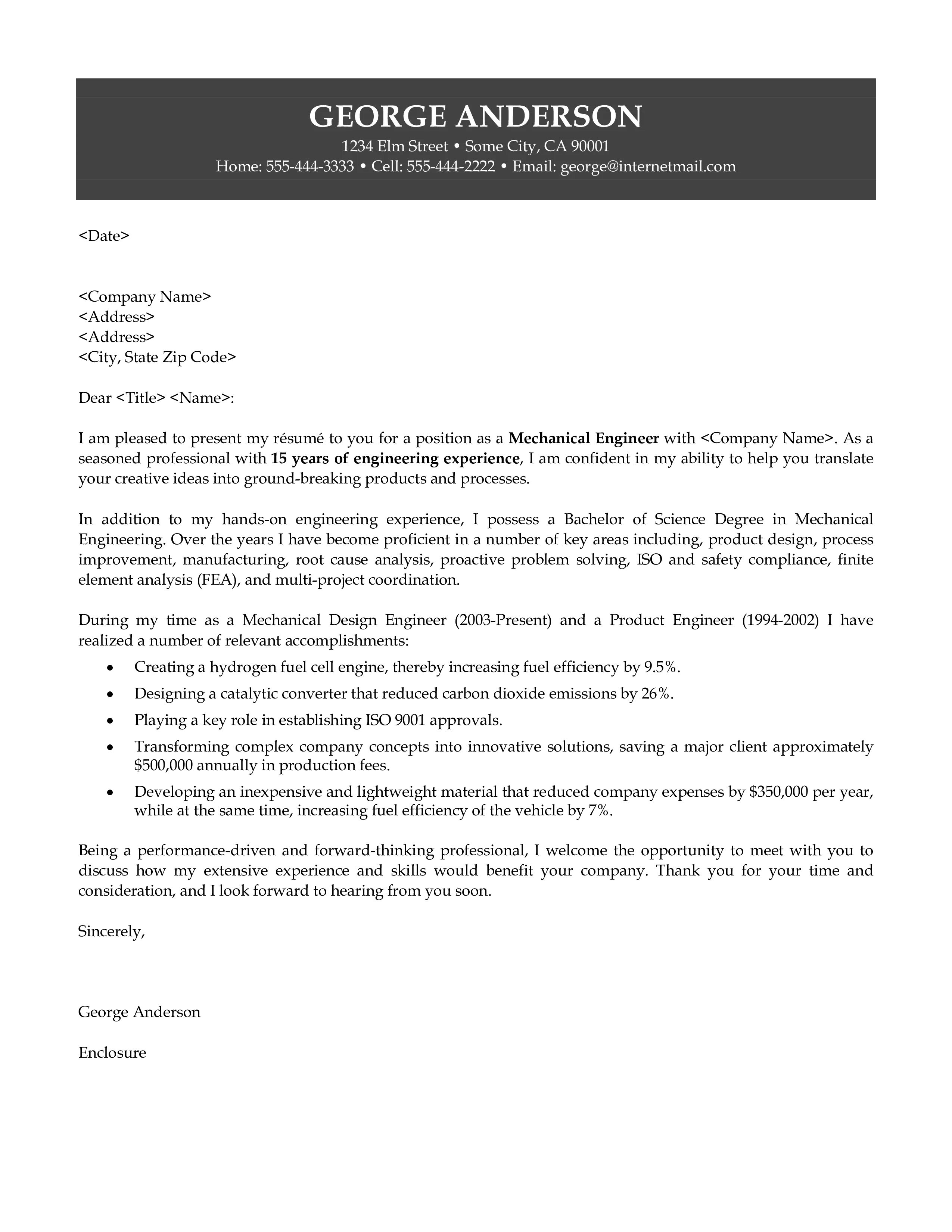
A successful mechanical technician cover letter should include several key components to maximize its effectiveness. Each element plays a critical role in conveying your qualifications and enthusiasm to the hiring manager. These include a professional header, a personalized salutation, a compelling opening paragraph, detailed body paragraphs highlighting skills and experience, a strong call to action, and a professional closing. Make sure all components are easy to read and follow, ensuring that your message is clear and concise. Using a well-structured format that includes clear paragraphs and headings will improve readability and showcase your attention to detail, which is an important quality for a technician.
Header Information
Start with a professional header that includes your contact information and the date. This ensures the hiring manager can easily reach you. This section also provides an overall professional look to your cover letter. Ensure the header’s formatting matches your resume for a consistent presentation. Include your full name, address, phone number, and email address. Accuracy here is crucial to prevent communication issues. It’s best practice to include the date and the employer’s address, making it easy to match your cover letter to a specific job application.
Your Contact Information
Make sure your contact information is up-to-date and easy to read. Use a professional email address (avoid nicknames or unprofessional handles). Double-check that your phone number is correct and has a professional voicemail greeting. This is the information the employer will use to reach you, so it’s important to ensure it is accurate. Consider including a link to your LinkedIn profile if you have one, giving the hiring manager a way to learn more about your professional background. This adds an element of accessibility and credibility.
The Employer’s Information

Directly beneath your contact details, include the employer’s information. This includes the hiring manager’s name (if known), their job title, the company name, and the company’s address. Always research the hiring manager’s name; addressing the letter to a specific person shows you have taken the time to find out who will be reading it. If you are unable to find a specific name, use a general title like ‘Hiring Manager’ or ‘Recruiting Team’. This personalization is extremely important and sets the tone for your letter. Always use the correct and up-to-date information. This shows your attention to detail.
Personalized Salutation
Start your cover letter with a personalized salutation. The best approach is to address the hiring manager by name, for example, ‘Dear Mr. Smith’. If you do not know the hiring manager’s name, use a professional alternative such as ‘Dear Hiring Manager’ or ‘Dear [Company Name] Recruiting Team’. Avoid generic greetings like ‘To Whom It May Concern’. A personalized salutation shows you’ve done your research and are genuinely interested in the opportunity. Make sure to double-check the spelling of the name.
Body Paragraph 1 Crafting a Strong Opening
The first paragraph should grab the reader’s attention and state the purpose of your letter. Briefly mention the position you’re applying for and how you learned about the opportunity. Express your enthusiasm for the role and the company. Highlight one or two key skills or achievements that align directly with the job description. This sets the stage for the rest of your cover letter and encourages the hiring manager to continue reading. Make it clear why you are interested in this specific role and company, not just any job. This immediately shows your level of interest and dedication.
Highlighting Relevant Skills and Experience

Focus on skills and experiences that are most relevant to the job description. Review the job posting carefully and identify the key requirements. Then, highlight your skills, training, and experience. Use specific examples to demonstrate how you have successfully used these skills in past roles. Avoid simply listing your skills; provide context and show how you applied them to solve problems or achieve results. Quantify your achievements whenever possible. Use action verbs to make your descriptions dynamic and engaging. Always tailor the content to match the job’s requirements.
Quantifying Your Achievements
Whenever possible, quantify your accomplishments to demonstrate your impact. Instead of saying, ‘Improved efficiency’, say ‘Improved efficiency by 15% through the implementation of new maintenance procedures’. Quantifying your achievements provides concrete evidence of your skills and value. Use numbers, percentages, and specific metrics to showcase your contributions. This helps the hiring manager understand the tangible results you have achieved in previous roles. Quantifying your skills also gives credibility to your claims, making it easier for the hiring manager to understand the value you will bring to the position.
Body Paragraph 2 Showcasing Technical Expertise
In the second paragraph, delve into your technical expertise. Provide specific examples of projects you have worked on and the tools and equipment you are proficient in using. Show your understanding of mechanical systems, troubleshooting, and repair procedures. Emphasize your experience with relevant technologies, software, and industry standards. This paragraph should demonstrate your core technical skills and experience. Show that you possess the knowledge and practical skills needed for the role. Use the job description as your guide to include the specific technical skills the company is looking for.
Detailing Specific Projects and Tools

Give detailed examples of projects you’ve completed, specifying your role, responsibilities, and the outcomes. Mention the specific tools, machinery, and software you are experienced with. If you have experience with particular types of equipment, list them to highlight your relevant skills. This shows that you are skilled in using industry-standard tools and equipment. Use specific examples to showcase how you have applied your technical skills. Mentioning particular tools demonstrates you’re familiar with the work environment and can contribute quickly. Always tailor these details to align with the specific requirements mentioned in the job description.
Demonstrating Problem-Solving Abilities
Mechanical technicians must have strong problem-solving abilities. Highlight your ability to diagnose and resolve mechanical issues. Describe challenging situations you encountered and how you approached them. Include details on the techniques you used, the steps you took, and the results you achieved. Quantify your accomplishments, if possible. Employers are looking for technicians who can think critically and solve problems effectively. Show how you identify problems, analyze them, and develop effective solutions. Emphasize your attention to detail and how you ensured the quality of your work.
Body Paragraph 3 Expressing Enthusiasm and Fit
In your final body paragraph, express your enthusiasm for the company and the role. Explain why you are a good fit for the company culture and the position. Demonstrate that you have researched the company and understand its mission and values. This is an opportunity to highlight your alignment with the company’s values and your genuine interest in working there. Share how your career goals align with the company’s objectives. Express a genuine interest in the role. Avoid sounding generic; show that you have a clear reason for wanting to work for this company and why you’re excited about this opportunity.
Researching the Company

Researching the company is essential. Visit their website, read about their mission, values, and recent projects. Understand their industry and their market position. Tailor your cover letter to reflect your knowledge of the company. This shows the hiring manager that you have taken the time to learn about them. Demonstrating your knowledge and interest will significantly increase your chances of being selected for an interview. Pay attention to any recent news or announcements the company has made. This shows that you are serious about the opportunity and are committed to the company.
Tailoring to the Job Description
Customize your cover letter to match the specific job description. Use keywords from the job posting in your cover letter. Address the specific requirements and skills listed in the job description. Highlight your experience and skills that directly align with what the employer is looking for. Review each job description carefully and adjust your cover letter accordingly. This targeted approach shows the hiring manager that you have read the job description and have the required skills and experience. Make sure to avoid using a generic cover letter.
Call to Action and Closing
End your cover letter with a clear call to action. State your interest in an interview and express your availability. Thank the hiring manager for their time and consideration. Reiterate your enthusiasm for the position and the company. Maintain a professional tone throughout your closing. Make sure to make it easy for the hiring manager to contact you. End with a professional closing to leave a positive impression.
Professional Closing

Close your cover letter with a professional sign-off, such as ‘Sincerely’, ‘Best regards’, or ‘Thank you’. Avoid casual closings. Ensure your closing is consistent with the overall tone of your letter. This adds a touch of professionalism. Following your closing, leave space for your signature (if printing a physical copy) and type your full name. Make sure your name is easy to read, and your signature is clearly visible, to avoid any confusion. A professional and respectful close shows respect for the reader and the hiring process.
Expressing Gratitude
Express gratitude for the hiring manager’s time and consideration. A simple ‘Thank you for your time and consideration’ is sufficient. This shows respect for the hiring process and leaves a positive impression. You can also mention you are looking forward to hearing from them soon. Acknowledging their time shows that you are thoughtful and appreciative. Make sure to proofread the thank-you note for any errors. Gratitude makes you seem like a well-mannered candidate.
Cover Letter Formatting and Design
Formatting and design play an important role in making your cover letter look professional and easy to read. The overall appearance of your cover letter can influence a hiring manager’s first impression. Ensure that your cover letter is well-organized and visually appealing. A clean and professional layout makes it easier for the hiring manager to focus on the content and to absorb your key points. Make sure that the information flows logically and is easy to find.
Choosing the Right Font and Size

Select a professional and readable font, such as Times New Roman, Arial, or Calibri. Choose a font size between 10 and 12 points. Ensure the font is consistent throughout the entire cover letter. Avoid using fancy or overly decorative fonts, as they can distract the reader. A readable font and size improve readability, and make the document look professional. Avoid using multiple fonts within the same document. Using a standard font and size makes your cover letter look clean and professional. This makes the hiring manager focus on the content.
Formatting for Readability
Use clear formatting to improve readability. Use single spacing within paragraphs and double spacing between paragraphs. Use bullet points to highlight key skills or achievements. Keep paragraphs concise and easy to read. Avoid long blocks of text. A well-formatted cover letter is easier to scan and understand. Use headings and subheadings to organize information. Make sure to use consistent formatting throughout. These elements ensure that your cover letter is easy to read, even at a quick glance.
Proofreading and Editing
Proofreading and editing are crucial to ensuring your cover letter is error-free. Errors can make you look unprofessional. Proofread your cover letter multiple times. Check for typos, grammatical errors, and punctuation mistakes. Have a friend or family member review your cover letter. Consider using a grammar and spell-checking tool. A well-proofread cover letter demonstrates your attention to detail. Make sure to check all the details, including names, company names, and dates. A cover letter full of errors can cause you to be quickly rejected.
Avoiding Common Cover Letter Mistakes
Certain mistakes can significantly weaken your cover letter. Understanding and avoiding these common errors can improve your chances of success. Generic cover letters, typos, and overstating your skills are common pitfalls. Make sure to pay attention to every detail to ensure that your cover letter is polished and professional. The goal is to provide a positive impression and show that you are serious about this job and company.
Generic Cover Letters
Avoid sending a generic cover letter. A generic cover letter does not show that you have tailored your letter to the specific job and company. It makes it seem like you are using the same letter for all applications. Customize your cover letter for each job. Research the company and tailor your letter to the job description. Show that you have taken the time to learn about the company and the role. Make sure to highlight your relevant skills and experiences.
Typos and Grammatical Errors
Typos and grammatical errors can damage your credibility and create a negative impression. Always proofread your cover letter carefully. Use a grammar and spell-checking tool, and ask a friend or colleague to review it. Ensure that you have correct grammar, spelling, and punctuation. Proofreading multiple times is extremely important. A cover letter with errors shows a lack of attention to detail and professionalism. Take the time to ensure your letter is polished and error-free.
Exaggerating Skills
Avoid exaggerating your skills or experience. Be honest and accurate in your descriptions. Overstating your abilities can backfire during an interview. Only include skills and experiences that you actually possess. Focus on your strengths and accomplishments. Be truthful and accurate in your application materials, and be prepared to provide examples to back up your claims. Demonstrate your skills using real examples and quantifying your achievements when possible. This builds trust with the hiring manager.
Mechanical Technician Cover Letter Examples
Reviewing cover letter examples can help you create your own effective cover letter. These examples provide a template and showcase the different ways you can structure your cover letter. Understanding these examples can help you tailor your cover letter to the specific job and company. Make sure you understand the format and content for mechanical technician jobs. Use the examples as a guide. Customize the examples to match your own skills, experience, and the job description.
Example 1 Entry-Level
For entry-level positions, the cover letter should emphasize your educational background, relevant coursework, and any internships or volunteer experience. Highlight your technical skills, such as your knowledge of specific tools or systems. Emphasize your eagerness to learn and contribute to a team. Tailor the content to the specific requirements of the job. Mention any certifications you have or are working towards. Show that you are enthusiastic about beginning your career as a mechanical technician. Make sure you show that you are ready to begin and contribute to the team.
Example 2 Experienced Technician
For experienced mechanical technicians, focus on your professional accomplishments and skills. Use specific examples to showcase your experience and your results. Include details of projects you have successfully completed and the technologies you’re familiar with. Highlight your leadership abilities, problem-solving skills, and contributions to previous companies. Show that you can be a reliable and valuable member of the company. Mention any specializations, such as HVAC systems, robotics, or specific types of machinery. Mention the metrics that demonstrate your efficiency and problem-solving skills.
Tips for Customization
Customizing your cover letter is essential. Tailor your cover letter to each job and company. Review the job description and identify the key requirements and skills. Highlight your relevant skills and experiences. Use keywords from the job description to show that you are a good fit. Demonstrating a clear understanding of the job requirements. Customize your letter so you stand out and showcase your knowledge. This makes you a more desirable candidate and shows your level of commitment. Highlighting experience and skills tailored to each role is important.
Adapting the Examples to Your Needs
Adapt the provided examples to fit your unique background and skills. Replace the generic information with your own details. Customize the content to reflect your experiences and achievements. Review the job description carefully and tailor your letter. Make sure all information is accurate and up-to-date. Modify the examples to fit your level of experience, from entry-level to highly experienced. Ensure the examples are customized to you. Make it clear how you can bring value to the employer.
Best Practices for Submitting Your Cover Letter
Knowing the best practices for submitting your cover letter is crucial. Proper formatting and following all application instructions ensures that your application is considered. Paying close attention to these practices improves your chances of a successful application process. By understanding these details, you can increase the likelihood of your application being noticed and considered by hiring managers. Following these best practices makes your cover letter stand out.
File Format Recommendations
Use the correct file format to ensure compatibility. The recommended file format is a PDF (Portable Document Format). PDFs preserve the formatting of your cover letter. Ensure the document appears correctly on all devices and operating systems. Before submitting, double-check the file name and that the document is properly formatted. Use a clear and descriptive file name, such as ‘Your Name_CoverLetter_MechanicalTechnician’. The proper file format and naming demonstrate your professionalism and attention to detail. Ensure the format is professional.
Following Application Instructions
Always follow the application instructions carefully. Read the job posting and follow all the instructions provided. Submit your cover letter and resume as requested. If there are specific instructions, such as file naming conventions or submission methods, make sure to follow them. Missing application instructions can hurt your chances of getting selected. Always double-check the instructions and submit the cover letter and resume in the prescribed manner. Make sure you fulfill all the instructions provided.
Mechanical Technician Cover Letter FAQs
Addressing frequently asked questions helps you understand the cover letter. Here are common questions about creating and submitting a mechanical technician cover letter. These questions provide clarity and help you create a cover letter that meets expectations. Knowing the answers can help you with the job application. It’s crucial to create a cover letter that follows best practices and is tailored to the specific job and company.