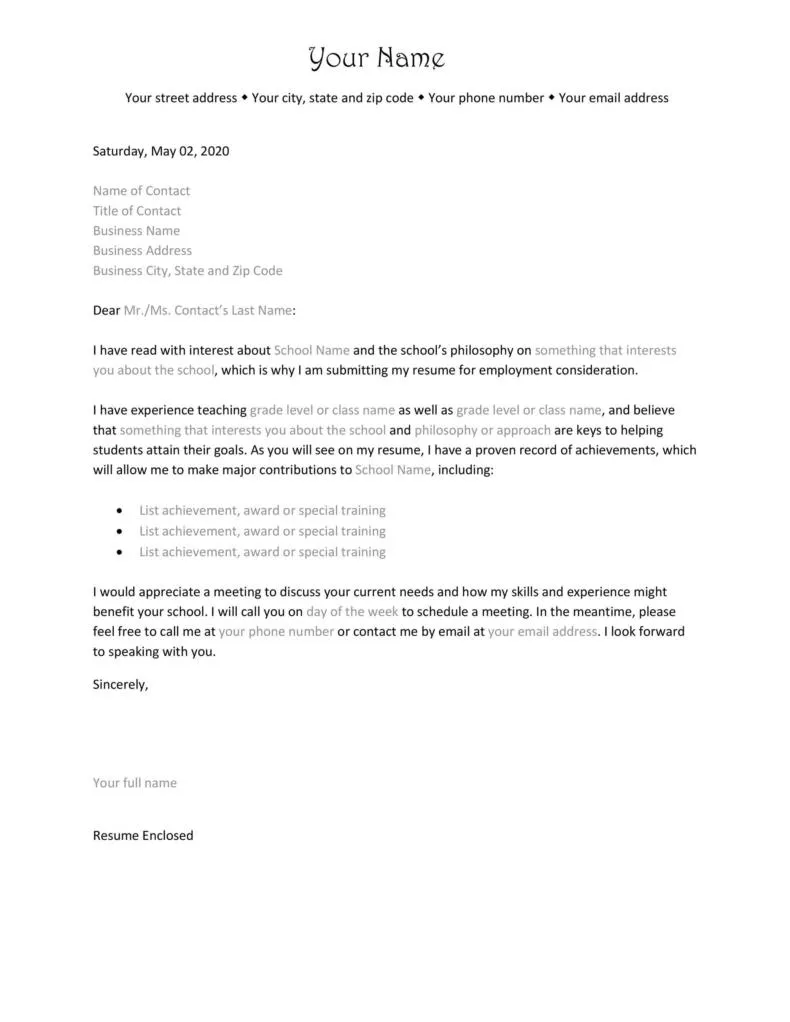
Letter of Interest What is it?
A letter of interest is a document that expresses your interest in a job, company, or industry even when there isn’t a specific open position advertised. It’s a proactive way to introduce yourself and your qualifications to a potential employer. Unlike a cover letter, which directly responds to a job posting, a letter of interest demonstrates your initiative and eagerness to explore opportunities. It allows you to make a strong first impression, showcase your skills and experiences, and potentially open doors to unadvertised job openings. A well-crafted letter can significantly increase your chances of getting noticed by recruiters and hiring managers, especially in competitive job markets.
Letter of Interest Purpose and When to Use It
The primary purpose of a letter of interest is to express your genuine enthusiasm for a company or a role and to highlight how your skills and experience align with their needs. It’s most effective when you’re targeting a specific company that you admire, even if they don’t have any open positions that precisely match your profile. This proactive approach allows you to get your foot in the door and showcase your value. You can also use a letter of interest when you’ve identified a specific role or department where your skills would be a good fit, but no formal job posting exists. Additionally, it’s useful for networking, inquiring about potential future openings, or when you have a unique skill set that might be valuable to the company.
Letter of Interest Key Components

A compelling letter of interest comprises several essential components that work together to create a strong impression. These components must be carefully considered and crafted to ensure your letter stands out. Here’s a breakdown of the key elements:
Your Contact Information
At the top of the letter, provide your full name, address, phone number, and email address. This ensures the recipient knows how to contact you.
Date
Include the date you are sending the letter.
Recipient’s Information

Address the letter to a specific person, if possible. Include the recipient’s name, title, company, and address. If you cannot find a specific name, address the letter to the hiring manager or the appropriate department.
Salutation
Use a professional salutation, such as “Dear Mr./Ms./Mx. [Last Name]” or “Dear Hiring Manager,” if you don’t know the name of the recipient. Avoid generic greetings like “To Whom It May Concern.”
Body Paragraph 1 State your purpose
Clearly state your intention to express your interest in working for the company and mention why you are interested in a role or opportunity. Briefly explain what attracted you to the company. Be concise and to the point, making it clear why you’re reaching out.
Body Paragraph 2 Highlight your skills and experiences

Showcase your relevant skills, experiences, and accomplishments that align with the company’s values or potential needs. Provide specific examples of how you’ve demonstrated those skills in previous roles or projects. Emphasize your key strengths and quantify your achievements whenever possible.
Body Paragraph 3 Express your interest and enthusiasm
Reiterate your enthusiasm for the company and your desire to contribute to its success. Express your willingness to learn more about potential opportunities and offer to provide additional information or a resume. Mention your understanding of the company’s mission, values, or recent projects and explain how you see yourself fitting in.
Closing Paragraph
Thank the recipient for their time and consideration. Express your eagerness to hear back from them and your contact information to be available for a conversation.
Complimentary Close

Use a professional closing, such as “Sincerely,” “Best regards,” or “Respectfully.”
Typed Name and Signature
Type your full name and, if sending a physical letter, sign it above your typed name.
Letter of Interest Formatting Tips
Proper formatting enhances readability and professionalism. Here are some formatting tips:
Use a professional tone

Maintain a formal and respectful tone throughout the letter. Avoid slang, jargon, and overly casual language.
Keep it concise and focused
Aim for one page or less. Use concise language and focus on the most relevant information. The goal is to make a strong impression quickly.
Proofread carefully
Always proofread your letter for any spelling, grammar, or punctuation errors. A polished letter reflects professionalism and attention to detail. Consider asking a friend or colleague to review your letter.
Letter of Interest Examples

Reviewing examples can help you tailor your letter. Here are examples for different scenarios.
Letter of Interest for a Job
If you’re targeting a specific job, mention the job title or the kind of role you are interested in. Highlight the skills and experiences from your resume that align with the job’s requirements. Show how you can contribute value to the company.
Letter of Interest for an Internship
If you’re a student or recent graduate seeking an internship, emphasize your eagerness to learn and contribute to the company. Mention any relevant coursework, projects, or skills that would be valuable in an internship. Demonstrate your enthusiasm for the company and the opportunity to gain hands-on experience.
Letter of Interest for a Volunteer Position
If you’re interested in a volunteer role, express your passion for the cause or organization. Highlight any relevant skills, experiences, or personal qualities that would make you a valuable volunteer. Show your willingness to contribute your time and effort to support the organization’s mission.
Letter of Interest Common Mistakes to Avoid
Avoid these common pitfalls to create an effective letter:
- Sending a generic letter to many companies
- Using a casual or unprofessional tone
- Focusing solely on your needs rather than the company’s
- Making grammatical errors or typos
- Providing irrelevant information
- Failing to tailor the letter to the specific company