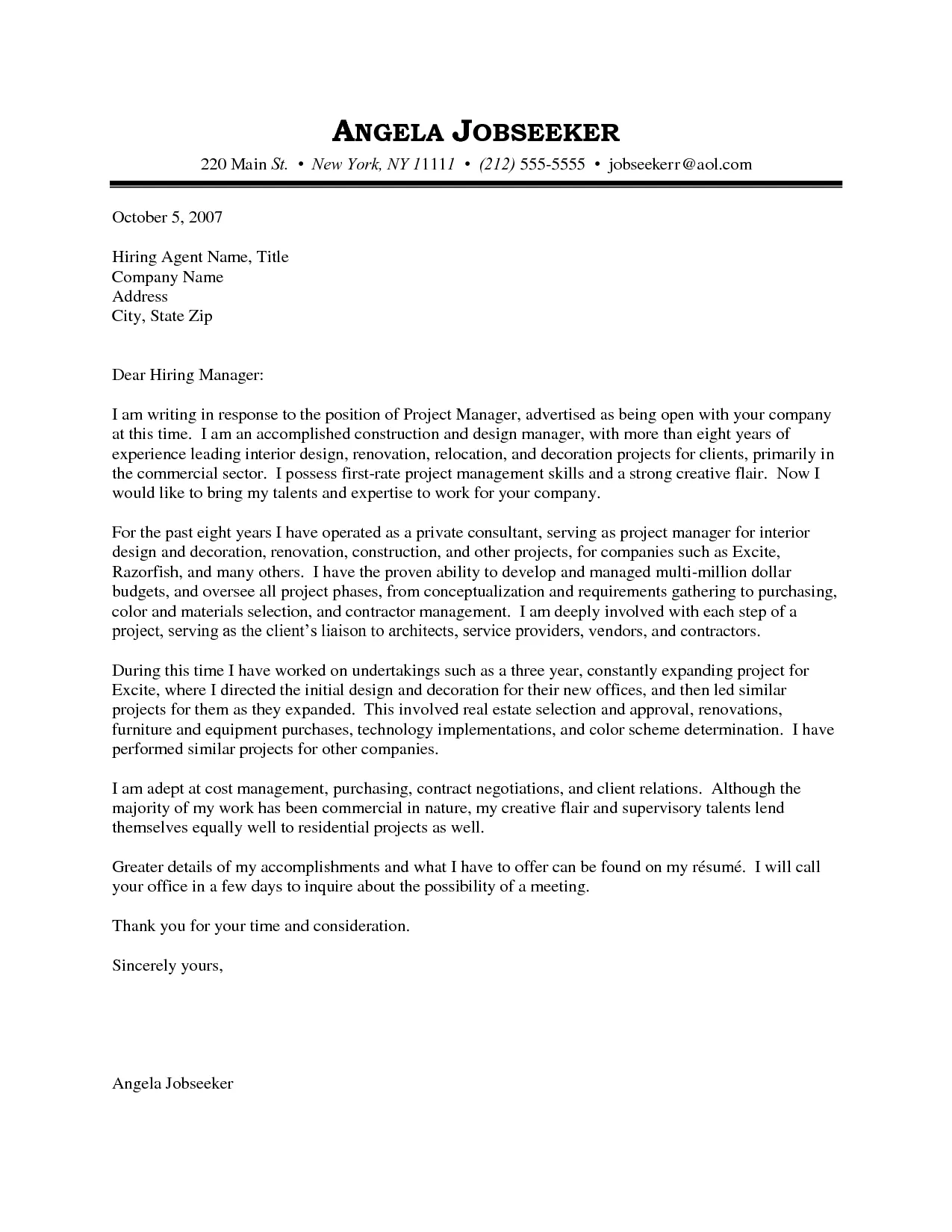
Why a Strong Cover Letter Matters for Interior Designers
In the competitive world of interior design, a well-crafted cover letter can be your secret weapon. It’s not just a formality; it’s your first opportunity to make a compelling case for why you’re the ideal candidate. Your resume provides the facts, but the cover letter allows you to tell your story, showcase your personality, and demonstrate your passion for design. A strong cover letter grabs the hiring manager’s attention, highlighting your unique skills and experiences in a way that a resume alone cannot. It’s your chance to go beyond the bullet points and paint a vivid picture of your design capabilities and potential contributions to their team. A well-written cover letter increases your chances of landing an interview, putting you one step closer to your dream job.
Highlighting Your Interior Design Skills
When showcasing your skills, be specific and provide concrete examples. Instead of simply stating that you’re proficient in AutoCAD, mention specific projects where you used it, detailing the scope and outcome. Did you use it to create detailed floor plans for a high-end residential project? Did you use it to collaborate with contractors and communicate design intent? Quantify your abilities whenever possible. For example, state the number of projects you’ve completed, the square footage you’ve designed, or the percentage of projects you completed under budget. Use action verbs to describe your accomplishments. Phrases like “managed,” “designed,” “implemented,” and “coordinated” add impact to your statements. Tailor the skills you emphasize to match the job description. If the position requires expertise in sustainable design, highlight your knowledge of LEED principles and relevant experience. Showing the employer that you have the skills they are looking for is the best way to get hired.
Showcasing Your Design Portfolio

Your portfolio is your visual resume, so make sure your cover letter complements it by providing context. Briefly mention a few key projects from your portfolio, highlighting the specific design challenges you overcame and the solutions you implemented. Focus on projects that align with the job requirements or showcase your versatility. Describe the design concept, your role in the project, and the positive results achieved. Your cover letter should entice the reader to explore your portfolio further. If you have an online portfolio, provide a direct link, making it easy for the hiring manager to view your work. If you are submitting a physical portfolio, mention the key projects included and how they demonstrate your skills and style. Always choose high-quality images of your best work, ensuring they are well-lit and professionally presented. Remember, your portfolio is a crucial element of your application, so make sure your cover letter highlights the best parts of it.
Tailoring Your Letter to the Job
Generic cover letters are easily spotted and often discarded. To stand out, customize each cover letter to the specific job and company. Research the company’s values, projects, and design aesthetic. Then, in your cover letter, connect your skills and experiences to their specific needs. Refer to the job description and address the key requirements directly. If the job emphasizes a particular software or design style, highlight your relevant experience. Show that you understand the company’s culture and mission, and explain how your skills can contribute to their success. This level of personalization demonstrates your interest and commitment, and it significantly increases your chances of getting noticed. Demonstrate that you’ve taken the time to understand their needs and are truly interested in the opportunity. This personalization is crucial for creating a strong first impression.
Key Elements to Include in Your Cover Letter
Your Contact Information

Start with your name, address, phone number, and professional email address. Make sure your email address is professional and appropriate. Include your LinkedIn profile URL, if you have one. Place this information at the top of your cover letter, either on the left or right side. This information ensures the hiring manager can easily contact you.
Professional Salutation
Address the hiring manager by name whenever possible. Research the name of the hiring manager or the person responsible for reviewing applications. If you cannot find a specific name, use a professional salutation such as “Dear Hiring Manager.” Avoid generic greetings like “To Whom It May Concern.” Ensure your greeting is formal and professional.
Expressing Your Enthusiasm
Show your genuine interest in the position and the company. Explain why you are excited about the opportunity and what attracts you to the company. Mention anything specific that drew you to the role, such as a particular project, the company’s design philosophy, or their reputation. Demonstrate that you’ve done your research and are eager to contribute. Your enthusiasm helps to set you apart from other applicants.
Highlighting Relevant Experience

Clearly showcase your relevant experience. Focus on the skills and experience that align with the job requirements. Use action verbs and quantify your achievements with numbers or percentages. Include details about specific projects, your role, and the results you achieved. Provide concise and impactful descriptions that highlight your accomplishments and skills. Tailor your descriptions to align with the specific requirements outlined in the job description to show your qualifications effectively.
Mentioning Your Soft Skills
In addition to technical skills, highlight your soft skills, such as communication, teamwork, problem-solving, and time management. Provide examples of how you’ve used these skills in previous roles. Interior design requires strong interpersonal skills, so emphasize your ability to collaborate with clients, contractors, and other team members. Show how you resolve conflicts, manage deadlines, and contribute positively to a team environment. Your soft skills complement your technical abilities and help you stand out.
Quantifying Your Achievements
Use numbers and data to quantify your achievements. Instead of saying you “improved efficiency,” state that you “reduced project completion time by 15%.” Showcasing concrete results demonstrates the impact of your work. Quantifiable achievements make your cover letter more compelling and highlight your value to potential employers. Whenever possible, include metrics that illustrate your success, such as the number of projects you have completed, the budget under which you have operated, or the increase in client satisfaction.
Proper Letter Formatting and Length

Keep your cover letter concise and professional, ideally within one page. Use a clean, easy-to-read font, such as Arial or Times New Roman, with a font size between 10 and 12 points. Use standard margins (1 inch) and single-space your text. Break up large blocks of text with short paragraphs and headings to improve readability. Ensure your letter is well-formatted, easy to read, and free of errors. A well-formatted letter shows attention to detail.
Dos and Don’ts of Interior Designer Cover Letters
Proofreading and Editing Your Letter
Thoroughly proofread and edit your cover letter before submitting it. Check for grammar, spelling, and punctuation errors. Ask a friend, family member, or career advisor to review your letter for clarity and accuracy. A polished cover letter demonstrates professionalism and attention to detail. Ensure your language is clear, concise, and professional. Review the tone of your writing to ensure it matches the tone of the company. Always double-check every detail.
Common Mistakes to Avoid

Avoid common mistakes that can damage your application. Do not use generic cover letters; tailor each letter to the specific job. Do not include excessive jargon or technical terms that the hiring manager may not understand. Avoid typos, grammatical errors, and overly long paragraphs. Do not be overly casual or informal. Do not focus solely on yourself; highlight how you can contribute to the company’s success. Avoid negative language or criticizing previous employers. Make sure your letter is positive and focused on your future contributions.
Cover Letter Examples for Different Scenarios
Entry-Level Interior Designer Cover Letter
If you’re an entry-level interior designer, focus on your education, internships, and any relevant projects. Highlight your enthusiasm and willingness to learn. Mention any software skills, design principles, or design concepts you’ve mastered. Showcase any design competition participation or academic achievements. Tailor your cover letter to highlight experiences and skills that demonstrate your potential and enthusiasm. Focus on your ability to quickly adapt and learn new skills.
Experienced Interior Designer Cover Letter

For experienced interior designers, emphasize your years of experience, key accomplishments, and project management skills. Quantify your achievements with numbers, such as the number of projects completed or the budget managed. Showcase your ability to handle complex projects and lead teams. Detail your project experience, client management skills, and design expertise. Demonstrate your ability to take ownership of design projects.
Cover Letter for a Specific Project
If you’re applying for a project-based role, customize your cover letter to the specific project. Focus on your relevant experience and skills, highlighting how you can contribute to the project’s success. Emphasize your ability to meet deadlines, manage budgets, and work effectively with a team. Demonstrate your understanding of the project’s goals and your ability to deliver exceptional results. Show that you have experience that makes you the ideal candidate for this specific task.
Call to Action and Closing
In your closing paragraph, include a call to action. Express your availability for an interview and reiterate your enthusiasm for the position. Thank the hiring manager for their time and consideration. Provide your contact information again, just in case. Use a professional closing, such as “Sincerely” or “Best regards.” Your closing paragraph reinforces your interest and encourages the hiring manager to contact you.