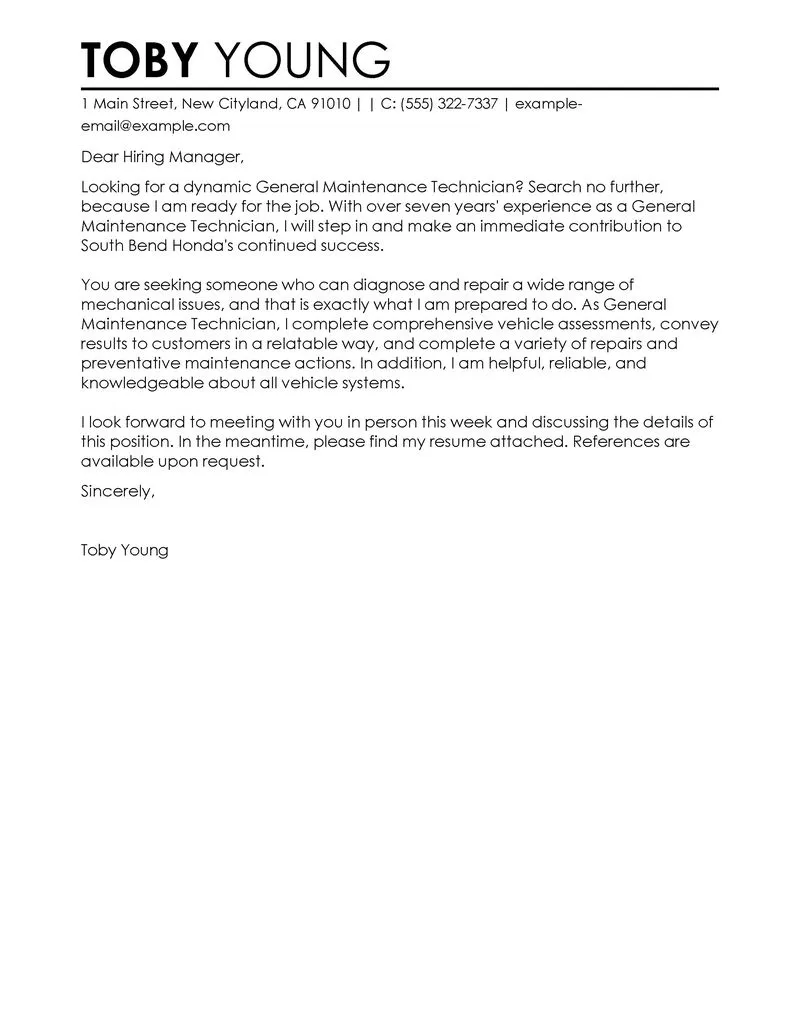
What is a Cover Letter
A cover letter is a crucial document that accompanies your resume when applying for a job. It serves as your personal introduction to the hiring manager, providing an opportunity to showcase your personality, skills, and enthusiasm for the position. Unlike a resume, which provides a factual overview of your experience and qualifications, a cover letter allows you to tell a story and explain why you are the perfect fit for the job and the company. It’s your chance to make a strong first impression and persuade the employer to read your resume and consider you for an interview.
Why is a Cover Letter Important
A well-written cover letter is essential for several reasons. First, it demonstrates your communication skills and attention to detail. A polished cover letter shows that you can write professionally and take the time to present yourself thoughtfully. Second, it allows you to tailor your application to the specific job and company. By highlighting the skills and experiences that align with the job description, you can make a compelling case for why you are a strong candidate. Third, it gives you the opportunity to address any potential gaps in your resume or explain why you are making a career change. Finally, it can significantly increase your chances of getting an interview, as it provides context and depth to your resume.
Key Components of a Cover Letter

A cover letter typically includes several key components that work together to create a cohesive and persuasive application. These components ensure that you present yourself professionally and make a strong case for your candidacy. Understanding these elements will help you craft a cover letter that effectively captures the hiring manager’s attention and increases your chances of securing an interview. Each section plays a vital role in showcasing your qualifications and enthusiasm for the position.
Heading Section
The heading section sets the tone for your cover letter and provides essential contact information. It’s the first element a hiring manager will see, so it’s crucial to make it clean, professional, and easy to read. This section includes your contact information, the date, and the recipient’s contact information. It’s a fundamental aspect of professional correspondence, ensuring that the recipient can easily identify you and respond. Proper formatting and attention to detail in this section demonstrate your professionalism and organizational skills.
Your Contact Information
At the top of your cover letter, include your full name, address, phone number, and email address. Make sure your email address is professional. This allows the hiring manager to quickly identify you and easily reach out if they are interested in scheduling an interview. Consistency across all your application materials (resume, cover letter, etc.) is essential for maintaining a professional image. Ensure that the information is up-to-date and accurate to avoid any communication issues.
Date

Below your contact information, include the date you are writing the cover letter. This is a standard element in formal correspondence, indicating when the letter was written. The date helps the recipient understand when the application was submitted and can be helpful for record-keeping purposes. Using the correct date format is important for a polished look and can also be an indicator of attention to detail.
Recipient’s Contact Information
Include the recipient’s name, title, company name, and address if you know them. If you can’t find the hiring manager’s name, use a general salutation such as “Dear Hiring Manager.” Addressing the letter to a specific person demonstrates that you have taken the time to research the company and the role, which can make a positive impression. If you are unsure of the specific recipient, make sure to search on LinkedIn or the company website for the relevant contact information.
Salutation
The salutation is your initial greeting in the cover letter, setting the tone for your communication. If you know the hiring manager’s name, use “Dear Mr./Ms./Mx. [Last Name].” If you are unsure of the recipient’s name, a professional alternative is “Dear Hiring Manager.” Avoid generic greetings like “To Whom It May Concern,” which can appear impersonal. The salutation should be followed by a colon. Using a personalized salutation can make your cover letter more engaging and show that you’ve done your research.
Body Paragraphs

The body paragraphs form the core of your cover letter. They are where you present your qualifications, skills, and enthusiasm for the role. This section is your opportunity to tell your story and make a compelling case for why you are the best candidate. Effective body paragraphs are well-structured, concise, and tailored to the job description. They should highlight relevant experiences, skills, and achievements while also conveying your personality and interest in the company. Each paragraph should serve a specific purpose, making the cover letter a focused and persuasive document.
First Paragraph Introduce Yourself
Begin your cover letter by clearly stating the position you are applying for and where you found the job posting. Briefly introduce yourself and provide a brief overview of your background and experience. This paragraph sets the context for the rest of your letter. It gives the reader a quick understanding of who you are and why you are interested in the role. Be concise and enthusiastic, making sure to capture the reader’s interest from the start. Mentioning the job source helps the employer track the effectiveness of their recruitment efforts.
Second Paragraph Highlight Skills & Experience
In the second paragraph, provide details about your skills and experience that are relevant to the job requirements. Use specific examples to illustrate your accomplishments and demonstrate your capabilities. Refer back to the job description and highlight the skills and experiences that align with what the employer is seeking. Quantify your achievements whenever possible by using numbers and data to demonstrate the impact of your work. Show, don’t just tell, by providing concrete examples of how you have successfully applied your skills in past roles.
Third Paragraph Express Interest & Enthusiasm
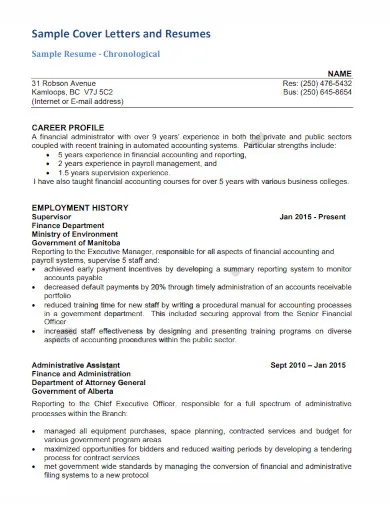
In your third paragraph, express your genuine interest in the company and the specific role. Explain why you are excited about the opportunity and what attracts you to the organization. Show that you have researched the company and understand its mission, values, and culture. Demonstrate how your goals align with the company’s objectives. This is your chance to show that you are not just looking for a job but that you are truly invested in the company’s success. Be specific and enthusiastic to make a lasting impression.
Closing
Your closing paragraph should reiterate your interest in the position and thank the hiring manager for their time and consideration. This section should be concise, polite, and professional. It leaves the reader with a positive impression and encourages them to take the next step, such as contacting you for an interview. Avoid sounding desperate or overly assertive; instead, maintain a tone of confidence and enthusiasm.
Formal Closing and Signature
End your cover letter with a formal closing such as “Sincerely,” “Best regards,” or “Thank you.” Follow this with your typed name. If you are sending a hard copy, you may also sign your name above your typed name. This adds a personal touch and reinforces your professionalism. Ensure that your closing is consistent with the overall tone of your letter and reflects your respect for the recipient.
Cover Letter Examples

Reviewing cover letter examples is a great way to understand different approaches and formats. Here are some examples to inspire you and guide your writing process, categorized by experience level.
Entry-Level Cover Letter Example
For entry-level positions, focus on highlighting your skills, education, and any relevant experience you may have gained through internships, volunteer work, or projects. Emphasize your eagerness to learn and your enthusiasm for the role. Tailor your letter to show how your skills and experiences align with the job requirements. The example below is a template for a recent graduate applying for a marketing assistant position. Remember to adapt it to your specific situation.
Mid-Career Cover Letter Example
Mid-career professionals should focus on showcasing their achievements, skills, and experience that demonstrate their ability to take on more responsibility. Highlight quantifiable results and examples of how you have contributed to your previous employers’ success. The example below is a template for a project manager with several years of experience. Tailor the template by including specific results and the specific job description.
Career Change Cover Letter Example

If you’re changing careers, your cover letter should clearly explain your reasons for the switch and how your skills and experience are transferable to the new role. Focus on highlighting the skills and accomplishments that are relevant to the new field, even if they were gained in a different industry. The example below is a template for a teacher transitioning into a training and development role. Remember to tailor this template based on your specific career change.
Tips for Customizing Cover Letters
Customizing your cover letter is essential for increasing your chances of getting an interview. A generic cover letter can be easily identified and often results in your application being overlooked. Take the time to personalize each cover letter to reflect the specific requirements of the job and the culture of the company. Customization shows the employer that you have taken the time to research the role and that you are genuinely interested in the opportunity.
Tailoring to the Job Description
Carefully review the job description and identify the key skills and requirements the employer is seeking. Then, align your skills and experiences to match these requirements. Use keywords from the job description in your cover letter to demonstrate that you understand the role. Provide specific examples of how you have successfully used these skills in the past. This targeted approach will make your cover letter more relevant and increase your chances of getting noticed. Make sure to address how your skills match the employer’s needs.
Proofreading and Editing

Proofreading and editing are crucial steps in ensuring your cover letter is polished and professional. Errors in grammar, spelling, or punctuation can create a negative impression and undermine your credibility. Always proofread your cover letter multiple times, ideally letting it sit for a day before reviewing it again. Consider asking a friend, family member, or career advisor to review your letter for any mistakes you may have missed. This attention to detail demonstrates your professionalism and commitment to excellence.
Formatting for Readability
Make sure your cover letter is easy to read. Use a professional font, such as Times New Roman, Arial, or Calibri, and maintain a consistent font size. Use clear formatting with appropriate spacing between paragraphs and sections. Use bullet points if you need to present a list of items. Keeping your cover letter concise and well-organized will make it more appealing to the reader. Make sure the length is about a page to maximize the effectiveness of your application.