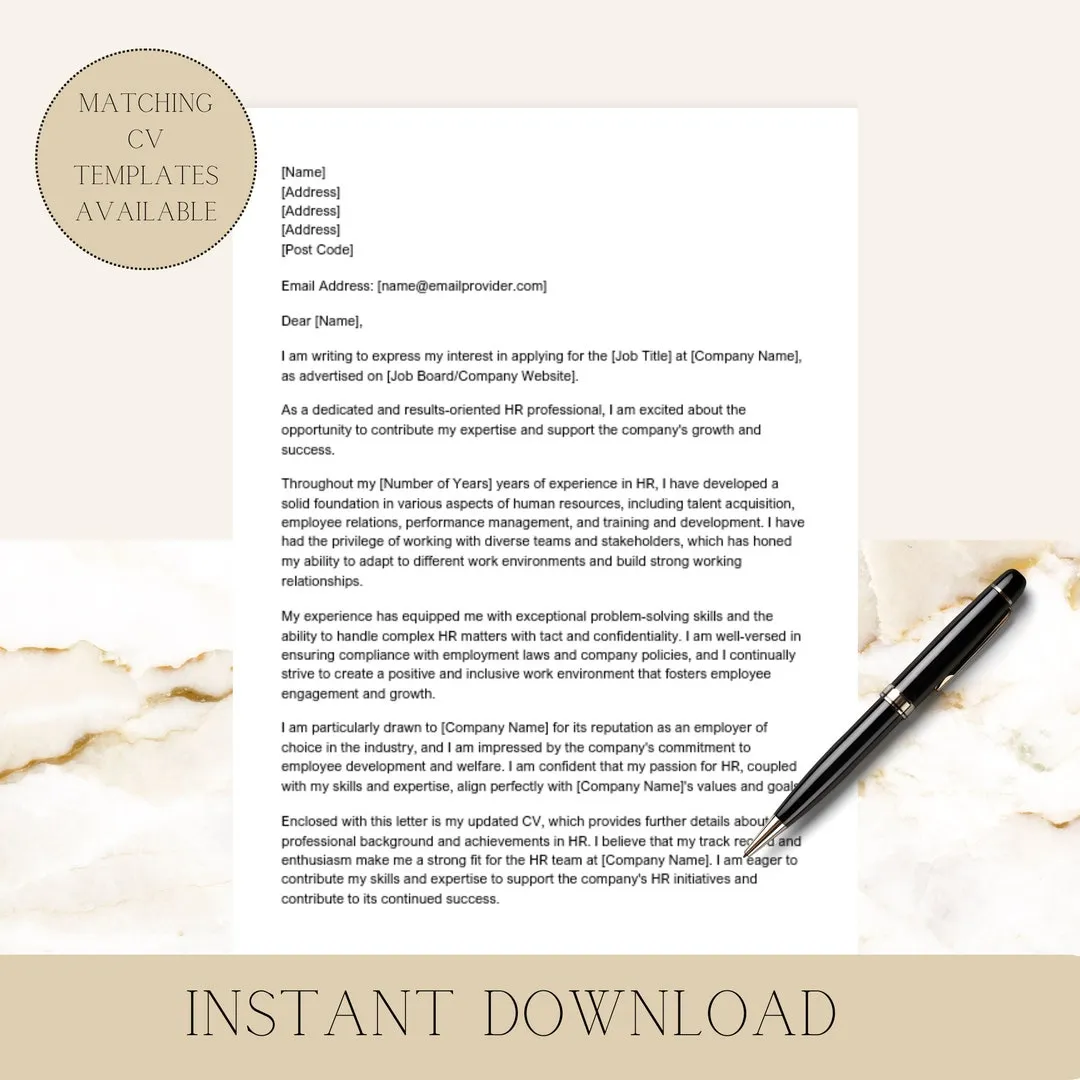
What is a Cover Letter?
A cover letter is a crucial document that accompanies your book proposal when you submit your manuscript to a publisher. It serves as your introduction, a snapshot of your book’s essence, and a persuasive argument for why the publisher should choose your work. It’s the first impression, and a well-crafted one can significantly increase your chances of getting your manuscript read and considered. Think of it as a handshake before a job interview, setting the tone and establishing a connection. Without a strong cover letter, your proposal might end up in the slush pile, never to be seen by the editorial team. Therefore, perfecting the cover letter is a critical step in the publishing process.
Why is a Cover Letter Important?
The cover letter is more than just a formality; it’s your chance to make a compelling case for your book. It provides context, highlights the unique selling points, and demonstrates your understanding of the publishing industry. It allows you to personalize your submission, showing the publisher that you’ve done your research and are genuinely interested in their company. This is your opportunity to stand out from the crowd of submissions. It also offers a concise overview of your book, making it easier for busy editors to quickly grasp its appeal. By effectively communicating the essence of your work, you increase the likelihood of them taking a closer look at your proposal.
Key Components of a Cover Letter

A well-structured cover letter is essential. It should include specific elements to ensure it’s both informative and persuasive. This section will detail each component, offering insights into crafting a cover letter that grabs the publisher’s attention from the outset. From your contact details to the closing salutations, we will break down each segment. Make sure to follow the specific guidelines for each publisher to increase your success rates. Make the cover letter concise and direct while remaining persuasive and engaging.
Your Contact Information
Start with your full name, address, phone number, and email address. This allows the publisher to quickly reach you. Ensure the email address is professional and active. This section appears at the top left, and should be clearly formatted and easy to read. Use a font that is accessible and professional. This is the first information the publisher will see, so it needs to look tidy and polished. Accuracy in these details is paramount to prevent any issues in the contact process.
Publisher’s Contact Information
Include the publisher’s name and address. If you know the name of the editor or agent you are addressing, include it. This shows you have taken the time to research the publisher, which is often appreciated. If you don’t know a specific person’s name, use a general salutation like ‘Dear Acquisitions Editor’. Finding the right contact is vital to your success. Always double-check this section for accuracy; mistakes here can be detrimental to your submission. Ensure you are targeting the appropriate department within the publishing house.
The Salutation

Use a professional greeting. ‘Dear Mr./Ms./Mx. [Last Name]’ is always a safe option if you know the specific recipient. If you do not know the name, ‘Dear Acquisitions Editor’ or ‘Dear Editorial Team’ are acceptable. Avoid overly informal greetings. The salutation sets the tone for the rest of the letter, so make sure it’s appropriate for the publishing environment. Always spell the name correctly. It shows respect and professionalism. Tailor the salutation to the publisher’s standard practice, which you can often discover through their website or social media.
Crafting the Opening Paragraph
The first paragraph is crucial. It should immediately grab the reader’s attention. Briefly state the title of your book, and what genre it fits into. Mention why you are sending your manuscript to this specific publisher, and if possible, reference something specific about their catalog that appeals to you. This personalized approach shows you’ve researched the publisher. A compelling opening paragraph can set the stage for a positive impression. Avoid generic phrases and aim for something that captures the essence of your book in an engaging way. The goal is to make them want to read more.
Highlighting Your Book’s Strengths
In the body of your letter, highlight your book’s key strengths. What makes it unique? What problem does it solve or what need does it fulfill? Focus on the aspects that are most appealing to the publisher’s target audience. Consider the marketability of your book and how it aligns with current trends or the publisher’s existing titles. Use concise, impactful language to convey the essence of your work. Use this section to differentiate your book from the competition. Emphasize the value your book offers to the publisher, such as its potential for sales, critical acclaim, or positive reviews.
Writing a Compelling Synopsis

Include a brief, enticing synopsis of your book. This gives the publisher a snapshot of the story or the main arguments in your book. Keep it concise – aim for a paragraph or two. The synopsis should capture the reader’s interest, providing enough detail to understand the premise without giving away the entire plot. Focus on the hook, the main characters, and the central conflict of your book. Write the synopsis to be compelling and informative, enticing the reader to want to read more. This section needs to make a strong, positive impact.
Showcasing Your Credentials
Briefly mention any relevant credentials or experience that makes you an authority on the subject or a qualified author for this book. Have you written other books? Do you have a significant platform or following? Do you have expertise in a particular field? This section should be brief and focused on qualifications relevant to the book. Make it clear why you are the right person to write this book. Including a brief, relevant professional history can add significant value to your proposal, and help the publisher see how the book fits in with your broader goals and expertise. Do not include irrelevant information.
Demonstrating Your Understanding of the Publisher
Show that you understand the publisher’s focus and their current market. Mention any of their books you admire and explain why your book would be a good fit for their list. This is where your research pays off. It demonstrates that you have taken the time to understand their brand. It’s essential to make the case for how your book aligns with the publisher’s existing titles. Showing a genuine interest in the publisher’s work increases your chances of success. This can be a deciding factor in their decision-making process.
The Closing Paragraph

Conclude by summarizing your key points and reiterating your interest in working with the publisher. Briefly mention the next steps, like providing a full manuscript if requested. Keep it concise and enthusiastic. Reiterate your belief in the book’s potential and thank them for their time and consideration. A strong closing paragraph can leave a lasting positive impression. This is your last chance to reinforce why the publisher should choose your work.
Expressing Gratitude
Always express your gratitude for the publisher’s time and consideration. A simple ‘Thank you for your time and consideration’ can go a long way. Show respect for their time and effort in reading your proposal. Gratitude is a sign of professionalism and courtesy, which can make a good impression. A polite and respectful tone enhances the overall impact of your letter. Making a good impression on the publisher shows that you value the opportunity to work with them.
Professional Closing and Signature
Use a professional closing, such as ‘Sincerely,’ or ‘Best regards,’ followed by your full name. If you are submitting a physical copy, sign your name above the typed version. Ensure your signature is legible. A professional closing reflects the seriousness and credibility of your proposal. Use a formal closing to maintain a professional tone. Always type your name below the closing phrase for easy reference. This gives the letter a complete and polished look.
Cover Letter Examples Key Elements

Reviewing examples can help you understand how to effectively apply all the key elements. Look for cover letters that have resulted in successful publishing deals. Note the language used and the way the authors present themselves. Understanding the structure and phrasing helps you to format your own. Analyze the effective use of tone, and how the author highlights the book’s strengths. Examining different examples can provide you with valuable insights. This helps you identify the most effective strategies for crafting your own cover letter.
Formatting Your Cover Letter
Proper formatting is critical for a professional appearance. Poor formatting can undermine the effectiveness of your cover letter, regardless of its content. It needs to be easy to read and visually appealing. Correct formatting makes it easier for the publisher to navigate your letter. The cover letter should present a professional image. Poor formatting can make the publisher think you lack attention to detail. Therefore, good formatting can help enhance your success rate.
Font and Spacing
Use a standard, easy-to-read font like Times New Roman, Arial, or Calibri. Ensure the font size is between 11 and 12 points. Use 1-inch margins and single or 1.15 line spacing. Consistent formatting creates a clean, professional look. Avoid fonts that are overly stylized or difficult to read. Ensure the spacing is appropriate for readability. This is a fundamental element in presenting your information professionally.
File Format

Submit your cover letter in a PDF format to preserve the formatting. This ensures that your letter looks the same on any computer. If the publisher requests a different format, follow their specific instructions. Using PDF prevents the formatting from being altered during transmission. Always adhere to the publisher’s specific guidelines regarding format. This avoids complications and helps the publisher view your letter correctly. Check that the PDF is viewable on all devices.
Proofreading and Editing
Proofread your cover letter meticulously. Check for grammar, spelling, and punctuation errors. Ask someone else to read it as well, as a fresh pair of eyes can often catch mistakes you missed. Errors undermine your credibility and can indicate a lack of attention to detail. Proofreading is a critical step. Always proofread the cover letter multiple times. Ensure there are no typos or grammatical errors. A polished, error-free cover letter will create a positive impression.
Cover Letter Mistakes to Avoid
Avoiding common mistakes can significantly improve your cover letter. These mistakes can damage your credibility. Recognizing and avoiding these pitfalls ensures a strong presentation. Careful review and revision is key. Addressing these mistakes elevates your chances of a successful submission. The mistakes can be avoided by following simple rules. Be aware of these common pitfalls.
Overly General Statements
Avoid generic statements that could apply to any book. The cover letter needs to specifically relate to your book and its potential for success. Make your claims as specific and tangible as possible. Avoid vague, generic language. Show the publisher that you have a real understanding of the publishing industry. Demonstrate why your book is unique and has the potential to succeed.
Typos and Grammatical Errors
Typos and grammatical errors reflect poorly on your attention to detail and professionalism. Always proofread your letter meticulously. Have someone else review it before you submit it. Use spell-check and grammar-check tools, but don’t rely on them entirely. Errors can undermine your credibility. Take the time to refine your writing. Ensuring the cover letter is free from errors is crucial. This attention to detail reflects well on your writing.
Ignoring the Publisher’s Guidelines
Always follow the publisher’s submission guidelines. Ignoring them can result in your submission being rejected without being read. Research the publisher’s guidelines and adhere to them. Following the guidelines demonstrates that you respect the publisher’s process. This shows that you’ve done your research and value their time. It is very important that you meet all the requirements that they lay out. Ensure that your submission fits what the publisher is looking for.
Submitting a Generic Cover Letter
Avoid sending a generic cover letter to multiple publishers. Tailor each letter to the specific publisher, mentioning why you are targeting them. This shows that you understand their list and are not simply sending out a mass email. Personalization is key to making a strong impression. Show that you have researched the publisher and have a genuine interest in them. Demonstrating that you’ve put in the effort is a sign of respect and professionalism.
Tips for a Standout Cover Letter
These tips will help your cover letter get noticed. Stand out by doing your research. Writing the perfect cover letter takes a lot of preparation. These tips can help you create a letter that is attractive to the publisher. The process is challenging, but a compelling cover letter can dramatically increase your chances of success. Take the time to craft a memorable letter. The extra effort can make all the difference.
Tailoring Your Cover Letter
Customize each cover letter for the specific publisher. Research their catalog, target audience, and submission guidelines. Personalize the content to reflect your understanding of their brand and requirements. Demonstrate that you know why your book would be a good fit for this specific publisher. Tailoring the letter shows that you have put in effort and want to work with this publisher. Tailor your letter to each publisher to show the effort you put into your submission. This increases your chances of acceptance.
Researching the Publisher
Thorough research is essential. Visit the publisher’s website, read their published books, and identify their areas of interest. Understanding their brand and preferences helps you tailor your cover letter to their specific needs. Researching the publisher shows that you have a serious interest in working with them. This research informs your understanding of the publisher’s focus. This will also give you an insight into the language they use. This gives you a chance to tailor the language of your cover letter to their specific needs.
Proofreading Your Cover Letter
Proofread and edit your cover letter multiple times. Check for spelling, grammar, punctuation, and clarity. Have someone else read it for feedback. A polished cover letter demonstrates professionalism and attention to detail. Eliminate any errors before submitting the letter. Errors can damage your credibility, therefore proofreading is critical. Ensure your cover letter is free from any mistakes or typos.
Following Up
After submitting your cover letter and proposal, follow up professionally. If the publisher has a stated timeline for response, wait until that time has passed. If no timeline is specified, follow up after a reasonable period (e.g., 4-6 weeks). A brief email is appropriate. Polite follow-up shows your continued interest and professionalism. Following up shows you are serious. Make a good impression by politely following up.
Conclusion Writing a Cover Letter
Writing a perfect cover letter is a critical step in the publishing process. It’s your first chance to introduce yourself and your manuscript. By following these guidelines, you can increase your chances of capturing the publisher’s attention. Always tailor your cover letter to the specific publisher and be sure to follow all their guidelines. Take the time to do the research and follow the tips in the article. With the right approach, you can greatly increase your chances of success. You are now fully equipped to craft a compelling cover letter that grabs the publisher’s attention. Good luck!