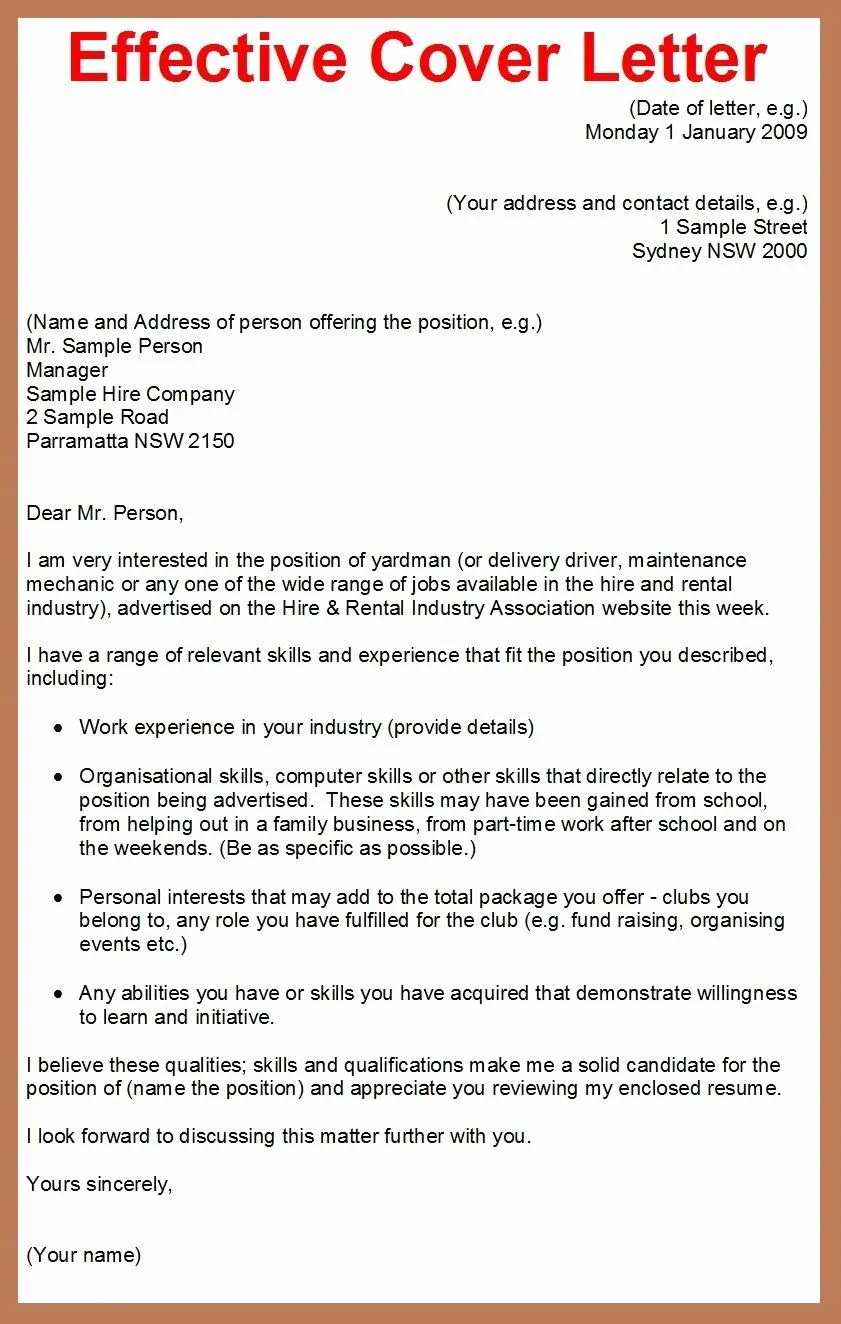
What is a Job Application Cover Letter?
A job application cover letter is a formal document that accompanies your resume when you apply for a job. It serves as your introduction to the hiring manager and provides an opportunity to expand on the information presented in your resume. Unlike the resume, which is a concise summary of your skills and experience, the cover letter allows you to showcase your personality, express your enthusiasm for the position, and demonstrate how your qualifications align with the specific requirements of the job. A well-crafted cover letter is a powerful tool in your job search arsenal, setting you apart from other applicants and increasing your chances of landing an interview. It’s your chance to make a strong first impression and convince the employer that you are the ideal candidate for the role.
Why a Cover Letter Matters
In today’s competitive job market, a cover letter is much more than just a formality it’s a critical tool. Many employers consider a cover letter essential, using it as a screening mechanism to assess a candidate’s communication skills, writing ability, and attention to detail. It allows you to provide context to your resume, explaining your career goals, motivations, and why you are particularly interested in the company and the specific position. A well-written cover letter demonstrates your proactive approach, highlighting your research on the company and your understanding of the role’s requirements. It’s an opportunity to connect with the hiring manager on a personal level, showing your personality and enthusiasm. In essence, a cover letter helps you stand out from the crowd, giving you a significant advantage in the application process and increasing your chances of getting an interview.
Key Components of a Winning Cover Letter

Crafting a winning cover letter involves several key components, each playing a vital role in making a positive impression. Firstly, a professional header with your contact information is crucial. Secondly, a personalized greeting addressed to the hiring manager or the specific department is essential. Next, a compelling opening paragraph should grab the reader’s attention, clearly stating the position you’re applying for and briefly mentioning why you’re a strong candidate. The body paragraphs should then focus on highlighting your value proposition, demonstrating your skills and experience, and showcasing relevant achievements. You should also tailor your letter to match the job description. Finally, the closing paragraph should reiterate your interest, express your eagerness for an interview, and include a clear call to action. Remember to format your letter professionally and meticulously proofread for any errors. These components work in harmony to present a comprehensive and persuasive case for your candidacy.
Header and Contact Information
The header is the very first element of your cover letter, and it’s crucial to get it right. It should include your full name, address, phone number, and professional email address. Ensure that your email address is professional and appropriate; avoid using nicknames or informal addresses. The header should be neatly formatted, typically aligned to the left or right of the page. Directly beneath your information, you should include the date, followed by the hiring manager’s name (if known), their title, and the company’s name and address. If you are applying online and the company provides a specific application system or contact person, use those details. This section sets a professional tone and provides the necessary information for the recipient to contact you easily.
The Greeting
The greeting is your opportunity to make a personal connection. Whenever possible, address the hiring manager by name. Researching the company’s website or LinkedIn can help you find the appropriate name and title. If the name is unavailable, use a professional alternative such as “Dear Hiring Manager” or “Dear [Department Name] Team.” Avoid generic greetings like “To Whom It May Concern” as they can make your letter feel impersonal. Using the hiring manager’s name shows that you have taken the time to research the company and demonstrates your attention to detail. It sets a positive tone and encourages the reader to engage with your letter. This simple step can significantly improve the impact of your application.
Opening Paragraph Capturing Attention

Your opening paragraph is your first chance to make a great impression. It should immediately grab the reader’s attention and clearly state the position you’re applying for. Briefly mention where you saw the job posting (e.g., company website, LinkedIn, job board). More importantly, convey your enthusiasm for the position and the company. You can briefly summarize your key qualifications or mention something specific that sparked your interest in the role or the company. Keep it concise and engaging, setting the stage for the rest of your letter. The goal is to make the hiring manager want to read on. This initial paragraph is crucial because it determines whether the reader will continue to review your application.
Highlighting Your Value Proposition
The value proposition is the core of your cover letter. It’s about clearly communicating the unique value you bring to the table. Focus on what you can offer the company, not just what you want from the job. Connect your skills and experiences to the specific requirements of the position. Briefly state your relevant skills, experience, and accomplishments. Use the job description as your guide, identifying the key skills and qualifications the employer is seeking. Provide concrete examples of how you have used these skills in the past to achieve positive outcomes. Quantify your achievements whenever possible, using numbers to demonstrate your impact (e.g., “increased sales by 15%,” “managed a team of 10 employees”). This helps the hiring manager quickly understand the value you bring to the role.
Demonstrating Skills and Experience
When discussing your skills and experience, focus on the most relevant aspects for the job. Instead of listing everything, choose the skills and experiences that align directly with the requirements outlined in the job description. Provide specific examples that illustrate how you have used these skills in past roles. Use the STAR method (Situation, Task, Action, Result) to structure your examples. Start by describing the situation you were in, the task you needed to accomplish, the action you took, and the positive result you achieved. For example, “In my previous role at X Company, I was tasked with improving customer satisfaction. I implemented a new customer service training program (Action), which led to a 20% increase in positive customer feedback (Result).” This approach provides concrete evidence of your capabilities and makes your claims more persuasive.
Showcasing Achievements

Achievements are a powerful way to demonstrate your value. Focus on quantifiable results and accomplishments rather than simply listing your responsibilities. Use action verbs to describe your accomplishments, such as “achieved,” “managed,” “implemented,” or “improved.” Whenever possible, quantify your achievements using numbers, percentages, or other metrics. For instance, instead of saying “Improved team efficiency,” say “Improved team efficiency by 15% through implementing new workflow processes.” This approach provides concrete evidence of your abilities and makes a lasting impression. Showcasing your achievements is one of the most effective ways to convince an employer that you are a top candidate. Provide specific examples that highlight your successful contributions and impact in previous roles.
Tailoring to the Job Description
Customizing your cover letter for each job application is essential. Never send a generic cover letter; always tailor it to match the specific job description and the company’s needs. Start by carefully reading the job description, identifying the key skills, qualifications, and experiences the employer is seeking. Then, adjust your cover letter to emphasize how your skills and experience align with these requirements. Use the same keywords and phrases that are used in the job description. Research the company and its values and goals. Show that you understand the company’s mission and how you can contribute to its success. This level of personalization demonstrates your genuine interest in the role and increases your chances of getting noticed by the hiring manager. It shows that you have taken the time to understand what the company is looking for.
Closing Paragraph and Call to Action
The closing paragraph is your final opportunity to reinforce your interest and leave a positive impression. Reiterate your enthusiasm for the position and the company. Express your gratitude for the reader’s time and consideration. Include a clear call to action, such as “I am eager to discuss my qualifications further in an interview” or “I welcome the opportunity to learn more about this exciting opportunity.” Provide your contact information again, just in case. Thank the hiring manager for their time. A well-crafted closing paragraph reinforces your interest and makes it easy for the hiring manager to take the next step, making it easier for them to consider your application favorably. A strong and clear call to action encourages a response.
Formatting and Proofreading

Proper formatting and meticulous proofreading are crucial. A well-formatted cover letter is easy to read and presents a professional image. Use a standard, easy-to-read font like Times New Roman, Arial, or Calibri, and keep the font size between 10 and 12 points. Use consistent spacing and margins (typically 1 inch on all sides). Structure your letter with clear paragraphs and headings to make it easy to follow. Before submitting, carefully proofread your cover letter for any errors in grammar, spelling, and punctuation. Consider having a friend or family member review your letter as well. Errors can detract from your qualifications and make a negative impression. Proofreading shows attention to detail and demonstrates your commitment to quality.
Proofreading and Editing
Proofreading and editing are critical steps in the cover letter writing process. Errors in grammar, spelling, and punctuation can undermine your credibility and make you appear unprofessional. After writing your cover letter, take a break before proofreading it to allow for a fresh perspective. Read your cover letter slowly and carefully, checking for any mistakes. Use a grammar and spell checker, but don’t rely on it completely; these tools can miss subtle errors. Consider reading your letter aloud; this can help you catch awkward phrasing or sentences that don’t flow smoothly. Ask a trusted friend, family member, or career advisor to review your cover letter for feedback. They can often spot errors that you might miss. Always review the final version before submitting your application.
Common Mistakes to Avoid
Avoiding common mistakes is key to writing a winning cover letter. One of the most significant mistakes is sending a generic cover letter. Always customize your letter for each job. Don’t make the letter too long; aim for one page, as hiring managers have limited time. Avoid repeating information from your resume; instead, use the cover letter to elaborate on your experience and highlight your value proposition. Do not include irrelevant information or personal anecdotes that are not related to the job. Finally, be positive and enthusiastic in your tone; avoid sounding negative or complaining about previous employers or experiences. By avoiding these common pitfalls, you can create a cover letter that will make a positive impression on potential employers and increase your chances of success.