Understanding the Power of a Cover Letter
In the competitive landscape of job applications, a well-crafted cover letter can be your most potent weapon. It’s your opportunity to go beyond the facts and figures of your resume, to showcase your personality, passion, and how your unique skills align with the specific role. A cover letter provides context, allowing you to explain career transitions, address gaps in your employment history, or simply express your genuine interest in the company and position. It’s where you make a compelling first impression, demonstrating your communication skills and attention to detail, crucial elements that can set you apart from other qualified candidates. Ultimately, a strong cover letter significantly increases your chances of securing an interview, the first step toward landing your dream job.
Why a Cover Letter Matters
A cover letter is more than just an optional formality; it is a critical tool that can significantly enhance your job application. Firstly, it provides a platform to personalize your application. Standard resumes often lack the space to fully express your unique motivations, experiences, and how they relate to the specific role. In your cover letter, you can tailor your narrative to each job, demonstrating your research and genuine interest in the company. Secondly, cover letters allow you to highlight specific skills and experiences that directly align with the job requirements. You can provide concrete examples, showcasing how you’ve utilized those skills in the past and how they can benefit the potential employer. Lastly, a well-written cover letter conveys your personality and communication skills, offering employers a glimpse of who you are beyond the listed qualifications on your resume. This adds a human element, making you more memorable and increasing the likelihood of an interview call.
Cover Letter vs Resume

While your resume provides a comprehensive overview of your professional history, skills, and qualifications, a cover letter complements this information by adding context and personality. The resume is essentially a factual document that presents your work experience, education, and achievements in a concise and organized manner. It focuses on what you’ve done, using bullet points and quantifiable results to demonstrate your value. Conversely, the cover letter allows you to tell a story, explaining why you’re the perfect fit for the role and the company. It showcases your communication skills, enthusiasm, and understanding of the company’s needs. It offers the opportunity to address any potential concerns, explain gaps in your employment history, or clarify your career goals. Think of the resume as the ‘what’ and the cover letter as the ‘why’, both working in tandem to paint a complete picture of you as a candidate. They both provide the employer with a clear picture of who you are and what you can bring to the company.
Key Components of a Winning Cover Letter
Header Information
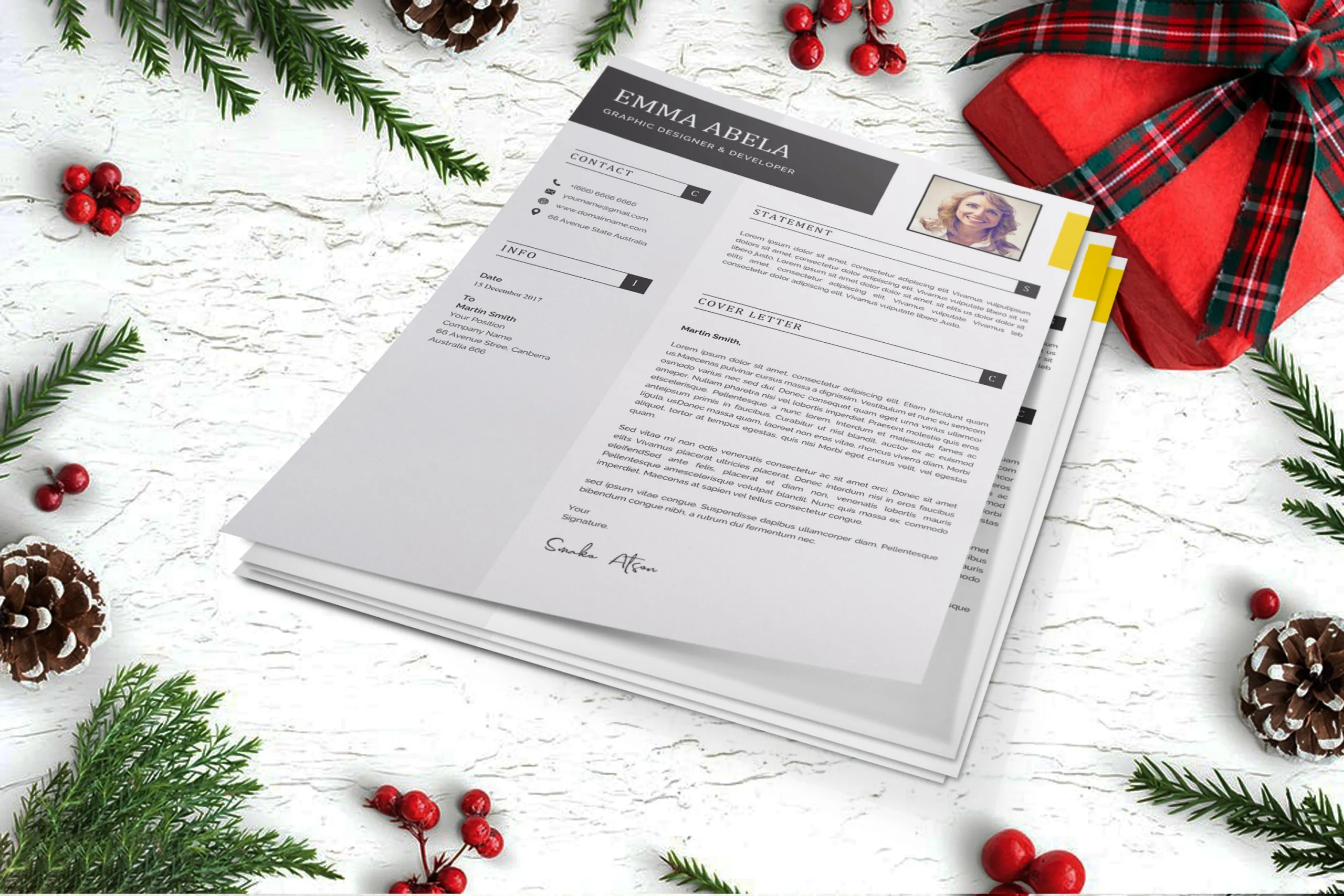
The header of your cover letter sets the professional tone and includes essential contact information. Begin with your full name, address, phone number, and email address. This ensures that the hiring manager can easily reach you. Following this, include the date of the letter and the recipient’s information. This typically consists of the hiring manager’s name, title, company name, and address. If you are unable to find the specific name of the hiring manager, always try to find a name in the company directory or on LinkedIn. Addressing your cover letter to a specific person demonstrates that you have done your research and are genuinely interested in the position. The header, therefore, is the first impression and should be meticulously formatted and error-free to show your attention to detail.
Greeting

Your greeting should be professional and personalized. Use a formal salutation, such as ‘Dear Mr./Ms. [Last Name],’ when you know the hiring manager’s name. Researching the recipient’s name beforehand shows your initiative and respect. If a specific name is unavailable, use a generic but still professional greeting, such as ‘Dear Hiring Manager,’ ‘Dear [Department Name] Team,’ or ‘To Whom It May Concern’ as a last resort. Avoid overly casual greetings like ‘Hi’ or ‘Hello’ as they can undermine the formal tone of a job application. The greeting sets the tone for the rest of the letter, so make sure it’s appropriate for the company culture and position level. Always double-check the spelling of the recipient’s name to show your attention to detail and respect.
Opening Paragraph
The opening paragraph is your hook. It should immediately grab the reader’s attention and clearly state the purpose of your letter. Start by mentioning the specific position you’re applying for and where you found the job listing. Immediately express your enthusiasm for the role and the company. Briefly mention something that caught your eye about the job or the company, showing that you have done your research. You might highlight a key skill or experience that aligns with the job requirements. The opening should be concise and compelling, setting the stage for the rest of your letter. It is the initial impression you give the reader and will determine whether they read further. Keep the introduction brief, impactful, and focused on your excitement and qualifications.
Body Paragraphs
The body paragraphs are where you showcase your skills, experience, and achievements. They should be well-structured and focused, demonstrating how your qualifications match the job requirements. Use the job description as a guide to identify the key skills and experiences the employer is seeking. Provide specific examples of how you have used those skills and what results you achieved in past roles. Use the STAR method (Situation, Task, Action, Result) to structure your examples, making them clear and impactful. Tailor the content to each specific job, highlighting the most relevant aspects of your background. Avoid simply restating your resume; instead, elaborate on your experiences and connect them to the needs of the company. Keep the tone professional and enthusiastic, reflecting your genuine interest in the opportunity. Finally, structure the paragraphs logically, making sure there’s a clear flow of information and an easy read.
Showcasing Skills and Experience

When showcasing your skills and experience, be strategic. Begin by thoroughly reviewing the job description to identify the key skills and qualifications the employer is seeking. Then, in your body paragraphs, provide specific examples of how you have demonstrated those skills in your past roles. Instead of simply listing your skills, provide tangible evidence by describing the situations in which you applied them and the positive outcomes that resulted. Quantify your achievements whenever possible by using numbers and metrics to illustrate your impact. For instance, instead of saying ‘Improved customer satisfaction,’ state ‘Increased customer satisfaction by 15% through implementing a new feedback system.’ Use action verbs to describe your responsibilities and accomplishments, making your descriptions dynamic and engaging. Connect your skills directly to the requirements of the job, showing the hiring manager how you can contribute to the company’s success.
Highlighting Achievements
Highlighting your achievements is crucial to make your cover letter impactful. Instead of listing your responsibilities, emphasize your accomplishments and the positive outcomes you’ve achieved in previous roles. Quantify your achievements whenever possible by using numbers and metrics to demonstrate your impact. Use the STAR method (Situation, Task, Action, Result) to structure your examples, making them clear and concise. Briefly describe the situation, the task you undertook, the actions you took, and the results you achieved. This method helps showcase how you’ve used your skills and experience to deliver tangible value. Focus on results that align with the company’s needs and priorities. For example, if the job description emphasizes sales growth, highlight instances where you exceeded sales targets or implemented successful sales strategies. Make sure to use strong action verbs to describe your accomplishments, making your achievements more compelling and memorable.
Tailoring to the Job Description
Tailoring your cover letter to the specific job description is crucial for demonstrating that you are a good fit for the role. Begin by carefully reading the job description and identifying the key skills, experiences, and qualifications the employer is seeking. Then, in your cover letter, highlight the aspects of your background that directly align with these requirements. Provide specific examples of how you have demonstrated those skills and experiences in your previous roles. Use the same keywords and phrases from the job description to make it clear that you understand the role and the company’s needs. Research the company to understand its values, mission, and current projects. Address how you can contribute to the company’s goals. Avoid using a generic cover letter; personalize it to show your genuine interest and to stand out from other applicants.
Closing Paragraph

The closing paragraph should summarize your interest in the position and express your enthusiasm for the opportunity. Briefly reiterate why you are a strong candidate and what you can bring to the company. Reiterate your interest in the company. Thank the hiring manager for their time and consideration. This is also a chance to express your expectations or the next steps in the process. Keep the closing concise and professional, leaving a positive and lasting impression. End with a strong call to action, making it clear that you are looking forward to hearing from them. Express your eagerness to discuss how you can contribute to their team. This will convey your interest and leave the reader feeling that you are an enthusiastic and qualified candidate.
Call to Action
Include a clear and confident call to action. State your availability for an interview and express your enthusiasm for discussing the opportunity further. Use phrases like ‘I am eager to discuss my qualifications in an interview’ or ‘I am available for an interview at your earliest convenience.’ Provide your contact information again, especially your phone number and email, to make it easy for the hiring manager to reach you. Be polite and express your appreciation for their consideration. Your call to action should summarize your intent, showing your interest and professionalism. Make it easy for the hiring manager to take the next step by providing clear instructions on how to contact you. This ensures that you create a strong and positive lasting impression.
Formal Closing
Conclude your cover letter with a professional closing. The most common and appropriate closing is ‘Sincerely,’ or ‘Best regards,’ followed by a comma, and then your full name. Avoid casual closings like ‘Thanks’ or ‘Cheers’ as they can undermine the professional tone. If you’re sending a hard copy, leave space for your signature above your typed name. This is an important detail to add to the professionalism of the letter, showing attention to detail. Always proofread the closing to ensure accuracy and professionalism. Ensure the closing complements the tone of your letter. A formal closing leaves the reader with a positive impression, showing that you are considerate, professional, and respectful of the hiring manager.
Formatting and Design Tips

Font and Readability
Choosing the right font and formatting is crucial for readability and professionalism. Use a clear, easy-to-read font such as Times New Roman, Arial, or Calibri. The font size should be between 10 and 12 points for optimal readability. Use consistent formatting throughout your letter, including font size, line spacing, and margins. Single-space your text and use a blank line between each paragraph. Maintain a consistent margin of 1 inch on all sides of the document. This will make your cover letter easier to read and more visually appealing. Avoid using fancy fonts or overly stylized designs, which can distract from the content. Make sure the font choices are professional and make the document easy on the eyes. Good formatting enhances the overall readability and makes your cover letter more approachable for the hiring manager.
Length and Structure
Keep your cover letter concise and focused. Ideally, a cover letter should be no more than one page long. This ensures that the hiring manager can quickly grasp your key qualifications and interest in the role. Structure your letter logically, using clear headings and paragraphs. Each paragraph should focus on a specific point, making your letter easy to read and follow. Use bullet points to highlight key achievements or skills. This makes the information more accessible and visually appealing. Prioritize the most relevant information and tailor it to the specific job description. Ensure that your cover letter flows well and tells a compelling story that reflects your qualifications and enthusiasm. A well-structured letter helps make your application memorable and shows your effective communication skills.
Proofreading and Editing

Proofreading and editing are essential steps in the cover letter writing process. Before submitting your cover letter, carefully review it for any errors in grammar, spelling, punctuation, and sentence structure. Errors can undermine your credibility and suggest a lack of attention to detail. Read your cover letter aloud to catch any awkward phrasing or inconsistencies. Ask a friend, family member, or career advisor to review your letter. They can provide an objective perspective and identify any areas for improvement. Check the formatting of your letter and confirm that it’s consistent throughout. Ensure that your contact information is correct and up-to-date. A well-proofread and edited cover letter demonstrates professionalism and a commitment to quality, increasing your chances of making a positive impression.
Common Mistakes to Avoid
Generic Cover Letters
Avoid using a generic cover letter template for all job applications. Tailor your letter to each specific job by researching the company and role. Customizing your cover letter shows your genuine interest and demonstrates that you understand the job requirements. Highlight the skills and experiences that are most relevant to the position and make it clear how you can contribute to the company’s success. Use keywords and phrases from the job description to showcase your understanding of the role and company values. A generic letter demonstrates a lack of effort and may lead to your application being overlooked. Personalize your cover letter to increase your chances of getting noticed and landing an interview. A tailored letter makes you stand out as a candidate.
Typos and Grammatical Errors

Typos and grammatical errors can make your cover letter seem unprofessional and damage your credibility. Always proofread your letter carefully before submitting it. Check for spelling mistakes, punctuation errors, and incorrect word usage. Read your letter aloud to catch any awkward phrasing or inconsistencies. Use grammar and spell-check tools, but don’t rely on them completely. They may not catch every error. Ask someone else to review your letter to get a fresh perspective and to identify any mistakes you may have missed. Proofreading ensures that your cover letter presents you in the best possible light, showing that you are attentive to detail and a professional candidate. Correct any issues before submitting your cover letter to avoid negatively impacting your chances.
Ignoring the Job Description
Ignoring the job description is a critical mistake that can lead to your application being rejected. Always carefully read the job description and tailor your cover letter to the specific requirements and responsibilities. Highlight the skills and experiences that the employer is seeking, and provide specific examples of how you’ve demonstrated them in previous roles. Use keywords and phrases from the job description to show that you understand the role and the company’s needs. Research the company to understand its values, mission, and current projects. Address how your skills and experience can contribute to the company’s goals. Demonstrating that you understand and meet the job’s requirements is essential. Personalizing your cover letter to meet the specific requirements of the role significantly boosts your chances of standing out and being invited for an interview.
Example of a Winning Cover Letter
Include a real example. A good example cover letter. This is a guide, include some example in it, using all the structure mentioned before. This is only a sample, and all the data should be changed with the real data.