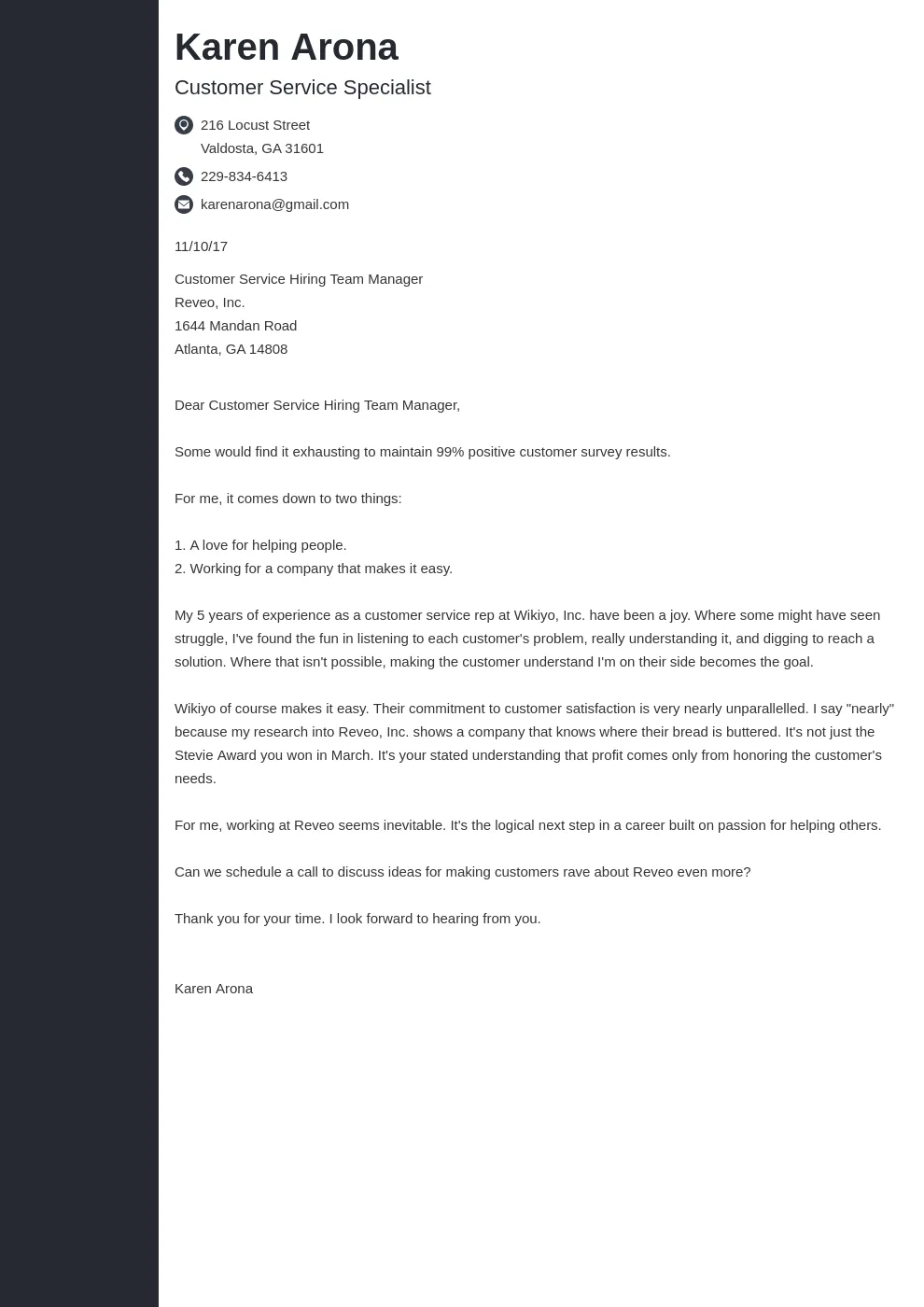
Why a Cover Letter Matters
In today’s competitive job market, a well-crafted cover letter can be your secret weapon. It’s more than just a formality; it’s your first impression, a chance to showcase your personality, skills, and genuine interest in the role. A cover letter allows you to elaborate on your resume, providing context and highlighting the experiences that make you the perfect fit for the position. It’s an opportunity to tell a story, to connect with the hiring manager on a personal level, and to set yourself apart from other applicants. Neglecting a cover letter or submitting a generic one can be a missed opportunity, potentially leading to your application being overlooked. A strong cover letter proves you’ve taken the time and effort to understand the job and the company, signaling to the employer that you’re serious about the opportunity.
Understanding the Purpose of a Cover Letter
The primary goal of a cover letter is to persuade the hiring manager to read your resume and consider you for an interview. It acts as an introduction, offering a glimpse into your professional background, skills, and career aspirations. Unlike your resume, which is a factual summary of your experience, a cover letter allows you to explain why you’re interested in the specific role and the company. It demonstrates your understanding of their needs and how you can contribute to their success. A well-written cover letter should answer the question, “Why you and why this company?” by highlighting your relevant skills and experiences, and explaining your motivations for applying. By demonstrating your understanding of the company’s needs, you position yourself as a proactive and insightful candidate.
Key Components of a Cover Letter

A compelling cover letter typically includes several key components. These elements work together to create a cohesive and persuasive narrative. Begin with your contact information, followed by the date and the recipient’s information. Then, craft a strong salutation, addressing the hiring manager whenever possible. The body of the letter should consist of a compelling opening paragraph, a discussion of your relevant skills and experiences, and a closing paragraph that reiterates your interest and includes a call to action. Careful attention to each of these components will ensure your cover letter is clear, concise, and impactful, increasing your chances of landing an interview.
Contact Information
Your contact information should be at the top of your cover letter, mirroring what’s on your resume. This typically includes your full name, phone number, email address, and sometimes your LinkedIn profile URL or personal website. Make sure this information is accurate and up-to-date. Choose a professional email address; avoid using nicknames or unprofessional language. Clear and accessible contact details ensure that the hiring manager can easily reach you if they decide to move forward with your application. Ensuring your contact information is readily available removes any potential obstacles in the hiring process.
The Salutation How to Address the Recipient
The salutation is the greeting of your cover letter. Addressing the hiring manager correctly sets a professional tone and shows you’ve taken the time to personalize your application. It is important to note that the best way to open your cover letter is by addressing the hiring manager by name, as this demonstrates that you have done your research and are genuinely interested in the position.
Addressing a Cover Letter When the Hiring Manager Is Known

The ideal scenario is knowing the hiring manager’s name. This demonstrates attention to detail and a genuine interest in the company. If the job posting provides a name, use it. If not, research the company’s website or LinkedIn to find the appropriate person. Addressing the letter to a specific individual makes it feel more personal and shows you’ve gone the extra mile. A personalized greeting is far more effective than a generic one in capturing the hiring manager’s attention.
Using a Specific Name for Maximum Impact
Use the hiring manager’s full name whenever possible, and ensure you spell it correctly. Start with “Dear Mr./Ms./Mx. [Last Name],” based on their preferred title. This level of personalization shows respect and attention to detail. Double-check your spelling to avoid any errors; a misspelling can create a negative first impression. Using a specific name immediately sets a professional tone and makes your application stand out. If unsure about the gender, using the full name with no title is a good approach.
Researching the Hiring Manager
If the hiring manager’s name isn’t listed, invest time in research. Check the company’s website, LinkedIn, or other professional networking platforms. Look for the person responsible for hiring or the team manager. Knowing their name allows you to tailor your letter specifically to them, demonstrating your enthusiasm for the opportunity. When researching, pay attention to the person’s role and responsibilities. Any information about the manager you can get prior will make your application more personalized and memorable.
What to Do When the Hiring Manager’s Name is Unavailable

If you can’t find the hiring manager’s name, don’t panic. There are alternative approaches. Avoid overly generic greetings like “To Whom It May Concern.” These phrases are impersonal and may not capture the hiring manager’s attention. It is best to try finding the hiring manager’s name, but sometimes this is not possible. If not, there are other ways to address your cover letter that will be more effective.
Using a Generic Salutation
If you cannot find a specific name, consider alternatives. A good option is to address the letter to the hiring team, such as “Dear Hiring Manager” or “Dear [Company Name] Recruiting Team.” These greetings are better than “To Whom It May Concern” because they’re more targeted. Use these greetings only when you’ve exhausted all other research options. Make sure to align the greeting with the job posting; if the listing mentions a specific department, tailor your salutation accordingly. This shows you have paid close attention to the job advertisement.
Alternatives to Generic Salutations
If using a generic salutation, personalize the rest of the letter to compensate. Reference the job title or the company’s mission statement to show you’ve taken the time to understand the role. Begin with a strong opening paragraph that captures attention and clearly states your interest. Emphasize your relevant skills and experiences, and tailor your letter to the company’s needs and values. Proofread carefully to ensure there are no errors. Even with a generic salutation, you can still make a strong impression through the content and tone of your cover letter.
The Body of the Cover Letter

The body of your cover letter is where you showcase your skills, experience, and personality. It should provide a clear narrative that connects your qualifications to the job requirements. The goal is to convince the hiring manager that you are the ideal candidate. Structure your letter logically, with an engaging introduction, several body paragraphs highlighting your relevant experiences and skills, and a strong conclusion. Each paragraph should serve a specific purpose, reinforcing your message and building your case for why you’re the best fit for the role.
Highlighting Your Skills and Experiences
Focus on the skills and experiences that directly align with the job description. Review the job posting carefully and identify the key requirements, and then provide examples from your past experiences that demonstrate how you have these skills. Use action verbs to describe your accomplishments and quantify your achievements whenever possible. Don’t just list your responsibilities; explain what you accomplished in each role. Provide specific examples, using the STAR method (Situation, Task, Action, Result) to give context. Demonstrating your skills with relevant examples makes your application compelling and memorable.
Tailoring Your Letter to the Job Description
Customize your cover letter for each job you apply for. Review the job description and identify the key requirements and desired skills. Then, adjust your letter to match these requirements, emphasizing the experiences and skills that are most relevant. Explain how your experience prepares you for the role and how you meet the specific needs of the company. Avoid sending a generic cover letter. Tailoring your letter shows that you are genuinely interested in the specific opportunity and have the skills the employer is looking for. Take the time to research the company’s mission and values and incorporate them into your letter.
Quantifying Your Achievements

Whenever possible, quantify your achievements to demonstrate your impact. Use numbers and data to illustrate your accomplishments. For example, instead of saying “Increased sales,” say “Increased sales by 15% in one quarter.” This provides tangible evidence of your abilities and makes your claims more credible. Quantifying your achievements helps the hiring manager understand the value you bring. By including specific metrics, you provide concrete proof of your skills and the results you can deliver. Be precise and use relevant metrics to showcase your successes.
The Closing of Your Cover Letter
The closing of your cover letter is as important as the opening. It’s your last chance to leave a positive impression and encourage the hiring manager to take action. The closing paragraph should summarize your interest in the role, express your gratitude for their time, and include a clear call to action. A well-crafted closing can significantly increase your chances of getting an interview. It reiterates your interest, shows courtesy, and gives the hiring manager a clear direction to follow.
Expressing Gratitude and Enthusiasm
Thank the hiring manager for their time and consideration. Express your enthusiasm for the opportunity and reiterate your interest in the role. Be sincere and genuine in your closing. This shows respect and a positive attitude. Avoid generic phrases; instead, tailor your closing to the specific job and company. Let them know that you are excited about the potential to contribute to their team. Reiterate how your skills and experience align with the company’s needs. A well-worded thank you is important to reinforce your interest.
Call to Action

End with a clear call to action, such as inviting the hiring manager to contact you for an interview. Make it easy for them to take the next step. Include your contact information again for their convenience. This could be a simple statement like, “I am eager to discuss my qualifications further and would welcome the opportunity for an interview.” Make sure it is easy for the hiring manager to contact you. This final step encourages the hiring manager to take action and move your application forward. A proactive close increases the likelihood of a positive outcome.
Common Cover Letter Mistakes to Avoid
Avoiding common mistakes can significantly improve your cover letter’s effectiveness. Poor grammar, lack of personalization, and failure to tailor your letter to the job are frequent pitfalls. Proofreading your cover letter is essential to eliminate errors. Paying attention to these common mistakes can help you create a strong and effective cover letter.
Grammar and Spelling Errors
Proofread your cover letter carefully to eliminate any grammar or spelling errors. Mistakes can make you appear careless or unprofessional, potentially leading to your application being rejected. Use grammar checkers, spell-check tools, and ask a friend or colleague to review your letter. Errors can damage your credibility and undermine your message. Thorough proofreading is critical to ensure your cover letter presents you in the best possible light. Ensure your language is clear, concise, and free of any grammatical errors.
Lack of Personalization

Avoid using a generic cover letter template. Customize your letter for each job application. Generic letters often fail to capture the hiring manager’s attention. The more personalized your letter, the better. Show that you’ve researched the company and understand the job requirements. Address the hiring manager by name when possible. Customization shows that you are genuinely interested in the position and have taken the time to learn about the opportunity. A personalized cover letter demonstrates your enthusiasm and attention to detail.
Failing to Tailor to the Job
Don’t submit a generic cover letter to every job application. Tailor your letter to match the specific requirements and keywords in each job description. Highlight the skills and experiences that are most relevant to the role. Tailoring your letter shows that you understand the needs of the company. Research the company and demonstrate how your skills align with their values. Customize each cover letter to the job, highlighting the relevant skills and experiences. This increases your chances of getting an interview and showcases your attention to detail.
Tips for Formatting a Cover Letter
Effective formatting enhances readability and professionalism. Proper formatting makes your cover letter easy to read and visually appealing. Pay attention to font, size, margins, and spacing. A well-formatted letter reflects your attention to detail and professionalism.
Font and Size
Choose a professional font like Times New Roman, Arial, or Calibri, and use a readable font size (11 or 12 points). These fonts are easy to read. Avoid using unusual or overly decorative fonts that can distract the reader. Ensure consistency throughout your cover letter. The font should be clear and legible to the hiring manager. A simple, clean font presents a professional image.
Margins and Spacing
Use standard margins (1 inch on all sides) and single or 1.15 line spacing. Proper margins and spacing make your cover letter look clean and organized. Avoid making the text appear too crowded or too spread out. Keep it consistent and balanced. Proper spacing will make your cover letter easier to read. Good formatting helps the reader focus on the content. Consistent margins and spacing improve the overall presentation of your cover letter.
Proofreading Your Cover Letter
Thorough proofreading is essential. Check for any grammatical errors, spelling mistakes, or formatting inconsistencies. Read your cover letter multiple times, and have someone else review it as well. It’s always better to have an extra set of eyes. Errors can undermine your credibility. Ensure the language is clear, concise, and free of errors. Make sure your cover letter is a polished and professional document.
Tools and Resources for Cover Letter Writing
There are many tools and resources available to help you write an effective cover letter. Grammar checkers can help identify and correct errors. Cover letter templates provide a framework for organizing your thoughts. Online resources offer guidance and examples. Use these resources to improve your cover letter. The more resources you use, the higher chance you have of submitting a polished cover letter. Resources can help to streamline the writing process.