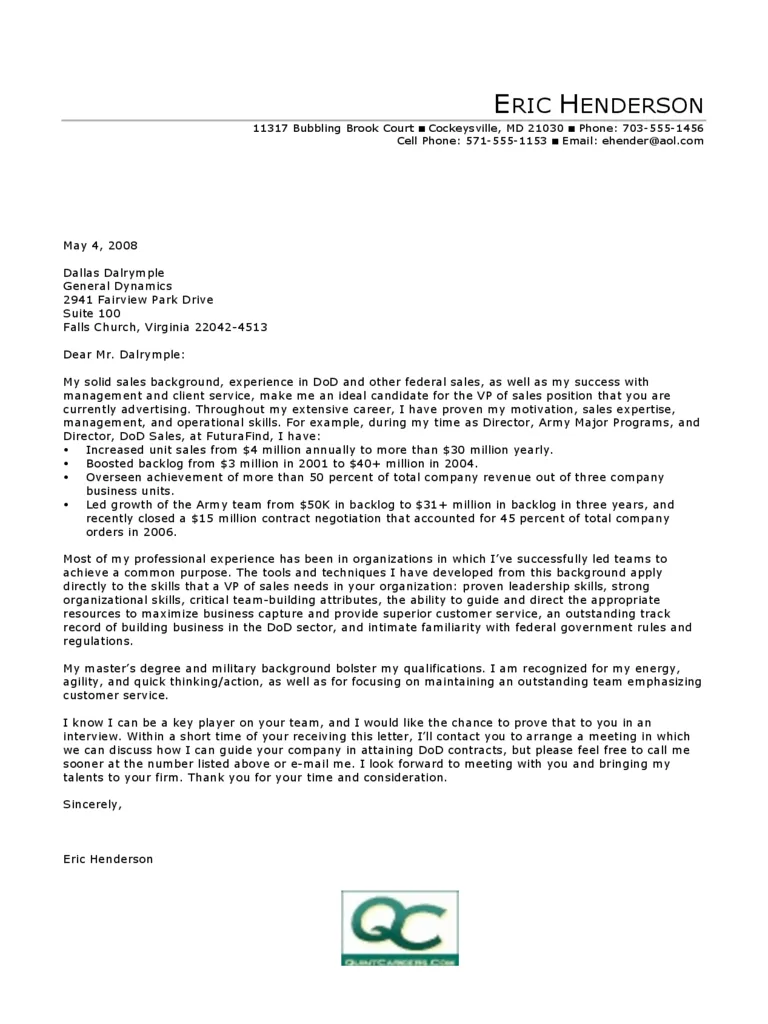
Why a Sales Cover Letter Matters
In the competitive world of sales, a well-crafted cover letter is your first opportunity to make a lasting impression. It’s not merely a formality; it’s a critical tool that can significantly increase your chances of landing an interview. While your resume provides a snapshot of your experience, your cover letter gives you the space to tell your story, highlight your accomplishments, and demonstrate why you’re the perfect fit for the role. A compelling cover letter is an essential part of the application process. It allows you to showcase your personality, enthusiasm, and communication skills, setting you apart from other candidates and making recruiters want to learn more about you. It’s a chance to grab attention, demonstrate your writing ability, and make a strong first impression before they even look at your resume.
Understanding the Sales Role and Requirements
Before you start writing, thoroughly research the sales position you’re applying for. Understand the key responsibilities, required skills, and company culture. What are the primary goals of the role? What metrics will your performance be judged on? What are the specific challenges the company is facing? By understanding the role, you can tailor your cover letter to address the employer’s needs and demonstrate that you have the right skills and experience to succeed. Read the job description carefully, paying attention to the keywords and requirements. What skills are they looking for? What experiences are they prioritizing? Align your cover letter with these requirements to show that you are a good fit. Furthermore, understanding the company’s values and mission can help you better align your cover letter and demonstrate your genuine interest in the company and the role, increasing the likelihood of an interview.
Key Components of a Winning Sales Cover Letter

A successful sales cover letter must be well-structured, concise, and persuasive. The ideal cover letter is a concise document that includes all essential information and is easy to read. A strong cover letter should be a story of your professional life, showcasing your skills, achievements, and suitability for the role. It is not enough to simply list your skills and experience; you must explain what you bring to the table and how you have added value in the past. The key components are contact information, a compelling introduction, a body that highlights your relevant skills and experience, and a strong closing. Remember to keep it professional, and proofread your work to eliminate any errors. By including these crucial components, you’re able to build a narrative of how your skills and experience have benefited previous organizations and how you intend to do the same for this new company.
Your Contact Information
Your contact information is essential; it ensures that the hiring manager can quickly and easily reach you. At the top of your cover letter, include your full name, phone number, email address, and your LinkedIn profile URL. Ensure your email address is professional and easy to read. Double-check that your phone number is correct and that your voicemail is set up professionally. Always proofread your contact information to avoid any mistakes that could prevent a potential employer from reaching you. The goal is to make it effortless for the hiring manager to contact you for an interview, so always make sure your contact details are clear and easy to access at a glance. Always maintain a professional presentation, and double-check that your information is up-to-date.
The Ideal Sales Cover Letter Header
A well-designed header sets the tone for your cover letter. Start with your contact information in the top left or right corner. Then, include the date and the hiring manager’s name and title, if known. If the hiring manager’s name is unknown, use the appropriate title, such as ‘Hiring Manager’. Use a professional font, such as Times New Roman, Arial, or Calibri, and ensure it’s easy to read. Keep the header neat, clean, and consistent with your resume’s style. A well-crafted header is crucial to create a favorable first impression. Using a professional header can improve the cover letter’s overall appearance, and it gives the impression that you pay attention to detail and value professionalism. A well-formatted header can help to create a positive first impression and make it easier for the hiring manager to find your contact information.
Crafting a Compelling Sales Cover Letter Introduction

Your introduction is the first opportunity to grab the hiring manager’s attention. Start with a strong opening statement that immediately highlights your interest in the role. Mention where you saw the job posting and why you’re excited about the opportunity. Briefly state your most relevant skills and experience, and mention how your achievements align with the company’s needs. Avoid generic phrases and focus on what makes you unique and why you are the ideal candidate. The introduction should be succinct and engaging. It must instantly highlight the value you will bring to the company. Your introduction should communicate enthusiasm and draw the reader to your next section, which elaborates on your abilities.
Highlighting Your Sales Achievements
Showcasing your achievements is crucial. Instead of listing your responsibilities, focus on what you have accomplished. Describe your successes with specific examples. Use quantifiable results, such as increased sales, closed deals, or reduced costs. For each achievement, briefly explain the situation, the action you took, and the positive outcome you achieved. This demonstrates your value to potential employers. Use the STAR method (Situation, Task, Action, Result) to clearly illustrate your achievements. This method is effective because it offers a structured and simple method to organize your thoughts and articulate your successes. Make sure to include specific details, to illustrate the positive outcomes. Be sure to describe your impact in a clear and impactful way, quantifying your achievements when possible to make a more compelling argument.
Quantifying Your Sales Success
Numbers speak volumes in sales. Whenever possible, quantify your achievements with specific metrics. Include details like the percentage increase in sales, the number of new clients acquired, the value of deals closed, or the reduction in customer churn. Use numbers to support your claims, making your achievements more tangible and impressive. For example, instead of saying ‘Increased sales,’ say ‘Increased sales by 25% in one quarter.’ When presenting your accomplishments, be as precise as possible. By including specific numbers and metrics, your impact is more clear. This provides concrete evidence of your abilities and reinforces your credibility, making your cover letter more compelling. Show potential employers how you can deliver quantifiable results and how your efforts can drive their business forward.
Showcasing Relevant Sales Skills and Experience

Demonstrate that you possess the necessary skills for the role. Highlight your communication, negotiation, closing, and relationship-building skills. Explain how your experience aligns with the job description. Mention your familiarity with sales methodologies and tools. Include any relevant certifications or training. Tailor your skills section to the specific requirements of the job, using keywords from the job description. By mentioning these skills, you can demonstrate your ability to succeed. Demonstrate how your expertise and experience make you the best candidate for this role. Moreover, mention your proficiency in any sales-related software or tools. This will demonstrate your preparedness and abilities, enhancing your application.
Tailoring Your Cover Letter to the Specific Job
Avoid sending a generic cover letter. Customize each letter to the specific job and company. Research the company and the role to understand their needs and values. Use the job description as a guide to identify the most relevant skills and experiences to highlight. Show that you understand the company’s mission, goals, and challenges. Demonstrate how your skills and experience align with their specific requirements. Tailoring your cover letter shows you’ve put in the effort to apply, and it increases your chances of being called in for an interview. Customizing the letter also lets you provide a more targeted and compelling pitch that resonates with the hiring manager. Adaptability and detail-orientation are great qualities to show.
Demonstrating Your Knowledge of the Company
Research the company before writing your cover letter. Visit their website, read their mission statement, and follow their social media accounts. Understand their products or services, target market, and competitive landscape. Mention specific details about the company, such as their recent achievements, values, or goals, in your cover letter. Show that you understand the company’s culture and how you can contribute to their success. Demonstrating this will show that you have a genuine interest in joining the company. This displays your initiative and willingness to go the extra mile, making your application stand out. By incorporating specific insights about the company, you highlight your interest and enthusiasm. This improves your overall impression.
Expressing Your Enthusiasm and Fit

Let your enthusiasm shine through. Express your excitement about the role and the company. Explain why you’re interested in the opportunity and what attracts you to the company. Clearly state how your skills and experience align with the company’s needs and values. Demonstrate that you’re a good cultural fit by showcasing your personality and passion for sales. Be genuine and authentic in your tone. Show the hiring manager that you’re genuinely excited about the opportunity and eager to contribute to the company’s success. Expressing your interest will make you stand out. Your enthusiasm and personality make you more than just a candidate. It makes you a potential team member.
Writing a Strong Sales Cover Letter Closing
Your closing should summarize your interest and reiterate your key qualifications. Thank the hiring manager for their time and consideration. Reiterate your interest in the role and express your desire for an interview. Use a professional closing, such as ‘Sincerely’ or ‘Best regards.’ Keep it brief and to the point. Make sure the closing is polite and leaves a positive final impression. A powerful closing provides the reader with the impression that you are serious about the role and motivated to succeed. Your closing is crucial for leaving a lasting positive impression. A well-written closing leaves a memorable impression and increases the likelihood of receiving an interview.
Call to Action
Include a clear call to action (CTA) in your closing. Invite the hiring manager to contact you for an interview or further discussion. Make it easy for them to take the next step. Provide your contact information again, just in case. A clear CTA encourages the hiring manager to take action. Make it straightforward, ensuring the reader knows what action you want them to take. A well-crafted call to action can increase your chances of receiving an interview. Use phrases like ‘I welcome the opportunity to discuss my qualifications in an interview’ or ‘I am available at your earliest convenience’.
Proofreading and Formatting Your Sales Cover Letter

Proofread your cover letter carefully. Check for grammar, spelling, punctuation, and formatting errors. Use a grammar checker and ask someone else to review your letter. Ensure your letter is easy to read with a clear and professional format. Use a standard font, such as Times New Roman, Arial, or Calibri. Keep the font size at 11 or 12 points. Use a clear and legible font and ensure that the spacing is easy on the eye. Make sure the text is well-organized. A clean format demonstrates your attention to detail and professionalism. Ensure your document is well-formatted, with ample white space, easy-to-read fonts, and consistent styles. A well-formatted letter is critical, because it helps you present yourself as a detailed and polished candidate.
Reviewing and Editing for Impact
After writing your cover letter, review and edit it carefully. Make sure your letter is clear, concise, and persuasive. Cut out any unnecessary words or phrases. Ensure your letter highlights your most relevant skills and experiences. Make sure that your letter is well-organized and easy to read. Consider asking a friend or career advisor to review your letter for feedback. Remember that your cover letter is a crucial sales tool. A well-written cover letter shows that you take the time to present yourself well. Your review and edits are vital for guaranteeing that your letter is perfect. Ensure your letter is polished and ready to be sent to the hiring manager.
Formatting for Readability
Effective formatting is essential for making your cover letter easy to read. Use clear headings and subheadings to break up the text and guide the reader. Use bullet points to highlight key accomplishments and skills. Use white space to create a clean and uncluttered appearance. Keep paragraphs short and concise. Avoid overly long sentences. Use a standard font and a consistent font size (11 or 12 points). Use bolding and italics sparingly to emphasize important information. Pay attention to the layout and make sure it’s visually appealing. Consistent formatting contributes to a more readable and engaging document. A well-formatted document will leave a better impression and encourage the hiring manager to keep reading.
Sales Cover Letter Examples and Templates

Use cover letter examples and templates as a starting point. Customize them to fit your experience and the specific job requirements. Look for examples that highlight achievements in sales roles. Modify the examples to reflect your skills, experience, and personality. By adapting examples, you can see the essential components and adopt them to your situation. Remember to make your cover letter unique. Don’t simply copy and paste content. Tailor your letter to demonstrate how your skills and experience align with the job requirements and the company. Make sure you adapt the template with your personal information to highlight your unique skills and experience. This personalization ensures that your cover letter is engaging and demonstrates your enthusiasm.