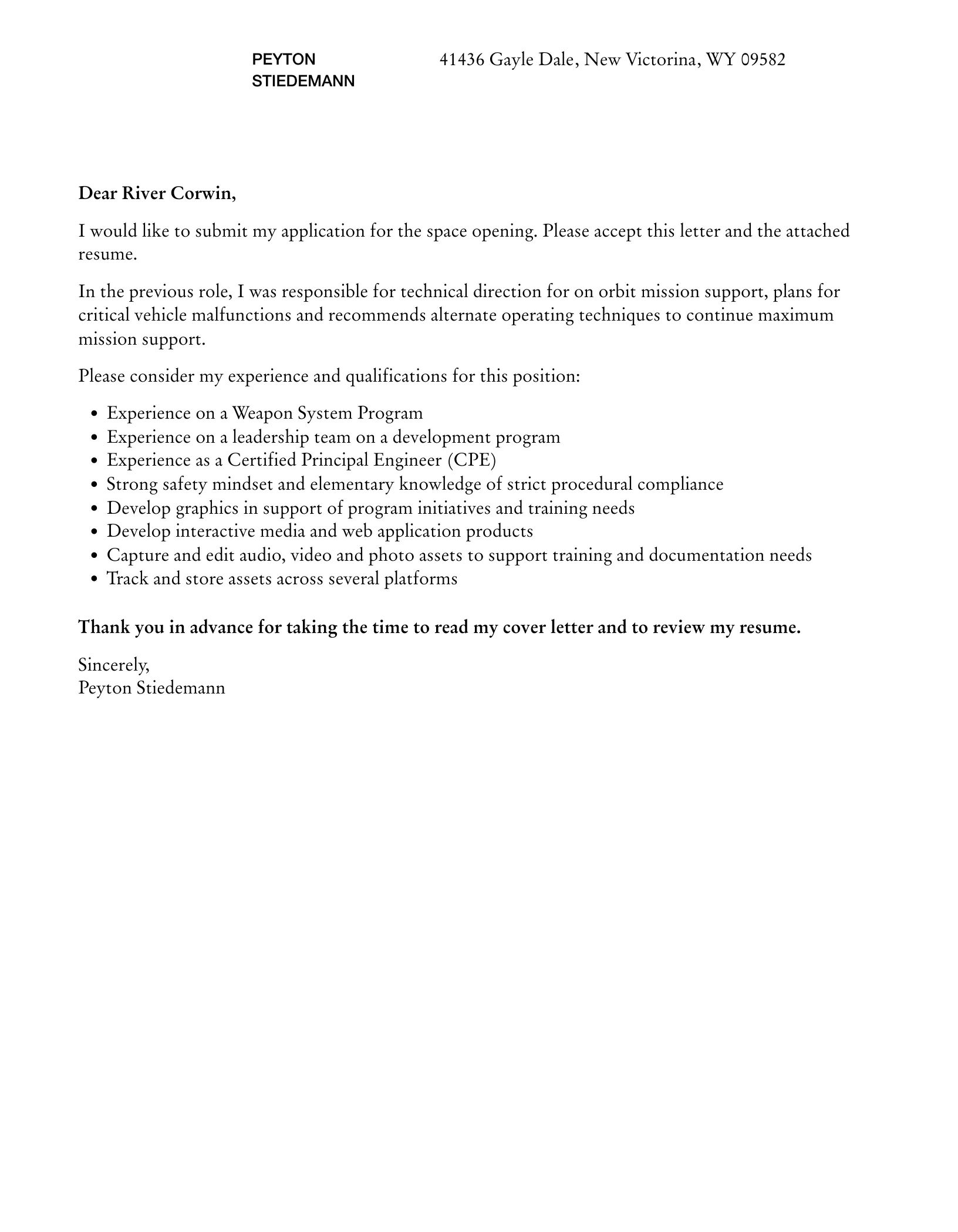
What is a Double-Spaced Cover Letter
A double-spaced cover letter is simply a cover letter formatted with double spacing between lines of text. This seemingly minor detail can significantly impact the readability and overall presentation of your application. While single-spaced cover letters are the norm, strategically employing double spacing can make your letter easier on the eyes, especially for busy hiring managers who may be reviewing numerous applications. It offers a clean and professional aesthetic, ensuring that your key information is easily digestible. Understanding when and how to use double spacing effectively can provide a subtle advantage in your job application process, potentially setting you apart from the competition and ensuring your cover letter is read and well-received. It’s about presenting your qualifications in the most accessible and appealing manner, demonstrating attention to detail and a commitment to clarity.
Why Use Double Spacing in a Cover Letter
There are several compelling reasons to consider using double spacing in your cover letter. Primarily, it improves readability. Hiring managers often skim through cover letters, and double spacing breaks up the text, making it less daunting and easier to follow. This can be particularly advantageous if your cover letter is lengthy or contains a lot of detailed information. Moreover, double spacing can subtly enhance the overall aesthetic of your letter. It gives the document a clean, organized appearance, which can communicate professionalism and attention to detail. It shows you’ve taken the time to craft your application with care. Another reason is to accommodate a smaller font size while maintaining readability; this helps ensure your letter fits on a single page, a crucial factor in making a strong first impression. In a competitive job market, every detail matters, and using double spacing can be a strategic way to make your application stand out, ensuring your qualifications are easily accessible and well-presented.
Formatting the Double-Spaced Cover Letter

Formatting your cover letter correctly is essential for making a good impression. The goal is to balance visual appeal with professional standards. This includes paying attention to font choice, size, margins, and alignment. Proper formatting ensures that your qualifications are clearly communicated and that your letter looks polished and professional. By adhering to these guidelines, you create a document that is both easy to read and visually appealing, thus increasing the likelihood of making a positive impression on the hiring manager and securing an interview. The right formatting choices enhance your credibility and highlight your commitment to excellence. Proper formatting is key to a successful job application.
Font and Size Guidelines
Choosing the right font and size is a critical part of your cover letter formatting. Stick with professional, easily readable fonts like Times New Roman, Arial, or Calibri. Avoid overly decorative or unusual fonts, which can distract from the content. A font size of 11 or 12 points is generally recommended for body text. This size provides sufficient readability without taking up too much space. Maintaining consistency throughout your cover letter is also important. Use the same font and size for the entire document, including your contact information, the recipient’s address, the body paragraphs, and the closing. Consistency contributes to a professional and polished appearance. This shows attention to detail and respect for the reader’s time.
Margins and Alignment
Standard margins of 1 inch on all sides are generally recommended for cover letters. This creates a balanced look and provides ample white space, which enhances readability. Avoid excessively wide or narrow margins, as they can make your letter appear crowded or sparse. Left alignment is the most common and preferred alignment style for cover letters. It provides a clean and organized appearance. Justify alignment should generally be avoided, as it can create awkward spacing between words. Ensure your text is aligned flush left, creating a neat and professional appearance. Maintaining consistent alignment throughout the document is just as important as using consistent fonts and sizes. These formatting choices make your letter easier to read and more visually appealing, ultimately improving its overall impact.
Key Elements to Include in Your Cover Letter

Regardless of your spacing choices, a winning cover letter must include specific elements. These elements work together to communicate your qualifications and make a compelling case for your candidacy. Each element plays a unique role in showcasing your skills, experience, and enthusiasm for the position. The following elements are critical for creating a compelling and effective cover letter. By incorporating these elements thoughtfully, you can significantly increase your chances of capturing the hiring manager’s attention and securing an interview, which is the ultimate goal of the cover letter.
Your Contact Information
At the top of your cover letter, include your full name, address, phone number, and email address. This information should be clearly presented, and it is typically placed at the top left or right corner. Ensure that the contact information is accurate and up-to-date. The hiring manager needs to quickly and easily reach you if they are interested in your application. Choose a professional-sounding email address that reflects your professional image. Avoid using nicknames or unprofessional email handles. Double-check your contact information to ensure no typos or errors exist, preventing potential communication issues. Presenting this information concisely and accurately ensures that the hiring manager can easily contact you.
Recipient’s Contact Information
Below your contact information, you should include the recipient’s details, typically the hiring manager’s name, title, and the company’s address. If you know the hiring manager’s name, address the letter to them directly. This shows that you have taken the initiative to research the company and the specific role. If the hiring manager’s name is unknown, use a general salutation like “Dear Hiring Manager.” Include the company’s address to ensure your cover letter reaches the appropriate department. Accurate contact information demonstrates your attention to detail and respect for the company’s hiring process. Researching the hiring manager’s name shows your genuine interest in the position.
Professional Salutation

The salutation sets the tone for your cover letter. Use a professional salutation, such as “Dear Mr. [Last Name]” or “Dear Ms. [Last Name]” if you know the hiring manager’s name. If the name is unavailable, opt for “Dear Hiring Manager” or “Dear [Department Name] Hiring Team.” Avoid informal greetings such as “Hi” or “Hello.” A professional salutation establishes a respectful tone and demonstrates that you treat the application process seriously. Always double-check the spelling of the recipient’s name, as errors can create a negative impression. A well-chosen salutation is the first step in building a positive connection with the reader.
Opening Paragraph: Grabbing Attention
The opening paragraph is your chance to grab the reader’s attention. Clearly state the position you are applying for and where you found the job listing. Briefly mention why you are interested in the role and the company. Highlight a key skill or achievement that aligns with the job requirements. This opening paragraph should be concise, compelling, and tailored to the specific job. It’s your initial opportunity to make a positive impression. A well-crafted opening paragraph sets the stage for the rest of your cover letter and convinces the reader to learn more about your qualifications. You need to show your enthusiasm and your understanding of the role.
Body Paragraphs: Showcasing Skills
The body paragraphs are where you showcase your skills and experience. Tailor the content to match the job description. Provide specific examples that demonstrate your abilities and accomplishments. Use the STAR method (Situation, Task, Action, Result) to structure your responses effectively. Quantify your achievements whenever possible to demonstrate your impact. Explain how your skills and experience align with the requirements of the role. The body paragraphs should be informative and engaging, providing evidence of your ability to perform the job successfully. Highlighting relevant experience and quantifying achievements helps to build your credibility and make a strong case for your candidacy.
Quantifying Achievements

Quantifying your achievements is a powerful way to demonstrate your impact in previous roles. Whenever possible, use numbers, percentages, or specific data to showcase your accomplishments. For example, instead of saying, “Increased sales,” say “Increased sales by 15% in six months.” Provide concrete evidence of your performance and contributions. Quantifiable achievements provide measurable proof of your abilities and make your claims more credible. By quantifying your achievements, you provide concrete evidence of your value to potential employers. Data helps to bring your accomplishments to life and provides concrete proof of your ability to succeed.
Highlighting Relevant Experience
Focus on highlighting your relevant experience in your cover letter. Select the skills and experiences most pertinent to the job requirements. Tailor your cover letter to match the specific requirements of the position. Briefly summarize your most relevant experiences, and use keywords from the job description. This is crucial to demonstrating that you possess the skills and qualifications the employer is seeking. Highlighting your relevant experience and tailoring your application makes it easier for the hiring manager to see how your skills and qualifications match the job requirements. This increases your chances of securing an interview.
Closing Paragraph: Call to Action
The closing paragraph should reiterate your interest in the position and express your enthusiasm for the opportunity. Thank the hiring manager for their time and consideration. Include a clear call to action, such as requesting an interview or stating your availability to discuss your qualifications further. Reiterate your contact information and end the letter with a professional closing, such as “Sincerely” or “Best regards.” A strong call to action encourages the hiring manager to take the next step and consider your application. The closing paragraph should leave a positive impression and encourage the hiring manager to contact you. It solidifies your interest and provides a path forward for the employer.
Expressing Enthusiasm

Expressing genuine enthusiasm for the position is critical. Communicate your excitement about the company and the specific role. Demonstrate your knowledge of the company’s mission, values, and recent accomplishments. Explain why you are the ideal candidate and how you can contribute to the company’s success. Showing genuine enthusiasm increases the likelihood of making a positive impression. It indicates that you are motivated and committed to the opportunity. Enthusiasm can set you apart from other candidates and increase your chances of getting the job.
Thanking the Reader
Always thank the hiring manager for their time and consideration. Expressing gratitude shows respect and professionalism. A simple thank you can make a positive impression and leave a lasting impact. Showing appreciation can subtly improve your chances of success. A polite thank you at the end of the letter is a respectful gesture that can enhance your application. Including a thank you shows that you value the hiring manager’s time and effort in reviewing your application.
Double-Spaced Cover Letter Examples and Templates
Reviewing examples and templates can help you understand how to format your cover letter effectively. These resources provide a visual guide and offer inspiration for structuring your own letter. By analyzing different examples, you can refine your formatting and content. Using a template can save you time and ensure your letter follows a professional format. Carefully review and adapt templates to match your specific needs and the job requirements. These templates can be a great starting point for creating a customized cover letter.
Example Cover Letter

An example cover letter showcases how the different elements come together in a well-formatted document. The example demonstrates the correct use of font, size, margins, and spacing. You can analyze the structure and content of the example to create your own. Pay attention to the tone, language, and the way achievements and skills are presented. By studying a well-crafted example, you can enhance your writing style and formatting skills. You can use the example cover letter as a guide for how to tailor your own.
Double-Spaced Cover Letter Template
A template provides a basic structure for your cover letter. Using a template saves you time and helps ensure your document adheres to the necessary format. Templates typically include sections for your contact information, the recipient’s details, and the body paragraphs. Customize the template to reflect your own experiences, skills, and the requirements of the job. Make sure the template is in a professional font and format with double spacing. Using a template makes it easier to create a professional cover letter from scratch.
Proofreading and Finalizing Your Cover Letter
Proofreading is a crucial step in finalizing your cover letter. Errors can undermine your credibility and make a negative impression. Carefully review your letter for any typos, grammatical errors, or formatting inconsistencies. Use a spell checker, but also read the letter aloud to catch any errors the software might miss. Seek a second pair of eyes to review your letter. An extra review can provide valuable feedback and help catch any errors you may have overlooked. Polishing your cover letter is essential to ensure the document is polished and professional.
Common Mistakes to Avoid
Avoid common mistakes that can negatively affect your cover letter. These mistakes can range from grammatical errors to poor formatting. Avoid typos, spelling errors, and grammatical mistakes; always proofread carefully. Do not include excessive jargon or overly complex language; keep your writing clear and concise. Don’t make the letter too long; aim to keep it within one page. Refrain from using a generic or uninspired opening; make your opening paragraph engaging. Avoiding these mistakes is a key part of ensuring a successful job application. Paying attention to detail can help you stand out.
Ensuring Accuracy
Accuracy is vital in your cover letter. Verify all facts, including contact information, job titles, and dates. Double-check the spelling of the hiring manager’s name and the company’s address. Incorrect information can create a negative impression and potentially disqualify you from consideration. Ensure the job title and company name match the job posting exactly. Accurate information shows attention to detail and respect for the hiring process. Accuracy is non-negotiable and critical to a successful application.
The Benefits of Using a Double-Spaced Cover Letter
Using a double-spaced cover letter can provide several benefits. It can enhance readability, making your letter easier to scan and digest. It creates a clean, organized appearance that communicates professionalism and attention to detail. This can make your application more accessible and inviting to busy hiring managers. Double spacing allows for a larger font size while keeping your letter within the standard one-page limit. The overall impact is a more polished and visually appealing document, which can help your application stand out. Employing double spacing is a simple and effective way to give your cover letter an edge.
In conclusion, crafting a winning cover letter, including the strategic use of double spacing, is a key step in the job application process. By following the guidelines and formatting tips, you can create a compelling cover letter that showcases your skills, experience, and enthusiasm. Remember to tailor your letter to each specific job, always proofread carefully, and make sure your formatting choices enhance readability and visual appeal. The effort you put into your cover letter can have a significant impact on your chances of getting an interview. A well-written, well-formatted cover letter is a powerful tool in your job search. Good luck with your job search!