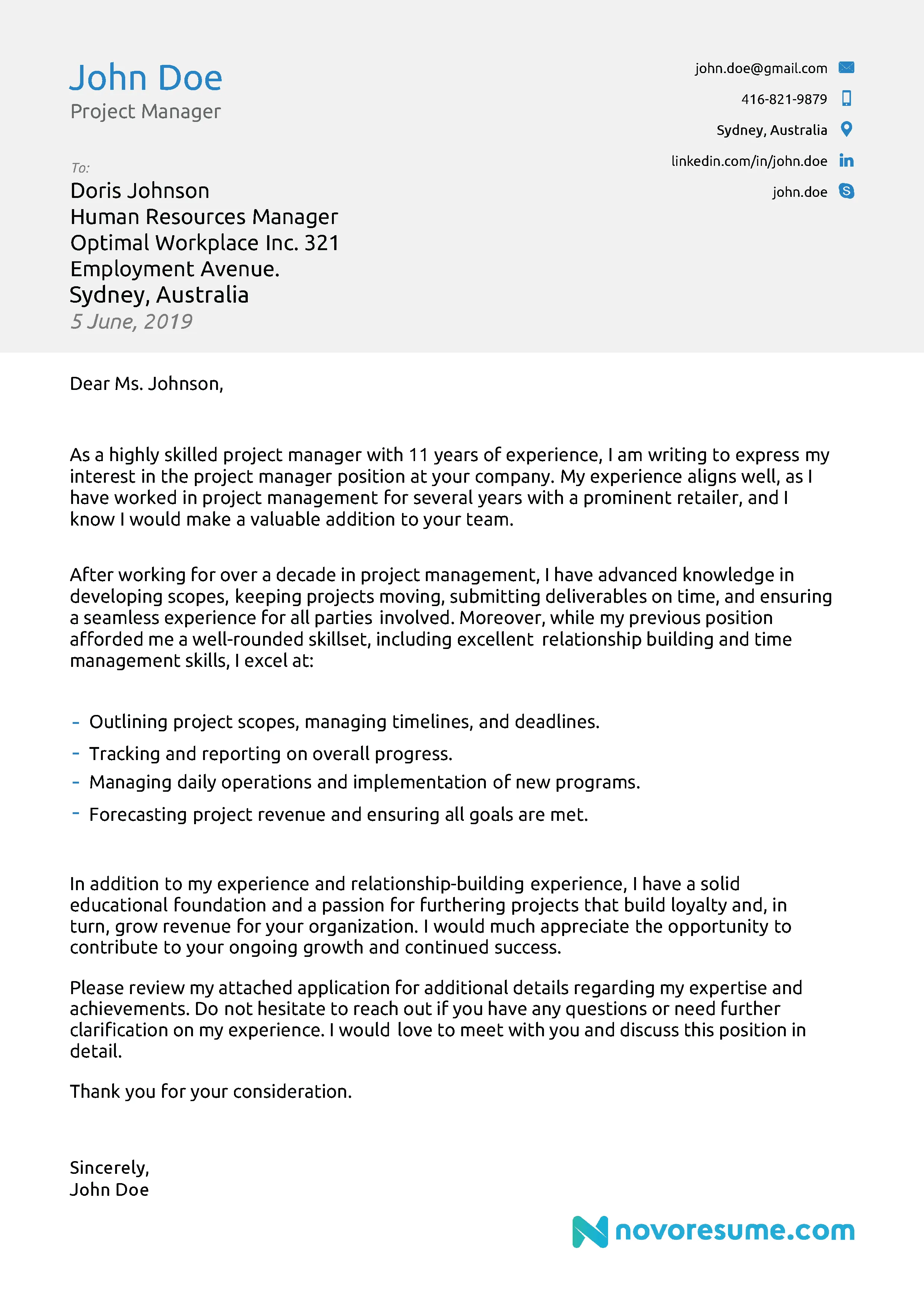
What is a Cover Letter Resume
A cover letter resume is a hybrid document that combines the features of a traditional resume and a cover letter. This approach provides a comprehensive overview of your qualifications, skills, and experience, while also allowing you to introduce yourself and express your interest in a specific job. The key benefit of using a cover letter resume is the ability to immediately capture the reader’s attention with a concise summary of your most relevant qualifications, thereby increasing the chances of your application being reviewed favorably. This can be particularly beneficial when you have limited work experience or are making a career change, as it allows you to frame your skills in a way that directly relates to the job requirements. Effectively utilizing this format can make your application stand out from the crowd and demonstrate your understanding of the role and company.
Key Components of a Cover Letter Resume
Creating a cover letter resume requires careful consideration of several key components to ensure it effectively showcases your skills and experience. Each section serves a specific purpose, and the order in which they appear can influence the overall impact of your application. Understanding these components is essential for crafting a compelling document that captures the hiring manager’s attention. The goal is to provide a clear, concise, and compelling narrative that highlights your suitability for the position.
Contact Information

At the top of your cover letter resume, clearly display your contact information. This includes your full name, phone number, email address, and a professional-looking LinkedIn profile URL if you have one. Ensure this information is accurate and easy to find. Make sure the email address is professional and the phone number is one you actively use. The contact information is crucial, as it allows potential employers to easily reach you if they are interested in your application. Double-check all details to avoid any errors.
Professional Summary
A professional summary is a brief paragraph at the beginning of your resume that highlights your most relevant skills, experience, and career goals. It’s designed to quickly grab the reader’s attention and make them want to learn more about you. Keep it concise, ideally no more than three to four sentences. Tailor your summary to the specific job you’re applying for, emphasizing the qualifications that align with the job description. This section is crucial for making a strong first impression and showcasing your value proposition to the employer.
Skills Section
The skills section lists your key abilities relevant to the job. This can include hard skills (technical proficiencies) and soft skills (interpersonal abilities). Organize your skills logically, using categories if appropriate to improve readability. Include keywords from the job description to demonstrate that you possess the required qualifications. Be honest and accurate, as inflated or inaccurate claims can harm your credibility during the interview process. Prioritize the skills that are most relevant and valuable to the position you are applying for, ensuring that you align your skill set with the requirements outlined in the job posting.
Work Experience

In your work experience section, list your previous jobs in reverse chronological order. For each position, include the job title, company name, dates of employment, and a brief description of your responsibilities and accomplishments. Use action verbs to describe your achievements and quantify them whenever possible. Focus on highlighting the skills and experiences that are most relevant to the job you are applying for, tailoring your descriptions to match the job requirements. This section provides concrete evidence of your abilities and demonstrates your professional journey.
Education
Include your educational background, including the degree earned, the name of the institution, and the dates of attendance. If you have relevant coursework or academic achievements, you can include them here. If you have extensive work experience, you can place this section towards the end of the document. For entry-level positions or recent graduates, the education section can be given more prominence. This information provides a clear overview of your academic qualifications and relevant knowledge base.
Highlighting Your Skills
To effectively highlight your skills, carefully review the job description and identify the key skills and requirements. Then, integrate these keywords into your resume in a natural and strategic way. Provide specific examples of how you have used these skills in previous roles, quantifying your achievements whenever possible. This might include numbers, percentages, or other metrics that demonstrate the impact of your work. Tailor your skills section to each job you apply for, emphasizing the skills that align with the specific requirements of the role. This targeted approach will make your application more compelling and increase your chances of success.
Customizing Your Resume

Customizing your resume for each job application is essential for showcasing your relevance to the specific role. Review the job description thoroughly and identify the key skills, experiences, and qualifications the employer is seeking. Tailor your resume to match these requirements by adjusting your skills section, work experience descriptions, and professional summary. This may involve emphasizing certain achievements or modifying the order of information to highlight the most relevant aspects of your background. Customization demonstrates your genuine interest in the position and shows that you have taken the time to understand the employer’s needs.
Choosing the Right Format
Selecting the appropriate resume format is critical for effectively presenting your qualifications. The format you choose should align with your career goals and experience. Consider the different resume types and their suitability for your situation. Different formats emphasize different aspects of your background, so choose the one that best highlights your strengths and addresses any potential weaknesses. Make sure the formatting is consistent, easy to read, and visually appealing. Your formatting choices can significantly influence how recruiters and hiring managers perceive your application.
Chronological Resume
The chronological resume is the most traditional and widely used format. It lists your work experience in reverse chronological order, starting with your most recent job. This format is ideal if you have a consistent work history and want to highlight your career progression. It’s straightforward and easy to understand. This type of resume works well for candidates with a stable employment history and a clear career trajectory. It emphasizes your experience and provides a clear overview of your career path.
Functional Resume

A functional resume focuses on your skills and abilities rather than your work history. It’s often used by individuals with limited work experience, career changers, or those with gaps in their employment history. The functional format emphasizes your skills and minimizes the focus on your work experience. This allows you to highlight your transferable skills and qualifications regardless of your employment history. This format can be useful if you have gaps in employment or are making a significant career transition.
Combination Resume
A combination resume blends the features of both chronological and functional resumes. It highlights both your skills and your work history, providing a balanced overview of your qualifications. This is a versatile format that allows you to emphasize your skills while also showcasing your employment history. This option allows you to show your skills and past job experiences. It is suitable for those with a good balance of skills and experience. This is a good choice for those who want to present a comprehensive view of their qualifications.
Action Verbs to Use in Your Resume
Using strong action verbs in your resume descriptions can significantly enhance your application. Action verbs help to convey your accomplishments and make your descriptions more compelling and engaging. Choose verbs that accurately reflect your responsibilities and achievements, and quantify your results whenever possible. Use words like ‘achieved,’ ‘managed,’ ’led,’ ‘developed,’ and ‘implemented’ to demonstrate your contributions. This helps to make your resume more dynamic and engaging, showcasing your active role in previous roles.
Writing a Compelling Cover Letter

A well-crafted cover letter is essential for complementing your cover letter resume. It allows you to introduce yourself, express your interest in the position, and highlight your most relevant qualifications. Tailor your cover letter to each job application, and address the hiring manager by name whenever possible. Ensure your cover letter is concise, professional, and free of errors. Proofread carefully before submitting. This is your chance to connect with the hiring manager on a personal level, and persuade them to review your resume. The cover letter is a critical component of your application package.
Address the Hiring Manager
Addressing the hiring manager by name is a good practice to personalize your cover letter. If you can find the hiring manager’s name, it shows that you have taken the initiative to research the company and position. If you can’t find a specific name, use a professional greeting such as ‘Dear Hiring Manager.’ Avoid generic greetings like ‘To Whom It May Concern,’ which can make your application seem impersonal. Addressing the hiring manager directly shows respect and attention to detail.
Express Your Interest
In your cover letter, clearly express your interest in the specific position and company. State why you are excited about the opportunity and what attracts you to the role. This demonstrates your enthusiasm and shows the hiring manager that you have genuinely considered the position. Show your eagerness to contribute to the company’s goals and values. Show you are passionate about the opportunity and demonstrate your enthusiasm and make a lasting impression.
Highlight Relevant Experience

Use your cover letter to highlight the most relevant experience and skills that make you a strong candidate for the job. Briefly summarize your qualifications and explain how they align with the job requirements. Provide specific examples of your accomplishments and demonstrate how you have achieved positive results in previous roles. Use the opportunity to elaborate on the points covered in your cover letter resume. By highlighting the relevant experiences, you can convince the hiring manager of your suitability for the position. This will give you a competitive edge.
Quantify Your Achievements
Whenever possible, quantify your achievements to demonstrate the impact of your work. Use numbers, percentages, or other metrics to show the results you have achieved. This gives the hiring manager a clear understanding of your contributions and the value you can bring to the company. Quantifying your accomplishments makes your claims more concrete and credible. This shows you are results-oriented and have the ability to generate positive outcomes. This approach adds weight to your claims.
Call to Action
End your cover letter with a clear call to action. State that you are eager to discuss your qualifications further and express your availability for an interview. Thank the hiring manager for their time and consideration. Providing a clear call to action demonstrates your proactive approach and your eagerness to move forward in the hiring process. This shows you are enthusiastic and ready for the next steps.
Formatting and Design Best Practices
Good formatting and design are critical for making your cover letter resume easy to read and visually appealing. Proper formatting increases readability and professional appearance. Consistent formatting demonstrates attention to detail. Poor formatting can result in a negative impression. Prioritize clear structure and easy-to-scan content. The goal is to make your application easy and pleasant to review.
Font Selection
Choose a professional and easy-to-read font, such as Times New Roman, Arial, or Calibri. Keep the font size between 10 and 12 points to ensure readability. Avoid using overly fancy or decorative fonts, as they can be distracting. Choose a font that projects a professional image and helps the reader focus on the content. The correct font can enhance readability and improve the overall presentation of your application.
White Space
Use white space effectively to break up text and make your resume easier to read. Include margins on all sides of the document and use sufficient space between sections and paragraphs. This helps prevent the document from appearing cluttered. Ample white space improves the reader’s experience. Appropriate white space creates a balanced and inviting appearance. Use it for optimal readability.
File Format and Naming
Save your cover letter resume as a PDF file to ensure that the formatting remains consistent across different devices and operating systems. Use a clear and professional file name, such as ‘Your Name - Cover Letter Resume.’ This allows the hiring manager to easily identify your application. This ensures that your document looks the way you intended, regardless of the platform the employer uses. The right format protects the design and presentation of your application.
Proofreading and Editing
Proofread your cover letter resume carefully to catch any errors in grammar, spelling, or punctuation. Ask a friend or family member to review your application for a fresh perspective. Even small mistakes can create a negative impression and undermine your credibility. Proofreading ensures your application is polished and professional. Correcting errors makes your application more credible. This helps show your attention to detail.
Common Mistakes to Avoid
Avoiding common mistakes is essential for presenting a strong and professional application. Reviewing these errors can help you refine your application and improve your chances of success. Understanding and avoiding common pitfalls will significantly boost your chances. These errors are easily avoidable with careful attention and planning. By avoiding these issues, your chances of a successful application will be greatly enhanced.
Ignoring the Job Description
Failing to tailor your resume and cover letter to the specific job description is a common mistake. This shows that you have not taken the time to understand the requirements of the role. Take the time to match your skills and experience to the requirements outlined in the job description. Customize your application to highlight the most relevant qualifications. Demonstrating a thorough understanding of the requirements is vital.
Typos and Grammatical Errors
Typos and grammatical errors can damage your credibility and make a negative impression. Always proofread your resume and cover letter carefully. Ask someone else to review your application for errors. Errors show a lack of attention to detail. Avoid mistakes by thoroughly proofreading. Proofreading demonstrates your professionalism and attention to detail.
Generic Cover Letter
Sending a generic cover letter that is not tailored to the specific job is a missed opportunity. Hiring managers want to see that you understand the role and the company. Customize your cover letter to express your specific interest in the position. Tailoring your letter to the job shows that you are serious about the opportunity. Customization significantly improves your chances.
Submitting Your Application
When submitting your cover letter resume, follow the instructions provided in the job posting. Make sure you are providing the correct file formats and that your contact information is up-to-date. Always review your application before submitting to confirm all details are accurate and complete. Take extra time to ensure your application adheres to the instructions and standards required by the employer. Confirm your submission. Ensure your application is submitted correctly.
Following Up After Submitting
After submitting your application, it’s acceptable to follow up with the hiring manager to express your continued interest. Send a brief email a week or two after submitting your application to reiterate your interest and inquire about the status of your application. Keep the follow-up concise and professional. Following up can demonstrate your enthusiasm and increase your visibility. A polite follow-up helps to show your commitment.
Cover Letter Resume: Final Checklist
Before submitting your cover letter resume, use a final checklist to ensure that you have covered all the necessary elements. Make sure your contact information is correct. Ensure that your professional summary clearly expresses your value. Review your skills section, ensuring you have highlighted the most relevant skills. Confirm that your work experience descriptions are clear and concise. Ensure that your cover letter is tailored to the job description. Proofread everything carefully. This final step will guarantee a polished and professional application, increasing the chances of a successful outcome.