Why Write a Cover Letter for a Job You’re Not Qualified For?
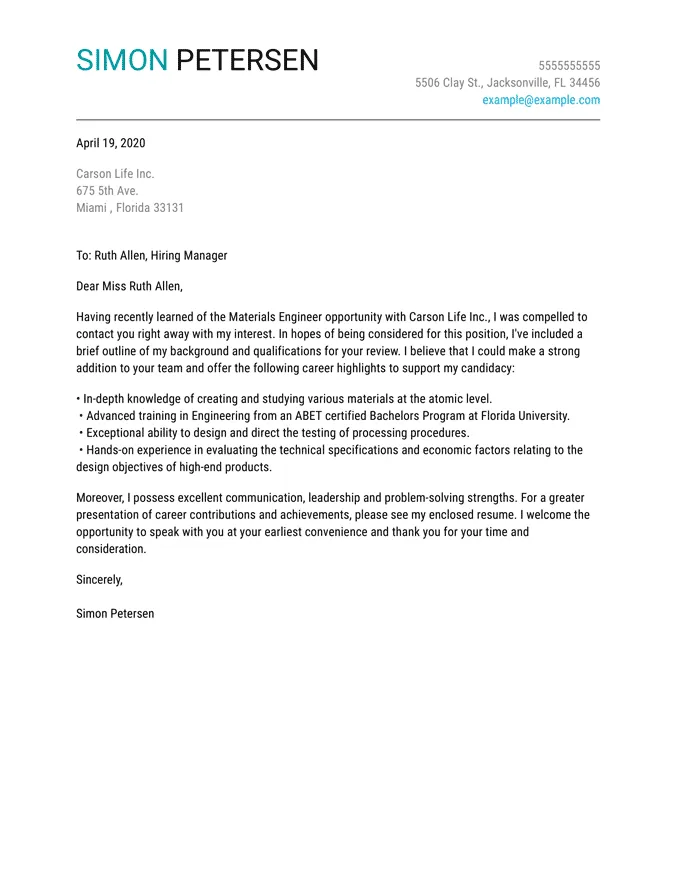
Applying for a job you’re not fully qualified for can feel daunting, but it’s often a necessary step in career progression. A compelling cover letter is your secret weapon, a chance to bridge the gap between your current skills and the requirements of your dream role. It allows you to present yourself as more than just a list of qualifications. It’s an opportunity to showcase your enthusiasm, explain your transferable skills, and demonstrate why you are the right fit for the company, even if your resume doesn’t perfectly align with the job description. This is your chance to sell yourself, highlighting your potential and eagerness to learn and grow within the organization.
Highlighting Transferable Skills
Transferable skills are the cornerstone of your cover letter strategy. These are the skills you’ve gained in previous roles, education, or volunteer experiences that can be applied to the new job. Think about communication, problem-solving, leadership, teamwork, and time management. Identify how these skills align with the job requirements. For example, if the job requires project management skills, and you have experience managing projects in a different field, highlight this. Use concrete examples to illustrate how you’ve utilized these skills to achieve positive outcomes. This helps employers see your potential beyond the immediate skill set listed in the job description. A strong cover letter emphasizes these connections.
Identifying Relevant Skills

Carefully read the job description and pinpoint the skills the employer values most. Make a list of these skills. Then, honestly assess your own skills and experiences. Where do your skills overlap with the job requirements? Be specific, providing examples of how you’ve used those skills in the past. If there are specific software or tools mentioned, and you have experience with similar programs, make that connection clear. Even if you haven’t used the exact same software, highlight your ability to learn new tools quickly. This approach proves you are adaptable and ready to take on new challenges. Remember, the goal is to show how you can contribute to the company’s success.
Showcasing Your Enthusiasm and Passion
Your cover letter is a vehicle to express your genuine interest in the role and the company. Demonstrate this through your tone, word choice, and specific examples. Explain why this particular job excites you. Have you been following the company’s work? Do their values align with your own? Sharing these insights shows you’ve done your homework. Passion is contagious. A well-written cover letter that conveys your enthusiasm can make a lasting impression, especially when your qualifications aren’t a perfect match. Let your personality shine through, but remain professional. This enthusiasm can be a significant differentiator.
Researching the Company and Role
Before writing your cover letter, thoroughly research the company. Understand their mission, values, and recent projects. This information will help you tailor your letter and demonstrate a genuine interest in the organization. Identify the key responsibilities of the role and consider how your skills and experiences align with these duties. This research also helps you tailor your letter to address specific needs and demonstrate how you can contribute to the company’s success. Knowing the company’s culture can also help you adjust your tone and language to better resonate with the hiring manager. Effective research is key to a compelling cover letter. Consider what specific contributions you can make in this role.
Tailoring Your Cover Letter

Generic cover letters are easily identified and often discarded. Tailor each cover letter to the specific job and company. Avoid using a template without making significant adjustments. Personalize your letter by addressing the hiring manager by name, if possible. Highlight the specific skills and experiences most relevant to the job description. Show that you understand the company’s needs and explain how you can address them. This level of personalization shows that you have invested time and effort. A well-tailored letter demonstrates your serious interest and increases your chances of being noticed.
Addressing the Skills Gap
Be upfront about any skills gaps, but frame them positively. Acknowledge any missing qualifications and explain how you plan to overcome them. Mention any courses, certifications, or self-study you are undertaking. Express your willingness to learn and adapt quickly. Highlight your proactive approach to professional development. Emphasize your eagerness to take on new challenges and contribute to the team. The key is to focus on your potential and willingness to grow, rather than dwelling on what you lack. Demonstrate how you’re actively addressing any shortcomings. This shows initiative and a commitment to continuous learning.
Emphasizing Soft Skills
Soft skills, like communication, teamwork, problem-solving, and leadership, are crucial for success in any role. Highlight these skills in your cover letter, providing concrete examples of how you’ve used them. Describe situations where you’ve effectively communicated with a team, resolved a conflict, or led a project. Tailor your examples to match the requirements of the job. Even if you lack specific technical skills, strong soft skills can make you a valuable asset. Remember, employers are looking for well-rounded individuals who can contribute to a positive work environment and achieve company goals. Prioritize these skills.
Quantifying Achievements

Whenever possible, quantify your achievements. Instead of saying ‘Improved customer satisfaction,’ state ‘Increased customer satisfaction by 15% through implementing a new feedback system.’ Numbers provide concrete evidence of your accomplishments and make your claims more credible. Use data to demonstrate the impact of your work. Quantifying your achievements makes your cover letter more impactful. This helps the hiring manager see the value you bring to the table. Even small improvements or contributions can be quantified. Be specific and provide context. Quantifiable results make a strong impression.
Proofreading and Editing Your Cover Letter
Before submitting your cover letter, meticulously proofread and edit it. Errors in grammar, spelling, and punctuation can undermine your credibility. Ensure your letter is free of typos and other mistakes. Read it aloud to check for awkward phrasing or unclear sentences. Ask a friend or colleague to review it. A fresh pair of eyes can often spot errors you might miss. Pay close attention to the overall tone and ensure it aligns with the company culture. A polished, well-written cover letter demonstrates your attention to detail and professionalism. Proofreading is an essential step in the application process.