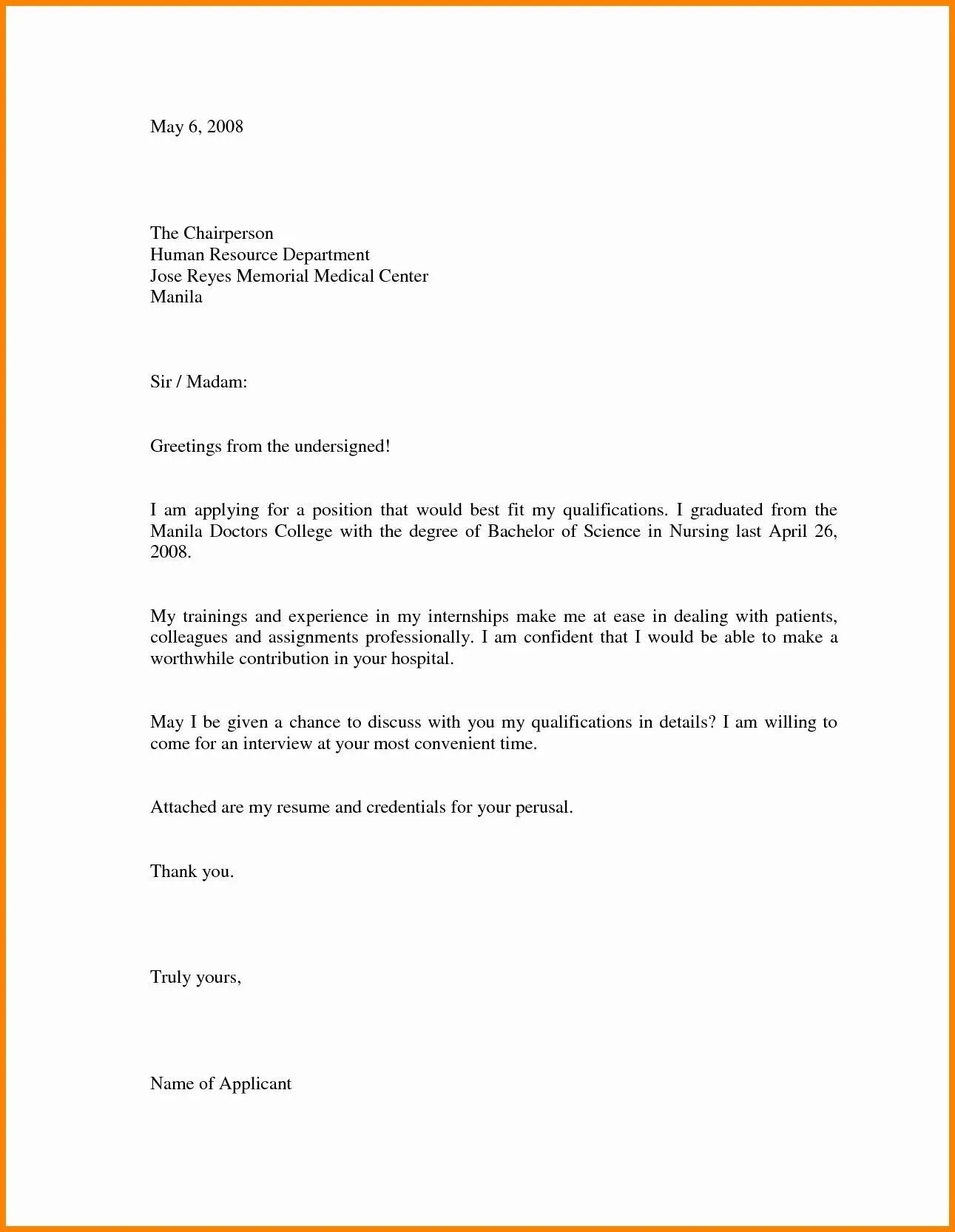
Crafting a Compelling Cover Letter
A cover letter is your first impression, the initial gateway to showcase your personality, skills, and enthusiasm for a role. It’s not merely a reiteration of your resume; it’s an opportunity to tell your story, demonstrate your understanding of the company, and, most importantly, make a compelling case for why you should be interviewed. The art of writing a successful cover letter goes beyond listing qualifications; it involves strategic word choice, a clear understanding of the job requirements, and a personalized approach. This first impression can set the tone for your entire application process, influencing the recruiter’s initial perception of you. Take the time to carefully construct each part, ensuring that every sentence serves a purpose in highlighting your value proposition and driving the reader towards the ultimate goal: an interview.
Highlighting Your Value Proposition
Your value proposition is the unique combination of skills, experiences, and qualities that you bring to the table. It’s what sets you apart from other applicants and makes you the ideal candidate. In your cover letter, clearly articulate this value. Don’t just list your skills; demonstrate how you’ve used them to achieve specific results in previous roles. Quantify your achievements whenever possible, using numbers and data to illustrate your impact. For instance, instead of saying ‘Managed social media campaigns,’ you might write, ‘Increased social media engagement by 40% in six months through targeted content strategies.’ When crafting your cover letter, the focus should be on what you can offer to the employer, aligning your skills and experience with the needs of the position. A strong value proposition directly addresses the employer’s needs, positioning you as a solution to their challenges.
Understanding the Purpose of a Cover Letter

The primary function of a cover letter is to persuade the hiring manager to read your resume and, subsequently, invite you for an interview. It provides a platform to elaborate on your resume entries, share your career goals, and demonstrate your enthusiasm for the specific role and company. A cover letter is not a summary; it’s a narrative. It’s where you can humanize your application, showcasing your personality, communication skills, and genuine interest in the opportunity. By understanding this, you can tailor your letter to be more than just a formality. You should aim to make it a powerful marketing tool, highlighting how your skills and experiences align with the company’s needs and culture. Moreover, it’s a chance to address any potential gaps or concerns in your application, framing them positively and demonstrating your ability to overcome challenges.
The Importance of a Strong Opening
The opening paragraph of your cover letter is crucial; it’s your first and often only chance to grab the reader’s attention. It should be concise, compelling, and immediately indicate why you’re writing. Avoid generic openings. Instead, personalize your greeting and immediately express your interest in the specific role and company. State clearly how you learned about the position. If someone referred you, mention their name. Briefly highlight a key accomplishment or skill that aligns with the job requirements. The goal is to make the reader want to learn more. A well-crafted opening makes the reader want to continue reading, setting a positive tone and piquing their interest. The opening should leave a strong impression and provide a snapshot of your value proposition, making the hiring manager eager to review the rest of your application.
Tailoring Your Cover Letter
Generic cover letters are easily spotted and often discarded. Tailoring your letter to each job application is essential. This involves more than just changing the company name; it means researching the specific requirements of the role and aligning your experiences to those needs. Carefully review the job description and identify the key skills and qualifications the employer is seeking. Use this information to customize your letter, highlighting the experiences and skills that are most relevant. Demonstrate your understanding of the company’s values, mission, and industry by mentioning specific projects, initiatives, or news items. This demonstrates that you’ve taken the time to understand the role and the company, and that you’re genuinely interested. Such personalization shows you’re not just sending a generic application and that you have a genuine interest in the opportunity.
Researching the Company and Role

Before you write your cover letter, do your homework. Research the company extensively. Visit their website, read their ‘About Us’ section, and explore their social media profiles. Understand their mission, values, and recent activities. Identify the key challenges the company faces and consider how your skills could provide solutions. Simultaneously, delve deep into the job description. What are the specific responsibilities? What skills and qualifications are required? Use this research to tailor your cover letter to highlight the relevant aspects of your experience. Mention specific projects or achievements that align with the company’s goals. This research not only helps you create a more compelling cover letter but also demonstrates your genuine interest and proactive approach. By showing that you understand the company’s needs, you position yourself as a valuable candidate who can contribute immediately.
Demonstrating Your Interest and Enthusiasm
Expressing genuine interest and enthusiasm is critical to capturing the hiring manager’s attention. This goes beyond simply stating ‘I am interested in the position.’ Show, don’t tell. Elaborate on what specifically excites you about the role and the company. Mention specific aspects of the company’s work that resonate with you, whether it’s their innovative approach, their commitment to a cause, or their company culture. Highlight how the role aligns with your career goals. Explain why this opportunity is more than just a job; it’s a chance to contribute to something meaningful. Demonstrate your eagerness to learn and grow within the company. Your enthusiasm should be evident in every sentence, from your opening statement to your closing remarks. This enthusiasm is often what sets you apart from other candidates, leaving a lasting impression and increasing the likelihood of an interview.
Showcasing Relevant Skills and Experience
Your cover letter should showcase the skills and experiences that directly align with the job requirements. Don’t simply list your skills; provide concrete examples of how you’ve used them in previous roles. Use the job description as a guide to highlight the most relevant skills and experiences. Quantify your achievements whenever possible, using metrics to demonstrate your impact. For instance, if the job requires project management skills, describe a project you managed, the challenges you faced, and the results you achieved. Use action verbs to describe your accomplishments. Be concise and focused, avoiding jargon that might confuse the reader. Align your skills and experience with the needs of the role, creating a clear and compelling picture of your capabilities. The goal is to demonstrate that you possess not only the required skills but also the ability to apply them effectively.
Structuring Your Request for an Interview

Structuring your request for an interview is crucial. The request should be clear, direct, and professional. This is where you explicitly ask for the interview. After highlighting your skills and enthusiasm, state that you would welcome the opportunity to discuss your qualifications further. Be confident, but not presumptuous. Frame your request in a way that suggests a mutually beneficial opportunity. Make it clear that you are available for an interview and indicate your flexibility. Suggest several possible dates or times. Providing this proactive approach makes it easier for the hiring manager to schedule an interview with you. This is your call to action. This section should be concise, highlighting your desire to learn more about the opportunity. End with a strong, positive statement, and express your thanks for their time and consideration.
Clearly Stating Your Intent
Your intent should be crystal clear in your cover letter. Avoid ambiguity. The hiring manager should know, without a doubt, that you are applying for the specific position and that you want an interview. Explicitly state that you are applying for the role and explain why you believe you are a good fit. Instead of vague phrases, such as ‘I would be interested,’ use direct language, such as ‘I am eager to be considered for this position.’ Highlight your specific skills and experiences relevant to the role, and directly reference how these experiences align with the job requirements. Emphasize your interest in the company and the opportunity to contribute to its success. Be assertive, yet polite, expressing your genuine desire to be part of the team. The clear statement of intent is your most direct opportunity to convey your interest in the role, setting a confident and decisive tone.
Providing Contact Information and Availability
Ensure that your contact information is easily accessible and up-to-date. Include your full name, phone number, and professional email address. Double-check the accuracy of your contact details; a simple error can prevent the hiring manager from reaching you. State your availability for an interview. Be flexible and proactive by indicating your availability for interviews on specific days and times. This proactive approach demonstrates your eagerness and commitment. Be sure that your phone number is clear and easy to read. Including your availability in your cover letter simplifies the scheduling process and demonstrates your commitment to the role. Also, it shows that you’re organized and prepared, making it easier for the hiring manager to contact you.
Using a Call to Action

A call to action is essential for driving the reader to take the desired next step. In your cover letter, the call to action is your request for an interview. Make it clear and direct, but also polite and professional. Express your interest in discussing your qualifications further and specify how the hiring manager can contact you. Offer a convenient way for the recruiter to reach out. You may, for example, state, ‘I am available for an interview at your earliest convenience. You can reach me by email or phone’. Also, reiterate your enthusiasm for the opportunity. End your letter with a positive, action-oriented closing. The goal is to leave a strong impression that encourages the hiring manager to move forward with your application. Your call to action should always be clear, specific, and designed to facilitate the next step in the hiring process.
Formatting and Proofreading Your Cover Letter
The formatting and proofreading of your cover letter are as important as its content. A well-formatted cover letter is easy to read and professional in appearance. Use a standard font, such as Times New Roman or Arial, and maintain a consistent font size. Use clear, concise language and avoid lengthy paragraphs. Divide your content into sections with clear headings. Proofread your cover letter multiple times to eliminate any grammatical errors or typos. Ask someone else to review it as well. Attention to detail shows professionalism. A well-formatted and error-free cover letter shows that you pay attention to detail, which is an essential quality in any professional setting. Such attention ensures that your message is clear and easy to read.
Ensuring Professionalism and Accuracy
Maintaining professionalism and accuracy is essential for making a positive impression. Use professional language throughout your cover letter. Avoid slang, jargon, and casual language. Ensure your tone is positive and enthusiastic, but avoid being overly familiar or informal. Double-check all names, titles, and company information for accuracy. A simple error can make you look careless. Proofread your cover letter carefully for grammatical errors, typos, and punctuation mistakes. Use a spell checker, but also read through your letter multiple times. Get a second opinion from a trusted friend or colleague to catch any errors you might have missed. The professional appearance and accuracy of your cover letter shows respect for the employer and your commitment to excellence.
Reviewing and Refining Your Letter

Before submitting your cover letter, take the time to review and refine it thoroughly. Read it multiple times, focusing on different aspects each time. Ensure that it aligns with the job description and highlights the most relevant skills and experiences. Check for clarity, conciseness, and accuracy. Verify that your contact information is correct and that your availability is clearly stated. After you’ve completed your initial review, ask someone you trust to read your letter and provide feedback. Another perspective can help you identify areas for improvement. Be open to their suggestions and make any necessary revisions. Finally, proofread your letter one last time before submitting it. The final review and refinement process should be a critical step. A well-reviewed and refined cover letter demonstrates that you’re committed to presenting your best self and increases your chances of landing an interview.