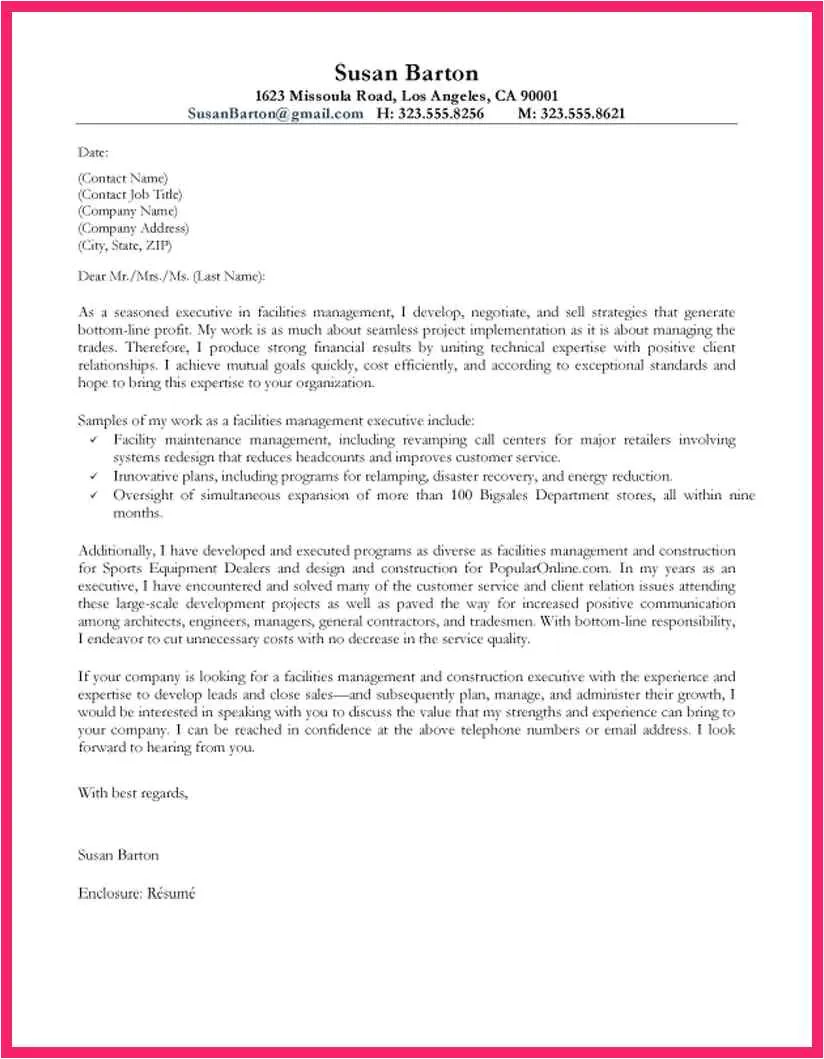
Why a Great Cover Letter Matters
In today’s competitive job market, a great cover letter is no longer optional; it’s essential. It’s your first opportunity to make a strong impression on a potential employer, and a well-crafted cover letter can be the key to unlocking the door to an interview. This document serves as a bridge between your resume and the hiring manager, providing context, personality, and a compelling narrative about why you are the ideal candidate for the position. A generic or poorly written cover letter can immediately land your application in the rejection pile, while a standout one can elevate your profile and make you stand out from the crowd. It’s your chance to go beyond the bullet points of your resume and demonstrate your genuine interest in the role and the company, setting the stage for a successful application.
Grab Attention with a Strong Opening
The opening paragraph of your cover letter is critical because it determines whether the hiring manager will continue reading. Avoid generic greetings like “Dear Hiring Manager.” Instead, personalize your letter by addressing the specific person if possible, and craft an opening statement that immediately grabs their attention. This could involve highlighting a mutual connection, mentioning something specific about the company that resonates with you, or briefly showcasing a relevant achievement. Think of this as your elevator pitch – a concise and impactful statement that communicates your value proposition. Your opening should be engaging, enthusiastic, and directly relevant to the job requirements. The goal is to pique their interest and make them want to learn more about you and your qualifications. This initial impression is crucial, so take the time to get it right, making sure your opening sets the tone for the rest of your letter.
Highlight Relevant Skills and Experience

While your resume provides a detailed overview of your skills and experience, your cover letter allows you to connect those experiences to the specific requirements of the job. Don’t simply restate what’s already on your resume; instead, elaborate on your accomplishments and explain how your skills align with the needs of the role. Focus on the qualifications and skills that are most important to the employer and provide compelling examples that demonstrate your ability to excel in the position. This is your opportunity to showcase your problem-solving abilities, your ability to work collaboratively, and your overall fit with the company culture. Make sure your writing is clear, concise, and results-oriented, emphasizing what you’ve achieved and how you can contribute to the organization’s success. This section needs to be a powerful demonstration of your capabilities and a clear illustration of your value.
Quantify Your Achievements
To make your claims more impactful, always quantify your achievements whenever possible. Instead of saying you “increased sales,” specify by how much, such as “increased sales by 15% in one quarter.” Using numbers and data makes your accomplishments more concrete and credible. Provide measurable results, such as the number of projects you managed, the amount of money you saved the company, or the percentage increase in customer satisfaction. This helps potential employers understand the true scope of your achievements and the direct impact you had in previous roles. Quantifiable results provide tangible proof of your abilities and allow hiring managers to quickly assess your value. When possible, use action verbs to describe your accomplishments, making them more dynamic and engaging.
Tailor to the Specific Job
One of the biggest mistakes job seekers make is sending out generic cover letters. Each cover letter should be customized for the specific job you are applying for. Read the job description carefully and identify the key skills, qualifications, and requirements. Then, tailor your letter to address these points directly, highlighting your relevant experience and demonstrating how you meet those needs. Research the company and understand their values, mission, and culture. This shows that you have taken the time to learn about the organization and that you are genuinely interested in the opportunity. Avoid using a template without modification, as this can make your letter seem impersonal and less compelling. The goal is to show the employer that you are a perfect fit for their specific needs and requirements.
Showcase Personality and Enthusiasm

A cover letter is a chance to inject your personality and enthusiasm into your application. While maintaining a professional tone, let your passion for the role and the company shine through. This is your opportunity to show the hiring manager who you are beyond your skills and experience. Express your genuine interest in the position and explain why you are excited about the opportunity. This can involve mentioning specific projects you are interested in, the company’s values that align with yours, or the impact you hope to make. Avoid sounding robotic or overly formal; instead, write in a conversational and engaging style that reflects your personality. Showing your enthusiasm can set you apart from other candidates and make a lasting impression.
End with a Confident Call to Action
Your cover letter should conclude with a confident and clear call to action. This means clearly stating your desire for an interview and making it easy for the hiring manager to take the next step. Thank the reader for their time and consideration, and reiterate your interest in the position. Provide your contact information, including your phone number and email address, and make it easy for them to reach you. Avoid passive language; instead, express your eagerness to discuss your qualifications further and schedule a time to meet. This final touch is your chance to leave a positive and memorable impression, reinforcing your interest and initiative, and making it more likely that you’ll be contacted for an interview. This assertive and proactive approach can greatly increase your chances of success.
Proofread and Polish
Before submitting your cover letter, proofread it meticulously. Check for any typos, grammatical errors, and inconsistencies. Errors can undermine your credibility and make you appear careless, so it’s crucial to present a polished and professional document. Read the letter aloud to identify any awkward phrasing or sentences that need improvement. Consider having a friend or colleague review your letter as a fresh set of eyes can catch errors you might miss. Ensuring your cover letter is free of mistakes demonstrates your attention to detail and your commitment to excellence, reflecting well on your overall candidacy. A well-proofread cover letter shows that you are serious about the opportunity and dedicated to making a positive impression, making it more likely to get you the job.
In conclusion, crafting a great cover letter is an essential skill in the job search process. By following these secrets, you can create a compelling cover letter that captures the attention of hiring managers, highlights your skills and experience, and increases your chances of landing an interview. Remember to tailor your letter to each job, showcase your personality, and always proofread before submitting. A well-written cover letter is your key to success in the competitive job market.