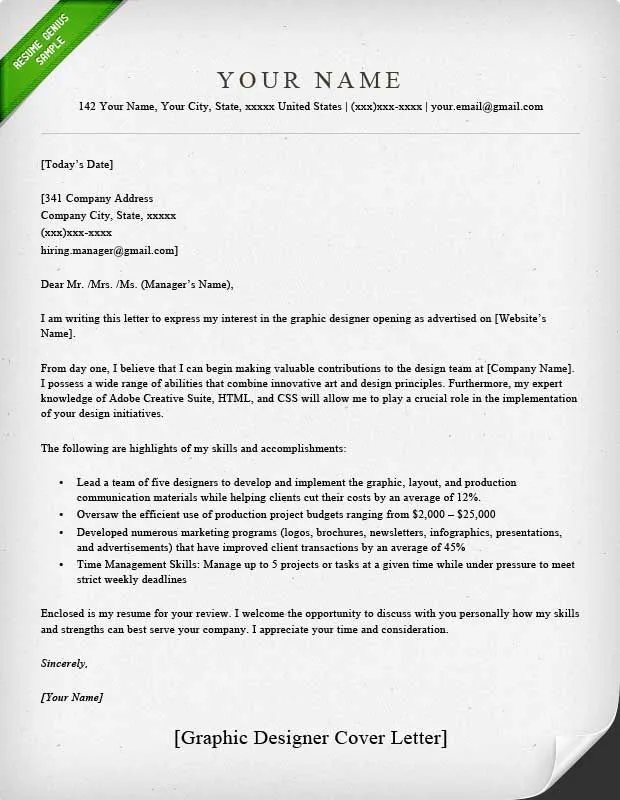
What is a Graphic Designer Cover Letter
A graphic designer cover letter is a crucial document that accompanies your resume when applying for design positions. It serves as your introduction to a potential employer, providing a snapshot of your skills, experience, and personality. Unlike a resume, which lists your qualifications, the cover letter allows you to tell your story, explaining why you are the ideal candidate for the specific role. It’s your chance to showcase your passion for graphic design and demonstrate how your unique abilities align with the company’s needs. A well-crafted cover letter can significantly increase your chances of getting noticed and securing an interview.
Why a Strong Cover Letter Matters
In a competitive field like graphic design, a strong cover letter can be the key to standing out. It’s your opportunity to make a positive first impression and differentiate yourself from other applicants. Recruiters and hiring managers often read cover letters before reviewing resumes. A compelling cover letter immediately grabs their attention, highlighting your key skills and experiences in a way that aligns with the job requirements. Moreover, a well-written cover letter demonstrates your communication skills, attention to detail, and genuine interest in the position and the company, all of which are highly valued in the design industry.
Key Components of a Graphic Designer Cover Letter

A successful graphic designer cover letter comprises several essential components that work together to create a compelling narrative. Each element contributes to effectively communicating your qualifications and enthusiasm. These components include your header and contact information, a professional greeting, a captivating opening paragraph, a section that highlights your skills and experience, a showcase of your design portfolio, the ability to quantify your achievements, tailoring the cover letter to the specific job, demonstrating your passion for design, a professional closing, and a clear call to action. Properly formatted and thoughtfully composed, each section enhances your chances of making a positive impression.
Header and Contact Information
Your header should include your name, address, phone number, and email address. It’s the first thing a hiring manager sees, so ensure it’s clean, professional, and easy to read. Consider including a link to your online portfolio or professional website to allow the hiring manager quick access to your work. Ensure all contact details are current and accurate. The header sets the tone for your application, so it is important to get it right.
Professional Greeting
Address the hiring manager by name whenever possible. Research the company and identify the person in charge of hiring or the specific hiring manager for the role. Avoid generic greetings like ‘To Whom It May Concern’ or ‘Dear Sir/Madam’. If you can’t find a specific name, try ‘Dear Hiring Manager’ or ‘Dear [Company Name] Team’. A personalized greeting shows you have taken the time to research the company and demonstrates your attention to detail and your initiative.
The Opening Paragraph Grab Their Attention

The opening paragraph is your hook. It should immediately capture the reader’s attention and convey your enthusiasm for the position. Mention the specific job you’re applying for, where you found the job posting, and a brief statement about why you’re excited about the opportunity. You might also highlight a key skill or achievement that aligns with the job requirements. The goal is to make the hiring manager want to read more and learn about you.
Highlighting Your Skills and Experience
In the body of your cover letter, focus on your relevant skills and experience. Tailor this section to the specific requirements of the job description. Use keywords from the job posting to demonstrate that you understand the role and are a good fit. Provide specific examples of your accomplishments and explain how your skills have benefited previous employers or clients. This section should provide a clear picture of your professional background and capabilities.
Showcasing Your Design Portfolio
Your portfolio is critical, so mention it prominently in your cover letter. Include a link to your online portfolio, and if you’re submitting a physical portfolio, mention that as well. Briefly describe a few key projects that showcase your best work and are relevant to the job. Highlighting specific projects helps the hiring manager quickly see your design style and capabilities. Mention the design software you are proficient in.
Quantifying Achievements

Instead of just listing your responsibilities, quantify your achievements whenever possible. Use numbers and metrics to demonstrate the impact of your work. For example, instead of saying ‘Increased website traffic’, say ‘Increased website traffic by 30%’. Quantifiable results are more persuasive and demonstrate the value you can bring to a company. This helps the hiring manager quickly understand the value you brought to previous roles.
Tailoring the Cover Letter to the Job
Avoid sending a generic cover letter for every job application. Customize each cover letter to match the specific requirements of the position and the company’s values. Research the company’s mission, culture, and recent projects. Use this information to demonstrate how your skills and experience align with their needs and how you can contribute to their goals. Personalization shows your genuine interest and initiative.
Demonstrating Your Passion for Design
Let your passion for graphic design shine through. Express your enthusiasm for the field and the specific opportunity. Share what excites you about design, and why you enjoy this industry. Explain why you are drawn to the company and its work. A genuine passion can be contagious and helps you stand out from other candidates. It shows you are more than just a skilled designer; you are someone who is enthusiastic about their career.
Closing the Cover Letter Professionally

Conclude your cover letter with a professional closing. Reiterate your interest in the position, thank the hiring manager for their time and consideration, and express your eagerness to discuss your qualifications further. Use a professional closing salutation, such as ‘Sincerely’ or ‘Best regards’, followed by your typed name. Maintain a tone of respect and professionalism throughout your closing.
Call to Action
End your cover letter with a clear call to action. Encourage the hiring manager to take the next step by inviting them to contact you for an interview or to review your portfolio in more detail. Make it easy for them to respond by including your contact information again. A clear call to action increases the likelihood of a positive response and demonstrates your proactive approach.
Proofreading and Formatting Your Cover Letter
Proofreading and formatting are essential steps in creating a professional cover letter. Typos, grammatical errors, and poor formatting can damage your credibility and make you appear careless. Carefully proofread your cover letter multiple times, and consider having a friend or colleague review it as well. Pay attention to font choices, spacing, and margins to ensure your cover letter is visually appealing and easy to read. A well-formatted, error-free cover letter shows that you pay attention to detail, a critical skill for a graphic designer.
Common Mistakes to Avoid

Avoiding common mistakes can significantly increase your chances of success. Several errors can detract from your application and undermine your qualifications. Be mindful of these common pitfalls. Pay special attention to each potential mistake to ensure your cover letter is the best it can be.
Overuse of Jargon
Avoid using excessive industry jargon that the hiring manager might not understand. While it’s important to demonstrate your knowledge of graphic design terms, be mindful of your audience. Use clear and concise language that is easy to understand. Overusing jargon can make your cover letter sound pretentious and can confuse the reader.
Generic Cover Letters
Do not send generic cover letters. Customize each cover letter to the specific job and company. Generic cover letters show a lack of interest and effort. Research the company and tailor your letter to their needs and values. Demonstrating that you have taken the time to personalize your application significantly increases your chances of getting noticed. Always address the specific role to which you are applying.
Typos and Grammatical Errors

Typos and grammatical errors are unacceptable in a professional cover letter. They can damage your credibility and suggest a lack of attention to detail. Proofread your cover letter carefully and use a grammar checker. Have someone else review it for errors. Ensuring your cover letter is polished and error-free shows your professionalism and commitment to quality.
Cover Letter Examples and Templates
Reviewing cover letter examples and templates can provide valuable guidance. Many online resources offer templates and examples tailored to graphic design positions. These can help you understand how to structure your cover letter, what content to include, and how to present your qualifications effectively. Tailor these examples to your specific skills and experience for the best results. These examples offer a solid foundation for crafting your own cover letter.
Graphic Designer Cover Letter Template
Use a cover letter template as a starting point, but always personalize it. A template provides a framework for your cover letter, including the essential sections. Fill in the template with your own details and customize it to match the job requirements and company. Tailoring the template ensures that your cover letter is relevant and effective.
Cover Letter Examples for Different Design Roles
Look for cover letter examples specific to the design role you are applying for. The content and focus of your cover letter should change depending on the type of graphic design position you are seeking, such as a web designer, print designer, or brand designer. Examples for different roles help you see how to highlight relevant skills and tailor your presentation effectively. Examples also provide insight into what employers are looking for.
Tips for Submitting Your Cover Letter
Follow these tips to ensure your cover letter is submitted correctly and makes a positive impression. Properly submitting your cover letter is a crucial step in the application process. Pay attention to the details to increase your chances of a positive outcome.
File Format
Submit your cover letter as a PDF file. PDFs preserve the formatting of your document, ensuring that it appears the same way on the hiring manager’s computer as it does on yours. If the job posting specifies a different file format, follow those instructions. Using the correct file format ensures that your cover letter is easily accessible and visually correct.
Following Instructions
Carefully read and follow all instructions in the job posting. Some companies may have specific requirements for submitting your cover letter and resume. Not following these instructions can result in your application being rejected. Adhering to instructions demonstrates your attention to detail and your ability to follow directions. Compliance is key to a successful application.
The Importance of a Follow-Up
Follow up on your application a week or two after submitting it. Sending a brief email to reiterate your interest and ask about the status of your application can show your initiative. Keep the follow-up email concise and professional. A well-timed follow-up shows your continued interest and helps ensure your application hasn’t been overlooked.
Final Thoughts on Graphic Designer Cover Letters
A compelling graphic designer cover letter is essential for making a strong impression and securing your dream job. By understanding the key components, avoiding common mistakes, and tailoring your letter to each opportunity, you can significantly increase your chances of success. Remember to highlight your skills, showcase your portfolio, and express your passion for design. A well-crafted cover letter can be the difference between getting an interview and being passed over. Invest time in creating a great cover letter, and you’ll be one step closer to landing your ideal graphic design position. Use these secrets to your advantage and showcase your talent.