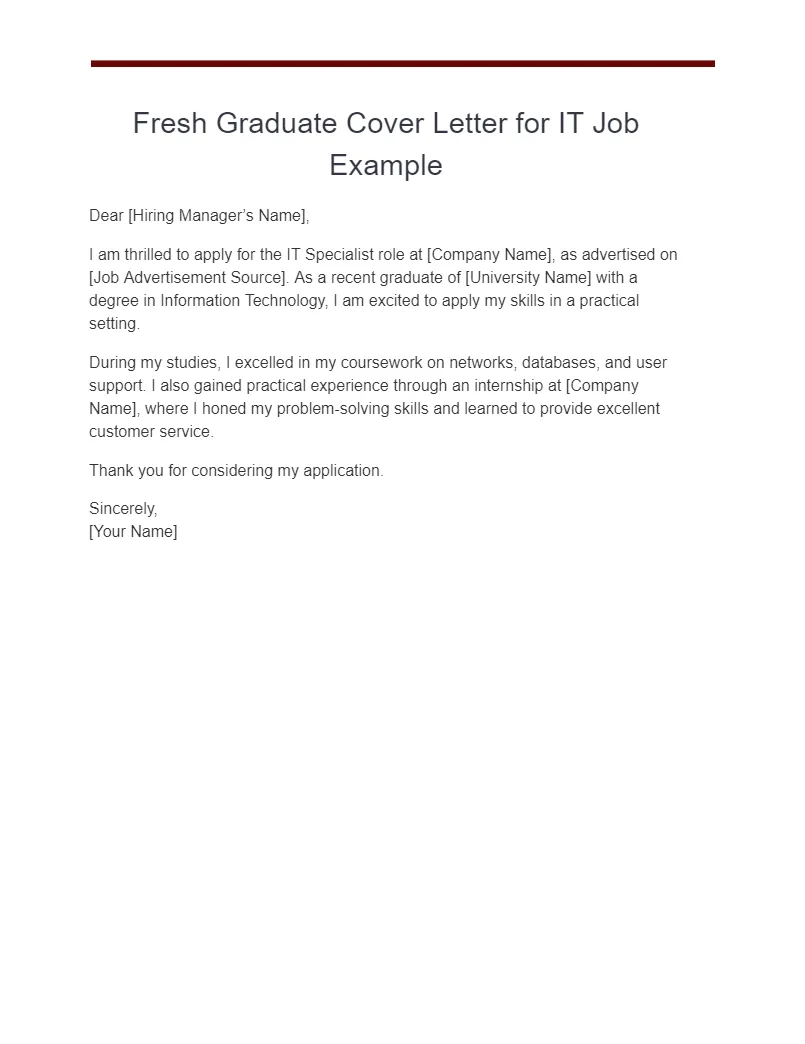
What Is a Graduate School Cover Letter?
A graduate school cover letter is a crucial document that accompanies your application. It serves as your introduction to the admissions committee, allowing you to highlight your qualifications, experiences, and aspirations. Unlike your resume or transcripts, which offer factual information, the cover letter gives you the opportunity to tell your story, express your personality, and demonstrate why you are a strong candidate for the program. It is a chance to showcase your writing skills and your genuine interest in attending their institution, setting you apart from the rest of the applicants.
Why Is a Cover Letter Important for Graduate School?
A well-crafted cover letter is far more than a formality; it’s a vital element of your application. It offers you the opportunity to go beyond the basic facts presented in your resume and transcripts, giving the admissions committee insight into your personality, motivations, and how your experiences have shaped your aspirations. It provides a chance to demonstrate your communication skills, your genuine enthusiasm for the program, and your potential for success in graduate studies. A strong cover letter can significantly increase your chances of being accepted, whereas a weak one can undermine an otherwise impressive application. It allows you to explain any discrepancies in your academic record, elaborate on significant experiences, and showcase your unique qualifications and why they align with the program’s goals.
Key Components of a Standout Graduate School Cover Letter

Crafting a standout graduate school cover letter involves several key components, each playing a crucial role in making a strong impression. A successful cover letter needs to clearly communicate your intent and why you are a good fit for the program. Ensure your letter is well-organized, using a clear structure with an engaging opening, informative body paragraphs, and a compelling conclusion. It should highlight your academic achievements, relevant experience, and skills, demonstrating your genuine interest in the program. The tone should be professional yet personable, showcasing your writing skills while conveying enthusiasm. Tailoring the content specifically to the program, emphasizing your alignment with its mission and values, and thoroughly proofreading for errors are essential. A letter that stands out demonstrates a clear understanding of the program’s goals and how your aspirations align with them, providing a personalized touch that sets you apart from other applicants.
Your Contact Information and the Date
Start your cover letter with your contact information at the top of the page, typically aligned to the left or right. Include your full name, address, phone number, and professional email address. The date should follow, usually placed directly below your contact information or on the same line as your address. Make sure the date is current to indicate when you are sending your application. This section ensures that the admissions committee can easily contact you. Ensure that your information is accurate and up-to-date, as this is often the first thing the committee sees, making it crucial to present a professional image. Clear and accurate contact details underscore your attention to detail, a key trait for any prospective graduate student.
The Recipient’s Information
Directly address the letter to a specific person within the admissions committee, such as the program director or a professor whose research aligns with your interests. If you cannot find a specific name, use a general title like ‘Admissions Committee’. Always address the recipient by their correct title and name to show your attention to detail and respect. This personalization demonstrates that you have taken the time to research the program and are genuinely interested. By showing this level of effort, you create a more favorable impression than using a generic greeting. Researching the faculty and the program will also help you tailor your letter to demonstrate a specific interest in the program’s research or approach.
A Compelling Opening Paragraph

The opening paragraph sets the tone for your entire cover letter. It must immediately capture the reader’s attention and clearly state your purpose: to apply for the graduate program. Mention the specific program and university, demonstrating that you know exactly where you’re applying. Briefly introduce yourself and, if possible, mention a key achievement, experience, or connection that immediately shows your suitability. The introduction should be concise and compelling, highlighting your enthusiasm and making the reader want to learn more. Avoid generic openings and strive to create a unique and memorable first impression that showcases your writing style and genuine interest in the program. This initial impression can significantly influence how the rest of your application is perceived, making this paragraph incredibly important.
Highlighting Your Academic Achievements
In the body of your cover letter, showcase your academic achievements. Highlight your relevant coursework, any honors or awards you’ve received, and your GPA. Quantify your achievements whenever possible, such as mentioning your rank in the class or any specific projects where you excelled. Provide details about your research experience, including any publications or presentations you’ve been involved with. Connect your academic achievements to the program’s requirements and your future goals. Explain how your prior education has prepared you for graduate-level study. This is your chance to demonstrate your intellectual capabilities and academic rigor, which are key indicators of your ability to succeed in graduate school. Be specific about what you learned and how it relates to the program you’re applying to.
Showcasing Relevant Experience and Skills
Detail any relevant professional or research experience you have. Describe the roles you’ve held, the responsibilities you managed, and the skills you developed. Quantify your accomplishments whenever possible. Use action verbs to describe your tasks and contributions. Connect your skills and experience to the program’s requirements. For example, if you’re applying for a research-oriented program, emphasize your experience in research methods, data analysis, or grant writing. If you’re applying for a program with a strong practical component, highlight your experience in industry. The aim is to demonstrate that you have the skills and background necessary to excel in their program. Mention any software, tools, or specific techniques you’re proficient in, showing your practical capabilities.
Demonstrating Your Interest in the Program

Clearly express your interest in the specific program and explain why you’re interested in attending this particular university. Mention specific courses, faculty members whose research aligns with your interests, or unique aspects of the program that appeal to you. Conduct thorough research on the program, including its curriculum, research opportunities, and values. Tailor your letter to show how your goals and interests align with the program’s offerings. Demonstrating this genuine interest demonstrates your commitment and suitability for the program. Specific examples of how the program will help you achieve your academic or professional goals. Avoid generic statements and highlight what specifically attracts you to this program over others. This demonstrates your enthusiasm and commitment.
Connecting Your Goals to the Program’s Mission
Clearly articulate your goals for pursuing graduate study and how the program will help you achieve those goals. Describe your career aspirations and how the skills and knowledge gained in the program will help you reach them. Show that you understand the program’s mission and how your personal and academic goals align with it. Connect your research interests and career aspirations to the faculty and resources available within the program. Explain how the program will specifically help you develop the skills and knowledge you need. The admissions committee wants to see that you have a clear vision of your future and that their program is the right fit. Highlighting how the program’s mission and values resonate with your own is important.
Proper Formatting and Proofreading
Pay close attention to the formatting of your cover letter. Use a professional font, such as Times New Roman or Arial, and maintain a consistent font size and spacing throughout the document. Ensure that your letter is well-organized, with clear paragraphs and headings, making it easy to read. Proofread your cover letter carefully for any grammatical errors, typos, or inconsistencies. Have multiple people review your letter. Errors in your cover letter can negatively impact your impression, even if you have a strong academic record. Formatting issues and errors can suggest a lack of attention to detail, something that is crucial for graduate-level work. Ensure your tone is professional and that your writing style is clear, concise, and easy to understand, making sure your message is effectively communicated.
Writing a Strong Closing Paragraph

The closing paragraph should reiterate your interest in the program and express your enthusiasm for the opportunity. Reiterate your gratitude to the admissions committee for their time and consideration, but keep it brief and avoid overly effusive language. Clearly state your intentions to follow up, if appropriate. Provide your contact information again, just in case. End with a professional closing, such as ‘Sincerely’ or ‘Respectfully,’ followed by your full name. This ending should leave a positive lasting impression, summarizing your key qualifications and reiterating your enthusiasm. Make sure the end is clear, leaving no doubt that you are serious and eager to join the program.
What to Avoid in Your Graduate School Cover Letter
Avoid common mistakes that can undermine your application. Do not simply restate your resume; instead, elaborate on your experiences and highlight the context. Avoid being too generic; personalize your letter to each program, demonstrating that you have done your research. Do not use clichés or jargon that can make your writing sound unoriginal. Avoid any negative language or complaints about previous experiences or professors. Do not submit a letter with grammatical errors or typos. Avoid being overly informal or using slang. Finally, do not exceed the suggested length. Make sure the letter is concise, and to the point, typically one page in length. Careful editing and tailoring your letter to each program are key to avoiding these pitfalls.