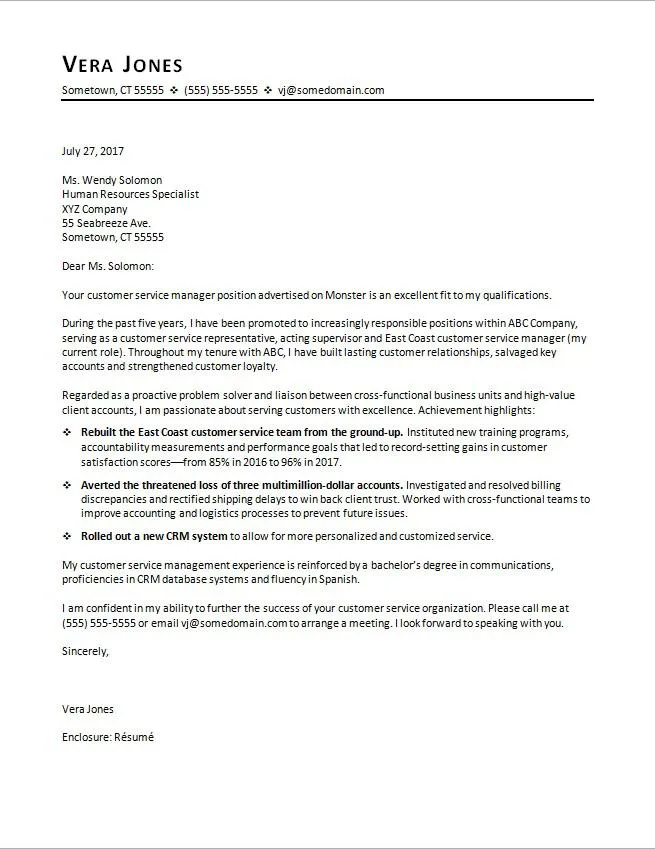
What is a Customer Service Cover Letter?
A customer service cover letter is a crucial document that accompanies your resume when applying for a customer service position. It serves as your introduction to a potential employer, providing an opportunity to showcase your personality, skills, and experience in a way that a resume alone cannot. This letter allows you to explain why you’re a great fit for the role and the company, and it highlights your enthusiasm for the position. Think of it as your first chance to make a positive impression and persuade the hiring manager to read your resume and consider you for an interview. A well-crafted cover letter can significantly increase your chances of landing a customer service job, setting you apart from other applicants. It’s your chance to shine and demonstrate your commitment to providing excellent customer service.
Why You Need a Customer Service Cover Letter
In the competitive job market, especially for customer service roles, a cover letter is more than just an optional extra; it’s a necessity. It provides a platform to personalize your application and connect with the employer on a more individual level. By using a cover letter, you can explain any gaps in your employment history, elaborate on your achievements, and tailor your skills to match the specific requirements of the job description. A strong cover letter demonstrates your communication skills, attention to detail, and genuine interest in the company, which are all highly valued in customer service. Moreover, it shows that you’re willing to go the extra mile, displaying initiative and a proactive approach to job hunting. Without a cover letter, you risk being seen as just another applicant, and your resume might get overlooked.
Key Elements of a Customer Service Cover Letter

A well-structured customer service cover letter comprises several key elements, each designed to highlight different aspects of your qualifications and personality. These elements include your contact information, the date, the recipient’s information, a professional salutation, well-crafted body paragraphs, and a compelling closing. Each section plays a vital role in communicating your suitability for the role and making a lasting impression on the hiring manager. Mastering these elements ensures that your cover letter is clear, concise, and persuasive, increasing your chances of getting noticed and securing an interview.
Formatting Your Cover Letter
Proper formatting is essential for creating a professional and readable cover letter. Poorly formatted documents can distract the reader and undermine the message you’re trying to convey. Use a clean, easy-to-read font like Arial, Calibri, or Times New Roman, and maintain a consistent font size (typically 11 or 12 points) throughout the document. Use single spacing for the body of your letter with a blank line between paragraphs. Keep margins at 1 inch on all sides to avoid a cramped appearance. These formatting choices contribute to a visually appealing document and ensure your cover letter is easy for the hiring manager to read and understand.
Contact Information
Start your cover letter by including your contact information. This usually includes your full name, address, phone number, and email address. Place this information at the top left corner of the document. Ensure your email address is professional; avoid using nicknames or informal addresses. Accuracy is paramount, as this is how the employer will reach you if they want to move forward in the hiring process.
Date

Directly below your contact information, include the date you are writing the cover letter. This helps the employer understand when you applied for the position and provides a reference point for their records.
Recipient’s Information
Next, include the recipient’s information. This typically includes the hiring manager’s name, title, and the company’s name and address. If you can find the hiring manager’s name, addressing the letter to them personally makes a positive impact. If you cannot find a name, use the job title (e.g., Hiring Manager) or the department (e.g., Human Resources Department) to ensure it gets to the right person. Researching the company and the hiring manager shows that you care enough to go the extra mile.
Salutation
The salutation sets the tone for your cover letter. Use a formal greeting like “Dear Mr./Ms./Mx. [Last Name]” if you know the hiring manager’s name. If you don’t know the name, use a professional greeting like “Dear Hiring Manager” or “Dear [Department Name]”. Avoid generic salutations like “To Whom It May Concern” as they lack a personal touch. The salutation is your first interaction with the employer, so make sure it is respectful and professional. Remember to capitalize the first word of your salutation and follow it with a comma.
Body Paragraphs

The body paragraphs are where you make your case. This section should contain around three paragraphs, each serving a specific purpose to highlight your suitability for the job. These paragraphs should articulate your skills, experiences, and enthusiasm for the role while also demonstrating your understanding of the company and its values.
First Paragraph
Start your first paragraph by stating the position you are applying for and how you found it (e.g., job board, company website, referral). Then, immediately express your interest in the role and the company, highlighting your passion for customer service. Briefly mention a key skill or experience that makes you stand out. This opening paragraph sets the stage and immediately grabs the reader’s attention. Be clear, concise, and show your excitement about the opportunity. Showing excitement for the company will leave a positive impression on the hiring manager.
Second Paragraph
This paragraph is where you showcase your relevant skills and experiences. Review the job description and identify the key requirements. Provide specific examples of how your skills and experiences align with these requirements. Use the STAR method (Situation, Task, Action, Result) to structure your examples. For example, describe a situation where you resolved a customer issue (Situation), the task you were assigned (Task), the actions you took to solve it (Action), and the positive outcome (Result). Quantify your achievements whenever possible (e.g., “Improved customer satisfaction scores by 15%”).
Third Paragraph

In your final body paragraph, connect your skills and experiences to the company’s values and goals. Explain why you are a good fit for the company culture and how you can contribute to their success. Express your enthusiasm for the opportunity to learn and grow within the company. Reiterate your interest in the role and thank the hiring manager for their time and consideration. Finish by inviting them to contact you for an interview.
Closing
Close your cover letter professionally. Use a formal closing such as “Sincerely,” “Regards,” or “Best regards,” followed by your name. Ensure you leave space for your signature above your typed name, if you plan to print and sign the letter. Proofread your closing to ensure there are no errors, as this is the last part of the letter the hiring manager will read.
Common Mistakes to Avoid
Avoiding common mistakes can significantly improve your cover letter’s impact. Some of the most frequent errors include typos and grammatical errors, which undermine your professionalism and attention to detail. Using generic templates can also make your application seem impersonal and uninspired. Additionally, writing a letter that is too long can lose the reader’s interest. Always customize your letter to the specific job and company. Ensure your tone is professional and enthusiastic. Finally, don’t forget to proofread meticulously before submitting your application. These small details can make a huge difference.
Proofreading and Editing

Proofreading and editing are critical steps in the cover letter writing process. Before submitting your cover letter, carefully proofread it for any errors in grammar, spelling, and punctuation. Read it aloud to catch any awkward phrasing or sentences that don’t flow smoothly. Consider asking a friend, family member, or career counselor to review your letter for feedback. A fresh pair of eyes can often spot errors that you might miss. Ensure your cover letter is clear, concise, and free of errors. This attention to detail reflects your professionalism and commitment.
Using Generic Templates
While cover letter templates can serve as a starting point, relying on generic templates can be a significant mistake. These templates often lack the personalization and specific details that employers seek. They can make your application appear generic and uninspired, making it difficult for you to stand out from other applicants. Instead, use templates as a guide to structure your cover letter and then customize it with your own unique experiences, skills, and insights. Tailor your letter to each specific job application and company. This will demonstrate your genuine interest and increase your chances of making a positive impression.
Tailoring Your Cover Letter
Tailoring your cover letter to each job application is a crucial step in the job search process. Customize each cover letter to align with the specific requirements and values of the company. Review the job description carefully and highlight the skills and experiences that match the requirements. Research the company and use your cover letter to show your understanding of their mission, values, and goals. This demonstrates that you have taken the time to learn about the company and are genuinely interested in the role. By tailoring your letter, you increase your chances of capturing the hiring manager’s attention and demonstrating that you are a well-suited candidate.
Highlighting Relevant Skills

When tailoring your cover letter, carefully highlight the customer service skills that are most relevant to the job description. Customer service roles require a variety of skills, including communication, problem-solving, empathy, patience, and conflict resolution. Provide specific examples of how you have demonstrated these skills in previous roles or situations. For example, if the job description emphasizes the need for strong communication skills, describe a time when you effectively communicated with a difficult customer to resolve an issue. Focus on how you have used these skills to achieve positive outcomes. By emphasizing these skills, you can demonstrate your ability to excel in the role.
Quantifying Achievements
Quantifying your achievements is a powerful way to demonstrate your value to a potential employer. Instead of simply stating that you provided excellent customer service, provide specific examples that show the results of your efforts. Use numbers and metrics to illustrate your impact. For example, you can say that you “Reduced customer complaints by 20% by implementing a new support system” or “Consistently exceeded customer satisfaction targets by 15%.” Quantifying your achievements provides concrete evidence of your skills and abilities, making your cover letter more compelling and memorable. It shows the hiring manager the tangible benefits you can bring to the company.
Showcasing Customer Service Experience
Showcasing your customer service experience is critical for securing a customer service position. Describe your past experiences in detail, focusing on the responsibilities, challenges, and accomplishments related to providing excellent customer service. Use the STAR method to structure your examples and demonstrate how you handled various situations. If you’ve worked in a customer-facing role, describe your interactions with customers, including how you handled complaints, resolved issues, and went above and beyond to meet their needs. Show how your experiences have prepared you for the specific job by explaining your skills and achievements related to the role. This information helps the employer understand your abilities.
Customer Service Cover Letter Examples
Reviewing customer service cover letter examples can provide valuable insights and inspiration when writing your own. Look for examples that match your experience level and the type of job you are applying for. Pay attention to how the authors highlight their skills, quantify their achievements, and tailor their letters to the specific job descriptions. Analyze the language and tone used in the examples, and adapt it to your own style. By studying these examples, you can learn how to structure your cover letter, showcase your strengths, and make a positive impression on potential employers. Be sure to use these examples as a guide, not a template, and always personalize your cover letter.