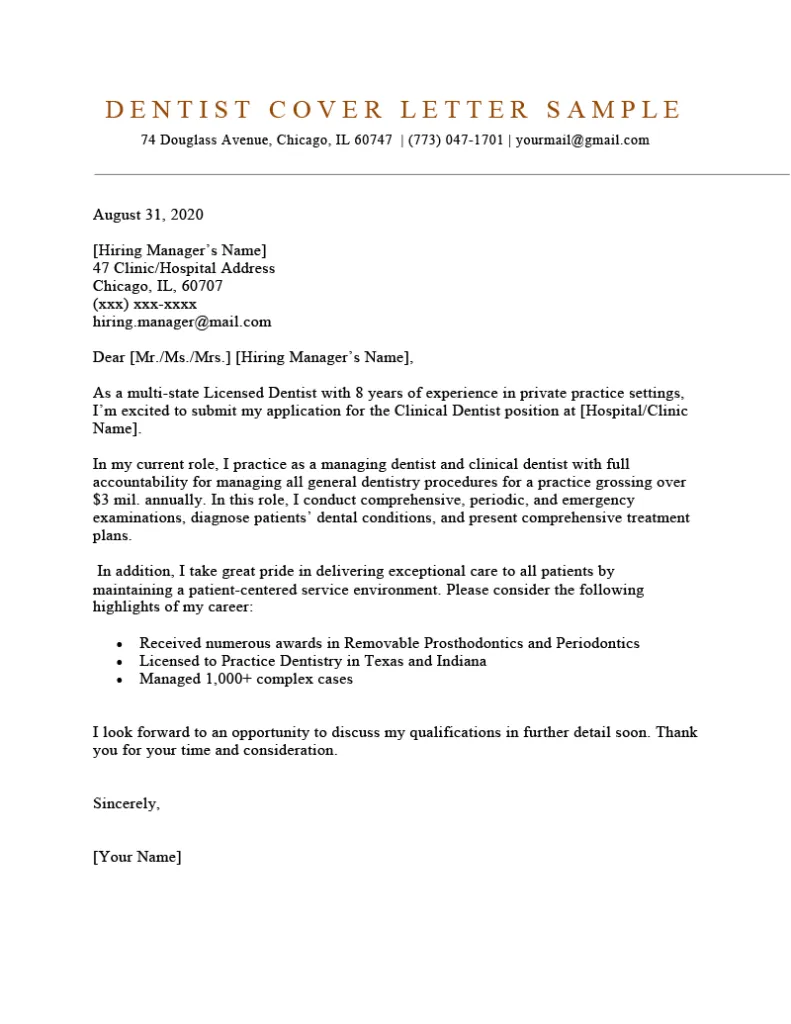
The Cover Letter Explained
A cover letter is a crucial component of your job application package. It serves as your introduction to a potential employer and provides an opportunity to elaborate on your skills, experiences, and qualifications in a more personalized manner than your resume allows. Unlike a resume, a cover letter allows you to showcase your personality and explain why you are a perfect fit for the specific role and the company. It’s your chance to make a strong first impression and demonstrate your enthusiasm for the opportunity. A well-written cover letter can significantly increase your chances of getting an interview, so understanding its importance is the first step to success. Furthermore, a cover letter helps you bridge the gap between your skills and the job requirements, making it clear how you can contribute to the company’s goals. It’s a strategic document that should be carefully crafted to maximize its impact and get you noticed by the hiring manager.
Highlight Your Value
When writing your cover letter, focus on highlighting the value you bring to the table. Instead of simply listing your skills and experiences, explain how they align with the job requirements and the company’s objectives. Showcase your achievements with quantifiable results whenever possible. For example, instead of saying you ‘managed projects,’ describe how you ‘successfully managed three projects, resulting in a 15% increase in efficiency.’ This demonstrates your ability to deliver tangible outcomes. Always emphasize what you can do for the employer, not just what the job can do for you. By showcasing your value, you create a compelling narrative that convinces the hiring manager that you are a worthy candidate. Remember to align your skills with the keywords used in the job description to capture the recruiter’s attention. Your goal is to convince the employer that you are the solution to their problems.
Tailor Your Letter

A generic cover letter is easily spotted and often gets discarded. Tailor each cover letter to the specific job and company you’re applying for. Research the company’s mission, values, and recent activities. Understand the specific requirements and expectations of the role and then tailor your letter to address them. Highlight the experiences and skills that are most relevant to the position. Mention specific projects or accomplishments that demonstrate your ability to succeed in the role. If the job description emphasizes certain skills or qualifications, make sure to prominently feature them in your cover letter. Demonstrating that you’ve done your homework and genuinely want the job increases your chances of getting an interview. Customizing your cover letter shows that you’re not just sending out a generic application but are truly interested in the opportunity.
Address the Company’s Needs
Your cover letter should directly address the company’s needs. Review the job description carefully to understand the challenges and goals the company is trying to achieve. Then, explain how your skills and experiences can help them. Demonstrate your understanding of the company’s industry, competitors, and market position. Show how you can contribute to their success. For example, if the company is looking to expand into a new market, highlight your experience in that market or your skills in market analysis. By addressing the company’s needs, you show that you’re not just looking for a job but that you are a solution to their problems. This makes you a more compelling candidate and increases your chances of being selected for an interview. This proactive approach can set you apart from other applicants who may simply list their qualifications without connecting them to the employer’s objectives.
Show, Don’t Tell
Instead of simply stating your skills, demonstrate them through specific examples and achievements. Avoid vague statements and provide concrete evidence to back up your claims. For instance, instead of saying ‘I am a good communicator,’ describe a situation where you successfully communicated a complex project to stakeholders, resulting in a positive outcome. Use the STAR method (Situation, Task, Action, Result) to structure your examples and make them more impactful. This approach not only provides context but also illustrates the impact of your actions. When describing your accomplishments, use numbers and data to quantify your results whenever possible. This adds credibility to your claims and makes your achievements more tangible. Show, don’t tell is about bringing your resume to life with practical examples that support your claims and prove your value to the company.
Proofread and Edit Meticulously

Typos, grammatical errors, and poor formatting can instantly disqualify your application. Before submitting your cover letter, proofread it carefully for any mistakes. Use spell-check and grammar-check tools, but don’t rely on them completely. Read your cover letter aloud to catch awkward phrasing and ensure it flows well. Ask a friend, family member, or career counselor to review your cover letter for a fresh perspective. Even a single error can create a negative impression. Ensure consistency in formatting, such as font style, font size, and spacing. Pay attention to the details, from the correct use of punctuation to the proper formatting of dates and addresses. A polished cover letter demonstrates your attention to detail and your commitment to excellence, making a positive impression on the hiring manager and increasing your chances of success.
Formatting Your Cover Letter
Choosing the Right Font and Size
The format of your cover letter is just as important as its content. Choose a professional, easy-to-read font such as Times New Roman, Arial, or Calibri. Keep the font size between 10 and 12 points for optimal readability. Use consistent formatting throughout the document. Proper formatting makes your cover letter look organized, professional, and easier to read. Avoid using unusual or overly stylized fonts, as they can be distracting and difficult to read. Ensure there is enough white space between paragraphs and sections to improve readability. A well-formatted cover letter shows that you pay attention to detail and respect the reader’s time. By implementing these basic formatting rules, you are setting the stage for your content to shine through.
Use a Professional Tone

Maintain a professional and formal tone throughout your cover letter. Avoid slang, jargon, and overly casual language. Use respectful and courteous language when addressing the hiring manager. Address the recipient by name if possible, and use the appropriate salutation (e.g., ‘Dear Mr./Ms./Mx. [Last Name]’). When describing your achievements and skills, be confident but not arrogant. The goal is to present yourself as a capable and enthusiastic candidate without appearing boastful. Always proofread your cover letter to ensure that the tone remains professional and consistent throughout. A professional tone sets the right impression from the start and signals that you are serious about the opportunity. Furthermore, this shows that you understand workplace etiquette and can communicate effectively with potential colleagues and managers.
Keep it Concise
Hiring managers often have limited time to review cover letters. Keep your cover letter concise and to the point. Aim for a single page, typically no more than three or four paragraphs. Focus on the most relevant information and avoid unnecessary details. Clearly state your objective and highlight your key qualifications early on. Use strong, action-oriented verbs to describe your accomplishments. Be direct and avoid rambling or using complex sentences. Every sentence should have a purpose and contribute to your overall message. A concise cover letter shows that you respect the reader’s time and can communicate effectively. It’s an opportunity to grab the hiring manager’s attention quickly and make a lasting impression without getting lost in unnecessary details.
Common Cover Letter Mistakes
Generic Opening Paragraphs

Avoid using generic opening paragraphs that could apply to any job or company. Phrases like ‘I am writing to express my interest…’ are overused and fail to capture the reader’s attention. Instead, start with a strong opening that immediately highlights your interest in the specific position and the company. Mention where you saw the job posting or how you learned about the company. Personalize your opening by mentioning something specific that caught your attention, like a company project or value. The first paragraph sets the tone for the rest of your letter, so it must be engaging and memorable. Start with a captivating opening that quickly demonstrates your interest, expertise, and enthusiasm.
Focusing on Yourself Too Much
While you need to showcase your skills and experience, avoid making your cover letter all about yourself. Shift the focus to how you can contribute to the company’s goals and how your skills align with the needs of the role. Instead of simply listing your accomplishments, explain how they benefited your previous employers and how they can benefit the new company. Use the cover letter to demonstrate how your skills and experience will address the employer’s needs. Connect your abilities to the company’s mission, values, and objectives. This strategic approach makes your cover letter more compelling and shows that you are interested in the company’s success, not just your own career advancement. The goal is to show how your skills can solve the company’s problems.
Typos and Grammatical Errors
Typos and grammatical errors are a common and easily avoidable mistake that can immediately damage your chances of getting an interview. These errors create a negative impression and suggest a lack of attention to detail. Proofread your cover letter meticulously before submitting it. Use spell-check and grammar-check tools, but don’t rely on them completely. Read your cover letter aloud to catch any awkward phrasing or mistakes. Ask a friend, family member, or career counselor to review your cover letter for a fresh perspective. A polished cover letter demonstrates professionalism and respect for the employer, signaling that you are serious about the opportunity and that you value attention to detail. Taking the time to proofread your cover letter is a small but crucial step in ensuring that your application makes a positive impression.