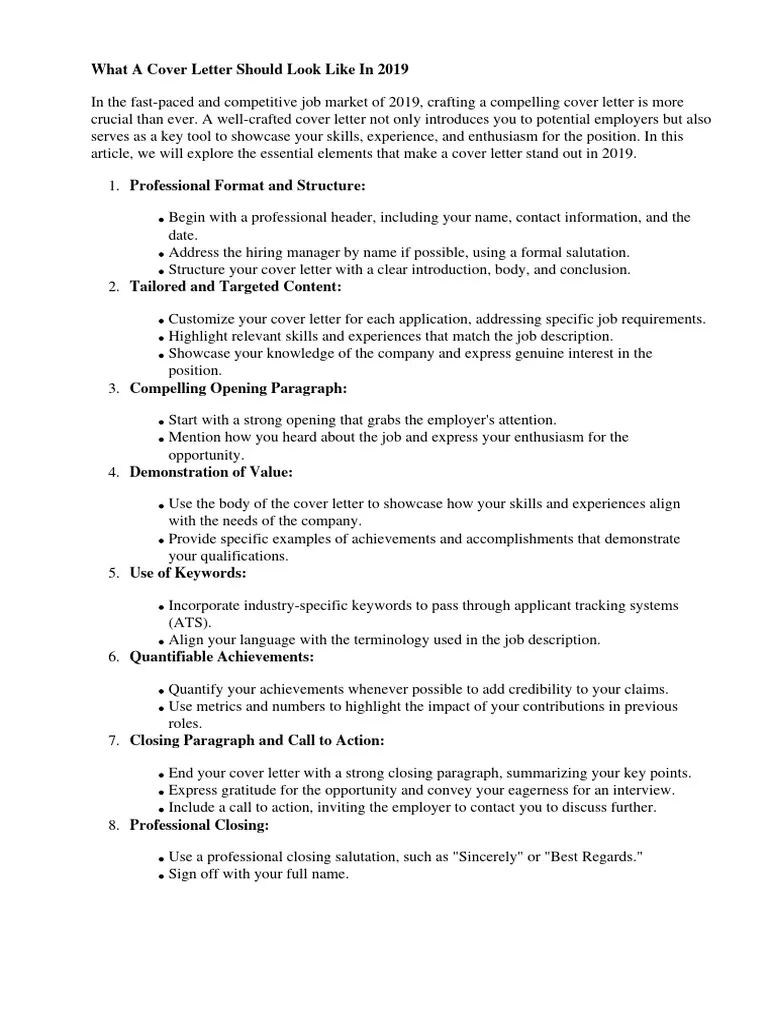
What is a Cover Letter?
A cover letter is a crucial document that accompanies your resume when you apply for a job. It serves as your first introduction to a potential employer, providing you with the opportunity to showcase your personality, highlight your relevant skills and experience, and express your enthusiasm for the specific role and company. Think of it as your chance to make a strong first impression and convince the hiring manager to delve deeper into your qualifications by reading your resume. A well-crafted cover letter can significantly increase your chances of landing an interview, setting you apart from other applicants who might simply submit a resume alone.
Cover Letter Essentials [5 Key Tips]
Writing a compelling cover letter can seem daunting, but breaking it down into key components can make the process much more manageable. Here are five essential tips to consider when crafting your cover letter, ensuring it effectively communicates your value and maximizes your chances of securing an interview. By following these guidelines, you can create a cover letter that resonates with hiring managers and helps you stand out in a competitive job market.
Tailor Your Cover Letter for Each Job

One of the biggest mistakes job seekers make is sending out generic cover letters. A successful cover letter is not a one-size-fits-all document; it must be tailored to each specific job application. This involves carefully reviewing the job description and identifying the key skills, experiences, and qualifications the employer is seeking. Then, you should customize your cover letter to demonstrate how your background aligns with those specific requirements. This shows the employer that you’ve taken the time to understand their needs and are genuinely interested in the position, not just sending out a mass application.
Highlight Relevant Skills and Experience
Your cover letter is the perfect place to showcase the skills and experiences that make you the ideal candidate for the job. Go beyond simply listing your qualifications; actively demonstrate how your past achievements have prepared you for the role. Provide specific examples that highlight your abilities and how you’ve used your skills to achieve positive results. This can include projects you’ve worked on, problems you’ve solved, or specific contributions you’ve made in previous roles. The goal is to paint a clear picture of how your expertise aligns with the employer’s needs, making a compelling case for why they should consider you for an interview. (highlight-skills.webp)
Quantify Your Achievements with Data
Instead of just stating what you’ve done, use data and metrics to quantify your achievements. This makes your claims more credible and demonstrates the tangible impact you’ve had in previous roles. For example, instead of saying “Improved sales,” say “Increased sales by 15% in six months through implementing a new marketing strategy.” Quantifying your achievements provides concrete evidence of your capabilities, showing the employer the value you can bring to their organization. This can include numbers, percentages, or specific dollar amounts, to illustrate your successes. (quantify-achievements.webp)
Showcase Your Personality and Enthusiasm

While professionalism is essential, don’t be afraid to let your personality shine through in your cover letter. Hiring managers want to see who you are beyond your qualifications. Express your enthusiasm for the company and the position. Show genuine interest in the work and the company’s mission, and explain why you’re excited about the opportunity. This personal touch helps you connect with the hiring manager on a more human level, making you more memorable and increasing your chances of standing out from other applicants. A touch of personality can make your application more engaging and demonstrate that you are a good fit for the company culture.
Proofread and Edit Meticulously
Before you submit your cover letter, proofread it carefully for any errors in grammar, spelling, and punctuation. Typos and grammatical mistakes can create a negative impression and make you appear less professional. Read your cover letter aloud to catch any awkward phrasing or sentences that don’t flow well. It’s also a good idea to have a friend or colleague review your cover letter for you, as they may catch errors you’ve missed. A polished cover letter demonstrates attention to detail and a commitment to quality, which are highly valued by employers. (proofreading-cover-letter.webp)
Cover Letter Formatting Tips
The format of your cover letter is just as important as the content. A well-formatted cover letter is easy to read and visually appealing, making a positive impression on the reader. Here are some key formatting tips to keep in mind when writing your cover letter, enhancing readability and professionalism.
Use a Professional Tone

Maintain a professional and respectful tone throughout your cover letter. This includes using formal language, avoiding slang or colloquialisms, and addressing the hiring manager appropriately. Start with a proper salutation, such as “Dear Mr./Ms. [Last Name],” and conclude with a professional closing, such as “Sincerely” or “Best regards.” Maintain a positive and confident tone, focusing on your strengths and enthusiasm for the opportunity. A professional tone ensures your cover letter is taken seriously and reflects well on your candidacy. (professional-cover-letter.webp)
Keep it Concise and Focused
Hiring managers are busy, so it’s important to keep your cover letter concise and to the point. Aim for a length of one page, focusing on the most relevant information and avoiding unnecessary details. Use clear and concise language, avoiding jargon and overly complex sentences. Break up long blocks of text with bullet points and headings to improve readability. Focusing on the most important information makes it easier for the hiring manager to quickly understand your qualifications and see your potential. (cover-letter-examples.webp)
Choose an Appropriate Font and Font Size
Select a professional and easy-to-read font, such as Times New Roman, Arial, or Calibri. Avoid using overly decorative or unusual fonts, as they can be distracting and make your cover letter more difficult to read. Use a font size of 11 or 12 points for the body text and 10-11 points for headings. Ensure your cover letter is well-spaced, with consistent margins and line spacing. This will make your document visually appealing and easy to scan. Proper formatting enhances the overall professionalism and readability of your cover letter.
Cover Letter Mistakes To Avoid

While crafting your cover letter, it’s important to be aware of common mistakes that can hurt your chances of getting an interview. Avoiding these pitfalls can help you create a more effective and impressive cover letter that showcases your value and increases your chances of success. Here are some of the most common cover letter mistakes to avoid.
Generic Cover Letters
As mentioned earlier, sending a generic cover letter is a major mistake. Generic cover letters lack personalization and fail to demonstrate your interest in the specific role and company. They often use vague language and fail to highlight your relevant skills and experience. Employers can easily spot these generic applications, and they’re less likely to be considered. Always tailor your cover letter to each job application by researching the company, understanding the job requirements, and showcasing how your qualifications align with their needs. (cover-letter-mistakes.webp)
Typos and Grammatical Errors
Typos and grammatical errors can damage your credibility and make you appear unprofessional. These errors suggest a lack of attention to detail and can undermine your application. Before submitting your cover letter, carefully proofread it for any mistakes. Use a spell checker and grammar checker, but don’t rely on them entirely; always read through the document yourself. Ask a friend, family member, or career advisor to review your cover letter for a second opinion. This will help you catch any errors you might have missed.
Lack of Research About the Company

Failing to research the company is a sign of a lack of interest and can make your cover letter less effective. Employers want to see that you’ve taken the time to understand their organization, its mission, its values, and its current projects. Research the company’s website, social media profiles, and recent news articles. Incorporate relevant information into your cover letter to demonstrate your knowledge and genuine interest in the company. Mention specific projects, initiatives, or aspects of the company that appeal to you, and explain why you want to contribute to their success. This shows that you are truly interested in the opportunity.
Cover Letter Examples
Looking at well-written cover letter examples can be a great way to learn how to structure and format your own cover letter. Reviewing different examples will provide insights into the content, tone, and style of successful cover letters. You can find examples online, in career guides, or from career advisors. Pay attention to how the examples highlight the candidate’s skills and experience, and how they tailor the letter to the specific job. Remember to adapt the examples to your own situation, rather than copying them verbatim.
Cover Letter Checklist
Use a checklist to ensure your cover letter is complete and error-free. A cover letter checklist is a useful tool to ensure you haven’t missed anything important. Here are some key items to include
- Personalized Greeting
- Clearly states the position you’re applying for
- Highlights relevant skills and experiences
- Quantifies achievements with data
- Expresses enthusiasm for the company and role
- Proofreads for any grammatical errors or typos
- Professional closing and signature