What Makes a Cover Letter Disruptive?
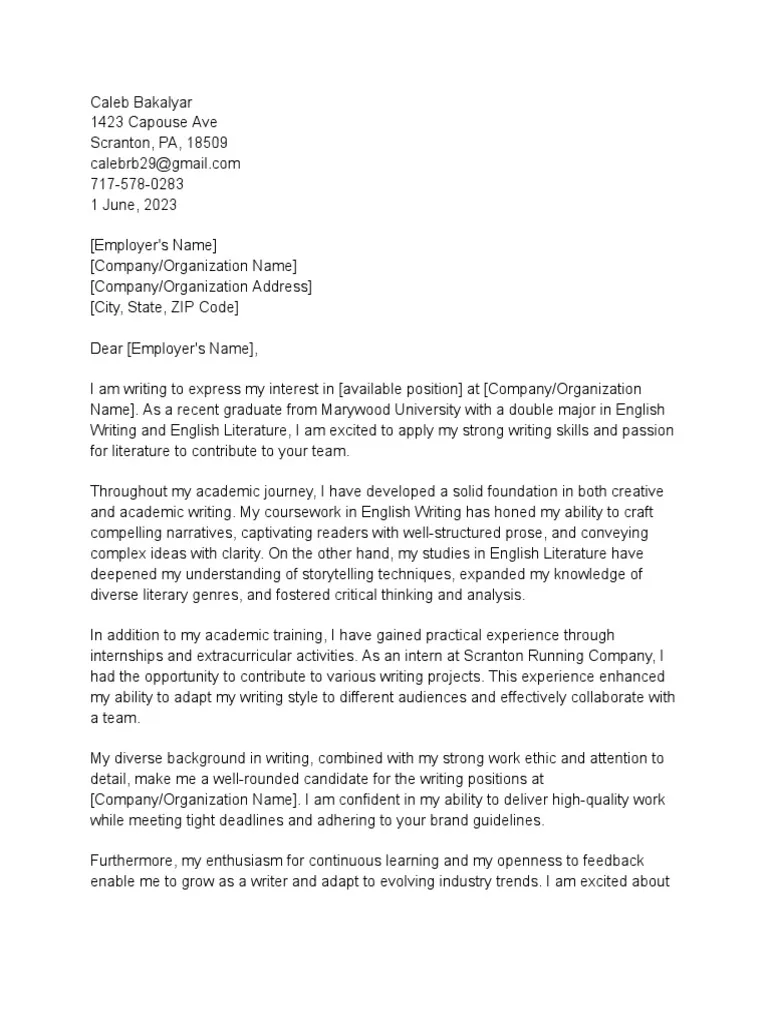
A disruptive cover letter breaks the mold of traditional job application methods. It goes beyond simply listing qualifications; it crafts a narrative that highlights your unique value proposition and captivates the hiring manager. In a competitive job market, a disruptive cover letter distinguishes you from other applicants by demonstrating your understanding of the role and the company’s needs. This approach combines creativity, research, and a willingness to stand out, making your application memorable and impactful. The goal is to establish an immediate connection, showcasing why you’re the ideal candidate and leaving a lasting impression.
Why Cover Letters Still Matter in 2024
Despite the rise of digital applications, cover letters remain a powerful tool in the job search. They showcase your communication skills and personality, giving you a platform to share the story behind your resume. Recruiters and hiring managers still highly value cover letters, as they offer insights into a candidate’s thought process, writing abilities, and overall fit for the role. A well-crafted cover letter demonstrates your understanding of the specific job requirements and articulates your qualifications. The ability to communicate your enthusiasm and how you align with the company’s values can significantly increase your chances of an interview.
Highlighting Your Unique Value Proposition

Your cover letter is your chance to emphasize what makes you different. Identify your key skills, experiences, and qualities that match the job requirements. Then, clearly explain how these benefits the employer. Quantify your achievements and strengths, showing the specific contributions you’ve made in the past. Demonstrate what you bring to the table that other candidates may lack. Tailor your letter to showcase your understanding of the company’s needs, making a strong case for why you’re the best fit. The more you demonstrate your value and how your experience aligns with the job, the greater your chances of getting noticed and receiving an interview.
Show, Don’t Just Tell
Illustrate your skills with concrete examples. Instead of stating you’re a ‘good communicator,’ describe a situation where your communication skills led to a positive outcome. Provide real-world evidence that backs up your claims. Use anecdotes, case studies, and specific examples to illustrate how you’ve applied your skills in the past. This builds credibility and makes your application more persuasive, showing that you can deliver on your promises rather than just making general statements. A disruptive cover letter is about proving what you can do.
Use Action Verbs for Impact
Infuse your cover letter with dynamic action verbs. Replace passive phrases with active verbs that highlight your achievements. Start sentences with strong action verbs like ‘managed,’ ‘developed,’ ‘achieved,’ or ’led.’ Avoid generic language; choose verbs that directly reflect your accomplishments and responsibilities. This language makes your cover letter more engaging and reveals your abilities and expertise. Using vivid language can make your work stand out from the competition and will demonstrate your skills.
Quantify Your Achievements

Numbers enhance the effectiveness of your cover letter. Whenever possible, quantify your achievements to provide clear evidence of your success. Use metrics to showcase your contributions. For instance, highlight the amount of money saved, the number of projects completed, or the percentage of sales increase. Quantifying your achievements makes your cover letter more persuasive and memorable. Showing results demonstrates that you are results-oriented. Make it easier for the reader to grasp your accomplishments and the value you bring to the organization.
Cover Letter Formatting Essentials
Formatting influences the reader’s first impression, so use a professional font like Arial or Calibri. Make it easy to read with clear headings, bullet points, and white space. Aim for a clean layout that allows the hiring manager to quickly scan the document and grasp the main points. Maintain consistent formatting throughout the letter, including margins, line spacing, and alignment. A well-formatted cover letter indicates that you pay attention to detail and value clarity.
Keep it Concise and Engaging
Keep your cover letter concise to capture the hiring manager’s attention. Stick to one page, focusing on the most relevant details. Use direct language, and avoid unnecessary jargon. Make every sentence count to maintain engagement. Use a conversational tone and a touch of personality. A clear, concise overview of your qualifications, showing why you’re the right fit, will help you to stand out.
Tailoring Your Cover Letter

Avoid generic cover letters by customizing each one to match the specific job requirements and the company’s values. Carefully review the job description to identify the key skills and qualifications the employer seeks. Highlight the relevant experiences and explain how they align with the job’s responsibilities. Research the company to demonstrate your understanding. Tailoring your cover letter demonstrates your investment in the opportunity and your genuine interest.
Researching the Company
Before writing your cover letter, research the company to show your genuine interest. Explore the company website, read news articles, and browse social media profiles to understand its mission, values, and recent achievements. Knowing the company’s culture will give you insight into what they value. Mention specific details from your research to show that you’ve done your homework. Doing your homework shows that you’re prepared and that you understand how your skills can contribute to their success.
Addressing Specific Requirements
Carefully review the job description to identify the specific requirements. Directly address each requirement in your cover letter, providing evidence that you meet them. Use the language of the job description and include relevant keywords. Tailor your letter to show how your skills and experience align with the employer’s needs. The goal is to directly answer the employer’s questions and make it easy for them to see you as a strong candidate.
Proofreading and Editing

Thorough proofreading is essential. Check for typos, grammatical errors, and formatting inconsistencies. Read your letter aloud, and have someone else review it. A well-proofread cover letter demonstrates attention to detail and professionalism.
Mistakes to Avoid
Avoid common mistakes like using generic language. Replace clichés with specific examples that highlight your abilities. Prevent typos and grammatical errors, which can damage your credibility. Addressing the job description and showcasing your personality are also key. Your personality should shine through your writing, making you more memorable.
Generic Language and Clichés
Avoid generic language and clichés. These phrases lack originality and make your cover letter seem uninspired. Replace them with specific examples that demonstrate your abilities. Generic terms such as “team player” or “hard worker” are vague. Use action verbs to describe your skills and achievements. This approach makes your cover letter more engaging.
Typos and Grammatical Errors

Typos and grammatical errors can significantly hurt your credibility. These errors create a negative impression, so make sure your cover letter is free of errors. Proofread it carefully, checking for spelling, grammar, and punctuation. Having someone else review it will provide a fresh perspective. A well-proofread cover letter displays your attention to detail.
Ignoring the Job Description
Failing to address the job description is a major mistake. The job description indicates what the employer seeks, so highlight the relevant aspects of your background and explain how you meet the needs of the job. Use the same keywords and phrases to demonstrate that you understand the role and are a strong fit. This helps the hiring manager easily assess your qualifications.
Showcasing Your Personality
Let your personality shine through. Use a conversational tone, and express your enthusiasm. Share your unique perspective, and let your authentic self shine through. This approach makes your cover letter more memorable and increases the chances of an interview. Genuine expression will help you connect with the reader.
Ending on a Strong Note

Your closing paragraph is a key opportunity to leave a lasting impression. End with a strong call to action, expressing your enthusiasm. State your desire for an interview and indicate how you will follow up. Reiterate your interest in the position and thank the hiring manager for their time. A confident and professional conclusion will help make a positive impression.
Call to Action
Include a clear call to action. State what you want the hiring manager to do next. Request an interview, and express your eagerness to discuss your qualifications. Mention how you will follow up. Provide your contact information again, and ensure it is accurate and up-to-date. This approach makes it clear you are interested and gives the reader direction, which increases the likelihood of an interview.
Expressing Enthusiasm
Express your enthusiasm. Show that you are genuinely excited about the opportunity, and let your passion for the role and the organization come through in your writing. Share specific aspects of the job that appeal to you. Expressing genuine interest helps your cover letter stand out and makes a lasting impression.