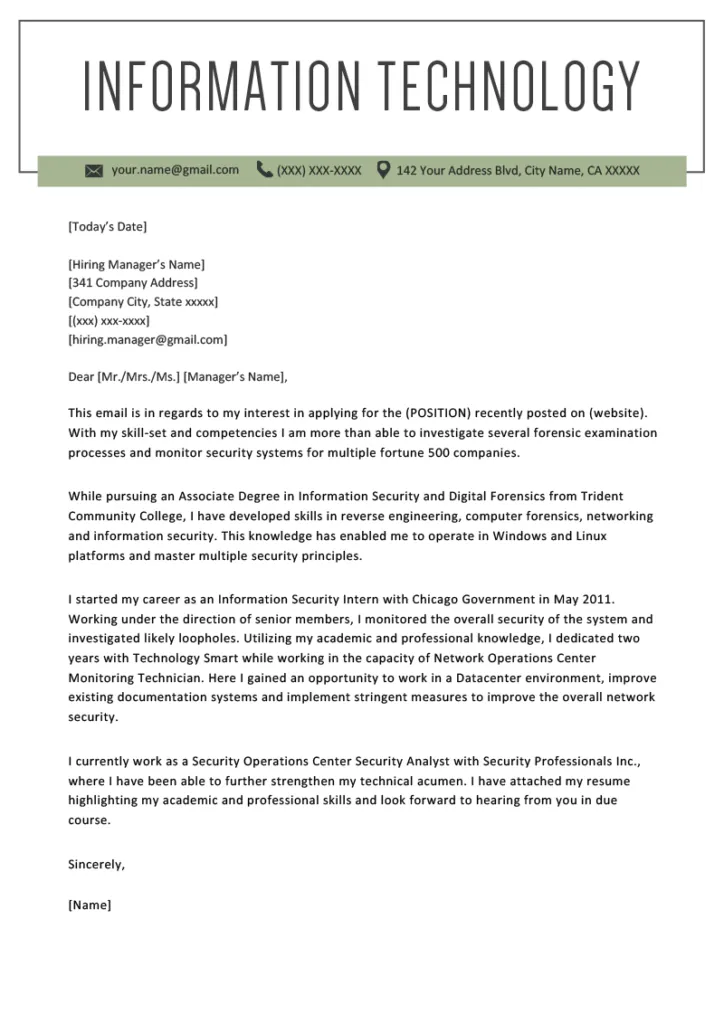
Cover Letter Tips for Information Systems Pros
In the competitive world of Information Systems, a well-crafted cover letter is your first opportunity to make a strong impression. It’s your chance to showcase not only your technical expertise but also your communication skills and personality. A compelling cover letter can significantly increase your chances of landing an interview. This guide provides essential tips for Information Systems professionals to create cover letters that stand out. From highlighting your technical skills to quantifying your achievements, each section offers actionable advice to help you create a cover letter that grabs the attention of hiring managers. Use these strategies to transform your job application and advance your IT career, because a well-written cover letter is your key to unlock new opportunities in the dynamic field of Information Systems. Start today to create the cover letter that will get your the dream job.
Highlight Your Information Systems Skills
Your cover letter is the perfect place to highlight the specific Information Systems skills that align with the job description. Don’t just list skills; demonstrate how you’ve applied them in previous roles. Consider the key responsibilities of the position and select the skills that directly address those needs. This targeted approach shows the hiring manager that you understand the requirements of the role and are confident in your ability to perform them. By focusing on relevant skills, you immediately position yourself as a strong candidate. Remember to provide brief examples of your work, showcasing how your skills have led to successful outcomes. This approach is more effective than simply listing your qualifications. Always tailor this section to match each job application. Tailoring the content shows you are a serious candidate that will fit the need of the company, helping you to stand out from the crowd.
Technical Skills to Showcase

Emphasize your technical proficiency. Mention specific programming languages (e.g., Python, Java, SQL), operating systems (e.g., Windows Server, Linux), and software applications (e.g., Microsoft Office Suite, project management tools). If the role involves data analysis, highlight your experience with data visualization tools (e.g., Tableau, Power BI). For roles focused on cybersecurity, detail your knowledge of security protocols, firewalls, and intrusion detection systems. Always provide specific examples of projects where you successfully utilized these skills. Highlighting your technical expertise directly demonstrates your ability to handle the job’s technical demands, showcasing your competency. The more you can align your technical skills with the job requirements, the more impressive your cover letter becomes. Be specific, providing measurable results and concrete examples of your past work. This detail proves your skills are not only theoretical but also practical.
Soft Skills to Emphasize
While technical skills are crucial, don’t neglect the importance of soft skills. Information Systems roles often involve collaboration and communication. Showcase your abilities in teamwork, problem-solving, and communication. Provide examples of how you’ve effectively communicated complex technical information to non-technical audiences, highlighting your ability to bridge the gap between technical and business teams. Mention your experience with project management, demonstrating your organizational and leadership skills. The ability to manage projects, communicate effectively, and work collaboratively with various teams are highly valued in the IT sector. Soft skills showcase your ability to integrate into a team and contribute effectively to a project’s success. The importance of these soft skills has increased over time as companies look for versatile professionals capable of handling various tasks and contributing to a positive work environment. Emphasizing these skills can give you an edge.
Quantify Your Achievements
Instead of merely listing responsibilities, use numbers and data to demonstrate the impact of your work. For example, if you improved system efficiency, state the percentage increase in speed or decrease in downtime. If you implemented a new system, mention the cost savings or revenue increase it generated. If you managed a project, provide details on how you delivered it on time and within budget. Quantifiable achievements provide concrete evidence of your skills and capabilities. By including numbers, you make your accomplishments more credible and memorable. This approach allows the hiring manager to quickly understand the value you can bring to the company. Ensure your achievements are relevant to the job description, and provide context to make the numbers meaningful. Presenting your achievements with quantifiable data is a simple, yet powerful way to showcase your effectiveness and success in previous roles, enhancing the impact of your cover letter.
Use Action Verbs

Use strong action verbs to describe your accomplishments and responsibilities. Action verbs make your cover letter more dynamic and engaging, helping you stand out from other applicants. Replace generic phrases like “responsible for” with more active verbs like “managed,” “implemented,” “developed,” “led,” “created,” or “optimized.” When describing your achievements, focus on what you did and the results you achieved. For example, instead of writing “Assisted with network administration,” write “Managed network infrastructure, resulting in a 15% reduction in downtime.” Use verbs that convey your initiative, problem-solving skills, and ability to drive results. Action verbs show that you are proactive and contribute significantly. By using strong verbs, you demonstrate your abilities clearly and concisely, capturing the hiring manager’s attention and highlighting your value. Using the right verbs will help showcase your skills and experiences effectively.
Tailor Your Cover Letter
Never use a generic cover letter. Always customize your cover letter for each job application. Tailoring your cover letter demonstrates that you’ve taken the time to understand the specific requirements of the role and the company. Research the company and the position, then highlight the skills and experiences that align with their needs. If the job description emphasizes certain technologies or responsibilities, make sure to address these directly in your cover letter. This shows the hiring manager that you are a good fit for the role and that you are genuinely interested in the company. Customization enhances your credibility and increases your chances of getting noticed. Customizing your cover letter for each application shows that you are serious about the opportunity and have the skills and experience that the company is seeking. This personalization makes a significant difference in the eyes of the hiring manager.
Research the Company
Before writing your cover letter, research the company thoroughly. Understand their mission, values, and recent projects. Visit their website, read news articles, and explore their social media profiles. This research will help you identify the company’s specific needs and tailor your cover letter accordingly. Mentioning specific company projects or values in your cover letter shows that you are genuinely interested in working there. Use the research to identify the company’s key priorities and align your skills with their goals. Mentioning specific aspects of the company shows that you understand their operations and are interested in contributing to their future. This demonstrates your initiative and commitment, and it sets you apart from other candidates. This extra effort shows you are proactive and have taken the time to get to know the company. Make sure you know the name of the hiring manager and use it on the cover letter.
Match Skills to Job Description
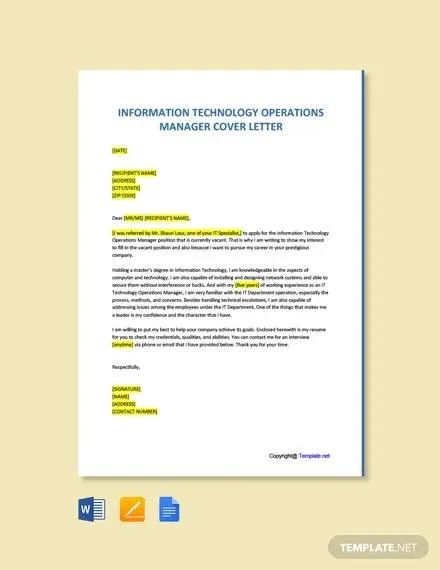
Carefully review the job description and identify the key skills, experiences, and qualifications the employer is seeking. Use this information to align your cover letter content and emphasize the relevant aspects of your background. For each requirement listed, provide examples of how you have demonstrated that skill or experience in previous roles. Use the same keywords and phrases from the job description, but only when it’s genuine and accurate. This matching process shows the hiring manager that you meet the specific requirements of the job and are an excellent fit for the position. By aligning your skills with the job description, you make it easier for the hiring manager to see how your qualifications match their needs. This focused approach increases your chances of getting selected for an interview. When presenting your skills, provide measurable results whenever possible to increase your credibility. Matching your skills with the job requirements makes your application more compelling and effective.
Proofread and Edit
Before submitting your cover letter, proofread it carefully for any grammatical errors, spelling mistakes, or typos. Ensure that your sentences are clear, concise, and easy to understand. A well-written cover letter demonstrates professionalism and attention to detail. Have someone else review your cover letter for a fresh perspective. They may catch errors that you have missed. Ensure your format is consistent throughout the document. Pay attention to the overall tone and style of your letter. A polished, error-free cover letter significantly increases your chances of making a positive impression. Before submitting, it is always recommended to proofread your cover letter multiple times. Minor errors can undermine your professionalism, so dedicate the time to revise the content carefully. A polished cover letter shows your dedication to excellence and your interest in the opportunity.