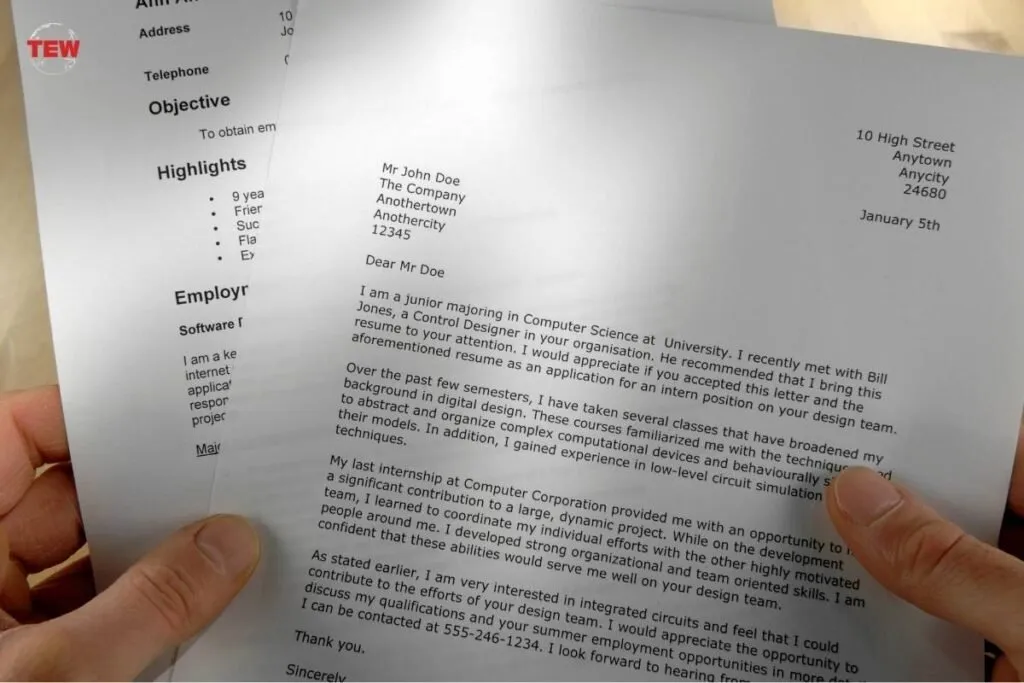
Cover Letter Secrets Unveiled
Crafting a compelling cover letter is an art and a science, a crucial step in landing your dream job. It’s your first impression, your personal sales pitch, and a chance to showcase why you’re the perfect fit. A well-written cover letter doesn’t just reiterate your resume; it tells a story, highlighting your unique skills, experiences, and personality. It allows you to connect with the hiring manager on a more personal level. This guide reveals seven secrets to help you create a cover letter that grabs attention and gets you noticed. We’ll delve into essential strategies, from highlighting your key skills to the art of tailoring your letter for each specific application. These are the secrets that set apart the ‘also-rans’ from the candidates who get interviews.
Highlighting Your Skills & Experience
Your cover letter needs to showcase a clear connection between your skills and the job requirements. Don’t just list your skills; provide specific examples of how you’ve used them to achieve results. Quantify your achievements whenever possible, using numbers and data to illustrate your impact. For instance, instead of saying ‘Managed social media accounts,’ say ‘Increased social media engagement by 30% in six months.’ Tailor this section to align with the key skills and qualifications outlined in the job description. This targeted approach demonstrates to the hiring manager that you’ve taken the time to understand the role and that you possess the necessary capabilities to succeed. Remember, it’s about showing, not just telling, what you can bring to the table.
Tailoring Your Cover Letter

One of the biggest mistakes job seekers make is sending out generic cover letters. Each cover letter should be customized to the specific job and company you’re applying for. This demonstrates genuine interest and a willingness to go the extra mile. Read the job description carefully and identify the key requirements and keywords. Then, weave these terms into your cover letter, explaining how your experience and skills align with the company’s needs. Show you understand the company’s mission, values, and recent projects. This personalization makes you stand out from the crowd and showcases that you have done your homework and are genuinely interested in the opportunity. Generic letters are easily spotted and often tossed aside.
Researching the Company
Before you even begin writing, research the company thoroughly. Visit their website, read their ‘About Us’ section, and explore their social media profiles. Understand their products or services, their target audience, and their company culture. Look for recent news articles or press releases to stay informed about their latest initiatives. This research allows you to tailor your cover letter to address specific company needs and demonstrates your genuine interest in working there. Show the hiring manager you’re not just applying for any job, but that you’ve specifically chosen to apply to their company. A little research goes a long way in making a strong impression.
Showcasing Your Achievements
Instead of simply listing your responsibilities, focus on your achievements. Highlight specific accomplishments that demonstrate your value and impact in previous roles. Use the STAR method (Situation, Task, Action, Result) to structure your examples. Describe the situation you were in, the task you were assigned, the action you took, and the positive result you achieved. For instance, instead of saying ‘Managed customer complaints,’ say ‘Implemented a new customer service protocol that reduced complaint resolution time by 20% and improved customer satisfaction scores.’ This approach shows the hiring manager what you’re capable of and provides concrete evidence of your skills. Quantify your achievements whenever possible using metrics and data to show the real impact you had in your past roles.
Using Action Verbs

Start your sentences with strong action verbs to create a dynamic and engaging cover letter. Action verbs immediately grab the reader’s attention and paint a vivid picture of your skills and experience. Instead of saying ‘Responsible for managing projects,’ try ‘Led project teams,’ ‘Oversaw project budgets,’ or ‘Coordinated project timelines.’ Use a variety of action verbs to keep your writing interesting and avoid repetition. Choose verbs that accurately reflect your accomplishments and the demands of the job. A well-chosen verb can make a significant difference in conveying your capabilities and making a memorable impression. Consider verbs related to leadership, problem-solving, communication, and innovation to make your achievements stand out.
Formatting for Readability
Your cover letter needs to be easy to read and visually appealing. Use a professional font, such as Times New Roman, Arial, or Calibri, and a font size between 10 and 12 points. Keep your paragraphs concise and to the point, with a maximum of five to six sentences each. Use bullet points to highlight key achievements or skills. Ensure your cover letter has adequate white space, with margins of at least one inch on all sides. A well-formatted cover letter is more likely to be read and understood. Avoid using excessive bolding, italics, or underlining. The goal is to present a clean, professional document that’s easy on the eyes, making it easier for the hiring manager to quickly grasp the key information.
Choosing the Right Tone
The tone of your cover letter should be professional yet engaging. Avoid being overly formal or sounding like a robot. Show personality and enthusiasm for the opportunity. Your tone should match the company culture. Some companies appreciate a more casual tone, while others prefer a formal approach. Research the company culture and tailor your tone accordingly. Be polite, respectful, and confident. Avoid using slang, jargon, or overly casual language. Your cover letter should reflect your writing skills, so ensure proper grammar and punctuation. It is also essential to proofread it carefully to ensure that you are presenting a good image of yourself.
Proofreading and Editing

Before submitting your cover letter, proofread it meticulously. Typos, grammatical errors, and spelling mistakes can make a negative impression and undermine your credibility. Read your cover letter aloud to catch any awkward phrasing or mistakes. Ask a friend, family member, or career counselor to review it for you. They may catch errors you’ve missed. Ensure all names, dates, and company information are accurate. Even the smallest error can be a deal-breaker. A polished, error-free cover letter demonstrates attention to detail and a commitment to excellence. Always double-check everything and make sure that you’re putting your best foot forward.
Addressing the Hiring Manager
Whenever possible, address your cover letter to a specific person rather than using a generic greeting. Research the hiring manager’s name and title on LinkedIn or the company website. Addressing your cover letter directly shows that you’ve taken the time to learn more about the company and that you’re genuinely interested in the role. If you can’t find the hiring manager’s name, use a professional greeting, such as ‘Dear Hiring Manager’ or ‘Dear [Department] Team.’ Avoid generic greetings like ‘To Whom It May Concern,’ as they can make your cover letter feel impersonal. A personalized greeting makes a better first impression and shows that you’re serious about the opportunity.
Following Up After Submission
After submitting your cover letter and resume, it’s acceptable to follow up with the hiring manager. Following up shows that you’re proactive and interested in the position. Send a brief email within one to two weeks of your application. Briefly reiterate your interest in the role and mention any specific qualifications that make you a good fit. Express your enthusiasm for the opportunity and thank the hiring manager for their time. Be concise and professional, and avoid being overly persistent. Remember, the goal is to politely remind the hiring manager of your application and show your genuine interest in the position. Do not send multiple follow-up emails.
What to Include

- A compelling opening paragraph that grabs the reader’s attention.
- A clear statement of the position you’re applying for.
- A brief overview of your relevant skills and experience.
- Specific examples of your achievements and how they relate to the job requirements.
- Your enthusiasm for the opportunity and the company.
- A call to action, encouraging the hiring manager to contact you for an interview.
- A professional closing and signature.
What to Avoid
- Repeating information from your resume verbatim.
- Using generic, impersonal language.
- Focusing solely on your needs rather than the company’s.
- Listing responsibilities without providing specific examples.
- Making grammatical errors or typos.
- Including irrelevant information.
- Being overly casual or informal.
- Using clichés or buzzwords.