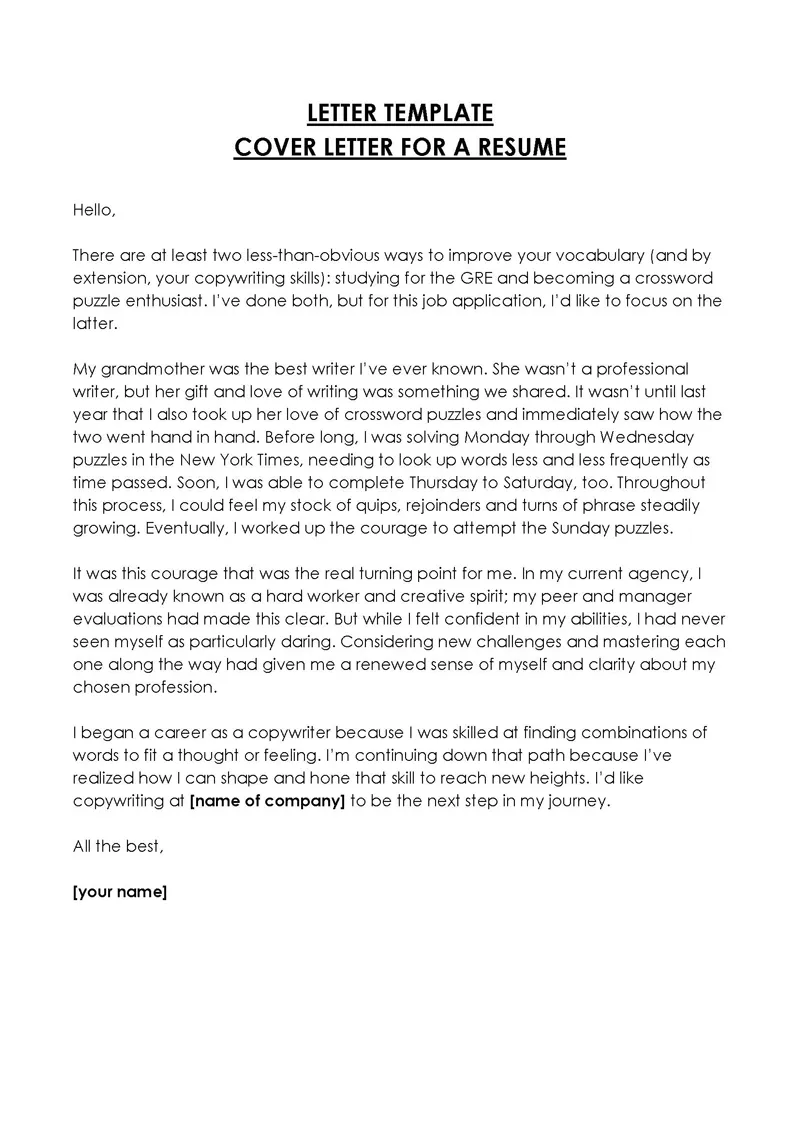
What is a Cover Letter and Why Do You Need One
A cover letter is a crucial document accompanying your resume when applying for a job. It serves as your first introduction to a potential employer, providing a personalized narrative that complements your resume. While your resume offers a concise overview of your skills and experience, a cover letter allows you to elaborate on your qualifications, express your enthusiasm for the position, and highlight why you’re the ideal candidate. It’s your chance to make a strong first impression and differentiate yourself from other applicants. Without a well-crafted cover letter, you risk missing out on opportunities to showcase your unique value and leave a lasting impact on the hiring manager. Many companies still require them, and even if it is not required, it is recommended to make your application stand out from others.
Cover Letter Secrets Crafting a Powerful Opening
The opening paragraph of your cover letter is your golden opportunity to grab the reader’s attention. Instead of generic phrases, start with a strong hook that immediately piques their interest. Briefly mention the specific position you’re applying for and how you discovered the opportunity. Then, highlight a key achievement or skill that aligns directly with the job requirements. Show, don’t just tell; provide a brief example that demonstrates your competence. Tailor your opening to the specific company and position to demonstrate that you’ve done your research. Consider mentioning something unique that you admire about the company or the role to make a personalized connection. The opening should set the tone for the entire letter, signaling your professionalism and compelling the reader to continue. A powerful opening sets the stage for a compelling narrative.
Highlighting Your Skills and Experience

In the body of your cover letter, effectively showcase your skills and experience. Don’t just reiterate your resume; expand upon your qualifications. Select 2-3 key skills or experiences that directly align with the job description. Instead of simply listing your responsibilities, use the STAR method Situation, Task, Action, Result to provide specific examples of how you’ve used your skills to achieve positive outcomes. Quantify your accomplishments whenever possible; use numbers and data to demonstrate the impact of your work. Tailor your examples to the specific requirements of the job and showcase the value you bring to the employer. Show how your skills and experience directly contribute to the company’s goals. Connect your skills to the company’s needs.
Tailoring Your Cover Letter to the Job
Customize your cover letter for each job application. Generic letters are easily spotted and often discarded. Thoroughly review the job description and identify the key requirements and desired skills. Then, adapt your cover letter to reflect those specific needs. Research the company and demonstrate your understanding of their mission, values, and goals. Show how your skills and experience align with the company’s culture. Mention specific projects or initiatives that have caught your eye. Highlighting your familiarity with the company and the role demonstrates your genuine interest and commitment to the position. Tailoring your letter shows you’ve taken the time and effort to prepare a personalized application.
The Importance of Keywords in Your Cover Letter
In the digital age, many companies use Applicant Tracking Systems (ATS) to screen resumes and cover letters. These systems scan for keywords that match the job description. To increase your chances of getting noticed, incorporate relevant keywords from the job posting throughout your cover letter. Use the keywords naturally within your sentences, without sounding forced. Highlight specific skills, software, and industry-specific terms that are mentioned in the job description. This helps your cover letter pass the initial screening process and ensures that your application reaches the hiring manager. Carefully analyze the job description to identify key terms and seamlessly integrate them into your cover letter.
Cover Letter Secrets Showcasing Your Personality

Your cover letter is an opportunity to let your personality shine. While professionalism is essential, don’t be afraid to inject your unique voice and enthusiasm. Use a conversational tone and avoid sounding overly formal or robotic. Share your passion for the industry and the role. Show your genuine interest in the company. Consider including a brief anecdote that illustrates your work ethic or a relevant skill. Tailor your tone to the company culture; if it’s a more casual environment, your letter can reflect that. Letting your personality shine makes your cover letter more memorable and helps you connect with the reader on a personal level. Showing your personality sets you apart from the crowd of applicants.
Cover Letter Secrets Formatting and Design Tips
A well-formatted cover letter is easier to read and more visually appealing. Use a professional font such as Times New Roman, Arial, or Calibri, and maintain a consistent font size. Use clear, concise paragraphs and ample white space to avoid a cluttered look. Align your text to the left and avoid justified text, which can create uneven spacing. Use bullet points or numbered lists to highlight key information or achievements. Ensure your letter is easy to scan and provides a good visual flow. A well-designed cover letter reflects your attention to detail and professionalism. Clean formatting makes your cover letter more inviting to read.
Keep It Concise
Keep your cover letter concise and focused. Recruiters and hiring managers are busy people, so they often scan documents quickly. Aim for a one-page letter, and avoid including unnecessary details. Focus on the most relevant information and avoid repeating what’s already in your resume. Get to the point quickly, highlighting your key qualifications and expressing your enthusiasm for the position. Respect the reader’s time by delivering the most important information efficiently. Concise writing demonstrates your ability to communicate effectively.
Use a Professional Font

The choice of font can significantly impact the overall impression of your cover letter. Opt for a professional and easy-to-read font. Common choices include Times New Roman, Arial, Calibri, and Helvetica. Ensure the font size is readable; generally, 11 or 12 points is ideal. Avoid overly stylized or unconventional fonts that can make your letter appear unprofessional or difficult to read. A clean and classic font choice reflects your attention to detail and professionalism. Choose a font that enhances readability.
Cover Letter Secrets Proofreading and Editing
Proofreading and editing your cover letter is a non-negotiable step. Errors in grammar, spelling, and punctuation can undermine your credibility and make you appear careless. Carefully review your letter multiple times, and consider having a friend or colleague review it as well. Use spell-check and grammar-check tools, but don’t rely on them entirely; they may not catch all errors. Ensure that the tone and language are consistent throughout the letter. Thorough proofreading is the final touch that ensures your cover letter makes a positive impression.
Common Mistakes to Avoid
Several common mistakes can significantly reduce the effectiveness of your cover letter. Avoid generic templates; always tailor your letter to the specific job. Don’t simply repeat your resume; provide additional context and insights. Refrain from using jargon or overly complex language. Steer clear of negative language or complaining about previous employers. Never include salary expectations unless specifically requested. Avoid typos, grammatical errors, and formatting inconsistencies. Making these errors will make you look unprofessional.
Review Your Cover Letter
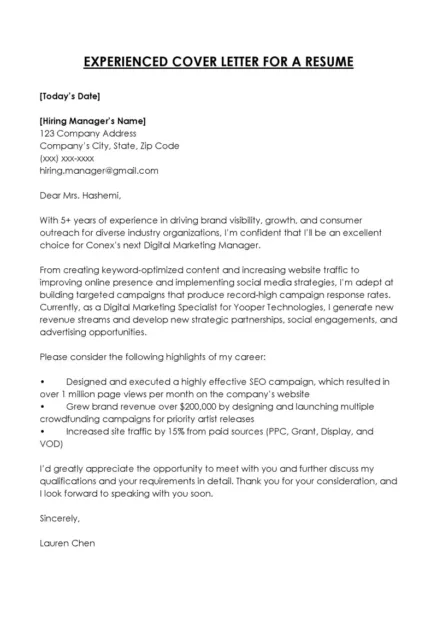
Before submitting your cover letter, review it one last time. Ensure it’s free of errors and tailored to the job. Verify that all the contact information is accurate and up-to-date. Make sure you’ve included all the required information. Read the letter aloud to catch any awkward phrasing. It’s the last step before submitting and securing the job. A final review gives you peace of mind.