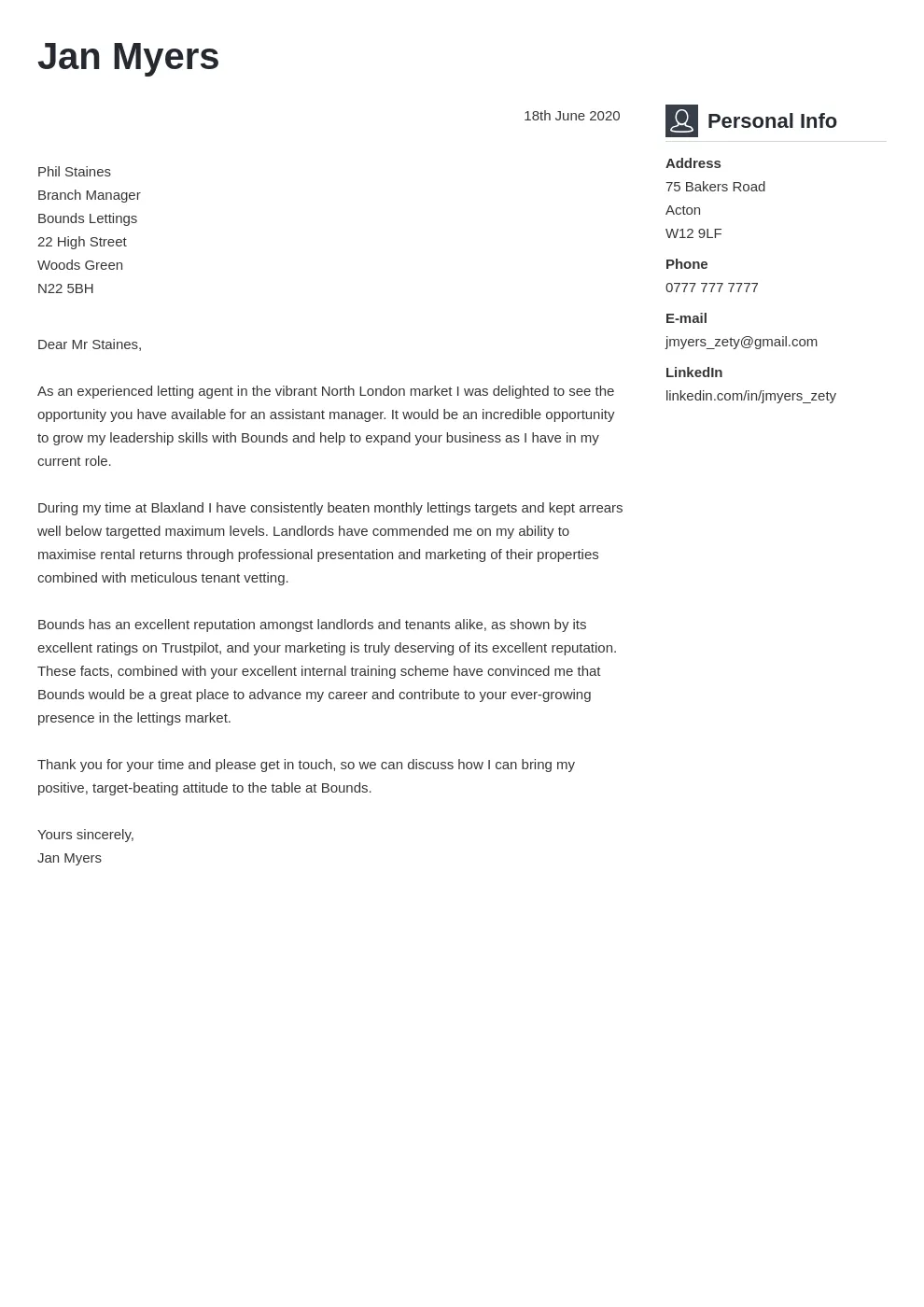
What is a Cover Letter?
A cover letter is a crucial document that accompanies your resume when applying for a job. It serves as a personalized introduction, allowing you to elaborate on your qualifications, skills, and experiences in a way that a resume alone cannot. Think of it as your opportunity to make a strong first impression and persuade the hiring manager that you are the perfect fit for the position. It is the first step in the journey to your dream job. A well-crafted cover letter can significantly increase your chances of getting an interview. Unlike a resume, the cover letter allows you to showcase your personality, demonstrate your enthusiasm for the role, and explain why you are the ideal candidate. It provides a space to connect with the employer on a more personal level and highlight aspects of your background that are most relevant to the specific job.
The Importance of a Cover Letter
In today’s competitive job market, a cover letter is more than just an optional add-on; it is a necessity. It is your chance to distinguish yourself from other applicants by demonstrating your genuine interest in the company and the specific role. Many hiring managers consider a cover letter an essential part of the application process, as it provides insights into your communication skills, writing abilities, and overall professionalism. A well-written cover letter shows that you have taken the time to understand the job requirements and tailor your application accordingly. This attention to detail demonstrates your dedication and commitment to the position. It also provides an opportunity to address any potential gaps in your resume or explain unique circumstances. Failing to submit a cover letter, when one is requested, can be a significant red flag, suggesting a lack of attention to detail or a lack of interest in the opportunity. The cover letter is your first chance to make a memorable impression.
Cover Letter Secrets to Impress Employers

Crafting a compelling cover letter involves more than just listing your qualifications. It requires strategic thinking and a keen understanding of what employers are looking for. To make a lasting impression, you must go beyond the basics and incorporate these secrets to set yourself apart. Demonstrate your knowledge of the company and the role. Research the company’s mission, values, and recent activities. Show that you understand the industry and the challenges the company faces. This level of preparation shows that you are genuinely interested in the opportunity and willing to go the extra mile. Use strong, action-oriented verbs to describe your accomplishments. Instead of stating your responsibilities, highlight what you achieved in each role. Quantify your achievements whenever possible, providing concrete evidence of your impact. Show, don’t just tell. Customize your cover letter for each job application. Generic cover letters are easily spotted and often discarded. Take the time to tailor your letter to the specific requirements of each position. Refer to the job description and highlight the skills and experiences that align with the employer’s needs. This personalized approach shows that you are a serious candidate.
Highlight Your Achievements
One of the most effective ways to impress employers is to showcase your achievements. Instead of merely listing your job duties, focus on your accomplishments and the positive results you delivered in previous roles. This approach gives the hiring manager a clear understanding of your capabilities and potential. Begin by identifying your key achievements in each role. Think about specific projects, initiatives, or tasks where you exceeded expectations or made a significant impact. Use action verbs to describe what you did and quantify your results whenever possible. For example, instead of saying ‘Managed social media accounts,’ you could write ‘Increased social media engagement by 30% through strategic content creation and targeted campaigns.’ This provides tangible evidence of your skills and abilities. Highlight achievements that align with the requirements of the target job. This will make your achievements more impactful and demonstrate that you are a strong fit for the role. Provide specific examples and details to back up your claims. This will make your achievements more believable and memorable.
Quantify Your Accomplishments
Quantifying your accomplishments is a powerful way to make your cover letter more impactful and demonstrate the tangible value you can bring to an organization. Numbers, percentages, and specific data points provide concrete evidence of your achievements and make them more credible. Use metrics to illustrate your impact in previous roles. For example, if you increased sales, specify the percentage increase or the dollar amount. If you improved customer satisfaction, provide the percentage increase or the new satisfaction rating. If you streamlined a process, quantify the time or cost savings. Use numbers to highlight the scale and scope of your work. For example, instead of saying ‘Managed a team,’ specify the number of team members you led. Instead of saying ‘Handled a large budget,’ specify the budget amount. These details provide a clearer picture of your responsibilities and capabilities. Quantifying your accomplishments shows that you are results-oriented and focused on achieving tangible outcomes. It helps employers understand the specific value you can bring to the company and the role.
Tailor Your Cover Letter to the Job

A generic cover letter is unlikely to impress any employer. To truly stand out, you must tailor your cover letter to each job application. This involves carefully reviewing the job description and identifying the key skills, qualifications, and experiences that the employer is seeking. Customize your letter to reflect these requirements. Use the job description as a guide to highlight the skills and experiences that align with the employer’s needs. Reiterate the keywords and phrases used in the job description to demonstrate that you understand the role and possess the required qualifications. Show that you have researched the company and understand its mission, values, and goals. Refer to specific projects or initiatives that resonate with the company’s work and show how your skills can contribute to their success. The more you tailor your cover letter, the more likely you are to make a strong impression and demonstrate that you are a serious candidate.
Showcase Your Skills
Your cover letter is an excellent opportunity to showcase your skills and demonstrate how they align with the job requirements. While your resume provides a comprehensive list of your skills, your cover letter allows you to elaborate on them and provide context. Identify the key skills that are relevant to the target job. Carefully review the job description and highlight the skills that the employer is seeking. Consider both hard skills (technical skills, software proficiency, etc.) and soft skills (communication, teamwork, problem-solving, etc.). Provide specific examples of how you have used those skills in the past. Instead of simply listing your skills, describe situations where you successfully applied them. Use the STAR method (Situation, Task, Action, Result) to provide a clear and concise explanation of your accomplishments. Tailor your skills to the specific job requirements. Highlight the skills that are most relevant to the role and emphasize how they will help you succeed in the position.
Use Keywords Effectively
In today’s job market, many companies use Applicant Tracking Systems (ATS) to screen resumes and cover letters. These systems scan for keywords and phrases that match the job description. To ensure your application gets noticed, it is crucial to incorporate relevant keywords throughout your cover letter. Carefully review the job description and identify the key skills, qualifications, and phrases used by the employer. Incorporate these keywords naturally into your cover letter. Use them in your opening paragraph, throughout the body of the letter, and in your closing. Use a variety of synonyms and related terms to avoid keyword stuffing and maintain a natural writing style. This approach ensures that your cover letter is both ATS-friendly and engaging for human readers. Keywords are critical for getting past the initial screening process. Use them strategically to increase your chances of getting your application reviewed by a human.
Formatting Your Cover Letter

The format of your cover letter is just as important as its content. A well-formatted letter is easy to read, visually appealing, and demonstrates your professionalism. Use a standard business letter format, including your contact information, the date, the hiring manager’s name and title, and a professional salutation. Choose a clean and readable font, such as Times New Roman, Arial, or Calibri. Use a font size between 10 and 12 points for easy readability. Maintain consistent formatting throughout the letter, including spacing, margins, and indentation. Divide your cover letter into clear paragraphs and use headings or bullet points to break up long blocks of text. This will make it easier for the reader to scan and absorb the information. A well-formatted cover letter demonstrates that you pay attention to detail and understand professional communication standards.
Choose the Right Font and Size
The font and size you choose for your cover letter can significantly impact its readability and overall impression. Select a font that is clear, professional, and easy on the eyes. Avoid using overly stylized or decorative fonts, as they can be difficult to read. Recommended fonts include Times New Roman, Arial, Calibri, and Helvetica. Use a font size between 10 and 12 points. This size is generally considered the most readable and ensures that your letter is easy to scan. Ensure consistency throughout your document. Do not mix different fonts or sizes within the same letter. Maintaining a uniform style makes your cover letter appear more organized and professional. If in doubt, choose a classic font and size that is universally accepted. It is better to be safe than sorry when it comes to readability and professionalism. Your choice of font is a subtle yet important way to make a good impression on the reader.
Keep it Concise and Focused
Hiring managers are often busy and have limited time to review each application. Therefore, it is crucial to keep your cover letter concise and focused. Aim for a letter that is no more than one page in length. This demonstrates respect for the reader’s time and ensures that your key qualifications are highlighted effectively. Focus on the most relevant information and avoid unnecessary details. Highlight your key skills, experiences, and accomplishments that align with the job requirements. Use strong, active language to convey your message clearly and concisely. Avoid using jargon or overly complex sentences. Get to the point quickly and avoid rambling. A concise cover letter shows that you can communicate effectively and efficiently, which is a valuable skill in any professional setting.
Proofread Your Cover Letter

Proofreading your cover letter is an essential step in the writing process. Typos, grammatical errors, and spelling mistakes can make a negative impression and undermine your credibility. Take the time to thoroughly proofread your cover letter before submitting it. Read it carefully, looking for any errors in grammar, spelling, punctuation, and sentence structure. Use a spell checker and grammar checker tool, but don’t rely on them completely. These tools can miss certain errors, so it is important to review your letter manually. Ask a friend, family member, or career advisor to proofread your cover letter. A fresh pair of eyes can often catch errors that you may have missed. A well-proofread cover letter demonstrates your attention to detail and professionalism. It also shows that you value quality and are committed to presenting yourself in the best possible light. Never underestimate the importance of a final proofread. It could be the deciding factor in whether you get an interview or not.
Common Cover Letter Mistakes to Avoid
Avoiding common cover letter mistakes is essential for making a positive impression on employers. Certain errors can immediately disqualify your application or damage your credibility. Pay attention to detail to avoid these pitfalls. Avoid these common errors. Be aware of these common mistakes and take steps to avoid them in your cover letter. A well-crafted cover letter, free of these errors, significantly increases your chances of landing an interview.
Typos and Grammatical Errors
Typos and grammatical errors can make a very negative impression on employers. They suggest carelessness and a lack of attention to detail. Proofread your cover letter carefully before submitting it. Run a spell check and grammar check, but don’t rely on these tools alone. Read your cover letter aloud to catch errors. Have a friend or family member proofread your cover letter. Even small errors can make a big difference in how you are perceived.
Generic Cover Letters

Submitting a generic cover letter is one of the biggest mistakes you can make. Generic letters show a lack of effort and a lack of genuine interest in the job. Always tailor your cover letter to the specific job you are applying for. Research the company and the role. Highlight the skills and experiences that match the job requirements. Show that you are enthusiastic about the opportunity. Make sure your cover letter is unique and specifically addresses the requirements of the job. Generic letters are easy to spot and are often discarded immediately.
Ignoring the Job Description
Ignoring the job description is a critical error. The job description provides the information you need to tailor your cover letter. Carefully review the job description. Identify the key skills, qualifications, and experiences the employer is seeking. Highlight how your skills and experiences align with the job requirements. Use the same keywords and phrases as the job description. If you fail to address the requirements in the job description, your application will likely be rejected.
Cover Letter Examples to Inspire You
Reviewing cover letter examples can provide valuable inspiration and guidance as you write your own. Look for examples that are relevant to your industry, experience level, and the specific job you are applying for. Analyze the structure, language, and tone of each example. Identify the elements that make the cover letter effective. Adapt the techniques and strategies used in these examples to your own cover letter. Be sure to customize your letter and tailor it to the specific job. Inspiration can come from many sources, so use these examples to help you create a cover letter that stands out.
Example Cover Letter 1

This example demonstrates a cover letter for a marketing position. The candidate highlights their experience in digital marketing and social media management. They quantify their achievements by mentioning a 20% increase in website traffic. The letter is tailored to the specific job requirements and showcases their enthusiasm for the role. This is an excellent example of a targeted, results-oriented cover letter. It showcases the candidate’s skills and experience in a clear and concise manner. It uses strong action verbs and quantifies achievements to make it even more impactful. They demonstrate how their skills align with the job requirements and show genuine interest in the position. The use of the STAR method is evident.
Example Cover Letter 2
This is a cover letter example for a customer service role. The applicant emphasizes their communication and problem-solving skills. The letter showcases their ability to handle customer inquiries and resolve issues efficiently. They use the STAR method to demonstrate their ability to handle customer interactions, showing their experience and the results. This example demonstrates the importance of showcasing the applicant’s skills. It is well-organized and uses a professional tone. It provides clear examples of the applicant’s experience and how they will add value to the team.
Final Thoughts on Cover Letters
A well-crafted cover letter is a powerful tool that can significantly increase your chances of landing an interview and getting your dream job. By following the secrets and strategies outlined in this guide, you can create a cover letter that grabs the attention of hiring managers and sets you apart from the competition. Remember to always tailor your cover letter to each job application, highlight your achievements, and showcase your skills. Proofread carefully, and avoid common mistakes. Your cover letter is the first impression. It’s your opportunity to make a strong, positive, and memorable statement. Use it wisely to advance your career and secure your next great opportunity. Take the time to create a compelling cover letter, and you will be well on your way to career success!