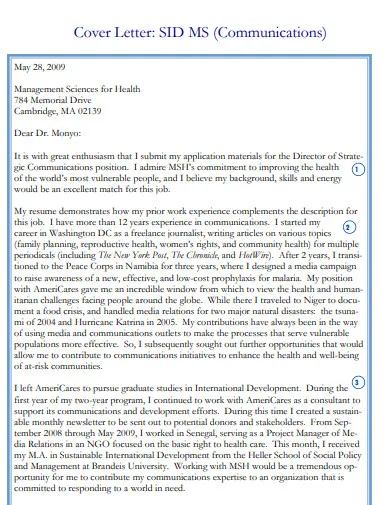
What is a Cover Letter
A cover letter is more than just a formality it is your first impression. It is a concise document that accompanies your resume, serving as your introduction to a potential employer. It’s your chance to make a strong initial impact, showcasing your personality, skills, and enthusiasm for the specific role. Unlike your resume, which provides a factual summary of your experience, the cover letter allows you to tell a story, connecting your qualifications to the company’s needs and demonstrating why you are the ideal candidate. Think of it as your personal sales pitch, designed to grab the hiring manager’s attention and convince them to delve deeper into your qualifications by reading your resume and inviting you for an interview. A well-crafted cover letter can significantly increase your chances of landing an interview, while a poorly written one can immediately eliminate you from consideration, so it’s important that you get this right.
Key Components of a Cover Letter
A compelling cover letter follows a structured format. While there is some flexibility, adhering to the general components will help you communicate professionally and persuasively. Each part serves a specific purpose, contributing to the overall message you want to convey to the hiring manager. Make sure you follow these key components to leave a lasting impression.
Contact Information

Start with your contact information at the top. Include your full name, phone number, email address, and optionally, your LinkedIn profile URL. This ensures the hiring manager knows how to reach you if they want to learn more. Keep this section clear and concise, making it easy for the reader to find and use your information. Accuracy is crucial here; a typo in your email address or phone number could mean missing out on an opportunity. So, double-check all the details before submitting your cover letter.
Date
Directly below your contact information, include the date you are submitting the cover letter. This adds a professional touch and provides a reference point for the employer. Ensure the date is in the correct format and corresponds to when you are sending the application. It’s a small detail, but it shows attention to detail.
Hiring Manager’s Information
Address your cover letter to the hiring manager, if possible. Researching the company and finding the name of the person responsible for hiring for the position demonstrates initiative and genuine interest. If you can’t find a specific name, use a professional greeting like ‘Dear Hiring Manager’ or ‘Dear [Department Name] Team’. Avoid generic greetings like ‘To Whom It May Concern’ as they feel impersonal and can detract from your application.
Opening Paragraph

The opening paragraph is your hook. It should immediately capture the reader’s attention and state the purpose of your letter. Mention the specific position you are applying for and where you saw the job posting. Briefly highlight one or two key skills or experiences that align with the job requirements. This sets the stage for the rest of your letter, making it clear why you are a strong candidate. Start with a confident and enthusiastic tone, setting the tone for the rest of your message. Keep it concise and impactful, drawing the reader in to want to know more.
Body Paragraphs
The body paragraphs form the core of your cover letter. They provide detailed information on your skills, experience, and qualifications, connecting them to the job requirements and the company’s needs. Structure these paragraphs logically, focusing on your most relevant achievements and how they align with the role. Use specific examples and quantifiable results to showcase your abilities. This is where you truly demonstrate your value, setting you apart from other applicants.
Highlighting Relevant Skills and Experience
Carefully select the skills and experiences that best match the job description. Focus on achievements rather than simply listing responsibilities. Use the STAR method (Situation, Task, Action, Result) to provide specific examples of how you have used your skills to achieve positive outcomes. Quantify your achievements whenever possible, using numbers to demonstrate the impact of your work, such as increased sales by a certain percentage or streamlined a process to save time or money. Tailor your examples to match the language and keywords used in the job posting.
Showcasing Your Personality and Enthusiasm

While professionalism is important, don’t be afraid to let your personality shine through. Show your enthusiasm for the role and the company. Explain why you are interested in this particular position and what excites you about the opportunity. This helps the hiring manager get a sense of who you are and whether you’d be a good fit for the company culture. Use a confident, positive, and engaging tone throughout your cover letter.
Tailoring to the Specific Job
Always tailor your cover letter to each job you apply for. This means carefully reviewing the job description and highlighting the skills and experiences that are most relevant to the role. Avoid using a generic cover letter; instead, customize each one to address the specific requirements and expectations of the position. Research the company and mention their values, mission, or recent projects to show your genuine interest and demonstrate that you have done your homework.
Closing Paragraph
Summarize your key qualifications and reiterate your interest in the position in the closing paragraph. Thank the hiring manager for their time and consideration. Express your enthusiasm for the opportunity to discuss your qualifications further. Keep this section brief, leaving a lasting impression of your professionalism and interest.
Call to Action

End your cover letter with a clear call to action. This could be expressing your availability for an interview or inviting the hiring manager to contact you. Make it easy for them to take the next step. Reiterate your contact information, making it simple for them to reach out. Ensure this aligns with the tone of your entire letter.
Formatting and Presentation
The visual presentation of your cover letter is just as important as the content. A well-formatted letter is easier to read and demonstrates your attention to detail and professionalism. Pay close attention to font choice, length, and the overall layout to ensure your letter is easy to navigate and visually appealing, increasing your chances of making a strong impression.
Font and Readability
Choose a professional and easy-to-read font, such as Arial, Calibri, or Times New Roman. Use a font size of 11 or 12 points for the body text, ensuring it is legible. Maintain consistent formatting throughout the document, including the font, font size, and spacing. Use clear and concise language to make your letter easy to understand. Avoid using overly decorative fonts or formatting that could distract from the content. Ensure that the format is clear and easy for a hiring manager to read.
Length Considerations

Keep your cover letter concise, ideally no longer than one page. Hiring managers are busy, so respect their time by getting straight to the point. Focus on the most relevant information and avoid unnecessary details. Ensure that the content is focused, highlighting the most important aspects of your qualifications and experience. Use clear, concise language to convey your message effectively.
Proofreading and Editing
Proofread your cover letter meticulously for any typos, grammatical errors, or inconsistencies. Errors can undermine your credibility and make you appear unprofessional. Use a spell checker, and even better, have someone else read your letter to catch any mistakes you may have missed. Pay close attention to grammar, punctuation, and sentence structure. A polished cover letter reflects your attention to detail, which is valued by employers. Take the time to ensure the document is perfect.
Cover Letter Best Practices
Following best practices is essential for creating a cover letter that will impress potential employers. Adopting strategies will help you showcase your skills, tailor your letter to the job requirements, and demonstrate your enthusiasm for the position. Implement this to stand out from the competition.
Researching the Company

Before writing your cover letter, research the company to understand its mission, values, and recent projects. This will allow you to tailor your letter to their specific needs and show your genuine interest in the opportunity. Find out more about their company culture and values, and align your skills and experiences accordingly. Demonstrate your knowledge of the company, which can impress hiring managers and show that you have taken the time to learn about them.
Using Action Verbs
Use strong action verbs to describe your accomplishments and skills. Action verbs create a sense of energy and dynamism, making your cover letter more engaging and impactful. Start each sentence with an action verb to clearly describe what you have done, such as ‘Managed,’ ‘Developed,’ ‘Implemented,’ or ‘Led.’ Use action verbs throughout to demonstrate your accomplishments and showcase your abilities. This will enhance the overall impact of your letter, making you more memorable to the hiring manager.
Demonstrating Value
Focus on demonstrating the value you can bring to the company. Show how your skills and experience align with the job requirements and how you can contribute to their success. Provide specific examples of your achievements and quantify your results whenever possible. Emphasize the benefits of hiring you, showcasing your abilities and how you can contribute to the company’s goals. Let the employer know why you are the best candidate for the job.
Common Mistakes to Avoid

Avoiding common mistakes can significantly increase your chances of success. Knowing the pitfalls can help you create a cover letter that grabs the hiring manager’s attention and highlights your qualifications effectively. Taking precautions will prevent you from being overlooked during the selection process.
Typos and Grammatical Errors
Typos and grammatical errors can make you appear careless and unprofessional. Always proofread your cover letter multiple times and use a spell checker. Ask a friend or family member to review your letter to catch any mistakes you may have missed. Double-check everything, including names, titles, and company information. Thoroughly proofread every letter to maintain a professional image.
Generic Cover Letters
Avoid using generic cover letters that are not tailored to the specific job and company. Hiring managers can easily spot generic letters, and they often discard them. Customize each cover letter to the job description and demonstrate your understanding of the company and the role. Tailoring each letter shows you have taken the time to understand the company and are genuinely interested in the position.
Focusing on Yourself Too Much
While you want to highlight your skills and experience, avoid making your cover letter too self-centered. The focus should be on how you can contribute to the company’s goals. Frame your accomplishments in terms of the value you bring. This approach demonstrates your understanding of what the company needs and that you can solve their problems. Highlight the benefits of hiring you, and make your cover letter focused on the value you bring.
Conclusion
A cover letter is a powerful tool in your job search arsenal. By understanding its purpose, key components, best practices, and common mistakes to avoid, you can create a compelling cover letter that effectively showcases your skills, experience, and enthusiasm. Remember to tailor each letter to the specific job, highlighting your value, and making it easy for the hiring manager to reach you. A well-crafted cover letter will help you make a strong first impression and significantly increase your chances of landing an interview, helping you to get closer to your desired career goals. The best cover letters are crafted, not just written.