Cover Letter Secrets to Get Hired Fast
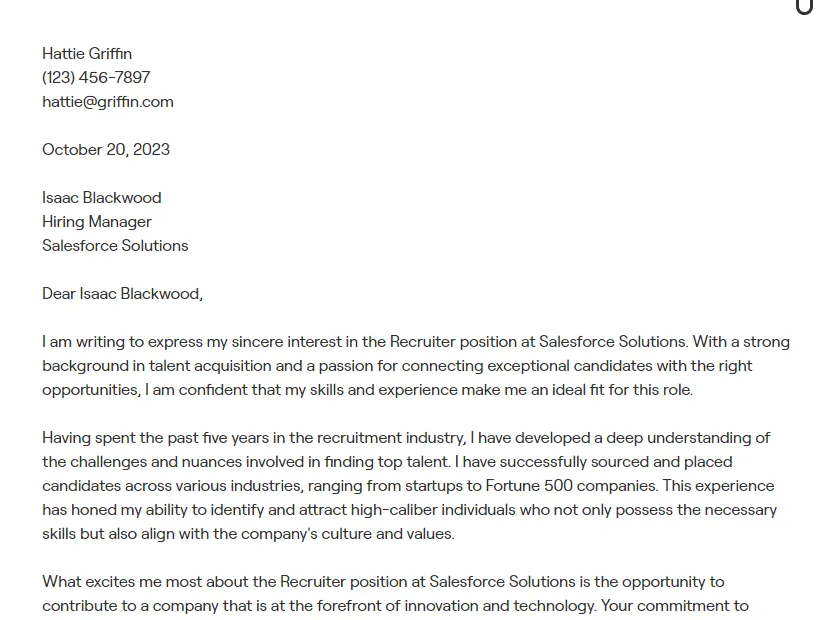
In the competitive job market, a well-crafted cover letter is your secret weapon. It’s your first impression, a chance to showcase your personality, and highlight why you’re the perfect fit for the role. This guide reveals the secrets to writing a cover letter that grabs a recruiter’s attention and significantly increases your chances of landing an interview. Forget generic templates; we’ll delve into strategies that make your application stand out.
Understanding the Recruiter’s Perspective
To write a winning cover letter, you must understand what recruiters are looking for. They are busy professionals, often sifting through hundreds of applications. They need to quickly identify the candidates who are the best match for the job. A cover letter that clearly and concisely presents your value proposition is crucial. Knowing their needs allows you to tailor your letter effectively, making their job easier and increasing your chances of success. Consider what information is most important to them – your skills, experience, and how you can solve their problems.
What Recruiters Look for in a Cover Letter
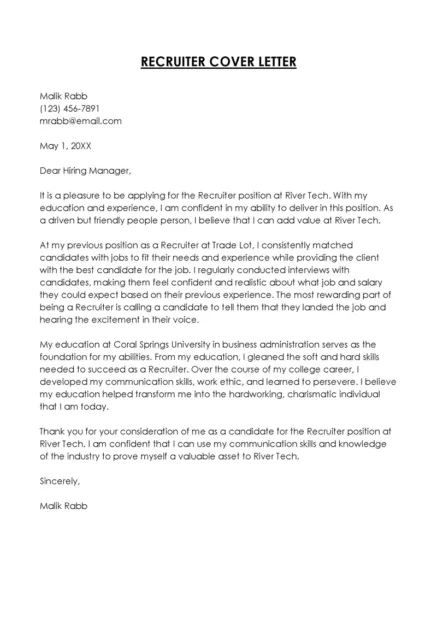
Recruiters are searching for more than just a list of qualifications. They are looking for a compelling narrative that showcases your personality, passion, and unique value proposition. They seek evidence of your skills, demonstrated through accomplishments, not just a simple list of duties. They also assess your writing skills and attention to detail, using your cover letter as a preview of your communication abilities. A well-structured, error-free cover letter demonstrates professionalism and a genuine interest in the role and company.
Tailoring Your Cover Letter to the Job
Generic cover letters are a fast track to the rejection pile. Every cover letter should be tailored to the specific job you’re applying for. This means carefully reviewing the job description and identifying the key requirements. Then, align your skills and experience with these requirements, providing specific examples of your accomplishments that demonstrate your ability to meet the needs of the role. This personalized approach shows that you have taken the time to understand the position and are genuinely interested in the opportunity.
Researching the Company and Role
Before you even begin writing, conduct thorough research on the company and the specific role. Visit their website, read news articles, and explore their social media profiles. Understand the company’s mission, values, and culture. This information will help you tailor your cover letter to their specific needs and demonstrate your genuine interest. Knowing the role’s responsibilities enables you to highlight the most relevant skills and experiences.
Highlighting Relevant Skills and Experiences

Your cover letter is the perfect place to highlight the skills and experiences that make you the ideal candidate. Focus on the skills and experiences mentioned in the job description. Use keywords from the job posting, but avoid simply repeating them. Instead, provide concrete examples of how you have used these skills to achieve results in past roles. Quantify your achievements whenever possible – use numbers to showcase your impact. This approach demonstrates your capabilities and provides tangible evidence of your value.
Showcasing Your Achievements
Don’t just list your responsibilities; showcase your achievements. Use the STAR method (Situation, Task, Action, Result) to structure your examples. Describe the situation, the task you were assigned, the actions you took, and the results you achieved. This approach gives recruiters a clear picture of your accomplishments and demonstrates your ability to make a positive impact. Focus on results that are relevant to the job description, demonstrating how your skills directly benefit the company. Be specific, and avoid vague statements.
Using Action Verbs Effectively
Action verbs breathe life into your cover letter and make it more engaging. Start your sentences with strong action verbs that convey your accomplishments and abilities. Instead of saying “Responsible for managing projects,” try “Managed projects, delivering them on time and under budget.” Using active verbs helps you showcase your skills and makes your cover letter more dynamic. Action verbs demonstrate initiative and leadership, making your cover letter more impactful.
Formatting Your Cover Letter for Readability

A well-formatted cover letter is easy to read and visually appealing. Use a professional font, such as Times New Roman, Arial, or Calibri, and maintain a consistent font size. Use headings and subheadings to break up the text and make it easier for recruiters to scan. Keep your paragraphs concise and use bullet points to highlight key information. Ensure your cover letter is not too long; aim for one page. A clean and organized layout demonstrates professionalism and consideration for the recruiter’s time.
Choosing the Right Font and Layout
The font and layout you choose can greatly affect your cover letter’s readability. Select a professional font that is easy to read at various sizes. Use standard margins and line spacing to create visual clarity. Break up long blocks of text with white space, headings, and bullet points. A well-structured layout guides the recruiter’s eye and makes it easier for them to absorb the information quickly. Avoid overly decorative fonts or layouts that distract from your message.
Keeping It Concise and Engaging
Recruiters are busy, so keep your cover letter concise and to the point. Avoid unnecessary jargon or overly elaborate language. Focus on the most relevant information and the key reasons why you are a good fit for the role. Use strong, active language and make every word count. Maintain a positive and enthusiastic tone to keep the reader engaged. Write a cover letter that grabs the reader’s attention from the first sentence and maintains their interest throughout.
The Importance of a Strong Opening and Closing

The opening and closing of your cover letter are the most critical parts. The opening should grab the recruiter’s attention and immediately highlight your key qualifications and your interest in the role. The closing should reiterate your interest, summarize your key strengths, and include a call to action. These sections create the first and last impressions. Crafting a compelling opening and closing is essential for making your cover letter stand out and encouraging the recruiter to take the next step.
Crafting a Compelling Opening Statement
Your opening statement is your hook. Start with a strong statement that captures the recruiter’s attention. You can mention your enthusiasm for the role, highlight a key achievement, or reference a connection you have with the company. Tailor your opening to the specific job and company to show your genuine interest. Avoid generic greetings and focus on making a positive and impactful first impression. Briefly mention the key skills and experiences you bring to the table.
Ending with a Call to Action
Your closing should include a clear call to action. Express your enthusiasm for the opportunity and state your availability for an interview. Thank the recruiter for their time and consideration. Provide your contact information and make it easy for them to get in touch with you. A strong closing reinforces your interest and makes it clear that you are ready to move forward in the hiring process. Ensure your contact information is accurate and professional.
Proofreading and Editing Your Cover Letter

Before you submit your cover letter, proofread it carefully. Errors in grammar and spelling can undermine your credibility and damage your chances of landing an interview. Take the time to thoroughly review your letter for any mistakes. Have someone else proofread it as well; a fresh pair of eyes can often catch errors you may have missed. A polished and error-free cover letter demonstrates your attention to detail and professionalism.
Checking for Grammar and Spelling Errors
Grammar and spelling errors can make you look unprofessional. Use a grammar checker and spell checker to identify potential mistakes. However, don’t rely solely on these tools; they may not catch all errors. Read your cover letter out loud to yourself to catch any awkward phrasing or inconsistencies. Proofreading is essential; even minor errors can make a negative impression and disqualify you from the hiring process.
Ensuring a Professional Tone
Maintain a professional tone throughout your cover letter. Avoid slang, jargon, and informal language. Use formal salutations and closings. Write in a clear, concise, and respectful manner. Proofread carefully to ensure a polished and professional presentation. A professional tone demonstrates your maturity and respect for the hiring process. Tailor your tone to match the company’s culture, but always remain professional.
In conclusion, crafting a compelling cover letter is an art that can significantly increase your chances of getting hired. By understanding the recruiter’s perspective, tailoring your letter, highlighting your achievements, and presenting yourself professionally, you can make a lasting impression and secure your dream job. Remember to proofread meticulously, and always personalize your cover letter for each application. Following these cover letter secrets will set you apart from the competition and help you get hired fast. Good luck with your job search!