What is a Cover Letter
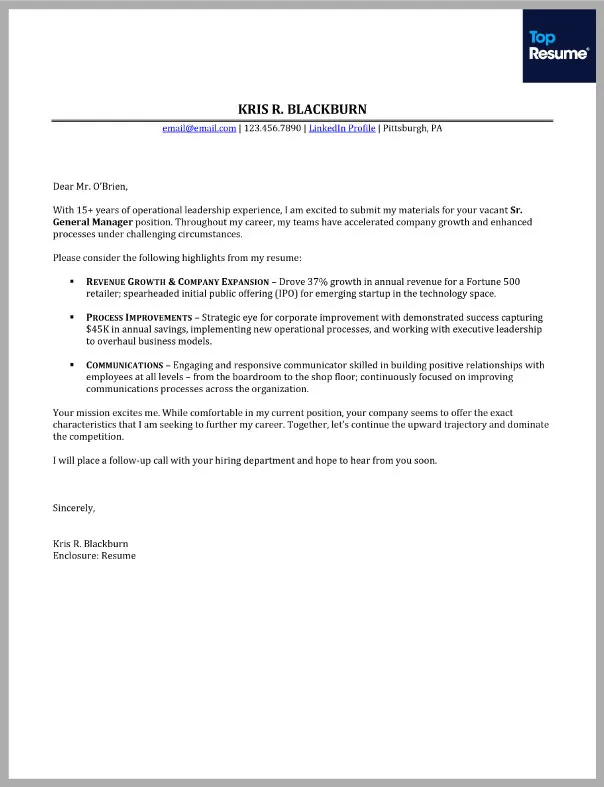
A cover letter is a crucial document that accompanies your resume when you apply for a job. It serves as your introduction to the potential employer, providing an opportunity to elaborate on your qualifications, skills, and experiences in a more personalized way. Unlike a resume, which is a concise summary of your professional history, a cover letter allows you to showcase your personality, express your enthusiasm for the position, and explain why you are a suitable candidate. A well-crafted cover letter can significantly increase your chances of landing an interview, as it demonstrates your genuine interest in the role and the company.
Why Cover Letters Are Important
Cover letters are often the first impression you make on a hiring manager, making them a critical component of your job application. They provide context to your resume, highlighting specific skills and experiences relevant to the job. In today’s competitive job market, a strong cover letter can set you apart from other applicants, showcasing your writing abilities, communication skills, and personality. Without one, you risk appearing less prepared and less interested in the opportunity. Furthermore, a cover letter allows you to address any potential gaps in your resume or explain career transitions, providing a comprehensive picture of your qualifications and suitability for the role.
The Purpose of a Cover Letter

The primary purpose of a cover letter is to introduce yourself and express your interest in a specific job. It should demonstrate your understanding of the company and the role, and explain why you are the ideal candidate. This document helps you articulate how your skills and experiences align with the job requirements, setting the stage for a more in-depth conversation during an interview. It also provides a platform to share your professional narrative, highlighting your achievements, career goals, and the value you can bring to the organization. Ultimately, the goal is to persuade the employer to review your resume and invite you for an interview.
Key Components of an Effective Cover Letter
A well-structured cover letter includes several essential components designed to capture the reader’s attention and provide relevant information. Each section contributes to a cohesive and compelling narrative, showcasing your qualifications and enthusiasm. It is important to maintain a professional tone, use clear and concise language, and tailor the content to the specific job and company. By addressing these elements, you can create a cover letter that effectively presents your candidacy and persuades the hiring manager to take the next step in the hiring process.
Header and Contact Information
Start your cover letter with a professional header that includes your contact information such as your name, phone number, email address, and LinkedIn profile URL. This information should be easily accessible so that the employer can contact you. Following this, include the date and the hiring manager’s name and title, if available. If you don’t know the hiring manager’s name, you can use a general greeting such as “Dear Hiring Manager.” Ensure that your header is formatted consistently with your resume to present a cohesive professional image.
Greeting and Introduction

Begin your cover letter with a professional greeting and an engaging introduction. Clearly state the position you are applying for and where you found the job posting. In the introduction, briefly highlight your most relevant qualifications and express your enthusiasm for the role and the company. Make sure to grab the reader’s attention immediately, showcasing your understanding of the company’s needs and how your skills can provide value. This initial paragraph sets the tone for the rest of the letter and encourages the reader to continue.
Body Paragraphs
The body of your cover letter is where you provide specific examples of your skills, experiences, and achievements. Use this section to connect your qualifications to the job requirements outlined in the job description. Focus on demonstrating how you meet the criteria, providing evidence of your abilities, and showcasing your relevant skills. Highlight key accomplishments, quantify your results whenever possible, and explain how your experiences align with the company’s values and goals. Tailor each paragraph to address specific aspects of the job, ensuring your message is clear, concise, and compelling.
Closing and Call to Action
Conclude your cover letter with a strong closing paragraph that restates your interest in the position and summarizes your key qualifications. Reiterate your enthusiasm for the company and express your eagerness to discuss your application further. Include a call to action, such as inviting the hiring manager to contact you for an interview. Thank the reader for their time and consideration, and end with a professional closing, such as “Sincerely” or “Best regards,” followed by your name.
5 Winning Cover Letter Examples

Reviewing successful cover letter examples is an excellent way to understand how to effectively communicate your qualifications and make a positive impression. These examples cover various professional scenarios, offering diverse writing styles and approaches. Each example is tailored to highlight different skills and experiences, enabling you to customize your own cover letter to suit your unique background. By analyzing these examples, you can learn to structure your content in an impactful manner, and find the right balance between expressing enthusiasm and demonstrating professionalism.
Example 1 The Enthusiastic Professional
This cover letter focuses on conveying excitement and passion for the role and the company. It’s ideal for candidates eager to showcase their genuine interest and align their personal values with the company’s mission. The tone is upbeat, positive, and emphasizes the candidate’s eagerness to contribute. The enthusiastic professional cover letter includes descriptions of past achievements and future goals. This style of writing is recommended for those applying to a company that values team culture.
Key Takeaways from Example 1
- Demonstrates genuine excitement for the role and company.
- Uses enthusiastic language and tone to convey passion.
- Highlights how personal values align with the company’s mission.
- Provides specific examples of past achievements and future goals.
Example 2 The Skills-Focused Cover Letter

The skills-focused cover letter zeroes in on your abilities and the relevant experiences that align with the job description. It highlights specific skills, such as project management, communication, or technical proficiency, and provides clear examples of how these skills were successfully used in the past. This approach is well-suited for roles where specific technical skills are in high demand. To write a Skills-Focused cover letter, focus on the job description and emphasize how your skills correlate with the role.
Key Takeaways from Example 2
- Emphasizes relevant skills from the job description.
- Provides clear examples of skill application.
- Suitable for roles that emphasize technical proficiency.
- Links skills directly to past achievements.
Example 3 The Achievement-Driven Cover Letter
The achievement-driven cover letter is about showcasing accomplishments, highlighting quantifiable results, and demonstrating how you have exceeded expectations in prior roles. This approach is perfect if you have a track record of success and can provide data-backed evidence of your accomplishments. The achievement-driven cover letter is about the hard numbers, showing your capability to drive growth, increase revenue, or improve efficiency. This is a strong cover letter for any managerial or leadership position.
Key Takeaways from Example 3

- Focuses on quantifiable results and achievements.
- Uses data to demonstrate success.
- Highlights accomplishments, such as increasing revenue.
- Suitable for managerial and leadership positions.
Example 4 The Career-Change Cover Letter
If you’re transitioning from one career to another, a career-change cover letter is crucial. This type of letter is focused on explaining your reason for the career change and highlighting how your transferable skills align with the new role. It’s about selling your potential and explaining why your prior experiences make you the perfect candidate. It emphasizes adaptability, eagerness to learn, and transferable skills, demonstrating the relevance of your past experiences in a new field. This type of cover letter is important if you are trying to break into a new industry.
Key Takeaways from Example 4
- Explains the reason for a career change.
- Highlights transferable skills.
- Emphasizes adaptability and willingness to learn.
- Links past experiences to the new role.
Example 5 The Networking Cover Letter

The networking cover letter is used when you have a personal connection or referral within the company. It leverages this connection to show your interest and demonstrate your awareness of the company culture and opportunities. It’s about building a bridge from your connection to the hiring manager, emphasizing your insider information. This type of cover letter is for jobs that focus on building relationships or require a certain level of understanding of the company. Always make sure the person who referred you is aware of the cover letter.
Key Takeaways from Example 5
- Leverages a personal connection within the company.
- Showcases knowledge of the company culture.
- Emphasizes the referral source’s relationship.
- Demonstrates genuine interest and awareness.
Tips for Customizing Your Cover Letter
Customization is vital to create a cover letter that truly resonates with the hiring manager. The goal is to tailor your message to fit the specific job requirements and the company’s culture. Don’t use a generic cover letter; instead, personalize it for each application, demonstrating your understanding of the role and showing that you’ve done your research. By customizing your cover letter, you significantly enhance your chances of making a positive impression and moving forward in the application process.
Tailoring to the Job Description

Thoroughly review the job description, identifying the key skills, qualifications, and responsibilities. Align your cover letter with these requirements, ensuring you highlight the most relevant aspects of your experience. Use the same keywords and phrases as the job posting, demonstrating that you are a strong fit for the role. Provide specific examples of how your skills match the listed requirements, showing that you possess the necessary qualifications. Customization is key to demonstrating your understanding of the company’s needs.
Highlighting Relevant Skills and Experience
Focus on the skills and experiences that directly relate to the job. Use your cover letter to expand on your resume, providing specific examples of your accomplishments. Quantify your achievements whenever possible, using numbers or data to demonstrate the impact of your work. For instance, when describing your customer service experience, mention any awards you might have received or note a rise in your customer satisfaction scores. By highlighting these relevant skills, you can effectively showcase your suitability for the role and set yourself apart from other applicants.
Proofreading and Editing
Proofread your cover letter carefully for any grammatical errors, spelling mistakes, or typos. Incorrect grammar and typos can damage your credibility, showing a lack of attention to detail. Ask a friend, family member, or career advisor to review your cover letter for clarity and coherence. A fresh perspective can identify areas for improvement and ensure your letter conveys the intended message. Before submitting your application, make sure the contact information is correct and your letter is formatted correctly. Proofreading and editing will ensure the professional image you want to convey.
Cover Letter Best Practices
Following best practices ensures that your cover letter is impactful, professional, and effective in securing interviews. These best practices include considerations for design, length, and tone. The goal is to create a well-structured and compelling document that showcases your abilities and enthusiasm. Keep these tips in mind as you work on your letter, and you will create a great introduction to the company.
Formatting and Design Considerations
Use a clean and professional font, such as Arial or Times New Roman, to ensure readability. Maintain consistent formatting throughout the document, including font size, spacing, and margins. Avoid excessive use of colors, graphics, or unusual formatting styles, as they may distract from the content. Keep your cover letter well-organized and easy to read, with clear headings, bullet points, and concise paragraphs. A well-formatted cover letter showcases attention to detail and professionalism, enhancing your overall presentation.
Keeping it Concise
Aim for a cover letter that is no more than one page in length. Hiring managers often have limited time, so it is crucial to be concise and get straight to the point. Focus on the most relevant information, highlighting your key qualifications, skills, and achievements. Avoid unnecessary jargon or overly long sentences. Be clear and direct in your writing, showcasing your value and demonstrating your understanding of the role. Concise cover letters are much more likely to be read in full, increasing your chances of receiving a call back.
Conclusion
A well-crafted cover letter is a critical component of a successful job application, serving as your initial introduction and a chance to leave a lasting impression. By understanding the purpose of a cover letter, its key components, and various examples, you can effectively showcase your qualifications and express your enthusiasm for the role. Remember to customize your letter to each job, highlight relevant skills, and proofread carefully. By implementing these strategies, you can create a cover letter that gets you noticed, increases your chances of securing an interview, and ultimately lands you the job. Use the provided examples to help tailor your cover letters for success.