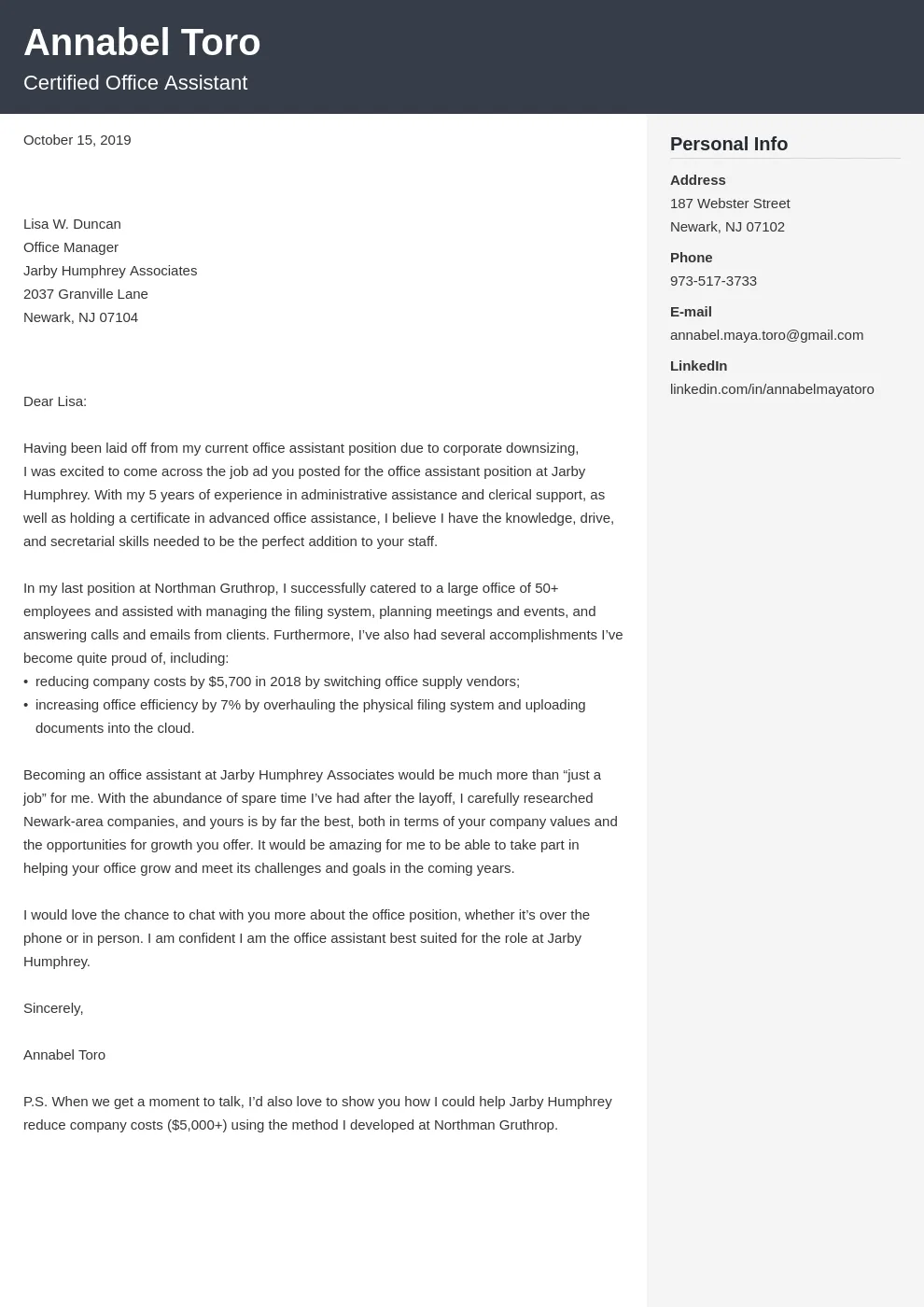
Understanding Cover Letter Essentials
A cover letter is a critical component of your job application, serving as a formal introduction to your potential employer. It complements your resume, providing context and expanding on your qualifications. Unlike a resume, which is a concise summary of your skills and experience, a cover letter allows you to showcase your personality, enthusiasm, and writing abilities. Mastering the art of cover letter writing can significantly increase your chances of landing an interview and ultimately, securing your dream job. The goal is to create a compelling narrative that highlights your suitability for the role and encourages the hiring manager to delve deeper into your qualifications.
Purpose of a Cover Letter
The primary purpose of a cover letter is to introduce yourself to the hiring manager and express your interest in a specific job. It allows you to articulate why you are a strong fit for the position and the company. A well-crafted cover letter showcases your understanding of the company’s needs and demonstrates how your skills and experience align with their requirements. It’s an opportunity to differentiate yourself from other candidates by highlighting your unique value proposition and expressing your genuine enthusiasm for the opportunity. The cover letter should be tailored to each job application, emphasizing the skills and experiences that are most relevant to the specific role.
Key Components of a Cover Letter

A strong cover letter typically includes several key components. Start with a professional header that includes your contact information and the date. Address the hiring manager by name if possible; otherwise, use a professional salutation such as “Dear Hiring Manager.” The opening paragraph should grab the reader’s attention, stating the position you’re applying for and briefly explaining why you’re interested. The body paragraphs should highlight your relevant skills and experiences, providing specific examples and quantifying your achievements whenever possible. Conclude with a strong closing paragraph that reiterates your interest and expresses your eagerness for an interview. Proofread carefully for any errors in grammar or spelling.
Choosing the Right Cover Letter Format
The format of your cover letter should be professional and easy to read. Use a standard business letter format with a clear font like Times New Roman or Arial, sized between 11 and 12 points. Keep the letter concise, ideally no more than one page. Use single-spaced text with a space between paragraphs to improve readability. Ensure your margins are at least one inch on all sides. Choose a format that allows you to effectively communicate your qualifications while maintaining a polished and professional appearance. Consider using bullet points or subheadings to break up long blocks of text and make the information easier to digest. Consistency in formatting is key to a successful cover letter.
Types of Cover Letter Samples
Different situations may call for different types of cover letters. Understanding these various formats will help you tailor your application effectively. There’s no one-size-fits-all approach, so it is essential to adapt your letter based on the specific job and the context of your application. Depending on your needs, you may use application cover letters, networking cover letters, and referral cover letters.
Application Cover Letter Samples

An application cover letter is the most common type, sent in response to a specific job posting. It directly addresses the requirements outlined in the job description, highlighting your relevant skills and experiences. This type of letter should clearly state the position you are applying for and explain why you are a good fit. The content should be closely aligned with the job description, demonstrating how your qualifications meet the employer’s needs. Refer to the job posting to make sure that you include keywords that are important to the role.
Networking Cover Letter Samples
A networking cover letter is used to reach out to individuals within a company you’re interested in, even if there isn’t a specific job opening. The goal is to make connections and learn about potential opportunities. This type of letter should introduce yourself and express your interest in the company. If you have a referral, mention it. It should highlight your skills and express your desire to learn more about the company and potential opportunities. Include a clear call to action, such as requesting an informational interview or a brief phone call.
Referral Cover Letter Samples
A referral cover letter is written when you have been referred to a position by someone who already works at the company. This letter typically includes the name of the person who referred you and highlights your connection. The letter should mention the referral and explain why you are interested in the position and how your skills align with the requirements. This is especially important, as it shows that someone in the company has already vetted your application to some extent. Building on your referral, show why you’d be a great fit for the role.
Highlighting Skills & Achievements

Focusing on your skills and achievements is crucial for a compelling cover letter. Rather than just listing your responsibilities, provide specific examples of how you have successfully used your skills to achieve positive results. Use the job description to identify the key skills the employer is seeking, and then tailor your letter to highlight your relevant experience. This means not just stating what you’ve done, but also showcasing how you’ve made an impact. Use strong action verbs to describe your accomplishments and provide concrete examples to illustrate your capabilities and accomplishments.
Quantifying Your Accomplishments
Quantifying your achievements makes your cover letter more impactful and memorable. Whenever possible, use numbers and data to demonstrate your successes. For example, instead of saying “Improved customer satisfaction,” you could say “Increased customer satisfaction scores by 15% within six months.” Such figures provide concrete evidence of your capabilities. This approach adds credibility to your claims and helps the hiring manager understand the value you can bring to the role. Use metrics to showcase your impact in previous roles. This makes your letter more compelling and gives the hiring manager concrete proof of your achievements.
Using Action Verbs Effectively
Action verbs are essential for creating a dynamic and engaging cover letter. Start each bullet point or sentence describing your accomplishments with strong action verbs. Avoid generic verbs; instead, choose verbs that accurately reflect your actions and achievements. Some examples of effective action verbs include “Managed,” “Developed,” “Implemented,” “Led,” “Achieved,” “Increased,” and “Improved.” Using strong action verbs helps bring your experiences to life and makes your letter more compelling to read. A well-chosen action verb can immediately grab the reader’s attention and communicate your abilities effectively.
Customizing Your Cover Letter

Customizing your cover letter for each job application is critical to showing that you care about the role and have read the description. Generic cover letters are easily spotted and often result in immediate rejection. Demonstrating that you understand the specific requirements of the role increases your chances of landing an interview. Tailoring your cover letter shows that you are interested in the specific role and willing to put in the extra effort.
Tailoring to the Job Description
Carefully review the job description and identify the key skills, qualifications, and experiences the employer is seeking. Then, structure your cover letter to directly address these requirements. Use the same keywords and phrases used in the job description, if appropriate, to show that you are a good fit. Provide specific examples of how your skills and experiences align with the job requirements. By tailoring your letter, you demonstrate that you have taken the time to understand the role and the company’s needs.
Researching the Company
Before writing your cover letter, research the company. Visit their website, read their “About Us” section, and check out their social media profiles to learn about their mission, values, and culture. Understanding the company’s goals and priorities will help you tailor your letter to demonstrate how your skills and experience align with their needs. This research allows you to mention specific projects, initiatives, or values that resonate with the company, showing your genuine interest and understanding of the organization. Tailoring your letter to the company demonstrates that you care about this role.
Common Cover Letter Mistakes to Avoid

Several common mistakes can undermine your cover letter and reduce your chances of getting an interview. Being aware of these pitfalls and actively avoiding them can help you create a more effective cover letter.
Grammar and Spelling Errors
Grammar and spelling errors are the most common and damaging mistakes. Proofread your cover letter multiple times to catch any typos or grammatical errors. Use spell-check and grammar-check tools, but don’t rely on them entirely. Have a friend or colleague review your letter as well. Even a single error can make you appear careless or unprofessional. Errors damage your credibility and can lead to your application being immediately rejected. Always take the time to thoroughly proofread your cover letter before submitting it.
Generic and Uninspired Content
Avoid using generic, uninspired content. Writing a cover letter that can be used for any job gives the impression that you don’t have a genuine interest in the position or the company. Instead, tailor your letter to the specific job and highlight the skills and experiences most relevant to the role. Focus on why you are interested in the company and what value you can bring. Generic language shows a lack of effort and diminishes your chances of landing an interview.
Length and Formatting Issues

Keep your cover letter concise and easy to read. Aim for one page in length, using a professional font, and appropriate margins. Avoid large blocks of text and use bullet points or subheadings to break up the information. Ensure your letter is well-organized and visually appealing. Poor formatting can make your letter difficult to read and may result in the hiring manager losing interest quickly.
Cover Letter Sample Template
A template can guide your cover letter writing, but always customize it. The standard format should include your contact information, the date, the hiring manager’s name (if known), a formal salutation (e.g., “Dear Mr./Ms. [Last Name]”), an introductory paragraph stating your interest and the position, body paragraphs highlighting your skills and experience, and a closing paragraph summarizing your interest and expressing your availability for an interview. Remember to adapt the template to fit the specific job requirements and your individual experiences.
Creating a Strong Closing
Your closing paragraph should reiterate your interest in the position and the company. Express your eagerness to discuss your qualifications further and request an interview. Thank the hiring manager for their time and consideration, and include a professional closing such as “Sincerely” or “Best regards,” followed by your name. Proofread the entire letter, especially the closing, to make sure it ends on a positive and professional note. Your closing statement should always leave a lasting, positive impression of you.