Understanding Cover Letter Length
The cover letter is a critical component of any job application, often serving as the first point of contact between a candidate and a potential employer. While a resume provides a snapshot of your professional history and qualifications, the cover letter offers an opportunity to showcase your personality, express your genuine interest in the role, and elaborate on how your skills align with the specific requirements of the job. One of the most common questions job seekers have is, “How long should a cover letter be?” Getting the length right is crucial for making a positive first impression and increasing your chances of getting noticed by hiring managers.
The Ideal Cover Letter Length
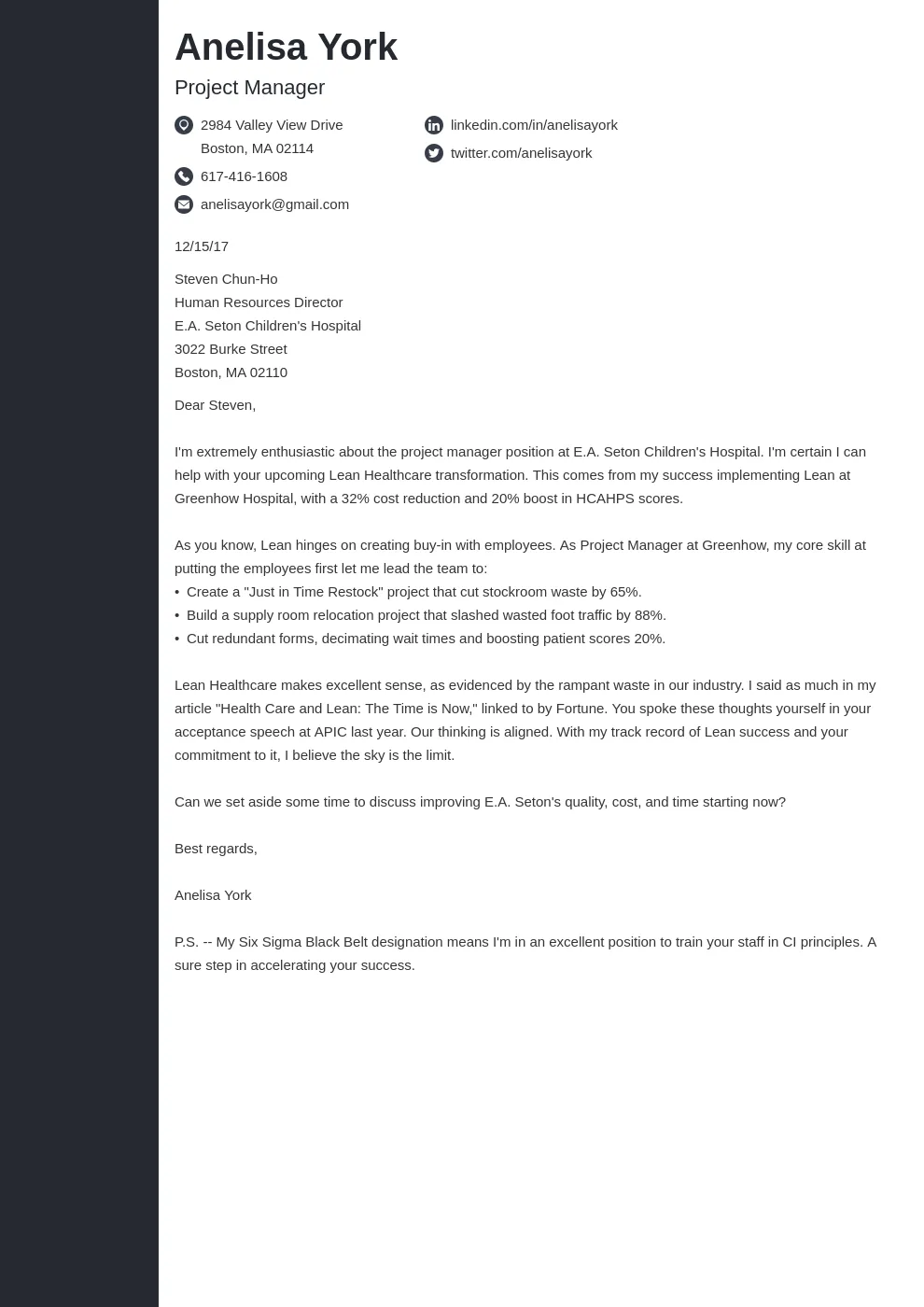
The ideal cover letter length is generally one page, or approximately 250 to 400 words. This allows you to provide enough detail to capture the reader’s interest without overwhelming them with excessive information. Keeping your cover letter concise demonstrates respect for the hiring manager’s time and ensures that your most important points are not lost in a sea of text. While some variations may exist depending on the industry or the specific job requirements, the one-page rule is a safe guideline to follow in most cases. It’s always better to be brief and impactful than long and rambling.
Why Length Matters

The length of your cover letter directly impacts how your application is perceived. A well-crafted, concise cover letter communicates professionalism, attention to detail, and an understanding of the job requirements. On the other hand, a cover letter that is too long may suggest that you are unable to prioritize information, lack clarity, or have difficulty conveying your message effectively. Similarly, a cover letter that is too short may appear as though you are not sufficiently interested in the position or have not put enough effort into your application.
Word Count vs. Page Length
While the general rule is one page, the word count is a more accurate measure of length. Factors such as font size, margins, and spacing can affect how much text fits on a single page. A cover letter of approximately 250 to 400 words is generally considered ideal, allowing you to provide a comprehensive overview of your qualifications and express your enthusiasm for the role. It’s essential to use a standard font size (e.g., 11 or 12 points) and professional formatting to ensure readability and maintain a clean, organized appearance.
Impact on Applicant Screening
Hiring managers often have limited time to review applications. A lengthy cover letter increases the time it takes to read and process information. If a cover letter is too long, there is a higher chance that the hiring manager will skim through it or, worse, skip it altogether. A concise and well-structured cover letter, however, makes it easier for the hiring manager to quickly assess your qualifications and determine if you are a good fit for the position. Therefore, keeping your cover letter within the recommended length can significantly improve your chances of making a positive first impression.
Key Elements to Include

Knowing how long a cover letter should be is only half the battle. You also need to ensure that you’re including the right content. Your cover letter should serve as a personalized introduction to your application, demonstrating your interest in the role and highlighting why you are a strong candidate. The key elements to include are a personalized greeting, a brief introduction, highlighting relevant experience, skills and qualifications, and an enthusiastic closing.
Personalized Greeting
Begin your cover letter with a personalized greeting, such as “Dear Mr./Ms. [Last Name]” if you know the hiring manager’s name. Researching the hiring manager’s name shows initiative and attention to detail. If you are unable to find the name of the hiring manager, you can use a general greeting such as “Dear Hiring Manager.” Avoid generic greetings like “To Whom It May Concern,” as they can make your letter feel impersonal.
Brief Introduction
In the introductory paragraph, clearly state the position you are applying for and how you learned about the opportunity. Express your genuine interest in the role and the company. This sets the tone for the rest of the letter and helps the hiring manager quickly understand why you are writing.
Highlighting Relevant Experience

The body of your cover letter should highlight your relevant experience and skills. Focus on the experiences and accomplishments that align with the job requirements. Provide specific examples that demonstrate your ability to perform the duties outlined in the job description. Quantify your achievements whenever possible to showcase your impact and provide concrete evidence of your value. Don’t simply restate your resume. Expand on key experiences and provide context.
Quantifiable Achievements
Whenever possible, quantify your achievements with numbers and data. This helps demonstrate the tangible results you have achieved in previous roles. Instead of saying “Improved customer satisfaction,” say “Increased customer satisfaction by 15% through implementing a new feedback system.” Providing specific data makes your achievements more impactful and memorable.
Skills and Qualifications
Clearly outline your skills and qualifications that are relevant to the job. Tailor this section to match the specific requirements listed in the job description. Use keywords from the job posting to show that you understand what the employer is looking for. Demonstrate how your skills and qualifications make you an ideal candidate for the position.
Enthusiasm and Closing

In your closing paragraph, reiterate your interest in the position and express your enthusiasm for the opportunity. Thank the hiring manager for their time and consideration. Include a call to action, such as stating that you look forward to hearing from them soon or expressing your willingness to discuss your qualifications in more detail. End with a professional closing, such as “Sincerely” or “Best regards,” followed by your full name.
Common Mistakes Regarding Length
Avoiding common mistakes related to cover letter length can significantly improve your chances of making a positive impression. Two of the most frequent errors are going over the recommended length and providing unnecessary information. The hiring manager is a busy person and the more time it takes to read your cover letter, the less likely it is that they will take that time to read it. It is important to keep your cover letter concise and to the point.
Going Over the Recommended Length
One of the most common mistakes is exceeding the recommended one-page length. A cover letter that extends beyond one page may overwhelm the reader and make it difficult for them to quickly assess your qualifications. As mentioned previously, it may also signal that you have difficulty prioritizing information or expressing yourself concisely. Avoid this by focusing on the most relevant information and using clear, direct language.
Providing Unnecessary Information

Including information that is not relevant to the job or the company is another mistake. Focus on the experiences, skills, and achievements that directly align with the requirements of the position. Avoid providing excessive personal details or information that is not pertinent to your qualifications. The goal is to demonstrate how you can add value to the company, not to list every detail of your life.
Not Tailoring the Letter
Sending a generic cover letter to multiple employers is a surefire way to diminish your chances of getting noticed. Tailor each cover letter to the specific job and company you are applying to. Research the company, understand the job requirements, and customize your letter to show that you are genuinely interested and have the skills and qualifications they are looking for. This is key to making a positive first impression.
Tips for Keeping it Concise
Writing a concise and effective cover letter requires careful planning and execution. Here are some tips to help you stay within the recommended length while still conveying your message effectively. Prioritize key information, use action verbs, and proofread carefully to ensure clarity and impact.
Prioritize Key Information
Focus on the most relevant and impactful information. Identify the key skills, experiences, and achievements that align with the job requirements. Prioritize these points and eliminate any unnecessary details that do not directly support your candidacy. Each sentence should serve a purpose and contribute to your overall message.
Use Action Verbs
Start your sentences with strong action verbs to make them more dynamic and engaging. Action verbs help demonstrate your accomplishments and make your cover letter more impactful. Instead of saying “Was responsible for project management,” say “Managed projects, resulting in a 10% increase in efficiency.” Action verbs bring your accomplishments to life and highlight your achievements.
Proofread Carefully
Thoroughly proofread your cover letter for any grammatical errors, typos, or formatting issues. Errors can detract from your credibility and make it appear that you are not detail-oriented. Read your cover letter multiple times and consider having someone else review it as well. A polished and error-free cover letter demonstrates professionalism and attention to detail.
Adapting to the Job
While the one-page rule is a good guideline, remember that some job applications may call for a slightly different approach. Always carefully review the job description for any specific instructions on cover letter length or content. If a job posting explicitly requests a certain word count or length, adhere to that instruction. Furthermore, if you are applying for a role in a field where longer, more detailed cover letters are common (e.g., academia or research), you may be able to extend your cover letter slightly, but keep it as concise as possible.
In conclusion, the optimal length for a cover letter is generally one page, or approximately 250 to 400 words. Keeping your cover letter concise demonstrates respect for the hiring manager’s time and increases the likelihood that your application will be read and considered. By focusing on relevant information, using strong action verbs, and proofreading carefully, you can create a cover letter that effectively showcases your qualifications and increases your chances of landing an interview.