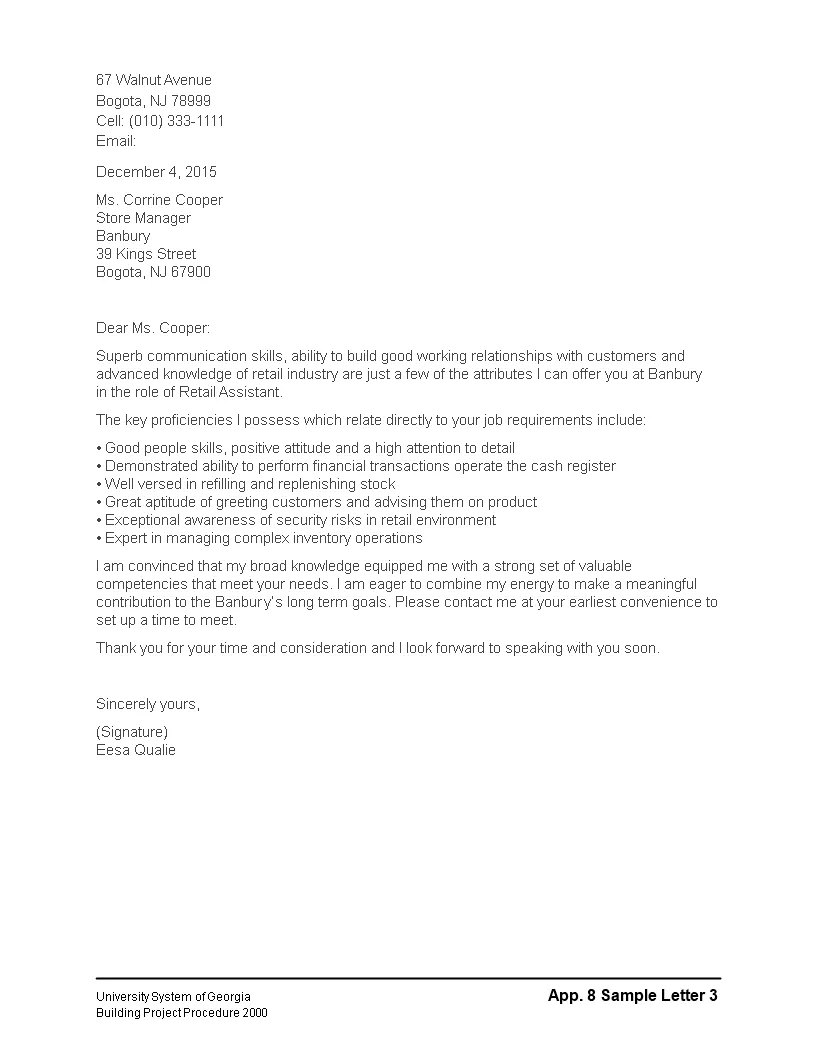
Cover Letter Basics
A cover letter is an essential document that accompanies your resume when applying for a job. Even if you have no prior work experience, a well-crafted cover letter can significantly increase your chances of landing an interview. It serves as your introduction to the hiring manager, providing an opportunity to highlight your skills, express your enthusiasm, and explain why you are the ideal candidate, even without direct experience. Think of it as your personal sales pitch, designed to capture the reader’s attention and make them want to learn more about you. A strong cover letter helps to create a positive first impression.
Understanding the Purpose
The primary purpose of a cover letter is to introduce yourself and your qualifications to a potential employer. Unlike a resume, which provides a factual overview of your experience, a cover letter allows you to express your personality, demonstrate your communication skills, and explain why you’re interested in the specific role and company. It offers a chance to connect your skills and experiences with the job requirements and highlight your potential to succeed. For those with limited experience, it is crucial to leverage this opportunity and showcase your eagerness to learn and your relevant transferable skills.
Essential Components of a Cover Letter

A professional cover letter typically includes the following components Contact Information, a greeting, an introductory paragraph, body paragraphs that highlight your skills and qualifications, and a strong closing paragraph. Your contact information should include your name, phone number, email address, and optionally, your LinkedIn profile URL. The greeting should be formal, addressing the hiring manager by name if possible. The body paragraphs should elaborate on your skills and experience, demonstrating how they align with the job requirements. The closing paragraph should reiterate your interest in the role and include a call to action. Always ensure that your cover letter is tailored to the specific job and company you are applying for.
Formatting Your Cover Letter
Formatting plays a crucial role in the readability and professionalism of your cover letter. Use a standard font like Arial or Times New Roman, with a font size between 10 and 12 points. Maintain consistent spacing throughout the document, with single spacing within paragraphs and double spacing between paragraphs. Use clear and concise language, avoiding jargon or overly complex sentences. Keep the letter to one page, and ensure that the layout is clean and easy to read. Proper formatting demonstrates attention to detail and respect for the hiring manager’s time. Proper layout will ensure the reader is not lost in the document, and can clearly see your skill and understanding.
Highlighting Transferable Skills
When you have no direct work experience, focusing on your transferable skills is crucial. These are the skills you’ve developed in other areas of your life, such as volunteer work, academic projects, extracurricular activities, or personal projects, that can be applied to a work environment. Examples include communication, teamwork, problem-solving, time management, leadership, and adaptability. These skills are highly valued by employers, even if you haven’t held a formal job before, showcasing that you possess the necessary attributes to succeed in the role.
Identifying Transferable Skills

To identify your transferable skills, reflect on your past experiences and activities. Think about the tasks you performed, the challenges you overcame, and the skills you utilized. Consider your hobbies, volunteer work, and academic projects. For instance, if you organized a fundraising event, you likely developed skills in project management, communication, and leadership. If you participated in a debate club, you honed your public speaking and critical thinking skills. List down the skills you’ve developed through each experience, and then connect them to the job requirements. This will allow you to write a powerful cover letter.
Showcasing Relevant Experiences
Even without formal work experience, you likely have relevant experiences to showcase. This could include volunteer work, internships, academic projects, personal projects, or participation in clubs or organizations. Tailor your cover letter to the specific job by highlighting the experiences that align with the job requirements. Provide specific examples of how you utilized your skills and what you achieved in these experiences. Use action verbs to describe your accomplishments and quantify your results whenever possible. This will demonstrate your abilities and potential to the employer. Remember, all experiences can be relevant.
Quantifying Accomplishments
Whenever possible, quantify your accomplishments to provide concrete evidence of your skills and abilities. Instead of simply stating that you have good communication skills, provide an example, such as You successfully managed a team of five volunteers, coordinating event logistics and communication, resulting in a 20% increase in attendance. By using numbers, percentages, and specific metrics, you make your achievements more impactful and memorable. This demonstrates that you are results-oriented and capable of achieving positive outcomes. Furthermore, it also shows your ability to be organized, which any employer seeks.
Addressing the Lack of Experience

Acknowledge the lack of direct work experience, but frame it positively. Instead of apologizing for your lack of experience, focus on what you do bring to the table, such as your skills, enthusiasm, and eagerness to learn. You can explain how your transferable skills make you a strong candidate. Highlight your relevant experiences and explain how they have prepared you for the role. Express your willingness to take on challenges and your commitment to continuous learning. The key is to turn a potential weakness into a strength. If you are confident in your skills and willing to work, you can achieve your goals.
Focusing on Your Enthusiasm
Enthusiasm is a powerful asset when you have no prior work experience. Demonstrate your genuine interest in the role and the company by expressing your excitement about the opportunity. Explain why you are drawn to the specific job and what motivates you to apply. Show that you have researched the company and understand its values and goals. Use positive and energetic language throughout your cover letter to convey your passion for the work. Let your enthusiasm shine through, and the hiring manager will be more inclined to consider your application. Remember, showing your interest can be a huge advantage.
Expressing Your Willingness to Learn
One of the most important qualities employers seek in candidates with no experience is a willingness to learn. Make it clear that you are eager to develop new skills and expand your knowledge. Highlight your proactive approach to learning, such as any training courses, certifications, or self-study you have undertaken. Express your commitment to continuous improvement and your openness to feedback. Emphasize your ability to quickly grasp new concepts and adapt to new challenges. This shows that you are coachable, adaptable, and dedicated to professional growth. Make sure that the employer will be able to see your potential, and know that you are looking to build a career with them.
Researching the Company

Before writing your cover letter, thoroughly research the company you are applying to. Understand its mission, values, products or services, and recent news. This information will enable you to tailor your cover letter to the specific company and demonstrate your genuine interest. Mention specific projects, initiatives, or values that resonate with you and explain how your skills and experiences align with their needs. Show that you have taken the time to learn about the company and that you see yourself as a good fit. Doing your research will help show your interest. You can show your interest to the company by doing the homework.
Crafting a Compelling Opening
The opening paragraph of your cover letter is crucial as it sets the tone and grabs the reader’s attention. Start with a strong opening statement that immediately captures their interest. Avoid generic phrases like “I am writing to apply.” Instead, express your enthusiasm for the position and mention where you found the job posting. State the specific role you are applying for and briefly explain why you are a good fit. Your opening should be concise, compelling, and tailored to the specific job requirements. If you can grab their attention right away, they will more likely read the entire letter.
Grabbing the Reader’s Attention
To grab the reader’s attention, start with a hook. This can be a statement about your passion for the industry, a brief anecdote about a relevant experience, or a mention of a specific skill or achievement that aligns with the job requirements. Make sure the hook is relevant to the job and the company. Avoid generic or clichéd openings. The goal is to make the hiring manager want to continue reading. The most important part is to keep it concise, while still maintaining professionalism.
Clearly Stating Your Purpose

After grabbing the reader’s attention, clearly state your purpose in the opening paragraph. Mention the specific job you are applying for and where you saw the job posting. Briefly explain why you are interested in the role and the company. Show that you understand the job requirements and that you believe your skills and experiences make you a good fit. This demonstrates your professionalism and your ability to follow directions. The employer needs to know exactly what position you are applying for.
Writing a Strong Closing
The closing paragraph should reiterate your interest in the role and leave a lasting impression. Thank the reader for their time and consideration. Reiterate your enthusiasm and your confidence in your ability to succeed. Include a call to action, such as encouraging them to contact you to schedule an interview. Keep it professional and concise, expressing your eagerness to discuss your qualifications further. A strong closing is essential to leave a positive final impression.
Thanking the Reader
Always thank the hiring manager for taking the time to read your cover letter and consider your application. Express your appreciation for their time and let them know that you value their consideration. This demonstrates your respect and professionalism. Thanking the reader shows respect. Your respect will leave a positive impression on the hiring manager.
Including a Call to Action

End your cover letter with a clear call to action. Encourage the hiring manager to contact you to schedule an interview. Provide your phone number and email address. Make yourself available for an interview at their convenience. The call to action should be confident and professional. The employer needs to know how they can contact you.
Proofreading and Editing
Before submitting your cover letter, meticulously proofread and edit it. Errors in grammar, spelling, and punctuation can undermine your credibility and make a negative impression. Carefully review your letter for any mistakes and ensure that the language is clear, concise, and professional. Consider having a friend, family member, or career advisor review your letter as well. The process is critical for accuracy.
Checking for Grammar and Spelling Errors
Pay close attention to grammar and spelling. Use spell check and grammar check tools, but also proofread the letter yourself. Look for any typos, incorrect punctuation, or grammatical errors. Ensure that the tone is consistent throughout the letter and that your language is appropriate for a professional setting. Errors will make your letter seem as if it was not proofread. Make sure that your attention to detail is up to par.
Ensuring Clarity and Conciseness
Ensure that your cover letter is clear, concise, and easy to understand. Use short sentences and paragraphs. Avoid jargon or overly complex language. Clearly state your purpose, highlight your skills, and explain why you are a good fit for the job. Make sure that your letter flows logically. Keep the focus on your relevant skills and experiences, and demonstrate your enthusiasm and professionalism. Keep your letter concise and direct, and you will be on your way to getting a job.