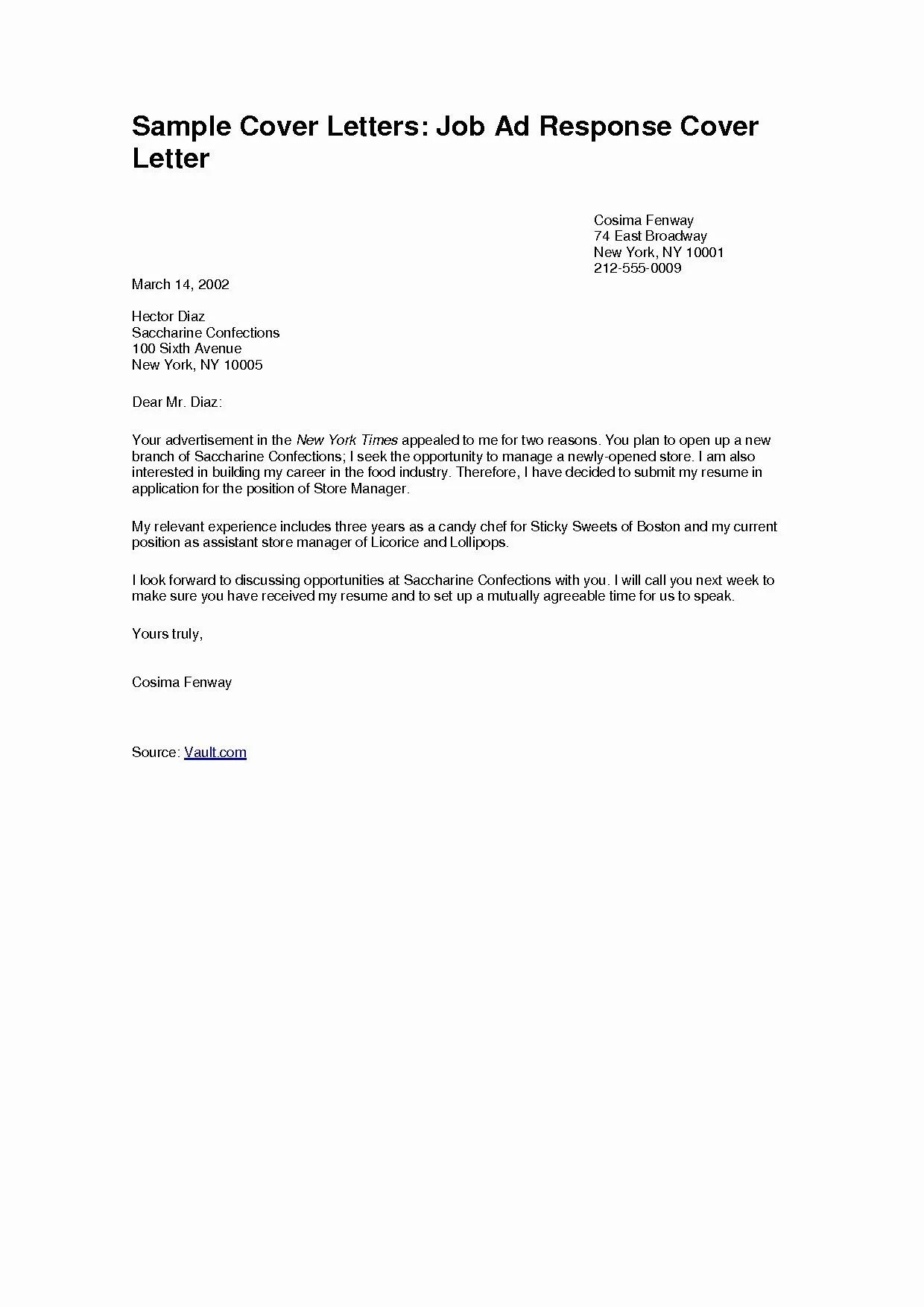
What is a Cover Letter?
A cover letter is a crucial document that accompanies your resume when applying for a job. It serves as an introduction to the hiring manager, providing context to your resume and highlighting why you are a strong candidate for the position. Think of it as your chance to make a positive first impression and showcase your personality, skills, and enthusiasm in a way that a resume alone cannot. Unlike a resume, which provides a concise overview of your professional background, a cover letter allows you to elaborate on your qualifications, explain your motivations, and demonstrate your understanding of the company and the role. It’s a powerful tool for making a compelling case for why you deserve an interview.
Why Use a Cover Letter?
In today’s competitive job market, a cover letter can significantly boost your chances of landing an interview. It’s an opportunity to set yourself apart from other applicants and convince the hiring manager that you’re the right fit for the job. A well-crafted cover letter demonstrates your communication skills, attention to detail, and genuine interest in the position. It also allows you to elaborate on your achievements and explain how your skills and experience align with the specific requirements of the role. By taking the time to write a personalized cover letter, you show employers that you’re serious about the opportunity and have put in the effort to understand their needs. This extra effort can make all the difference in getting your application noticed and moving forward in the hiring process.
Highlighting Your Skills and Experience

Your cover letter provides a platform to showcase your skills and experience in a way that complements your resume. While your resume lists your qualifications, your cover letter allows you to elaborate on specific achievements and provide concrete examples of your abilities. Use the cover letter to highlight the skills and experiences that are most relevant to the job you’re applying for. Instead of simply stating that you possess certain skills, provide examples of how you’ve successfully utilized those skills in previous roles. This could involve quantifying your accomplishments, describing a specific project you worked on, or explaining how you overcame a challenge. By providing compelling evidence of your capabilities, you can convince the hiring manager that you have the expertise to excel in the role.
Tailoring Your Application
One of the key benefits of a cover letter is the ability to tailor your application to the specific requirements of each job. Generic cover letters are easily spotted and often overlooked. Instead, customize your cover letter to reflect the unique needs and expectations of the role and the company. Research the company and the specific job posting carefully, and identify the key skills and qualifications the employer is seeking. Then, in your cover letter, highlight the experiences and skills that align with those requirements. Explain how your background makes you a strong fit for the role and how you can contribute to the company’s goals. This demonstrates your genuine interest in the position and your understanding of what the employer is looking for.
When a Cover Letter is Mandatory
While cover letters aren’t always required, there are certain situations where they are essential. In these cases, submitting an application without a cover letter could be a major misstep. Understanding when a cover letter is mandatory can help you avoid losing out on opportunities and make a strong first impression.
Applying for Specific Roles

Certain job roles often require a cover letter. These are typically positions that require a high degree of communication, writing, or interpersonal skills. If the job description explicitly requests a cover letter, it’s almost always mandatory. This is especially true for roles in fields like marketing, communications, writing, and customer service. In these cases, the cover letter serves as a writing sample and allows you to demonstrate your ability to communicate effectively and persuasively. Ignoring this requirement could indicate that you haven’t carefully reviewed the job posting and are not detail-oriented.
Networking and Building Connections
If you’re applying for a job through a personal connection or referral, a cover letter is an excellent way to leverage that connection. Mentioning the person who referred you can help your application stand out and provides context to the hiring manager. In this scenario, the cover letter can be used to express your gratitude to the person who referred you and to provide additional information about your qualifications. It’s also an opportunity to reiterate your enthusiasm for the position and to emphasize how your skills and experience align with the company’s needs. Using a cover letter in this way shows that you’ve put in the effort to make a strong impression.
When You Can Skip the Cover Letter
While a cover letter is often beneficial, there are a few situations where it may not be necessary. Knowing when you can skip writing a cover letter can save you time and allow you to focus your efforts on other aspects of your job search.
The Company Doesn’t Request One

If the job posting or application instructions clearly state that a cover letter is not required, then it’s generally safe to skip it. In some cases, companies may not want a cover letter because they prefer to focus on your resume or other application materials. However, always double-check the instructions to make sure you haven’t missed any details. If a cover letter is optional, consider whether it adds value to your application. If you’re unsure, it’s often better to include a well-crafted cover letter than to submit an application without one.
Submitting an Online Application
When submitting an online application, especially through platforms like LinkedIn or Indeed, the option to upload a cover letter might not always be available. In these cases, the application form might only allow you to upload your resume. If there’s no designated field for a cover letter, you may not be able to submit one. Don’t worry; in such cases, your resume should be sufficient to provide the necessary information about your qualifications. However, always review the application instructions and any available fields to see if there is a place to include a cover letter or a space to add a brief personal statement.
The Benefits of Writing a Cover Letter
Even when a cover letter isn’t strictly required, there are several advantages to including one with your resume. Writing a cover letter can strengthen your application and increase your chances of getting an interview. The extra effort of creating a personalized cover letter can make a significant impact.
Showcasing Your Personality and Enthusiasm

A cover letter gives you the opportunity to showcase your personality and enthusiasm for the role and the company. Your resume is primarily a factual document that lists your qualifications. A cover letter allows you to inject your personality into your application and demonstrate your genuine interest in the opportunity. Use the cover letter to express your excitement about the role, explain why you’re a good fit for the company culture, and demonstrate your understanding of the company’s mission and values. This can make you a more memorable candidate and help you stand out from the crowd.
Addressing Potential Concerns
A cover letter is a great place to address any potential concerns or gaps in your resume. Perhaps you have a career change, a gap in employment, or limited experience in a specific area. Your cover letter allows you to explain these situations and reassure the hiring manager. Frame these issues in a positive light. For example, if you have a gap in employment, you can explain what you were doing during that time and how you used the time to improve your skills or pursue personal development. By addressing these potential concerns head-on, you show that you are proactive and honest and that you’re not afraid to address any challenges.
In conclusion, a cover letter remains a highly valuable tool in your job search. While the need for one can vary, it often makes a difference in whether your application is noticed. By crafting a cover letter tailored to each job, you can significantly increase your chances of landing an interview and ultimately securing your dream job.