Understanding the Management Consultant Role
Before you even begin to draft your management consultant cover letter, it is crucial to have a solid grasp of what the role entails. Management consultants are strategic advisors, offering expertise to organizations to improve their performance and efficiency. They tackle a wide range of challenges, from streamlining operations to implementing new technologies. Understanding this core function is essential because it shapes the language and emphasis of your cover letter. It allows you to tailor your narrative to show you are fully aware of the expectations and demands of the role. Highlighting this understanding early on showcases that you are not only competent but also possess the insight to comprehend the complex business environments faced by clients. This initial impression, fueled by your fundamental knowledge, sets a strong foundation for the rest of your application.
Key Responsibilities of a Management Consultant
The responsibilities of a management consultant are diverse, ranging from analyzing business models to proposing data-driven solutions. They often begin by diagnosing problems, which requires thorough investigation and insightful questioning. This includes conducting interviews, reviewing data, and assessing existing processes. Next, consultants develop tailored recommendations, supported by robust analysis and strategic thinking. They must then effectively communicate these solutions to clients, often through presentations and detailed reports. Implementation support is another significant aspect, where consultants work alongside client teams to ensure the effective execution of proposed changes. This involves training, project management, and ongoing support to achieve desired outcomes. Grasping these responsibilities gives you the ability to showcase how your skills and experiences align directly with what the role demands. Consider using action verbs and quantifiable results to further solidify the impression you make.
Essential Skills for Management Consultants

A cover letter for a management consultant role must demonstrate a strong arsenal of critical skills. Problem-solving abilities are at the core, as consultants must quickly assess complex issues and develop innovative solutions. Analytical skills are equally vital, enabling consultants to interpret data, spot trends, and derive meaningful insights. Excellent communication skills, both written and verbal, are necessary for articulating findings, persuading stakeholders, and delivering clear recommendations. Leadership is another key skill, particularly when managing project teams and guiding clients through transformative changes. Interpersonal skills are essential for building relationships with clients, understanding their needs, and fostering collaborative environments. Adaptability is crucial, given the ever-changing business landscape and the dynamic nature of projects. Strategic thinking helps consultants anticipate future challenges and develop forward-thinking strategies. Finally, proficiency in relevant software and tools, such as data analysis platforms and project management software, is often expected. Highlighting these skills convincingly significantly enhances your chances of success. (management-consultant-skills.webp)
Crafting Your Cover Letter Effectively
Crafting an effective cover letter is more than just compiling a list of your accomplishments. It involves strategic storytelling, where you connect your experiences and skills to the specific requirements of the job and the values of the hiring company. The goal is to showcase not only what you have done, but also how you can contribute to the firm’s success. Start by carefully analyzing the job description; this helps you understand the essential qualifications and tailor your content accordingly. Your cover letter should be concise, engaging, and free of errors. It needs to quickly capture the reader’s attention and maintain their interest throughout. The tone should be professional yet personal, demonstrating enthusiasm and a genuine interest in the role. Each sentence must serve a purpose; avoid generic statements and instead provide specific examples to illustrate your capabilities. Most importantly, remember that a well-crafted cover letter is an extension of your personal brand. (crafting-cover-letter.webp)
Header and Contact Information
The header of your management consultant cover letter is the first element that a recruiter will see, and it sets the tone for your application. It should be clean, professional, and easy to read. Include your full name, professional title (if applicable), and current contact information—phone number, email address, and LinkedIn profile URL. Make sure the email address is professional, such as your name or a variation of it. The date is also essential; include the date you are sending the cover letter. The recruiter’s contact information should follow—their name, title, and the company’s address. Always address the hiring manager by name; if you cannot find a specific name, use a general greeting like ‘Dear Hiring Manager’ is acceptable, but it is better to avoid this if possible. This attention to detail demonstrates your professionalism and respect for the hiring process.
Personalized Salutation

A personalized salutation is key to making a positive first impression. Avoid generic greetings like ‘To Whom It May Concern’ or ‘Dear Sir/Madam,’ as they suggest a lack of effort. Instead, always address the hiring manager or the person specified in the job description by name. If the job posting does not provide a name, conduct research to find out who will be reviewing your application—check the company website, LinkedIn, or other professional platforms. Use the correct title and spelling of their name. A personalized salutation shows that you have taken the time to research the company and that you are genuinely interested in the opportunity. This small detail can significantly increase your chances of having your cover letter read. A well-crafted salutation sets the stage for a more engaging and tailored cover letter that highlights your genuine interest and qualifications.
Writing a Compelling Opening Paragraph
The opening paragraph is where you capture the reader’s attention and establish your value proposition. It should immediately state the position you are applying for and where you found the job posting. Make sure you express your enthusiasm for the role and the company. Briefly summarize your most relevant skills and experiences; aim for a concise overview that gives the recruiter a glimpse of your expertise. Clearly state why you are a strong fit for the role—this shows that you’ve aligned your qualifications with the job’s requirements. Avoid generic introductions; instead, customize your opening to make it resonate with the company’s specific needs and values. Consider incorporating a specific accomplishment or project that demonstrates your ability to deliver results. A strong opening should intrigue the reader and make them want to learn more about you.
Highlighting Relevant Experience and Skills
In the body of your cover letter, you should emphasize your most relevant experience and skills. Focus on achievements that align directly with the job requirements and the company’s objectives. Structure your content using the STAR method (Situation, Task, Action, Result) to provide concrete examples of your accomplishments. Describe the situation or challenge, the task you faced, the actions you took, and the results you achieved. Be specific and avoid general statements. Instead of saying, ‘I improved efficiency,’ explain, ‘I streamlined the operational process, which reduced costs by 15% within six months.’ Use action verbs to make your descriptions dynamic and compelling. Adapt your examples to demonstrate how you’ve applied those skills in similar environments or situations. The goal is to showcase your ability to drive results and your competence in addressing the types of challenges the consulting firm will need you to tackle.
Quantifying Achievements with Data

Quantifying your achievements is crucial for making your cover letter stand out. Use data, statistics, and measurable outcomes to illustrate the impact of your work. Instead of saying, ‘I improved customer satisfaction,’ provide specific figures like, ‘I increased customer satisfaction scores by 20%.’ Whenever possible, include numbers and metrics that show how your skills have directly contributed to positive outcomes. This could involve revenue growth, cost savings, project completion rates, or efficiency improvements. Quantifiable results provide concrete evidence of your capabilities and validate your claims. They make it easier for recruiters to understand the value you bring to the table. They also demonstrate your analytical skills and your ability to drive results, which are essential for a management consultant. Focus on using data to back up your claims and to show how you exceeded expectations in previous roles.
Demonstrating Passion for the Role
Your cover letter is an opportunity to convey your genuine enthusiasm for the management consultant role. Share why you are passionate about consulting and what motivates you in this field. Express your interest in the company and how its values and mission resonate with your own. Describe how you have demonstrated your passion in the past—perhaps through relevant projects, volunteer work, or self-directed learning. This is where your personality shines, and you can differentiate yourself from other applicants. Explain why you are drawn to this type of work, detailing the aspects of consulting that excite you. Relate your passion to your career goals and how this role helps you achieve those goals. A genuine expression of interest makes you memorable and shows that you are committed to the long-term success of the company. Demonstrate your passion and demonstrate you are not just looking for a job but a career.
Showcasing Knowledge of the Consulting Firm
Demonstrate that you have researched the consulting firm and that you understand their business model, values, and clientele. Mention specific projects or clients that have caught your attention and explain why they resonate with your professional interests. Show that you know the firm’s industry focus, their approach to consulting, and their reputation in the market. Highlight how your skills and experience align with the firm’s core competencies and what you can contribute to their continued success. Visit the company’s website, read industry publications, and review their social media profiles to gain insights. Use this information to tailor your cover letter and demonstrate that you are not only interested in the role but also enthusiastic about joining the team. Mentioning the firm’s recent accomplishments or industry recognition can further solidify your research and show your genuine interest. (consulting-firm-research.webp)
Closing Paragraph and Call to Action

Your closing paragraph should reiterate your interest in the position and summarize why you are a strong candidate. Thank the hiring manager for considering your application and express your enthusiasm for the opportunity to discuss your qualifications further. Clearly state your availability for an interview and provide your contact information again to ensure ease of communication. Include a call to action; it might involve stating that you are eager to learn more about the company, or that you look forward to the next steps in the hiring process. End on a positive and confident note, highlighting your eagerness to contribute to the company’s success. A well-crafted closing paragraph reinforces your key selling points and encourages the hiring manager to take the next step. The closing should be succinct, professional, and leave the reader with a positive impression.
Proofreading and Formatting Your Cover Letter
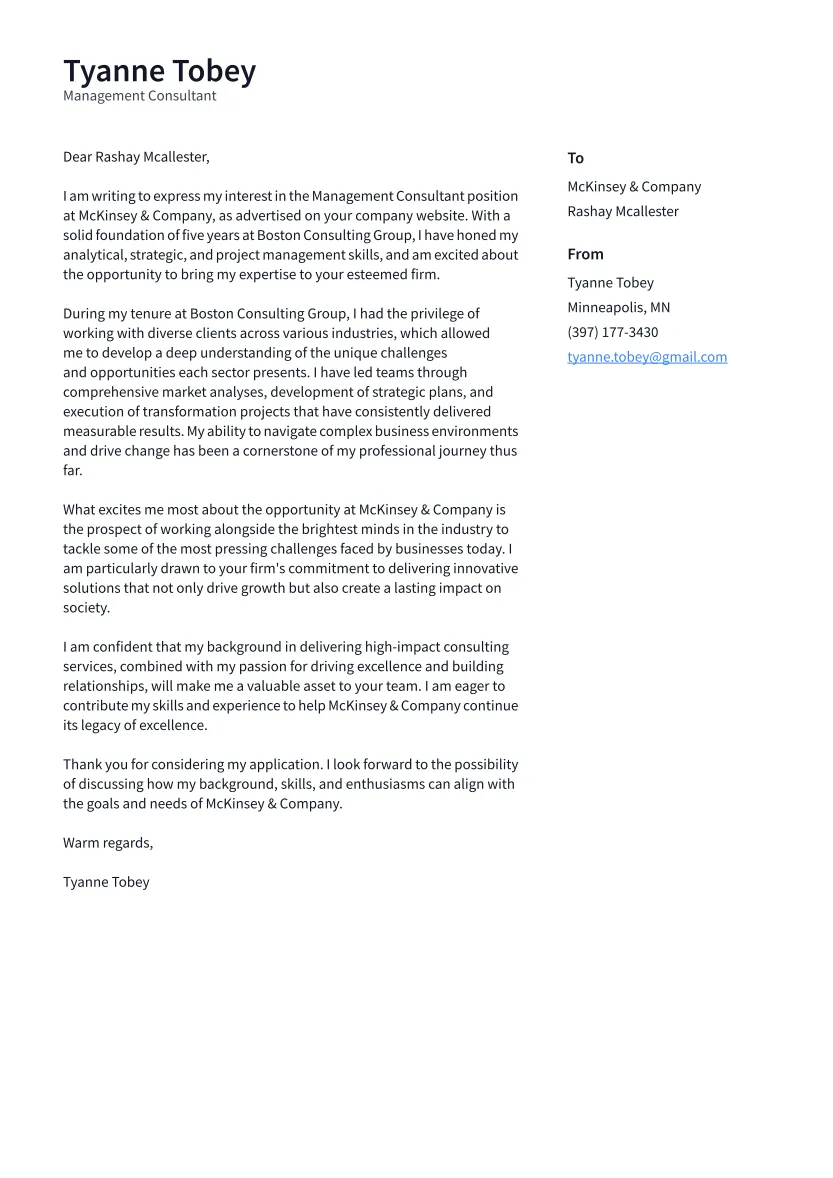
Proofreading and formatting are critical steps that can significantly impact your cover letter. Carefully review your cover letter for any grammatical errors, spelling mistakes, or typos. Have someone else review it as a second pair of eyes can often catch mistakes you might miss. Pay close attention to formatting, ensuring that the letter is clear, easy to read, and visually appealing. Use a professional font, such as Times New Roman, Arial, or Calibri, and maintain consistent formatting throughout. Ensure your letter is properly aligned, with consistent margins and spacing. Break up large blocks of text with paragraphs and bullet points to improve readability. A well-formatted and error-free cover letter demonstrates your attention to detail and professionalism. Poor formatting and errors create negative impressions, suggesting a lack of care. A polished cover letter reflects your respect for the hiring process and increases your chances of making a favorable impression. (cover-letter-sample.webp)
Reviewing Your Cover Letter for Clarity
Clarity is crucial in a cover letter. Ensure that your writing is concise, direct, and easy to understand. Use clear language and avoid overly complex or ambiguous phrasing. Every sentence should have a purpose and contribute to your overall message. Make sure your key points and accomplishments are easily discernible. Use concise, active voice rather than passive voice to make your writing more impactful. Cut out any unnecessary jargon or technical terms that might confuse the reader. The goal is to communicate your value to the hiring manager in a way that’s immediately clear. If you have any doubts, simplify your sentences and replace complex words with their simpler counterparts. Clarity ensures your message is easily understood and leaves a lasting positive impression. Aim for writing that is both informative and easy to follow.
Ensuring a Professional Tone

Maintaining a professional tone is essential for making a positive first impression. Your cover letter should be polite, respectful, and appropriate for a business setting. Avoid using slang, colloquialisms, or overly casual language. The tone should reflect your experience and your ability to communicate effectively in a professional environment. Use formal language when appropriate and avoid sounding overly familiar. Your writing should be confident but not arrogant; emphasize your achievements and abilities without boasting. Review your cover letter to ensure that it conveys the right impression of your professionalism and respect for the reader. Be sure your tone reflects your understanding of the management consulting field and demonstrates your maturity. You can achieve this by using proper grammar and avoiding any language that could be misinterpreted.
Tailoring Your Cover Letter to the Job Description
Customizing your cover letter to align with each job description is critical for success. Review the job posting carefully to identify the specific skills, experiences, and qualifications the company is seeking. Use this information to tailor your letter by highlighting your relevant achievements and demonstrating how you meet the requirements. Incorporate keywords and phrases from the job description into your cover letter; this helps ensure that your application gets noticed by applicant tracking systems (ATS) and that your qualifications align with the role. Avoid using a generic, one-size-fits-all cover letter. Instead, personalize each application by reflecting the values, goals, and language of the specific company. The goal is to show that you understand the company’s needs and possess the qualifications they are looking for, enhancing your relevance and making you more likely to get an interview. Demonstrate that your skills and experiences directly match the requirements.
Researching the Company and the Hiring Manager
Thoroughly research the company and the hiring manager before writing your cover letter. Learn about the firm’s mission, values, culture, and recent projects. Explore the company website, social media profiles, and industry publications. If possible, learn about the hiring manager’s background, experience, and interests. LinkedIn is an invaluable resource for understanding a company’s professionals. Tailor your cover letter to demonstrate your knowledge of the firm and your understanding of their goals and objectives. Mention specific projects, clients, or initiatives that resonate with your experience and career goals. This personalized approach shows that you are seriously interested in the role and that you have taken the time to learn about the company. Researching the company allows you to make informed statements about why you’re a good fit and how you can contribute, strengthening your application.
Using Keywords from the Job Posting
Incorporating keywords from the job description is a strategic way to increase your cover letter’s effectiveness. Applicant Tracking Systems (ATS) scan applications for specific keywords, and including these can improve your chances of being noticed. Review the job description carefully and identify key skills, requirements, and phrases. Strategically incorporate these keywords throughout your cover letter, ensuring a natural flow. Do not simply copy and paste the keywords; integrate them organically into your sentences and paragraphs. Use similar synonyms to make your writing less repetitive and more engaging. Make sure that all included keywords align with your actual skills and experiences; never misrepresent your qualifications. The goal is to show that your qualifications align with the specific requirements, helping your application move forward and get you noticed by the hiring manager.
Cover Letter Samples and Examples
Reviewing sample cover letters is a valuable step in the application process, as it provides examples of effective writing and formatting. Find samples for management consultant roles to gain insights into the content and structure of successful cover letters. Pay attention to how the candidates highlight their skills, experience, and accomplishments. Analyze how they tailor their letters to the specific job description and the company’s requirements. Look for common elements such as a strong opening, clear explanations of relevant experience, and a compelling closing. Use these samples as inspiration, but avoid directly copying their content. Instead, adapt the examples to your own experiences and customize your cover letter to reflect your unique skills and accomplishments. Ensure you use reliable sources for your samples; professional career websites and career coaching services are often good places to start. (cover-letter-sample.webp)
Sample Cover Letter Structure
Adopting a clear and organized structure for your cover letter can significantly improve its impact. A typical cover letter structure includes the header with your contact information and the date, followed by the hiring manager’s contact details. Next comes the salutation, addressing the hiring manager by name. The opening paragraph should state the position you are applying for and your interest in the role. The body of your letter should focus on your qualifications, highlighting relevant experience and skills with specific examples and data. The closing paragraph should summarize your key qualifications, reiterate your interest, and include a call to action. Each section should be concise and well-written, conveying your message effectively. The structure helps the reader to quickly understand your qualifications and the value you bring to the table. Organize your points logically to create a compelling narrative. (cover-letter-template.webp)
Cover Letter Template for Management Consultants
A cover letter template can serve as a useful starting point for crafting your application. It provides a basic framework that you can customize to fit your specific experiences and the job requirements. Start with a general template that includes the header, salutation, opening paragraph, body paragraphs, and closing. Fill in the template by adding your personal information, tailoring it to highlight your unique skills and experiences. Replace generic statements with your specific accomplishments and quantify your results whenever possible. Customize each cover letter to match the specific needs of each job description. Review your cover letter template to make sure it aligns with the core values and mission of the company. A well-adapted template gives you a solid foundation and saves time, making it easier to create compelling cover letters. (cover-letter-template.webp)