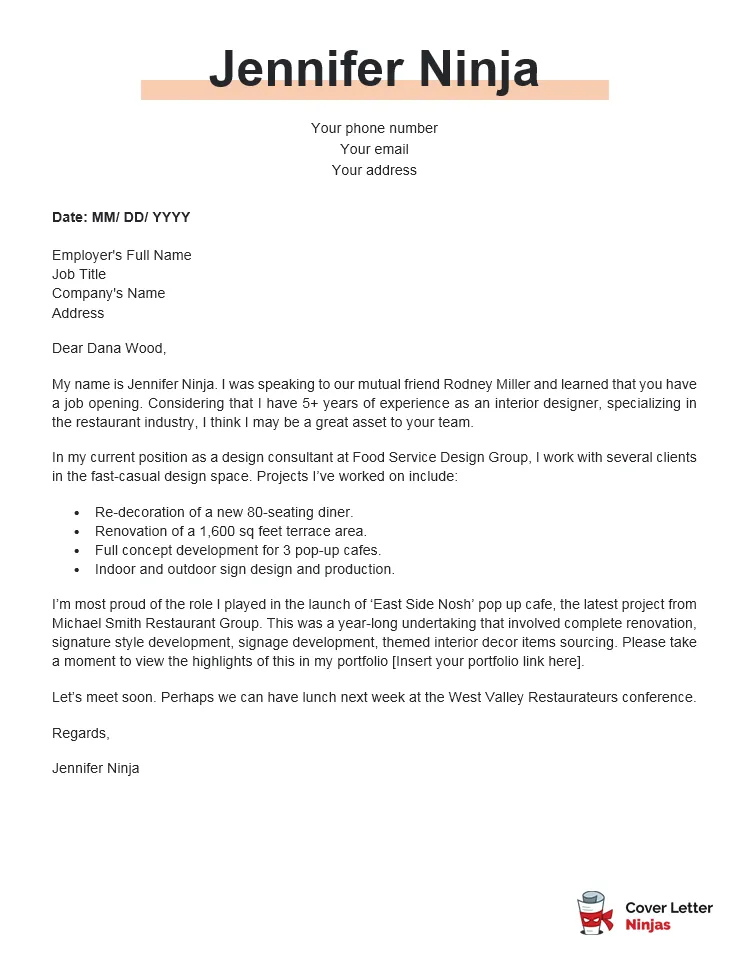
What is a Designer Job Cover Letter
A designer job cover letter is a crucial document that accompanies your resume when applying for design positions. It serves as your first introduction to a potential employer, providing an opportunity to showcase your personality, passion for design, and suitability for the role. It allows you to elaborate on your skills, experience, and why you’re the perfect fit for the company. Unlike a resume, which is a brief summary, a cover letter lets you tell a story about your career journey and demonstrate your communication skills. When crafting a designer cover letter, it is important to highlight your design skills, experience, and your understanding of the company’s needs.
Why a Cover Letter Matters
In the competitive world of design, a well-crafted cover letter can set you apart from other applicants. It demonstrates your attention to detail, communication skills, and genuine interest in the position and the company. It provides context to your resume, allowing you to explain your design process, design philosophy, and how your skills align with the job requirements. It’s an opportunity to personalize your application, showing that you’ve taken the time to understand the company’s values and the specific needs of the role. A cover letter highlights your enthusiasm and helps you make a strong first impression, increasing your chances of getting an interview. Even if a job description doesn’t explicitly require a cover letter, submitting one is often seen as a sign of initiative and professionalism, making you stand out. Consider the cover letter as a marketing document, selling your skills and experience to the hiring manager.
Key Elements of a Designer Cover Letter

A compelling designer cover letter has several key components that work together to create a positive and lasting impression. These elements guide you in presenting yourself as an ideal candidate. Focusing on these will get you started the right way. The contact information is critical to include, this provides details so the hiring manager can contact you. Always include a professional salutation, addressing the hiring manager by name if possible. The introduction should grab the reader’s attention, stating the position you’re applying for and expressing your enthusiasm. Highlight relevant skills and experiences, matching them to the job requirements. Include a link to your portfolio to showcase your design work. Demonstrate your understanding of the company and your fit within their design team. Close with a strong call to action, expressing your eagerness for an interview. Always proofread your letter carefully for any errors.
Contact Information
At the top of your cover letter, clearly state your contact information. This includes your full name, phone number, professional email address, and optionally, your LinkedIn profile URL and portfolio link. This ensures the hiring manager can easily reach you for an interview or further communication. Ensure your email address is professional and reflects your name or a variation of it. Keep your contact information concise and easy to find.
The Salutation
Start your cover letter with a professional salutation. If you know the hiring manager’s name, address them directly with “Dear Mr./Ms./Mx. [Last Name].” This shows you’ve done your research and adds a personal touch. If you don’t know the hiring manager’s name, use a general greeting like “Dear Hiring Manager” or “Dear [Company Name] Team.” Avoid generic salutations like “To Whom It May Concern,” as they lack personalization. A personalized salutation can significantly impact the overall impression and can increase your chances of getting an interview.
The Introduction

The introduction sets the tone for your entire cover letter, so it should be captivating and concise. Begin by stating the specific design position you are applying for and where you found the job posting. Immediately express your enthusiasm for the role and the company. Briefly mention a key achievement or skill that aligns with the job requirements to capture the reader’s interest. Make sure your introduction is tailored to the specific job and the company’s values. This will show the hiring manager that you have taken the time to understand the opportunity and are excited about it. Avoid generic introductions, as they fail to stand out.
Highlighting Your Skills and Experience
In the body of your cover letter, highlight your relevant skills and experiences. Carefully review the job description and identify the key requirements. Provide specific examples of how your skills and experiences meet those requirements. Use action verbs to describe your accomplishments, such as “designed,” “developed,” “managed,” or “created.” Quantify your achievements whenever possible by providing numbers, data, or metrics that showcase your impact. For instance, mention the percentage of user engagement improvements or the number of projects completed within a specific timeframe. This section should clearly demonstrate your qualifications and give the hiring manager a strong sense of your capabilities.
Showcasing Your Portfolio
Your portfolio is a critical element of your application, so make sure you showcase it effectively in your cover letter. Mention your portfolio and the URL early on, encouraging the hiring manager to view your work. Highlight specific projects or designs that are most relevant to the job you are applying for. Briefly describe the project goals, your role, and the results achieved. Explain the design process you followed, including any challenges you overcame and the solutions you implemented. Consider tailoring your portfolio to the specific company by showcasing projects that align with their style or industry. This will show that you have a good understanding of their brand and a genuine interest in their work.
Demonstrating Enthusiasm and Fit

Employers want to hire designers who are passionate about their work and fit well within their company culture. Express your enthusiasm for the company, the role, and the design team. Show that you have researched the company and understand its mission, values, and recent projects. Explain how your design philosophy aligns with the company’s vision. Demonstrate your understanding of the company’s brand and the industry. Share any insights or ideas about how you can contribute to their design efforts. This will make you stand out and demonstrate your genuine interest in the position.
The Call to Action
End your cover letter with a clear and strong call to action. Express your eagerness to discuss your qualifications in an interview. Thank the hiring manager for their time and consideration. Reiterate your contact information, making it easy for them to reach you. Close with a professional sign-off, such as “Sincerely,” “Best regards,” or “Thank you.” A strong call to action will help you make a lasting impression and increase your chances of getting a positive response. Be sure to proofread your entire letter for any errors before sending it.
Formatting and Design
The formatting and design of your cover letter are as important as its content. Choose a professional and easy-to-read font, such as Arial, Calibri, or Times New Roman. Maintain a consistent font size and style throughout the letter. Use clear and concise language. Use headings, subheadings, and bullet points to organize the content and improve readability. Keep the letter concise, ideally within one page. Use ample white space to make the letter visually appealing and easier to scan. Ensure your cover letter reflects your design skills and attention to detail. If applying for a design position, consider including subtle design elements that align with the company’s branding.
Proofreading and Editing

Proofreading and editing your designer cover letter is crucial to avoid making a negative impression. Carefully proofread your letter for any spelling, grammar, or punctuation errors. Check for sentence structure, clarity, and flow. Ensure that the tone of your letter is professional and enthusiastic. Ask a friend, colleague, or career counselor to review your cover letter. This will help you catch any errors or areas for improvement that you might have missed. A polished and error-free cover letter shows your attention to detail and professionalism. Consider using grammar and spell-checking software to catch errors. Be sure to check your work multiple times.
Writing Tips for a Strong Cover Letter
To create a strong cover letter that impresses hiring managers, keep the following writing tips in mind. Always Research the Company. Before writing, research the company’s mission, values, and recent projects. Tailor Your Letter. Customize each cover letter to the specific job and company. Use Action Verbs. Use action verbs to describe your skills and experiences. Quantify Your Achievements. Quantify your achievements with data or metrics. Keep the letter concise and easy to read. Show enthusiasm and fit with the company. Include a link to your portfolio. Proofread carefully for errors. Ask for feedback from others.
Research the Company
Thoroughly research the company before you start writing your cover letter. Visit their website, review their social media profiles, and read any recent press releases or articles about the company. This research will help you understand the company’s mission, values, and recent projects. Tailor your cover letter to align with the company’s brand and the specific requirements of the job. Demonstrating your knowledge of the company will show that you have a genuine interest in the role and a good understanding of their work. When writing your cover letter, mention specific projects or initiatives that resonate with you, demonstrating your interest in their work.
Tailor Your Letter

Each cover letter should be tailored to the specific job and the company. Don’t send out a generic cover letter. Carefully read the job description and identify the key skills and qualifications required. Highlight your skills and experiences that align with those requirements. Customize your introduction, body, and conclusion to reflect your understanding of the company’s needs. Tailoring your letter shows that you have taken the time to understand the specific opportunity and are genuinely interested in the position. It also increases your chances of making a strong impression and getting an interview. If the job emphasizes specific software or design principles, make sure to highlight your expertise in those areas.
Use Action Verbs
Use strong action verbs to describe your skills, experience, and accomplishments. Action verbs help you paint a vivid picture of your contributions and make your cover letter more engaging. Start your sentences with action verbs that highlight your accomplishments. Examples include designed, developed, created, managed, implemented, and collaborated. Use active voice to emphasize your role and responsibilities. Avoid using passive voice or vague language. Make your cover letter more dynamic and compelling by using action verbs. This helps to showcase your capabilities and makes your cover letter more dynamic.
Quantify Your Achievements
Whenever possible, quantify your achievements to demonstrate the impact of your work. Instead of simply stating that you “improved user engagement,” mention the percentage increase you achieved. Use numbers, data, and metrics to show your accomplishments. For example, “Increased conversion rates by 15%” or “Managed a team of five designers.” Providing concrete examples makes your claims more credible and shows the hiring manager the value you can bring to the company. Make sure your achievements are relevant to the job requirements. Quantifying your accomplishments provides a clear understanding of your skills and the value you bring to the role.
Common Mistakes to Avoid

To create a strong designer cover letter, avoid the following common mistakes. Do not use Generic Content. Avoid sending a generic cover letter that could apply to any job. Typos and Grammatical Errors. Proofread carefully to avoid errors that detract from your professionalism. Ignoring the Job Description. Tailor your letter to the specific requirements of the job. Make sure you adhere to any specific formatting requirements, if mentioned, such as file format or word count. Tailor your cover letter to align with the company and the design role.
Generic Content
Avoid sending a generic cover letter that could apply to any job. Generic letters show that you have not taken the time to understand the specific opportunity or the company. Tailor your cover letter to the specific job and company. Research the company and mention their recent projects, values, or mission. Highlight skills and experiences that are relevant to the job requirements. Tailoring your cover letter shows that you are truly interested in the position and are not just sending out a mass application. Show your interest in the company and the role.
Typos and Grammatical Errors
Carefully proofread your cover letter to avoid typos, spelling mistakes, and grammatical errors. Errors can undermine your credibility and make you appear unprofessional. Always spell-check your cover letter and have someone else review it. Ensure your cover letter is free of errors. Double-check all names, dates, and contact information. Before sending, it is critical to ensure the letter is clear, concise, and error-free. A polished cover letter shows attention to detail, which is a crucial skill for designers.
Ignoring the Job Description

Failing to address the requirements outlined in the job description is a common mistake. The job description provides important information about the skills, experience, and qualifications the employer is seeking. Carefully read the job description and highlight your relevant skills and experience. Tailor your cover letter to address each of the key requirements. Provide specific examples of how you meet those requirements. This demonstrates that you understand the role and have the necessary qualifications. Tailor your cover letter to highlight your qualifications for the role.
Examples of Effective Designer Cover Letters
Reviewing examples of effective designer cover letters can provide valuable insights and inspiration. Examine how the writers have structured their letters, highlighted their skills, and showcased their portfolios. Notice how they have demonstrated their enthusiasm for the position and the company. Adapting these examples to your situation will help you construct an impactful cover letter. Remember to personalize the cover letters to reflect your unique experiences and skills. Reviewing examples will help you in writing your own, personalized cover letter.
Example 1 UI/UX Designer
In this example, the applicant showcases a strong understanding of UI/UX principles. They highlight their experience designing user-friendly interfaces, conducting user research, and creating wireframes and prototypes. The letter emphasizes their ability to collaborate with cross-functional teams and their passion for creating intuitive and visually appealing designs. It showcases their skills and provides relevant experience, aligned with the job description. The applicant links to a detailed portfolio. It also shows a good understanding of the company.
Example 2 Graphic Designer
This example focuses on a graphic designer with strong skills in branding, layout, and typography. The applicant describes their experience creating visual concepts, designing marketing materials, and collaborating with clients. It features their creativity, attention to detail, and understanding of design principles. The cover letter emphasizes the importance of the company’s branding and their skills in those areas. It gives examples of projects where they have been successful and provides portfolio links.
Example 3 Web Designer
This example showcases a web designer with a strong background in front-end development and user experience. The applicant highlights their experience in designing responsive websites, creating user interfaces, and optimizing websites for performance. The cover letter emphasizes their technical skills, creativity, and ability to deliver high-quality web designs. It provides examples of websites designed and shows the impact those designs had. Also, the applicant links to their portfolio.