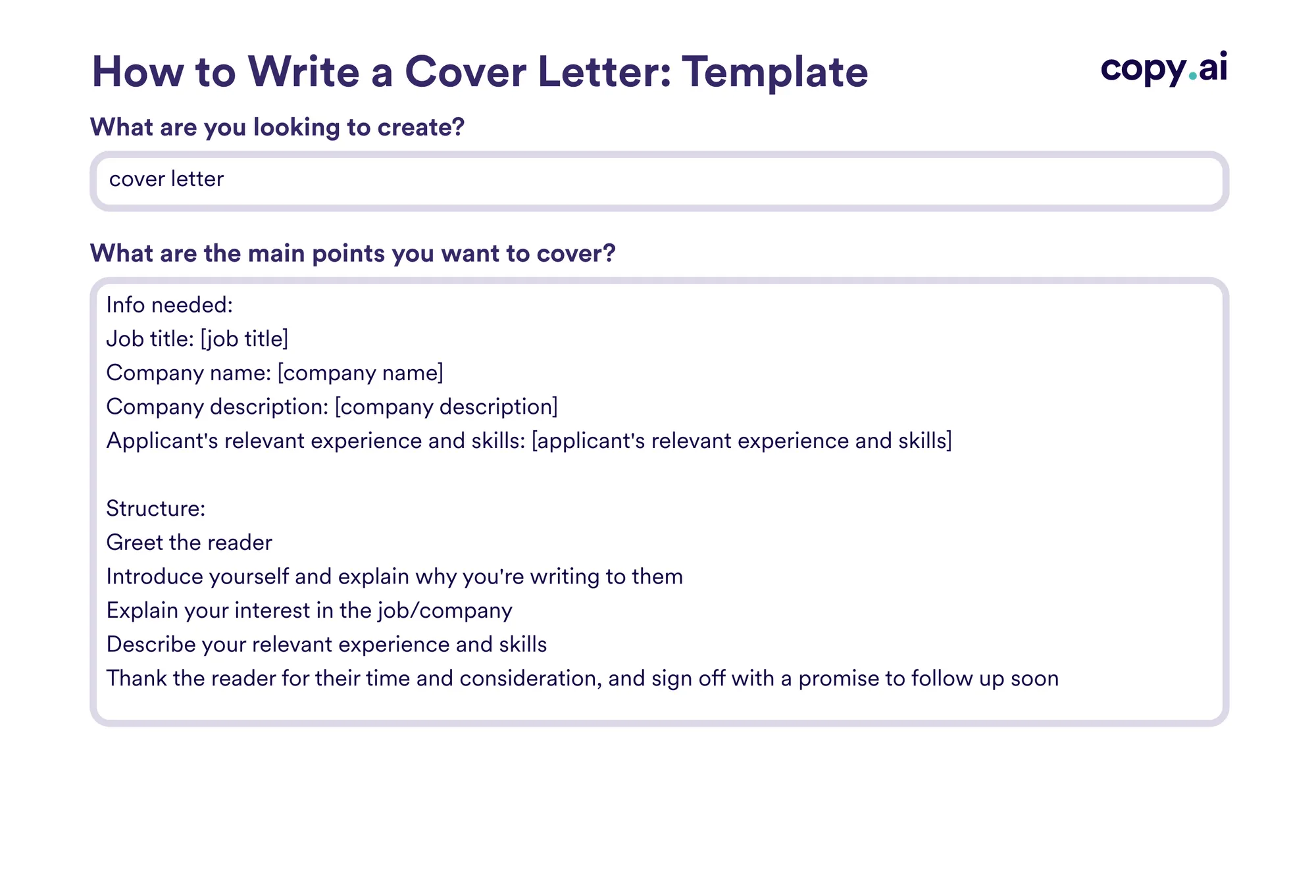
Understanding Cover Letter Flow
The flow of your cover letter is more than just the order of your paragraphs it’s about creating a narrative that captures the reader’s attention and guides them through your qualifications and enthusiasm for the role. Think of your cover letter as a carefully constructed story where each section builds upon the previous one, leading to a compelling conclusion. Effective cover letter flow ensures that your most relevant and impressive achievements are presented strategically, making a lasting impression on the hiring manager. A well-structured cover letter flows smoothly, highlighting your key skills, experiences, and aspirations, demonstrating why you’re the perfect fit for the job. The importance of flow is to show the reader a clear picture of your value.
Why Cover Letter Flow Matters
In a competitive job market, a cover letter is your opportunity to stand out from the crowd, it’s your first impression. A poor cover letter flow can lead to a lost opportunity. A cover letter with a bad flow reads incoherently, making it difficult for the recruiter to understand your value. A strong flow is essential for making sure your key points are clear and easy to grasp. A cover letter’s flow is important because it helps you demonstrate a clear understanding of the job requirements and your ability to meet them. Proper flow helps you showcase your personality, which is another crucial aspect for recruiters. It demonstrates your communication and organization skills, which are key skills for the job.
The Importance of a Strong Opening

The first few lines of your cover letter are crucial. They set the tone and immediately capture the reader’s attention. A strong opening should quickly explain why you are writing, referencing the specific job you are applying for. This helps to establish your interest and makes it clear you’ve taken the time to tailor your application. You can also use your opening to demonstrate your personality and make a memorable first impression. Start with a strong statement of your enthusiasm or a brief, relevant achievement that immediately grabs the reader’s attention. Do not make the mistake of using a generic opening, personalize your letter and make it unique. A well-crafted opening sets the stage for a compelling narrative, making the hiring manager want to learn more about you.
Grab Attention Immediately
To grab attention immediately, consider starting with a relevant achievement that showcases your skills. This demonstrates your value from the outset. You can also start with a question that piques their interest. Another effective technique is to refer to a mutual contact or highlight a company value that resonates with you. Avoid generic phrases and clichés, use language that is unique to you. The goal is to make the recruiter curious and want to keep reading. Using action verbs and strong language can make your introduction more impactful. Always ensure your opening is concise and directly related to the job.
Highlight Your Key Skills
Your cover letter should highlight the key skills and experiences that align with the job requirements. Identify the most important skills mentioned in the job description and provide specific examples of how you’ve used them. This demonstrates your ability to meet the needs of the role. Focus on demonstrating, not just listing, your skills. Use the STAR method (Situation, Task, Action, Result) to provide detailed examples of how you’ve successfully applied your skills. Explain the situation, the task you were given, the actions you took, and the positive results you achieved. This method helps the reader understand your capabilities and the impact you can make. Tailor your letter to each application, emphasizing the skills that are most relevant to the specific job.
Showcase Relevant Experience

Showcasing relevant experience is vital for demonstrating your qualifications. Provide specific examples from your past roles to illustrate how you’ve used your skills to achieve results. Tailor your examples to match the job requirements, making sure they align with the responsibilities outlined in the job description. Focus on experiences that directly relate to the position you are applying for, and provide clear context and outcomes. Use action verbs to describe your accomplishments, highlighting your role and the impact of your work. Explain how your previous experiences have prepared you for the challenges of this new role. This helps the hiring manager see you as a qualified candidate ready to contribute to their team. When describing your experiences, focus on results and quantifiable achievements.
Demonstrate Your Value
To demonstrate your value, you need to show how your skills and experiences translate into benefits for the employer. Explain what you bring to the table and how you can contribute to their success. Highlight your accomplishments and quantify them whenever possible. Providing measurable results is a powerful way to prove your value. Showcase how your achievements have led to positive outcomes, such as increased revenue, improved efficiency, or enhanced customer satisfaction. Make it clear how your skills and experience align with the company’s needs and goals. Demonstrate your understanding of the company’s mission and values, and explain how you can contribute to them. Your cover letter is the perfect place to highlight the value you bring to a potential employer.
Crafting a Compelling Body
The body of your cover letter is where you provide the supporting details and showcase your qualifications. Structure this section logically, focusing on your key skills, experiences, and achievements. Use the STAR method to provide specific examples of how you’ve used your skills to achieve results. The body of your letter should be detailed and highlight what you did and why it matters. Ensure that each paragraph builds on the previous one, creating a cohesive narrative that highlights your value. Structure your cover letter logically and make it easy to read. A well-crafted body keeps the reader engaged and provides a thorough understanding of your abilities and experiences. The tone and style in this section can truly help highlight your personality.
Structuring Your Achievements

Structuring your achievements clearly is crucial for making a strong impression. Use bullet points or numbered lists to highlight key accomplishments. This makes your achievements easy to read and understand. Start each bullet point with a strong action verb to draw attention to your actions and results. Provide context, explaining the situation and the actions you took. Focus on quantifiable results whenever possible, using numbers to illustrate your impact. Tailor your achievements to match the job description, selecting the most relevant experiences. Provide clear and concise language, ensuring your achievements are easy to understand. Use the STAR method to provide more detailed examples, showing how your skills led to specific results.
Quantify Your Accomplishments
Quantifying your accomplishments adds credibility and impact to your cover letter. Whenever possible, use numbers and data to illustrate your achievements. Examples include percentages, dollar amounts, and specific metrics. Use these measurements to demonstrate the tangible results you’ve delivered in previous roles. Instead of saying you ‘increased sales,’ state that you ‘increased sales by 15% in one quarter’. This provides a clear understanding of your impact. Always explain the context behind the numbers to show the full scope of your accomplishments. By using quantitative data, you provide concrete evidence of your abilities and how you can contribute to the employer’s success. Quantifiable accomplishments show your value.
Emphasizing the Closing
The closing is the final opportunity to make a positive impression, it should leave the recruiter with a strong and lasting impression. Thank the hiring manager for their time and consideration, expressing your enthusiasm for the opportunity. Reiterate your interest in the role and your key qualifications. Your closing should be concise, professional, and forward-looking. You should also include a call to action, inviting the hiring manager to contact you for an interview. A strong closing reinforces your value and leaves a lasting impression, making the reader want to learn more about you.
Expressing Enthusiasm and Gratitude

Expressing enthusiasm and gratitude at the end of your cover letter is essential. It demonstrates your interest and appreciation for the opportunity. Thank the hiring manager for their time and consideration, making sure to be sincere. Reiterate your interest in the role, emphasizing how your skills align with the job requirements. Expressing enthusiasm shows that you are genuinely interested in the opportunity. Show your appreciation and you’ll improve your chances. This ensures the hiring manager remembers your application and your positive attitude. Use language that conveys your excitement and eagerness to contribute to the team.
Call to Action: Next Steps
Include a call to action to encourage the hiring manager to take the next step. This should clearly state your desire for an interview and how they can contact you. Provide your contact information, including your email address and phone number, to make it easy for them to reach you. This step is crucial to make sure you get the job. Avoid being too passive. You can also reiterate your interest in discussing your qualifications in more detail. Make the call to action clear and direct. This gives the hiring manager a clear and easy next step.
Proofreading and Refining Your Letter
Proofreading and refining your cover letter is a critical step to ensure it is polished and professional. Check for any grammatical errors, spelling mistakes, and punctuation issues. A well-proofread letter demonstrates attention to detail and professionalism. Read your letter aloud to catch any awkward phrasing or sentences that don’t flow well. Always have someone else proofread your letter. They may catch errors you’ve missed. Ensure the tone and style are consistent throughout. A refined cover letter increases your chances of making a positive impression. Refine your letter and make sure your skills shine!
Ensuring Clarity and Conciseness

Clarity and conciseness are essential for a successful cover letter. Make sure every sentence is clear and easy to understand, with no ambiguous phrases. Use concise language and avoid wordiness. Long paragraphs can be hard for the reader to digest. Make sure each sentence contributes to your message and eliminates unnecessary words. Ensure the letter is focused, with a clear purpose. Keep the language direct and avoid jargon. This ensures that the reader can easily understand your qualifications and how you can contribute to the company. Use active voice and strong verbs. Clarity and conciseness demonstrate your communication skills.