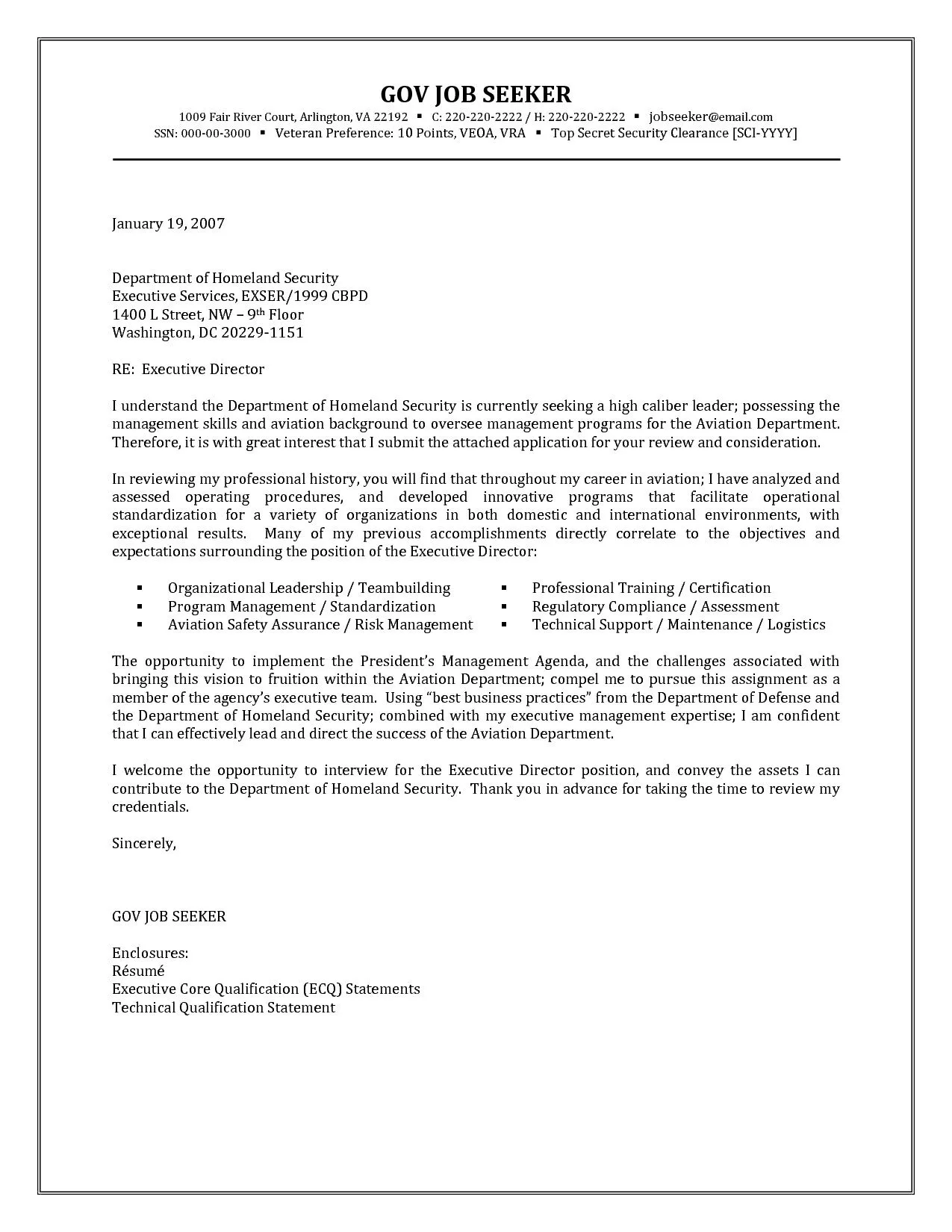
Cover Letter Basics
A cover letter is a crucial document in your job application process. It serves as your introduction to a potential employer, complementing your resume by providing a narrative of your skills, experience, and why you’re a good fit for the specific role. Unlike a resume, which is a concise summary, a cover letter allows you to elaborate on your qualifications and express your enthusiasm for the position. It’s an opportunity to showcase your personality and communication skills, making a lasting impression on the hiring manager. A well-crafted cover letter can significantly increase your chances of getting an interview.
Understanding Cover Letters
Cover letters are more than just a formality; they are a powerful tool for making a strong first impression. They allow you to demonstrate your understanding of the job requirements and explain how your skills and experiences align with the employer’s needs. The letter showcases your ability to communicate effectively in writing, a critical skill in many professional settings. Furthermore, a cover letter provides context to your resume, allowing you to elaborate on specific achievements and highlight the value you bring to the organization. It’s your chance to personalize your application and make a connection with the hiring manager.
Importance of a Cover Letter

The importance of a cover letter cannot be overstated in today’s competitive job market. It is your first opportunity to make a positive impression and distinguish yourself from other applicants. A well-written cover letter can capture the attention of the hiring manager, showing your genuine interest in the position and the company. It provides a platform to highlight your relevant skills and experiences, as well as demonstrate your understanding of the company’s needs and the specific role. Without a cover letter, you risk your application being overlooked, even if your resume is excellent. It’s also an opportunity to explain any gaps in your employment history or unique circumstances.
Key Components of a Cover Letter
A compelling cover letter typically includes several key components. Start with a professional heading that includes your contact information and the date, followed by the hiring manager’s information if available. Begin with a strong opening paragraph that grabs the reader’s attention and states the position you are applying for and how you heard about it. The body paragraphs should showcase your relevant skills and experiences, explaining how they align with the job requirements. Quantify your achievements whenever possible to demonstrate your impact. The closing paragraph should reiterate your interest, express gratitude, and include a call to action. Finally, proofread meticulously before submitting the letter.
Sample Job Cover Letter Examples
Reviewing sample cover letter examples is an excellent way to learn the best practices and tailor your own letters. Different job levels and industries often require different approaches, so studying various templates will help you understand the nuances. Pay attention to the language used, the structure of the letter, and how the applicants highlight their skills and experiences. Remember to adapt the examples to your own circumstances, ensuring that the content is original and reflects your personal brand. The following examples demonstrate how to approach cover letters for various career stages and positions.
Entry-Level Cover Letter Example

An entry-level cover letter should emphasize education, relevant coursework, internships, and any volunteer work or extracurricular activities. Since experience is often limited at this stage, focus on transferable skills like communication, problem-solving, and teamwork. Highlight any projects or achievements that demonstrate your abilities and enthusiasm. Clearly state your career goals and how the position aligns with your aspirations. Show a willingness to learn and contribute to the company. Customize your letter for each position, demonstrating your research and understanding of the company’s mission and values. Show how your skills align with the job description.
Mid-Career Cover Letter Example
A mid-career cover letter should focus on professional accomplishments, leadership roles, and the value you have brought to previous employers. Quantify your achievements with specific data and metrics, such as increased sales, improved efficiency, or successful project management. Tailor your letter to the specific requirements of the job, highlighting your skills and experiences that are most relevant. Demonstrate a track record of success and your ability to take on new challenges. Showcase your ability to work independently and as part of a team. Focus on the impact you can make for the company.
Executive Cover Letter Example
An executive cover letter should be a concise and powerful summary of your leadership experience, strategic vision, and key accomplishments. Focus on your ability to drive results and your experience in managing teams, budgets, and strategic initiatives. Highlight your most significant achievements, and showcase your ability to align with the company’s strategic goals. Emphasize your leadership skills and how you have successfully navigated complex business challenges. Tailor the letter to match the company’s specific needs, demonstrating your understanding of their industry and the challenges they face. Keep the letter concise and focused, highlighting only the most relevant experience.
Tailoring Your Cover Letter

Tailoring your cover letter for each job application is essential for increasing your chances of success. Generic cover letters are easily identified and often discarded. Take the time to research the company and the specific role you are applying for. Analyze the job description carefully to identify the key requirements and desired skills. Then, customize your cover letter to highlight your relevant skills and experiences, using keywords from the job posting. This process demonstrates your genuine interest in the position and your understanding of the company’s needs. Show the hiring manager that you’ve put in the effort to tailor your application to their specific requirements.
Researching the Company
Before writing your cover letter, thoroughly research the company. Visit their website, read their mission statement, and learn about their products, services, and values. Look for news articles, press releases, and social media posts to gain insights into their current projects and initiatives. This research will help you understand the company’s culture and the challenges they face. You can then tailor your cover letter to address their specific needs and demonstrate how your skills and experiences align with their goals. Mentioning specific projects or initiatives that resonate with the company demonstrates your genuine interest and your understanding of their business.
Highlighting Relevant Skills and Experience
Highlighting relevant skills and experience is crucial for making a strong impression. Carefully review the job description and identify the key skills and qualifications the employer is seeking. Then, use your cover letter to showcase your relevant skills and experiences, providing specific examples of how you have demonstrated those skills in the past. Quantify your achievements whenever possible, using numbers and data to illustrate your impact. Tailor your examples to the specific requirements of the job, demonstrating that you possess the abilities and experience necessary to excel in the role. Use keywords from the job description to ensure your application is easily scanned by applicant tracking systems.
Using Keywords Effectively

Using keywords effectively in your cover letter is essential for two key reasons first, it helps your application get noticed by applicant tracking systems (ATS) which many companies use to screen resumes and cover letters. These systems scan for keywords and phrases relevant to the job requirements. Second, it ensures that your application immediately conveys the value you bring to the position. Carefully analyze the job description to identify the key skills and qualifications the employer is seeking. Incorporate these keywords naturally throughout your cover letter, particularly in the skills section and in your descriptions of your previous experiences. Avoid keyword stuffing; instead, focus on using the keywords in context, demonstrating your understanding of the job requirements and your ability to perform the essential functions.
Formatting Your Cover Letter
The format of your cover letter is critical for making a professional and positive impression. A well-formatted cover letter is easy to read and visually appealing. Begin with a professional heading that includes your contact information and the date, followed by the hiring manager’s information if available. Choose a standard font like Arial or Times New Roman, with a font size between 10 and 12 points. Use clear and concise language, and break up long paragraphs into shorter ones for readability. Use bullet points to highlight your key skills and accomplishments, if appropriate. Ensure the overall formatting is consistent, with proper spacing and alignment.
Choosing the Right Font and Style
Selecting the right font and style for your cover letter is important for readability and professionalism. Choose a standard font that is easy to read, such as Arial, Times New Roman, or Calibri. Avoid using overly fancy or distracting fonts that can detract from the content of your letter. Use a font size between 10 and 12 points to ensure readability. Use a clear and concise style, avoiding jargon or overly complex sentence structures. Maintain consistent formatting throughout your cover letter, including spacing, alignment, and bullet points. The goal is to present a professional and polished document that is easy for the hiring manager to read and understand.
Proper Use of Headings and Spacing

Effective use of headings and spacing can greatly improve the readability of your cover letter. Use headings to clearly separate different sections, such as your contact information, the greeting, the body paragraphs, and the closing. This allows the hiring manager to quickly scan your letter and find the information they need. Use white space generously to avoid a cluttered appearance. Leave adequate space between paragraphs and sections to provide visual breaks. Use consistent formatting for headings and spacing throughout the document. Proper use of headings and spacing helps make your cover letter more organized, professional, and easy to read.
Proofreading and Editing
Proofreading and editing your cover letter is essential for ensuring accuracy and professionalism. Errors in grammar, spelling, and punctuation can create a negative impression and undermine your credibility. Always proofread your letter multiple times, and consider having someone else review it as well. Check for typos, grammatical errors, and inconsistencies in formatting. Ensure that your sentences are clear and concise and that your ideas are well-organized. Pay attention to the tone and language used, ensuring that it is appropriate for the position and the company culture. Proofreading is the last and most important step.
Writing a Compelling Cover Letter
Writing a compelling cover letter requires a strategic approach. Your goal is to capture the hiring manager’s attention and convince them that you are the right candidate for the job. Start with a strong opening paragraph that immediately grabs their interest. Clearly state the position you are applying for and where you saw the job posting. Then, in the body paragraphs, highlight your relevant skills and experiences, providing specific examples and quantifying your achievements whenever possible. Tailor the content to the job requirements, and demonstrate your understanding of the company and its needs. Close with a call to action, expressing your enthusiasm for the opportunity and your availability for an interview.
Opening Paragraph Strategies

The opening paragraph of your cover letter is crucial for grabbing the hiring manager’s attention. Avoid generic openings such as “I am writing to apply for the position of…”. Instead, try a more engaging approach. You can express your enthusiasm for the company or the role and highlight a specific skill or experience that makes you a good fit. You can also reference a mutual connection or mention something that caught your interest about the company. Make sure your opening paragraph is concise and directly addresses the job requirements. The goal is to entice the reader to continue reading and learn more about your qualifications. Make it engaging!
Body Paragraph Content
The body paragraphs of your cover letter are where you showcase your qualifications and demonstrate why you are the best candidate for the job. Focus on highlighting your relevant skills and experiences, providing specific examples and quantifiable results whenever possible. Use the STAR method (Situation, Task, Action, Result) to structure your examples and demonstrate your problem-solving skills. Tailor the content to the specific job requirements, highlighting the skills and experiences that align most closely with the employer’s needs. Show how your past achievements demonstrate your ability to contribute to the company’s success. Each paragraph should focus on a key aspect of your qualifications.
Closing Paragraph Techniques
The closing paragraph of your cover letter is your final opportunity to leave a positive impression. Reiterate your interest in the position and express your enthusiasm for the opportunity. Thank the hiring manager for their time and consideration. Include a clear call to action, such as stating that you are available for an interview and can be reached at your contact information. Avoid using generic closing statements such as “Sincerely” or “Best regards.” Instead, choose a closing that reflects your personality and the company culture. Proofread your entire cover letter carefully before sending it.
Common Mistakes to Avoid
Avoiding common mistakes is critical to ensure your cover letter is effective. Many applicants make easily avoidable errors that can hurt their chances. Be mindful of what not to include in your cover letter to make a good impression. These errors can range from generic content to poor formatting.
Generic Cover Letters
One of the most common mistakes is sending a generic cover letter that is not tailored to the specific job or company. Generic cover letters lack the personalization necessary to demonstrate your interest in the position and your understanding of the company’s needs. Always customize your cover letter for each job application, highlighting the skills and experiences that align most closely with the job requirements. Show that you have researched the company and understand its values and culture. A personalized cover letter demonstrates your genuine interest and your commitment to the opportunity, increasing your chances of getting noticed.
Typos and Grammatical Errors
Typos and grammatical errors are a major red flag in any cover letter. These errors can create a negative impression, suggesting a lack of attention to detail and professionalism. Always proofread your cover letter carefully before submitting it. Use a spell-checker and grammar-checker to identify any errors. Consider having someone else review your letter as well, as a fresh pair of eyes can often catch mistakes that you might miss. Paying close attention to detail is an important skill in the workplace, and proofreading demonstrates that you possess this quality.
Lack of Enthusiasm
A lack of enthusiasm is another common mistake that can undermine your cover letter. Your cover letter is your opportunity to demonstrate your genuine interest in the position and the company. Write with passion and convey your excitement for the opportunity. Avoid using generic language and instead, express your specific reasons for wanting to work for the company. Show that you have researched the company and understand its mission, values, and culture. The more passionate you are, the more likely the hiring manager will be to offer you an interview. Be sure to use the correct tone for the company.